
Abdominal aortic aneurysm (AAA) is a serious condition that can be life-threatening if ruptured. Early detection is key. Ultrasound screening is preferred because it’s very sensitive and specific.
In Liv Hospital We understand the value of AAA screening guidelines. They help find people at risk and offer timely help. AAA is more common in Western countries, linked to certain risk factors.
Our guidelines aim to give clear, evidence-based advice. They focus on ultrasound and age in detecting and managing AAA.
Key Takeaways
- Understanding the risk factors associated with abdominal aortic aneurysm.
- The importance of early detection through ultrasound screening.
- Guidelines for healthcare providers to identify individuals at risk.
- The role of age in determining the risk of AAA.
- Evidence-based recommendations for managing AAA.
Understanding Abdominal Aortic Aneurysms (AAA)
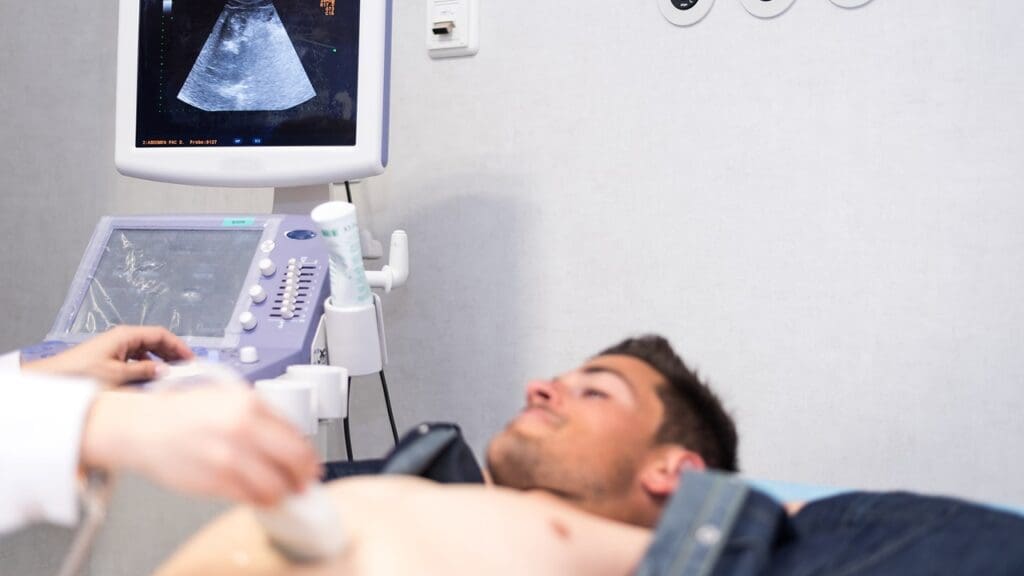
It’s important to know about abdominal aortic aneurysms to catch them early. An AAA happens when the aorta, the main blood vessel, gets too big.
What is an Abdominal Aortic Aneurysm?
An AAA is when the aorta gets 1.5 times bigger than it should be. This can be very dangerous if not found soon.
Risk Factors for Developing AAA
There are several things that can make you more likely to get an AAA. Smoking is the biggest risk. Other things include getting older, having a family history, and certain health issues.
| Risk Factor | Description |
|---|---|
| Smoking | Significantly increases the risk of developing AAA |
| Age | Risk increases with age, specially after 65 |
| Family History | Having a first-degree relative with AAA increases risk |
Why Early Detection Matters
Finding AAA early is key because it lets doctors act fast. This can greatly improve how well a patient does. Screening with ultrasound is a safe way to find aneurysms before they burst.
The Critical Importance of AAA Screening

Screening for AAA is key in preventing deaths from ruptured aneurysms. It’s vital because abdominal aortic aneurysms can be deadly. We stress how important AAA screening is for your health.
Asymptomatic Nature of AAAs
Most AAAs don’t show symptoms until they burst. This makes early detection through screening essential. The fact that many AAAs are silent killers is a big problem. People might not know they have a problem until it’s too late.
Mortality Rates of Ruptured Aneurysms
Ruptured AAAs are very deadly. Many people don’t make it to the hospital alive. Research shows up to 80% of those with a ruptured AAA don’t survive to get medical help.
| Condition | Mortality Rate |
|---|---|
| Ruptured AAA | 80% |
| Screened and Treated AAA | <5% |
Life-Threatening Consequences Without Screening
Without screening, the risk of serious problems from AAAs is much higher. Even if you don’t feel sick, you’re not safe. That’s why screening is so important.
We really push for following abdominal aneurysm screening guidelines. This can greatly reduce the risks of AAAs. It helps keep people safe and healthy.
Ultrasound: The Gold Standard for AAA Detection
Ultrasound is now the top choice for finding abdominal aortic aneurysms (AAA). It’s accurate and doesn’t hurt. This tech helps us safely spot AAA.
How Ultrasound Detects Aortic Aneurysms
Ultrasound sends high-frequency sound waves to see the aorta. Doctors can then measure it and find any problems. It’s great for catching aneurysms early.
Sensitivity and Specificity of US Aorta Screening
Ultrasound is very good at finding AAA. A study in the Journal of Vascular Surgery showed it’s 100% sensitive and 98.6% specific.
| Modality | Sensitivity | Specificity |
|---|---|---|
| Ultrasound | 100% | 98.6% |
| CT Scan | 95% | 90% |
| MRI | 90% | 85% |
Advantages Over Other Imaging Modalities
Ultrasound is better than other methods in many ways. It’s non-invasive, doesn’t need contrast, and is cheaper. Plus, it doesn’t use radiation, making it safer for more tests.
Ultrasound is the best for finding AAA because it’s accurate, safe, and affordable. We suggest it for checking at-risk groups.
The 7 Key AAA Screening Recommendations
We outline seven key AAA screening recommendations for healthcare providers. These guidelines help identify those at high risk of abdominal aortic aneurysms (AAA). They ensure timely intervention.
One-Time Screening for Men 65-75 Who Have Ever Smoked
Men aged 65-75 who have ever smoked should get a one-time AAA screening. Smoking is a big risk factor for AAA. Screening early can catch aneurysms before they rupture, improving outcomes.
Selective Screening for Men 65-75 Who Never Smoked
Men aged 65-75 who never smoked might need selective screening. It depends on their risk factors, like family history and heart disease. Doctors should decide if screening is right based on individual risk.
Guidelines for Women with Risk Factors
Women are less likely to get AAA, but those with risk factors should be screened. Women aged 65-75 with a smoking history or other risk factors should consider AAA screening.
Follow-up Protocols Based on Aneurysm Size
Follow-up is key for those with detected aneurysms. The size of the aneurysm decides how often to screen. Smaller aneurysms might need less monitoring, while larger ones require more frequent checks.
Screening for First-Degree Relatives
First-degree relatives of those with AAA are at higher risk. Guidelines suggest screening brothers and sons of those with AAA, if they’re 65-75 years old.
Timing of Repeat Screenings
The timing of repeat screenings varies based on initial results. Those with normal aortic diameters might not need follow-up, but small aneurysms may require monitoring.
Integration with Other Preventive Health Measures
AAA screening should be part of a broader preventive health plan. This includes cardiovascular risk assessment and smoking cessation programs. It helps manage multiple health risks at once.
Age Considerations in AAA Screening Guidelines
Knowing how age affects AAA risk is key to good screening guidelines. AAA risk grows with age. This makes age a big factor in who and when to screen.
Why Age 65 is the Starting Threshold
Age 65 is seen as the right time to start AAA screening. This is because AAA risk jumps up a lot around this age, mainly in men. We pick 65 because it’s a good balance between the risk of aneurysm rupture and screening risks.
Upper Age Limits and Rationale
The upper age limit for screening changes, but it’s usually 75 to 80 for men who smoked. For women, it depends more on their personal risk factors than age.
| Age Group | Screening Recommendation |
|---|---|
| 65-75 years | One-time screening for men who have ever smoked |
| 65-75 years | Selective screening for men who have never smoked based on risk factors |
| >75 years | Screening decisions based on individual health status and risk factors |
Special Considerations for Earlier Screening
People with a family history of AAA or other risk factors might need earlier screening. We suggest screening earlier for those with a first-degree relative with AAA.
By following these age-based guidelines, we can make AAA screening better. This helps improve patient results.
USPSTF Abdominal Aneurysm Screening Recommendations
The USPSTF has set guidelines for AAA screening to prevent ruptures and improve health outcomes. These guidelines are based on thorough research and analysis of effective screening methods.
Evolution of USPSTF Guidelines
The USPSTF has updated its guidelines over time. Initially, they focused on high-risk groups like smokers and older adults. Now, they consider both the benefits and harms of screening.
Current USPSTF Recommendations
Today, the USPSTF suggests one-time AAA screening for men aged 65-75 who have smoked. This is because screening has been proven to lower mortality in this group. For non-smokers, the decision to screen depends on individual risk factors and preferences.
Evidence Base Supporting These Guidelines
The USPSTF’s guidelines are backed by solid evidence. This includes:
- Clinical studies showing ultrasound screening cuts down AAA-related deaths
- Cost-effectiveness analyses proving targeted screening is cost-effective
Clinical Studies and Outcomes
Many studies have confirmed that AAA screening lowers mortality rates. For instance, a big trial showed that screening invitations cut AAA deaths in men aged 65-74.
Cost-Effectiveness Analysis
Cost-effectiveness studies also support the USPSTF’s guidelines. They show that screening for AAA in men aged 65-75 who have smoked is worth the cost.
The USPSTF combines evidence from clinical studies and cost-effectiveness analyses. This gives healthcare providers and patients the guidance they need for preventive care.
Triple A Screening Programs and Implementation
Triple A screening programs are becoming more common. They aim to find abdominal aortic aneurysms (AAA) early. This helps lower the death rate from ruptured aneurysms.
National Triple AAA Screening Initiatives
Countries worldwide are starting national AAA screening programs. For example, the U.S. targets men aged 65-75 who have smoked. Screening early can greatly cut down on AAA-related deaths.
How to Access Screening Services
To get Triple A screening, you need a doctor’s referral. Many places offer free or cheap screenings for those who qualify. You can also look for local screening events.
Insurance Coverage and Reimbursement
Insurance for AAA screening varies. In the U.S., Medicare covers it for men 65-75 who have smoked. It’s key to check your insurance to see what’s covered.
By using Triple A screening programs, we can lower ruptured AAA cases. This improves health outcomes for patients.
International Aortic Aneurysm Screening Guidelines
Worldwide, guidelines for AAA screening vary. This is due to differences in healthcare systems, how common AAA is, and what research says. These factors mix together to shape how we find and treat AAA globally.
European Society Guidelines
The European Society for Vascular Surgery (ESVS) suggests screening men aged 65-75 with one ultrasound scan. Women with risk factors should also get screened. The ESVS believes finding and treating AAA early can save lives.
UK National Health Service Approach
In the UK, the National Health Service (NHS) screens all men at 65. This effort has cut down on deaths from AAA. The NHS shows how a focused screening program can make a big difference.
Comparing Global Approaches to AAA Screening
Countries use different methods for AAA screening. This depends on their healthcare setup and how common AAA is. Looking at these methods can help find the best ways to screen for AAA.
| Country/Region | Screening Recommendation | Target Population |
|---|---|---|
| United States | One-time screening | Men aged 65-75 who have ever smoked |
| UK | One-time screening at age 65 | Men |
| Europe | One-time screening | Men aged 65-75 |
The table shows that while age and gender are similar, the details of screening vary. Knowing these differences is key to creating effective global health plans.
Special Populations and AAA Screening Considerations
Some groups, like those with a family history of AAA, women with risk factors, and certain ethnic backgrounds, might need special AAA screening. We know that a single approach to AAA screening doesn’t work for everyone. Different groups face different risks and have different rates of AAA.
Family History and Genetic Factors
People with a family history of AAA are more likely to get an aneurysm. Studies show that having a first-degree relative with AAA raises your risk a lot. If you have a family history of AAA, talk to your doctor about your risk and when to get screened.
Women and AAA Screening
AAA is more common in men, but women with risk factors like smoking or family history can also benefit from screening. It’s key to look at each woman’s risk factors to decide if she needs AAA screening.
Ethnic Variations in AAA Risk and Screening
Research shows that ethnic variations exist in AAA risk. For example, people of European descent are at higher risk than those of African or Asian descent. Knowing these differences helps us tailor screening programs to reach the right people.
By focusing on these special groups and their unique risks, we can make AAA screening better. This way, we can catch and treat AAA problems earlier.
Conclusion: The Life-Saving Impact of AAA Screening Guidelines
Following AAA screening guidelines can greatly lower death rates from ruptured aneurysms. Screening for Abdominal Aortic Aneurysms (AAA) is key to saving lives. This is most important for men aged 65-75 who have ever smoked.
The life-saving impact of AAA screening is clear. It helps find aneurysms before they burst. By sticking to AAA screening guidelines, doctors can spot at-risk people early. This helps prevent deadly outcomes.
The importance of AAA screening is huge. It’s a simple, non-invasive ultrasound test. It can greatly improve patient results. We stress the need to follow these guidelines to get the most from screening and lower rupture risk.
By using these guidelines, we can greatly improve our patients’ lives. We urge healthcare providers to keep up with the latest AAA screening guidelines. They should make sure to use them in their work.
What is an abdominal aortic aneurysm (AAA) and why is screening important?
An AAA is a swelling of the main blood vessel leading from the heart to the abdomen. Screening is key because AAAs often don’t show symptoms until they rupture. Early detection through screening can greatly lower death rates.
What are the risk factors for developing an AAA?
Risk factors for AAA include smoking, family history, age (65 and above), and being male. Other factors include high blood pressure, high cholesterol, and atherosclerosis.
How is AAA screening performed?
AAA screening uses ultrasound, a safe and effective imaging method. It uses sound waves to see the aorta. This method is chosen for its accuracy and cost-effectiveness.
What are the guidelines for AAA screening?
Guidelines suggest a one-time screening for men aged 65-75 who have ever smoked. Men in the same age group who have never smoked may also be screened based on risk factors. Women with risk factors and relatives of AAA patients may also be considered for screening.
Why is age 65 considered the starting threshold for AAA screening?
Age 65 is the best time to start AAA screening because AAA risk increases after this age. Screening at 65 helps detect aneurysms early, preventing life-threatening issues.
What are the USPSTF recommendations for AAA screening?
The USPSTF recommends one-time AAA screening for men aged 65 to 75 who have ever smoked. Men who have never smoked may also be screened based on individual risk.
Are there any special considerations for AAA screening in different populations?
Yes, special considerations are given to individuals with a family history of AAA, women with risk factors, and certain ethnic groups. Screening recommendations may vary based on these factors.
How often should AAA screening be repeated?
The frequency of repeat screenings depends on the initial results. Those with a detected aneurysm need follow-up based on the aneurysm’s size. Larger aneurysms require more frequent monitoring.
Is AAA screening covered by insurance?
Many health insurance plans cover AAA screening, mainly for those who meet the recommended criteria. Coverage can vary, so it’s important to check with your insurance provider.
What are the benefits of implementing AAA screening programs?
AAA screening programs can greatly reduce deaths from ruptured aneurysms. Early detection leads to timely intervention, which can save lives.
How do international guidelines for AAA screening compare?
International guidelines for AAA screening are similar, recommending ultrasound for at-risk populations. Yet, there are variations in specific recommendations and age criteria among countries and health organizations.
References
- American Academy of Family Physicians (AAFP) : https://www.aafp.org/pubs/afp/issues/2020/0515/od1.html
- Society for Vascular Surgery : https://vascular.org/node/87
- Canadian Task Force on Preventive Health Care (Guidelines) : https://canadiantaskforce.ca/guidelines/published-guidelines/abdominal-aortic-aneurysm
- NCBI Bookshelf : https://www.ncbi.nlm.nih.gov/books/NBK551974
- Medicare (Abdominal Aortic Aneurysm Screenings) : https://www.medicare.gov/coverage/abdominal-aortic-aneurysm-screenings