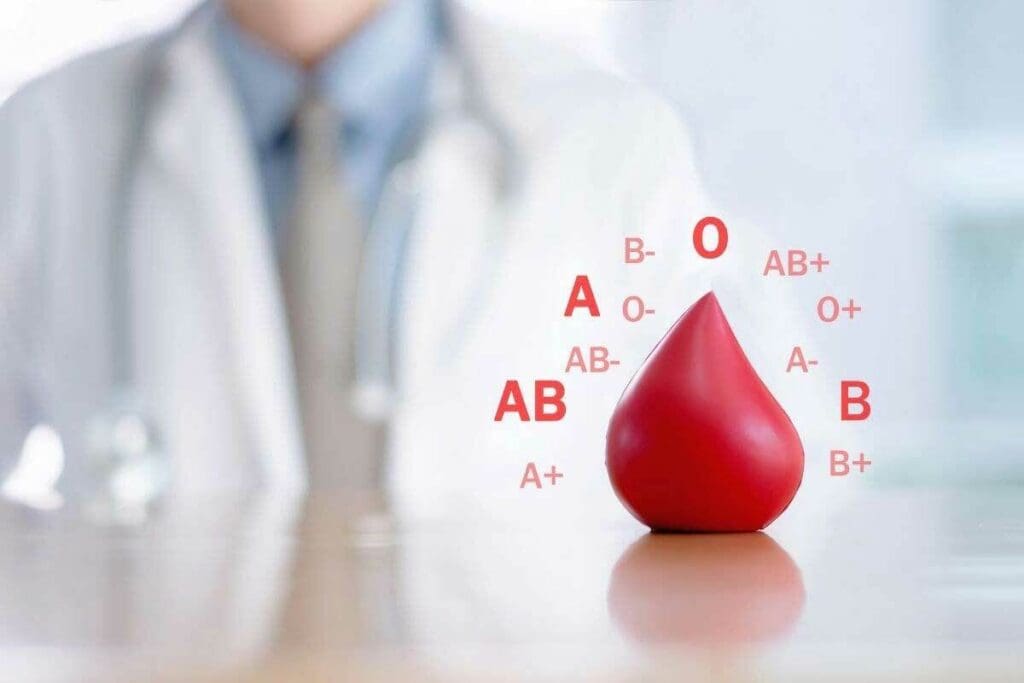
The AB blood type is rare and unique. It’s a big deal in transfusion medicine.
People with AB positive (AB+) and AB negative (AB−) blood types are about 4% and 1% of the population, respectively.
The universal recipient status of AB+ blood is because it can accept red blood cells from all other types. This makes it very important in emergencies.
Liv Hospital is known for its knowledge in transfusion medicine. They highlight how important understanding AB blood type is.
Key Takeaways
- The AB blood type is rare, with AB+ and AB− making up about 4% and 1% of the population.
- AB+ individuals can receive red blood cells from all other blood types.
- The universal recipient status of AB+ blood makes it critical in medical settings.
- Understanding blood type compatibility is essential for safe transfusions.
- Liv Hospital is recognized for its expertise in transfusion medicine.
The Fundamentals of AB Blood Type
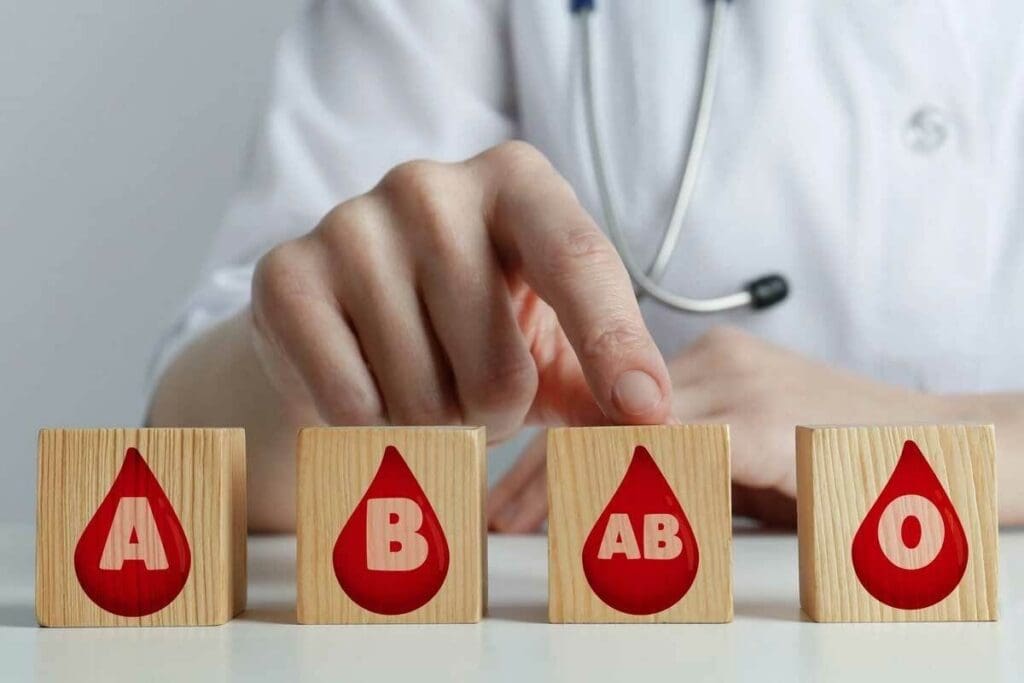
The AB blood type is special and holds a pivotal role in blood transfusions and research. It is one of the four main blood groups in the ABO system, which categorizes blood based on the antigens present on red blood cells.
What Makes AB Blood Type Unique ?
The defining feature of the AB blood type is the presence of both A and B antigens on the cell surface. This unique profile makes it a universal recipient for blood transfusions, allowing patients to receive blood from all other ABO blood types. However, this biological uniqueness also contributes to its rarity.
Key characteristics include:
Ability to receive blood from A, B, AB, and O blood types (specifically for AB+).
Presence of both A and B antigens.
Absence of anti-A and anti-B antibodies.
The Discovery and History of Blood Type Classification
The history of blood type classification started in the early 20th century. Austrian scientist Karl Landsteiner found the ABO blood group system. His work was key to understanding blood transfusions.
In the 1940s, the discovery of the Rh factor added more to our knowledge. It led to blood being classified as Rh positive or Rh negative.
| Blood Group | Antigens Present | Antibodies Present | Can Receive Blood From |
| AB | A and B | None | A, B, AB, O |
| A | A | Anti-B | A, O |
| B | B | Anti-A | B, O |
| O | None | Anti-A and Anti-B | O |
Our understanding of blood types has grown a lot. It started with Landsteiner’s discovery. Now, research keeps improving transfusion medicine.
AB Blood Type: The Rarest Among All Blood Groups
The AB blood type is the rarest of all blood groups. This is because of its unique genetic makeup. It is less common in different parts of the world.
Distribution and Prevalence of AB Positive
AB Positive (AB+) is very rare, found in about 4% of the population. It’s very valuable in hospitals because it can match with many other blood types.
One of the Rarest Blood Types: AB Negative
AB Negative (AB-) is even rarer, found in only about 1% of the population. Its rarity and special needs make it key for blood banks.
Geographical Variations in AB Blood Type Distribution
The AB blood type’s spread changes a lot around the world. For example, in some Asian groups, it’s more common than in Caucasian groups.
| Population | AB+ Prevalence (%) | AB- Prevalence (%) |
| Caucasian | 3 | 1 |
| Asian | 5 | 1.5 |
| African American | 2 | 0.5 |
The table shows how AB blood type varies by region. It shows the differences in its prevalence among different ethnic groups.
Genetic Inheritance of AB Blood Type
Understanding the genetic inheritance of AB blood type is key to knowing its rarity and special traits. The ABO blood type gene is on chromosome 9. A and B alleles are dominant over O. The Rh factor is inherited separately, adding to the blood type’s genetic complexity.
Inheritance Patterns from Parents
The AB blood type follows an autosomal dominant pattern. This means one A or B allele is enough to show the antigen. When parents give either an A or a B allele, their kids might get the AB genotype.
For example, if parents are carriers of A and B alleles (genotype AO and BO, or AB), their kids have a chance of getting AB blood type. The likelihood depends on the parents’ genotypes.
- If one parent is AB and the other is AO or BO, there’s a 50% chance their child will inherit the AB genotype.
- If both parents are AB, there’s a 50% chance their child will be AB, a 25% chance A, and a 25% chance B.
Genetic Factors Influencing AB Blood Expression
Several genetic factors affect AB blood type expression. The interaction between the A and B alleles decides the blood type. The RhD antigen, inherited separately, determines if the blood type is positive or negative.
Key genetic factors include:
- The ABO gene is on chromosome 9.
- The presence of A and B alleles.
- The Rh genewhich determines the Rh factor.
Probability of Having AB Blood Type
The chance of having AB blood type depends on the parents’ genotypes. If both parents are carriers of A and B alleles, their kids have a higher chance of having AB blood type.
A study on ABO blood groups found that AB blood type frequency varies worldwide. This is due to the genetic makeup of different populations.
“The frequency of the AB blood type is relatively low in many populations, making it a rare and valuable resource for transfusions.”
— Blood Type Research Journal
In conclusion, the genetic inheritance of AB blood type is complex. It involves many genetic factors. Understanding these factors helps us appreciate AB blood type’s uniqueness and its role in medical practices like blood transfusions and organ transplantation.
The Unique Antigen Profile of AB Blood
The AB blood type has a special antigen profile. It has both A and B antigens on its surface. This makes AB blood very important in transfusion medicine.
A and B Antigens: The Defining Feature
The AB blood type is known for having A and B antigens on its red blood cells. These are proteins or carbohydrates on the cell membrane. Because of this, people with AB blood can get blood from many different blood groups. They are called universal recipients.
Rh Factor in AB Blood: Positive vs. Negative
The Rh factor is also key in the AB blood type. AB blood can be either Rh positive (AB+) or Rh negative (AB-). This depends on whether the RhD antigen is present or not. The Rh factor is very important in blood transfusions. It helps prevent problems when blood types don’t match.
Absence of Anti-A and Anti-B Antibodies
People with AB blood have a big advantage in blood transfusions. They don’t have anti-A and anti-B antibodies in their blood. This means they can safely get blood from donors with A, B, AB, or O blood types.
To sum up, the AB blood type’s unique profile is key in transfusion medicine. It has A and B antigens, the Rh factor, and no anti-A or anti-B antibodies. This makes it very important for blood transfusions.
Universal Recipient Status: Why AB+ Can Receive All Blood Types
AB+ blood type is called the universal recipient. It doesn’t have anti-A and anti-B antibodies. This makes it safe for all ABO blood types. People with AB+ blood can get red blood cells from any type, which is very helpful in emergencies.
The Science Behind Universal Recipient Status
AB+ individuals don’t have anti-A and anti-B antibodies. This is why their immune system doesn’t react to blood from other ABO types. They can safely receive blood from A, B, AB, or O types.
This is very important in emergencies. There’s no time to check the blood type. AB+ individuals can get blood from any type, making them very flexible in transfusions.
Limitations and Considerations for AB+ Recipients
Even though AB+ individuals can get blood from any ABO type, there are some things to think about. The Rh factor is important to avoid reactions in Rh-negative people. AB+ individuals are Rh-positive, so they’re safe from RhD antigen reactions.
But thehealth of the recipient and the quality of the blood are also key. Also, the plasma from the blood must be compatible to avoid bad reactions. So, managing blood components carefully is very important.
Emergency Transfusion Protocols for AB+ Individuals
In emergencies, AB+ individuals can get blood from any ABO type. But hospitals have strict rules to make sure transfusions are safe. The table below shows which blood types AB+ can receive from.
| Blood Type | Can Receive Red Blood Cells From | Can Donate Red Blood Cells To |
| AB+ | A+, A-, B+, B-, AB+, AB-, O+, O- | AB+ |
| A+ | A+, A-, O+, O- | A+, AB+ |
| B+ | B+, B-, O+, O- | B+, AB+ |
| O+ | O+, O- | O+, A+, B+, AB+ |
This table shows how versatile AB+ blood is. It can receive red blood cells from any ABO type, making it a universal recipient.
AB Negative Blood: Compatibility and Transfusion Options
AB-nAB-negative is very rare. This makes finding compatible blood for transfusions very important. People with this blood type have special challenges when looking for blood to receive.
Compatible Donor Types for AB- Recipients
People with AB-negative blood can get blood from certain donors. The types that are okay to donate to AB- individuals are:
- AB negative (AB-)
- A negative (A-)
- B negative (B-)
- O negative (O-)
This is important because AB- people don’t have antibodies against A and B. This lets them safely get blood from these four groups.
AB- as a Donor: Who Can Receive It?
Donating AB-negative blood is very valuable. It’s compatible with other blood types in some cases. AB- blood can be given to:
- AB negative (AB-)
- AB positive (AB+)
This shows how important it is to have enough AB blood for transfusions.
The Critical Demand for AB- Blood Donations
The need for AB-negative blood is high. Only about 1% of the population has AB blood This makes donations very important to meet the demand.
Hospitals and blood banks need regular donations. They need enough AB- ood to help patients. Regular donors are key to saving lives by providing the blood needed for transfusions.
In summary, knowing ababout AB-negative’sompatibility and transfusion options is key. It’s important for doctors and donors. By keeping a steady supply of AB blood we can help save lives.
AB Blood Type and Plasma Donation
The AB blood type is very important for plasma donation. People with AB blood can help a lot by donating plasma. This plasma is used in many medical treatments.
Universal Donor Plasma
AB plasma is called universal donor plasma. It doesn’t have anti-A and anti-B antibodies. This makes it safe for all blood types.
This is great for emergencies when we don’t know the patient’s blood type.
- AB plasma can be transfused to patients of any ABO blood type.
- It is very useful in emergency medicine for trauma patients.
- AB plasma donors are to aa toa steady supply of universal donor plasma.
The Life-Saving Role of AB Plasma in Emergency Medicine
AB plasma is very important in emergency medicine. It’s great for bia g blood loss or when patients need blood right away. The lack of anti-A and anti-B antibodies makes it safe for emergency transfusions.
Plasmapheresis for AB Blood Type Donors
Plasmapheresis is how we get plasma from blood. AB blood type donors can donate plasma this way. Their plasma is used for transfusions or to make life-saving treatments.
- The donor’s blood is drawn and passed through a cell separator.
- The plasma is collected, while the other blood components are returned to the donor.
- This process lets us get high-quality plasma for medical use.
Donating plasma through plasmapheresis helps those in need. It supports patients needing transfusions and other treatments.
Health Implications and Medical Considerations for AB Blood Type
Research into AB blood type health shows interesting patterns. People with this rare blood type face unique health risks and benefits. These can differ from those with other blood types.
Disease Susceptibility Patterns
Studies show AB blood type may face higher health risks. For example, they might be more likely to experience cognitive decline and memory problems. This could be linked to their blood type and heart health.
Yet, some research suggests AB blood type offers protection against infections and diseases. For instance, they might have a lower risk of Helicobacter pylori infection. This infection is linked to peptic ulcers and gastric cancer.
Potential Health Advantages
AB blood type individuals may also have health benefits. They might have a lower risk of ischemic stroke and other heart problems.
Some studies also hint at a link between AB blood type and lower cancer risk.Bu t more research is needed to confirm this.
In summary, knowing the health implications of AB blood type is key. It helps in providing the best care and advice to those with this rare blood type.
AB Blood Type in Organ and Tissue Transplantation
AB blood type is key in organ and tissue transplants. It affects who can get a transplant and how well it works. People with AB blood can get blood from many donors, but it’s different for organs.
Compatibility Considerations for Organ Recipients
Matching the donor’s and recipient’s blood types is very important in organ transplants. This is because it helps avoid the body rejecting the transplant. AB blood type recipients have it easier because their bodies don’t make antibodies against A or B antigens.
Table: Compatibility for AB Blood Type Recipients
| Recipient Blood Type | Compatible Donor Blood Types |
| AB+ | A+, A-, B+, B-, AB+, AB-, O+, O- |
| AB- | A-, B-, AB-, O- |
AB Blood Type in the National Organ Allocation System
The national system for giving out organs looks at the blood types of both donors and recipients. AB blood type people are last in line for organs from AB donors. But, they can get organs from other types, too.
ABO-Incompatible Transplantation Advances
New treatments and ways to prepare the body have made ABO-incompatible transplants possible. It’s a complex process, but it gives hope to those who couldn’t get a transplant before.
Organ transplantation is always getting better. Scientists are working hard to make transplants work for everyone, including those with AB blood type.
The Critical Importance of AB Blood Type Donation
Donating AB blood is key in medical emergencies. People with AB blood can get blood from all types. This makes their donations very valuable.
Meeting the Demand for Rare Blood Types
AB blood is rare, found in only about 4% of people. Less than 1% have AB negative. Donations are essential for hospitals’patients who nneedthis blood.
Rare blood types like AB positive and AB negative are vital for transfusions. A steady supply is critical for treatments and surgeries.
How AB Blood Type Donors Save Lives
Donors with AB blood are lifesavers. Their blood helps patients in surgeries and treatments for cancer. Being able to receive any blood type makes them universal recipients, vital for blood supplies.
- AB blood type donors support patients with rare blood disorders.
- Their donations are used in emergencies where there’s no time to determine a patient’s blood type.
- AB plasma donations are very valuable as they can be used by any patient, making them universal donors in plasma.
Donation Frequency and Eligibility Guidelines
Eligible donors can give blood every 56 days. AB plasma donors can donate more often, every 28 days, because plasma is quickly replenished.
To donate AB blood, you must be healthy, at least 17 years old (16 in some states), and weigh over 110 pounds. You also need to pass a mini-physical exam and health screening.
| Donation Type | Eligibility Criteria | Donation Frequency |
| Whole Blood | Good health, 17+ years old, 110+ lbs | Every 56 days |
| Plasma | Good health, 18+ years old, 110+ lbs | Every 28 days |
Modern Medical Protocols for AB Blood Type Management
Managing AB blood type has become more advanced thanks to new medical methods. This blood type is rare and needs special care. Modern protocols are made to meet the needs of those with AB blood type, ensuring they get the best care.
Innovative Approaches at Leading Medical Institutions
The top medical places are leading in new AB blood type management methods. They spend a lot on research and tech to help patients. For example, some hospitals use new blood typing and testing to lower transfusion risks.
Advanced transfusion protocols are being used for AB blood type patients. These plans involve careful planning and teamwork to give patients the right blood.
Liv Hospital’s Commitment to Blood Type Management Excellence
Liv Hospital is a top example of a place focused on blood type management. They have a detailed program with the latest diagnostic tools and treatment plans for AB blood type patients.
“At Liv Hospital, we prioritize the unique needs of our AB blood type patients, ensuring they receive tailored care that addresses their specific requirements.”
Liv Hospital Medical Team
Future Directions in Blood Type Compatibility Research
The future of managing AB blood type is in ongoing research and innovation. Studies are looking into better compatibility tests and transfusion results. New tech like artificial intelligence and machine learning might help match blood types better and lower risks.
- Advanced compatibility testing methods
- Personalized medicine approaches for AB blood type
- Innovative transfusion technologies
As medical science keeps improving, managing AB blood type will get even better. This will lead to better care and results for patients.
Conclusion
The AB blood type is rare and special, playing a key role in medicine. People with AB blood can get blood from all other types. This is because they don’t have antibodies against A or B, as studies from the National Center for Biotechnology Information show.
Different groups have different blood types more often. For example, Caucasians often have type O or A1 blood. Knowing how AB blood is passed down is important for safe blood transfusions.
In short, AB blood type is very important in blood transfusions. Its special traits make it a focus for research. By learning more about AB blood, doctors can give better care to those with this rare type.
For more professional discussions, visit our Linkdin page.
FAQ
What is the AB blood type, and how is it different from other blood types?
The AB blood type is rare because it has both A and B antigens. It doesn’t have anti-A or anti-B antibodies. This makes it safe for anyone to receive AB blood.
How common is the AB blood type in the population?
AB blood is not very common. AB+ is found in about 4% of people, and AB- in about 1%.
Can individuals with AB blood type receive blood from any donor?
Yes, people with AB+ blood can get blood from many donors. But, those with AB- can only get blood from AB- or O- donors.
What is the significance of AB plasma in plasma donation?
AB plasma is special because it can be given to anyone. It doesn’t have anti-A or anti-B antibodies.
Are there any health implications or medical considerations specific to individuals with the AB blood type?
Some studies suggest AB blood types might be less likely to get certain diseases. But more research is needed to know for sure.
How does the AB blood type affect organ and tissue transplantation?
AB blood type is key in organ transplants. It helps prevent rejection. New ways to transplant across blood types are helping AB recipients.
Why is AB blood type donation critical, and how can donors contribute?
Donating AB blood is vital because it’s rare. Donors can save lives by giving blood or plasma. Contact local blood banks or the American Red Cross to donate.
What are the latest developments in AB blood type management and research?
Top hospitals like Liv Hospital are leading in blood type management. Research is ongoing to improve blood type matching and treatments. Future work includes better transplantation and plasma donation.
How can individuals with AB blood type ensure they receive compatible blood transfusions?
People with AB blood should tell their doctors about their blood type. Keep your medical records up to date. In emergencies, doctors will choose the right blood type.
Is AB− compatible with AB+ patients?
Yes. AB− red cells can be transfused to AB+ recipients. However, AB− patients cannot receive AB+ due to Rh incompatibility.
Which donation is most impactful for AB types: whole blood or plasma?
Both help, but AB plasma is uniquely versatile because it’s compatible with all ABO recipients. Many centers prioritize AB donors for plasmapheresis to support emergency stock.



 Departments
 Related Videos
 Our Doctors
 News
News