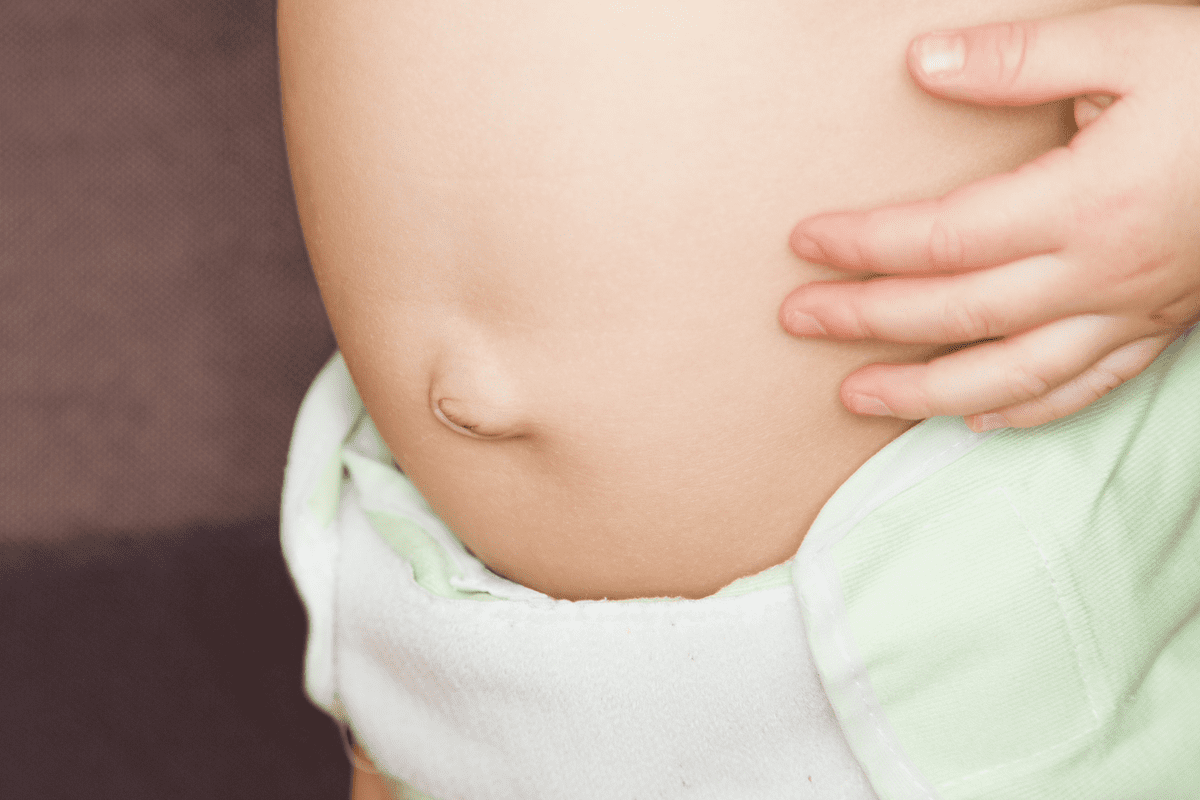
Feeling a sudden pull in your stomach or seeing a bulge can be scary. Many people wonder if they have a pulled muscle or hernia. Both can cause pain and discomfort.
At Liv Hospital, we know how important it is to tell these two apart. A hernia happens when organs or tissues bulge through a weak spot. On the other hand, an abdominal strain occurs when muscles get stretched too far or tear, often from sudden movements or heavy lifting.
It’s key to know the differences to get the right treatment. We aim to give our patients the right medical advice and care they need.
Key Takeaways
- Hernias and abdominal strains are distinct conditions with different causes.
- A hernia involves internal organs or tissues pushing through a weak spot.
- Abdominal strain involves overstretched or torn muscle fibers.
- Proper diagnosis is key for effective treatment.
- Liv Hospital provides thorough care for these conditions.
Understanding Abdominal Pain: Common Causes
Abdominal pain is a common problem that affects many people around the world. It can make daily life very uncomfortable. Knowing what causes it and why getting a correct diagnosis is key is important.
There are many reasons for abdominal pain, from mild muscle strain to serious issues like hernias. Studies show that up to 10% of people will get a hernia at some point. Straining the abdominal muscles is also common, often due to too much physical activity or lifting heavy things.
Prevalence of Abdominal Discomfort
Many people experience abdominal discomfort at some time. This can be pain or strain, often from too much exercise or health issues.
Knowing how common these problems are helps doctors and patients. It makes them more aware of symptoms and when to get help.
Importance of Proper Diagnosis
Getting a proper diagnosis is key to managing abdominal pain. A correct diagnosis helps treat the problem and eases the patient’s worries. Doctors use physical checks, medical history, and tests to find out what’s causing the pain.
Highlighting the need for accurate diagnosis helps people get the right care. This is true whether it’s for abdominal strain or a hernia. It improves their life quality.
What Is an Abdominal Strain?
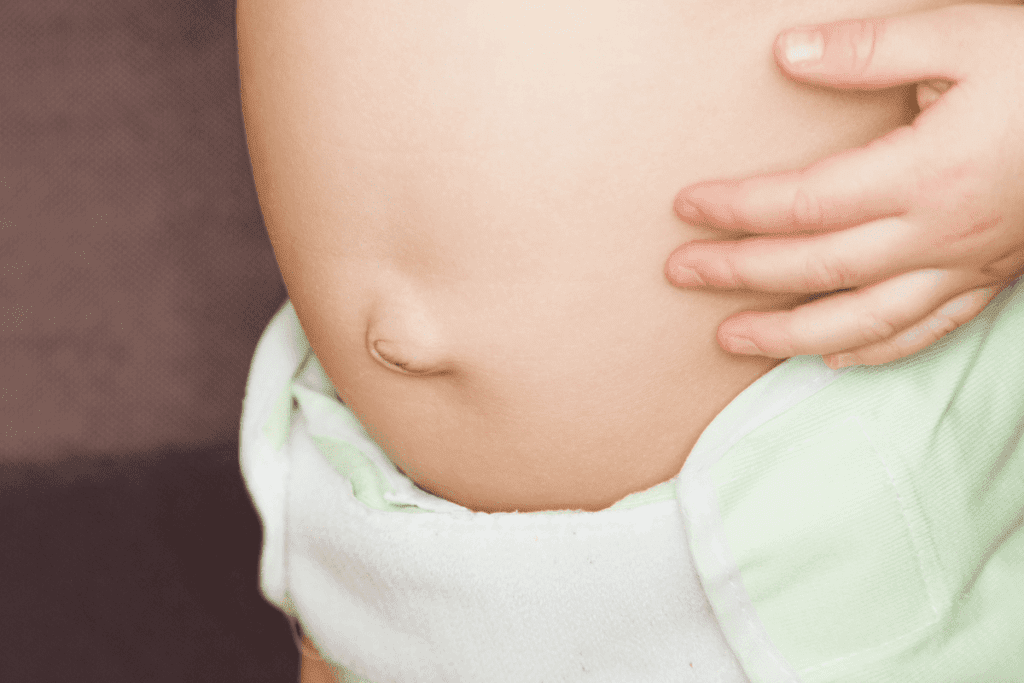
An abdominal strain is a muscle injury in the abdominal area. It happens when the muscles stretch too far or tear. This is common in athletes and people who do a lot of physical activities.
Definition and Anatomy
Abdominal strain is an injury to the abdominal muscles. These include the rectus abdominis, internal and external obliques, and transverse abdominis. These muscles help us bend, twist, and lift. Too much stress can cause them to strain.
The muscles in the abdomen are layered and complex. The rectus abdominis helps us bend forward. The obliques help us twist. Knowing this helps doctors diagnose and treat abdominal strains better.
Types of Abdominal Muscle Strains
Abdominal muscle strains vary in severity. They can be mild, moderate, or severe. Each type has different symptoms and treatment needs.
- Mild Strain: This is when the muscle fibers are only slightly damaged. Symptoms are mild.
- Moderate Strain: This is when the muscle fibers are more damaged. Symptoms are more noticeable.
- Severe Strain: This is when the muscle is completely torn. It often needs medical help.
Strains can also be named based on the muscle affected. For example, a rectus abdominis strain or an oblique strain. Each has its own symptoms and treatment options.
Prevalence and Statistics
Abdominal strains are common, mainly in athletes. They happen in sports that involve sudden movements or heavy lifting. Studies show that abdominal strains are a big part of sports injuries.
| Sport | Prevalence of Abdominal Strains |
|---|---|
| Football | 12% |
| Tennis | 8% |
| Gymnastics | 15% |
“Abdominal strains are a common issue in sports medicine, requiring a thorough approach to diagnosis and treatment to ensure full recovery and prevent recurrence.”
Medical Expert, Sports Medicine Specialist
Knowing how common abdominal strains are helps in creating prevention and treatment plans.
What Is a Hernia?
A hernia is when an organ or tissue bulges through a weak spot in the muscle or tissue. This can be painful and serious if not treated.
Definition and Mechanism
A hernia occurs when there’s a weak spot in the muscle or tissue. This lets the internal organ or tissue bulge through. It can happen due to congenital conditions, injury, or strain.
The internal pressure pushes the organ or tissue through the weak spot. This creates a bulge that can be seen or felt.
Hernias often happen in the abdominal region. The abdominal wall is at risk because of the constant pressure from inside.
Common Types of Hernias
There are several types of hernias, each with its own characteristics:
- Inguinal Hernia: Occurs when tissue pushes through the inguinal canal in the groin area.
- Femoral Hernia: Similar to inguinal hernias but occurs lower in the groin area, near the femoral canal.
- Umbilical Hernia: Occurs around the belly button when part of the intestine bulges through the abdominal wall.
- Incisional Hernia: Develops through a scar or incision in the abdominal wall, resulting from previous abdominal surgery.
Inguinal and femoral hernias make up 75-80% of all hernia cases, making them the most common.
Hernia Statistics and Risk Groups
Hernias are a big health issue worldwide. Millions of people get hernias every year. Some groups are at higher risk, including:
| Risk Factor | Description |
|---|---|
| Age | Risk increases with age, specially after 40 |
| Gender | Men are more likely to develop inguinal hernias |
| Family History | Having a family history of hernias increases the risk |
| Chronic Conditions | Conditions like COPD or constipation can increase abdominal pressure |
Knowing these risk factors can help prevent and detect hernias early.
Recognizing Abdominal Strain Symptoms
Knowing the signs of abdominal strain is key to managing and recovering. We’ll look at the signs that show you might have an abdominal strain. This will help you know when to see a doctor.
Immediate Symptoms
When you get an abdominal strain, you’ll notice it right away. You might feel a sharp pain or a sudden “popping” in your stomach. A study says, “Acute abdominal muscle strain often presents with sudden onset of pain, which can be severe enough to stop activity.” Sharp pain and immediate discomfort are hallmark symptoms that something is amiss.
Delayed Symptoms
After the injury, you might start to feel muscle spasms, stiffness, and swelling. It’s common to feel increased pain when moving, coughing, or sneezing. These actions put more strain on your abdominal muscles.
Pain Characteristics
The pain from abdominal strain can be different for everyone. Some feel a dull ache, while others have sharp, stabbing pain. The pain might stay in one spot or spread across your stomach. Doctors say, “The pain can be exacerbated by movement and relieved by rest.” Knowing your pain’s nature helps in diagnosing an abdominal strain.
“The pain associated with abdominal strain is often described as a sharp, stabbing sensation that worsens with movement.”
Medical Research Journal
Functional Limitations
Abdominal strain can make everyday tasks hard. Simple actions like bending, lifting, or walking can hurt. In bad cases, it can stop you from doing daily things, affecting your life quality. If you have ongoing or severe symptoms, see a doctor.
- Sharp pain or tenderness in the abdominal area
- Muscle spasms or stiffness
- Pain that worsens with movement
- Difficulty performing daily activities
By knowing these symptoms, you can spot an abdominal strain sooner. If you’re feeling any of these, seeing a healthcare professional is a good idea. They can give you the right diagnosis and treatment plan.
Identifying Hernia Symptoms
Spotting hernia symptoms early can lead to better treatment and outcomes. We’ll look at the signs and sensations of hernias. This will help you know when to see a doctor.
Visual Signs
A common visual sign of a hernia is a bulge or lump. This bulge is often more noticeable when you cough, strain, or stand up.
Physical Sensations
Hernias can cause discomfort or pain, from mild to severe. The pain might be sharp or a dull ache. It often gets worse at the end of the day or after you’ve been active.
Symptom Progression
Hernia symptoms can get worse over time. At first, the bulge might be reducible, meaning it can be pushed back. But as it gets worse, the hernia can become incarcerated or strangulated. These are serious complications.
Warning Signs of Complications
It’s important to watch for signs of complications. Severe pain, nausea, vomiting, or fever are warning signs. These symptoms mean you need to see a doctor right away.
| Symptom | Description | Severity |
|---|---|---|
| Visible Bulge | A noticeable lump or swelling in the affected area. | Mild to Severe |
| Discomfort/Pain | Pain or discomfort that worsens with activity or at the end of the day. | Mild to Severe |
| Nausea/Vomiting | Feeling queasy or vomiting, potentially indicating complications. | Severe |
| Fever | Elevated body temperature, indicating possible infection or complication. | Severe |
Knowing these symptoms and how they progress can help you know when to get medical help. If you notice any of these warning signs, see a doctor right away.
Key Differences: Hernia vs. Abdominal Strain
It’s important to know the difference between a hernia and an abdominal strain. Both can hurt, but they have different causes and signs.
Visual Differences
Looking at the two, a hernia shows as a bulge or lump. This bulge gets bigger when you cough, strain, or stand up. An abdominal strain doesn’t show a bulge, but might swell a bit due to inflammation.
Pain Pattern Differences
The pain from hernias and strains is different. Hernia pain feels sharp and heavy, getting worse with lifting or bending. Abdominal strain pain is more spread out, feeling like muscle soreness that gets worse with movement.
Movement and Activity Effects
How you move affects both conditions differently. Hernias get worse with activities that raise belly pressure. Strains hurt more when you move the strained muscle.
Self-Assessment Guidelines
To figure out if you have a hernia or strain, follow these steps:
- Look for bulges or lumps, mainly when standing or straining.
- Notice if the pain is sharp and in one spot or if it spreads and moves with you.
- See how symptoms change with activity and rest.
By paying attention to these signs, you can better understand your issue and get the right help.
Diagnosis and Medical Assessment
Figuring out what’s wrong with your belly needs a mix of feeling it and looking at it with tests. When you see a doctor because your belly hurts, they’ll start by asking you lots of questions. Then, they’ll do a physical check-up.
Physical Examination Techniques
A doctor will do a physical check to see how bad your problem is. They might press on your belly to see if it hurts or feels different. They’re also looking for any signs of pulled muscles or hernias.
Key parts of a physical check-up are:
- Looking at your belly for any visible signs of injury or swelling
- Feeling your belly to see if it’s tender or has any lumps
- Testing how strong and flexible your muscles are
Imaging Tests
Even though a physical check-up is helpful, tests like X-rays or ultrasounds are often needed to make a sure diagnosis. These tests help doctors see inside your body.
| Imaging Test | Purpose |
|---|---|
| Ultrasound | To see soft tissues and find problems like hernias |
| X-ray | To check for other reasons for belly pain, like blockages |
| CT Scan | To get detailed pictures of your belly and find complex problems |
When to Seek Emergency Care
Knowing when to go to the emergency room is important. You should go if you have:
- Very bad belly pain that gets worse
- Vomiting blood or having bloody stools
- A fever over 101.5°F (38.6°C)
- Signs of not having enough water, like really thirsty or dark pee
If you’re not sure if you need emergency care, it’s better to talk to a doctor.
Treatment Approaches
Treatment for abdominal strain and hernia depends on how severe and what type it is. Knowing the right treatment is key for managing and recovering well.
Managing Abdominal Strain
For abdominal strain, treatment often includes rest, physical therapy, and managing pain. The main goal is to lessen pain, reduce swelling, and make the muscles stronger.
- Rest and Ice: First, rest and ice help cut down pain and swelling.
- Physical Therapy: Then, gentle exercises are started to boost flexibility and muscle strength.
- Pain Management: Doctors might suggest pain relievers to help with pain.
Treating Hernias
Hernia treatment can vary from watching it closely to surgery, based on size, location, and symptoms.
- Watchful Waiting: Small, symptom-free hernias might be watched closely for any changes.
- Lifestyle Changes: Making lifestyle changes like losing weight and avoiding heavy lifting can help manage symptoms.
- Surgical Repair: For symptomatic or large hernias, surgery is often needed to prevent serious issues.
Comparing Recovery Expectations
Recovery times for abdominal strain and hernia are quite different.
- Abdominal Strain Recovery: Most people get better from abdominal strain in a few weeks with the right treatment.
- Hernia Recovery: Recovery from hernia surgery can take weeks to months, depending on the surgery type and individual factors.
It’s important to understand these differences to have realistic recovery goals and stick to the treatment plan.
Conclusion
Knowing the difference between a hernia and an abdominal strain is key for the right treatment. We’ve looked at what each is, their symptoms, and how to treat them. It’s important to tell them apart.
Abdominal strain and hernia might seem similar at first, but they need different treatments. Knowing the difference helps you get the right care. This can prevent serious problems and improve your health.
If you’re feeling a lot of pain in your belly, see a doctor right away. They can figure out what’s wrong and help you feel better. This way, you can start feeling normal again.
FAQ
What is the main difference between a hernia and an abdominal strain?
A hernia happens when an organ bulges through a weak spot in the muscle or tissue. An abdominal strain is an injury to the muscles or tendons, often from overstretching or tearing.
How can I tell if I have a pulled muscle or a hernia?
If you see a bulge or lump, it might be a hernia. Pain that gets worse with movement could be either. Always check with a doctor for a correct diagnosis.
What are the symptoms of a strained abdominal muscle?
Symptoms of a strained muscle include pain, tenderness, muscle spasms, bruising, or trouble moving.
Can a hernia be mistaken for a pulled muscle?
Yes, a hernia and a pulled muscle can both cause pain in the abdomen. But, a hernia usually has a visible bulge, while a pulled muscle might not.
How is a hernia diagnosed?
A doctor will usually do a physical exam and ask about your medical history. They might also use imaging tests like an ultrasound or CT scan.
What is the treatment for an abdominal strain?
Treatment for a strained muscle includes rest, ice, compression, and elevation (RICE). You’ll also need pain management and physical therapy to heal and prevent further injury.
Can a hernia be treated without surgery?
Some hernias might not need surgery. Treatment could include watching it, making lifestyle changes, or using supportive devices. But, surgery is often needed to fix a hernia and avoid serious problems.
How long does it take to recover from an abdominal strain?
Recovery time for a strained muscle depends on the injury’s severity. Most people can get back to normal in a few weeks with the right treatment and care.
What are the risks of not treating a hernia?
Not treating a hernia can lead to serious problems like bowel obstruction, strangulation, or incarceration. These can be life-threatening. It’s important to see a doctor if you think you have a hernia.
Can I prevent abdominal strains and hernias?
While some risks can’t be avoided, staying healthy, exercising, and avoiding heavy lifting can help prevent strains and hernias.
What is the difference between a strained abdominal muscle and a hernia in terms of pain?
Strained muscle pain is sharp and in one place. Hernia pain is often a dull ache that gets worse, like with coughing or lifting.
Can I continue to exercise with a strained abdominal muscle or hernia?
Always talk to a healthcare professional before exercising with a strained muscle or hernia. They can suggest safe exercises and help manage symptoms and recovery.
References
World Health Organization. Hernia vs. Abdominal Strain: Differentiation and Identification. Retrieved from https://www.who.int/publications/i/item/9789240050268