
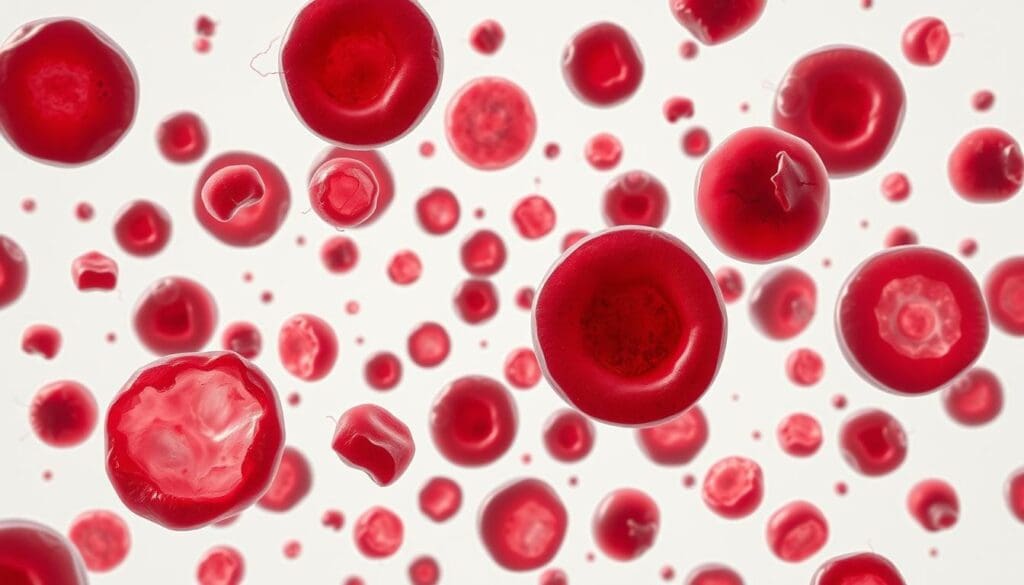
Red blood cells are key in carrying oxygen around the body. Abnormalities in these cells can cause health problems. It’s important to know the causes and signs of red blood cell disorders.
Liv Hospital focuses on patient care, providing top-notch treatment for RBC abnormalities. It’s important to understand the different types of abnormal red cells, their causes, and symptoms. This knowledge helps in early detection and treatment.
Key Takeaways
- Red blood cells are vital for oxygen delivery in the body.
- Abnormalities in red blood cells can lead to health issues.
- Knowing the causes and symptoms of RBC abnormalities is key.
- Liv Hospital offers complete care for red blood cell disorders.
- Early detection is essential for managing red blood cell disorders.
The Role of Erythrocytes in Human Physiology
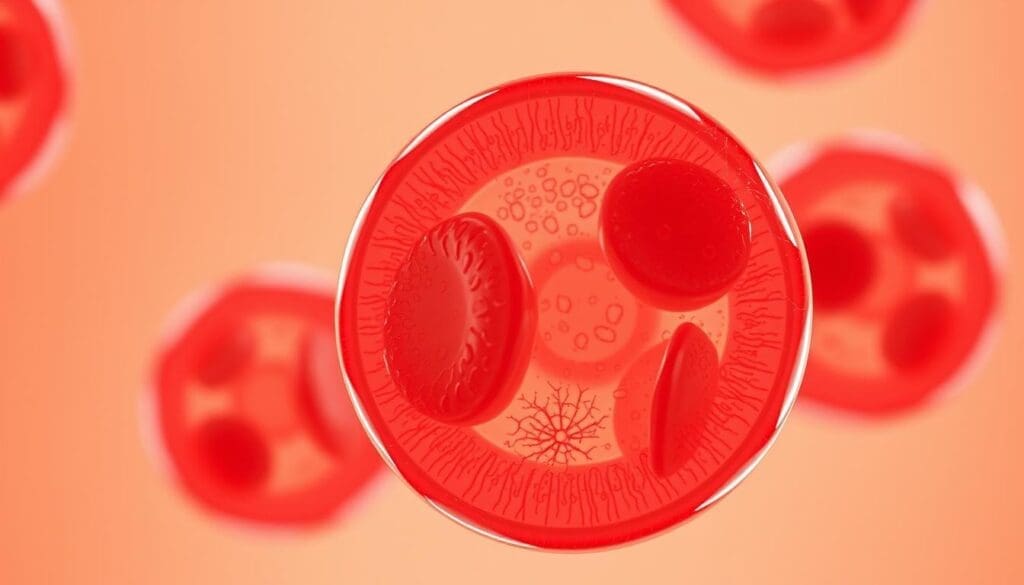
Erythrocytes, or red blood cells, are key to keeping our bodies balanced. They help carry oxygen to all parts of our body. This is their main job.
Structure and Components of Red Blood Cells
Red blood cells are made to do their job well. They have hemoglobin, a protein that picks up oxygen in the lungs. Then, it lets go of oxygen in the body’s tissues.
Their flexible membranes let them move through tiny capillaries. This ensures oxygen gets to every corner of our body.
Oxygen Transport and Cellular Respiration
The main task of erythrocytes is to carry oxygen from the lungs to our body’s tissues. This oxygen is used for cellular respiration. This process breaks down glucose to make energy for our cells.
The table below shows how oxygen transport and cellular respiration work together.
| Process | Description | Key Components |
| Oxygen Transport | Delivery of oxygen from lungs to tissues | Hemoglobin, Erythrocytes |
| Cellular Respiration | Breakdown of glucose to produce energy | Oxygen, Glucose, Mitochondria |
Understanding Abnormal Erythrocytes and Their Classification
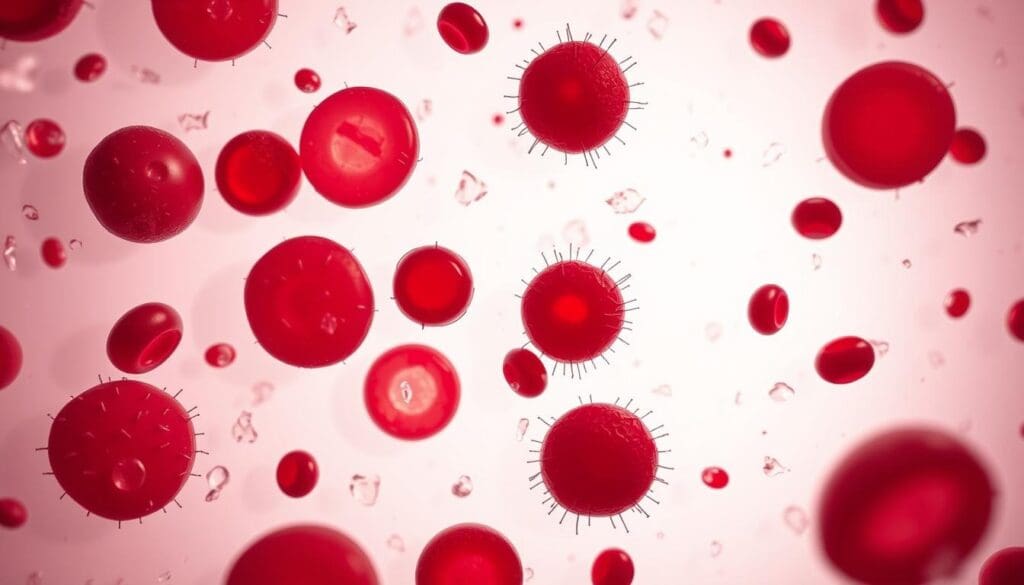
It’s key to know about the different kinds of oddities in erythrocytes to spot and treat red blood cell issues. These odd cells can have many irregularities that mess up their work.
Morphological vs. Functional Abnormalities
There are two main types of oddities in erythrocytes: morphological and functional. Morphological abnormalities mean changes in shape, size, or structure. For example, spherocytosis makes red blood cells round instead of disk-shaped. Anisocytosis is when red blood cells vary in size.
Functional abnormalities mess with how well erythrocytes carry oxygen. This can happen if the hemoglobin inside the cells changes or if the cell membrane gets altered, affecting oxygen transport.
Impact on Oxygen Delivery and Tissue Function
Both morphological and functional oddities in erythrocytes can really mess with oxygen delivery and how tissues work. For example, sickle cell anemia changes red blood cell shape and messes with oxygen transport.
| Abnormality Type | Effect on Erythrocytes | Impact on Oxygen Delivery |
| Morphological | Changes in shape or size | Reduced oxygen transport efficiency |
| Functional | Impaired hemoglobin function | Decreased oxygen delivery to tissues |
Grasping these oddities is vital for diagnosing and managing red blood cell disorders. It helps improve patient care.
Common Symptoms Associated with Red Blood Cell Disorders
Red blood cell disorders can cause many symptoms that affect daily life. These issues deal with how red blood cells are made, work, or last. They can lead to various health problems.
General Clinical Manifestations
Common symptoms include feeling tired, short of breath, and having pale skin. These happen because the blood can’t carry enough oxygen. People might also feel dizzy, have headaches, or feel cold in their hands and feet.
The table below summarizes the general clinical manifestations associated with red blood cell disorders:
| Symptom | Description |
| Fatigue | Feeling tired or weak |
| Shortness of breath | Difficulty breathing or feeling winded |
| Pale skin | Loss of skin color due to reduced red blood cells |
Severity Spectrum and Warning Signs
The severity of symptoms varies with each disorder. Some people might only have mild symptoms. Others could face more serious issues like jaundice, dark urine, or an enlarged spleen. It’s key to watch for these signs to get medical help quickly.
Severe symptoms may include: jaundice, dark urine, or an enlarged spleen. If you notice any of these, see a doctor right away for the right care.
Abnormality #1: Sickle Cell Anemia
Sickle cell anemia is a genetic disease that changes the shape of red blood cells. It’s caused by a mutation in the HBB gene. This mutation leads to the creation of abnormal hemoglobin, known as sickle hemoglobin or HbS.
Pathophysiology and Genetic Basis
The disease works by making red blood cells sickle shape under low oxygen. This shape causes them to break down early. It also leads to blood vessel blockages, causing tissue damage and pain.
The disease is inherited in an autosomal recessive pattern. This means a person needs two defective HBB genes, one from each parent, to have the disease.
Clinical Manifestations and Complications
Symptoms of sickle cell anemia include pain episodes, or crises. These happen when sickled red blood cells block blood vessels. Other issues can include acute chest syndrome, stroke, and splenic sequestration.
Patients often face chronic anemia and are more prone to infections. They also deal with systemic problems due to ongoing tissue damage.
Management Approaches and New Therapies
Managing sickle cell anemia involves several steps. These include managing pain during crises, staying hydrated, and preventing infections with vaccines and antibiotics. New treatments like hydroxyurea help reduce crisis frequency and other complications.
Researchers are also looking into gene therapy and other new drugs. These could potentially cure or greatly improve the disease.
Abnormality #2: Hereditary Spherocytosis
Hereditary spherocytosis is a unique red blood cell disorder. It causes red blood cells to be shaped like spheres instead of the usual disk shape. This is due to a problem with the cell membrane.
Membrane Defects and Structural Changes
This condition is caused by genetic mutations in proteins of the red blood cell membrane. These mutations cause the cells to lose surface area, leading to their spherical shape. The proteins most affected are spectrin, ankyrin, band 3, and protein 4.2.
The spherical shape makes these cells more likely to break down in the spleen. This leads to hemolytic anemia. The severity of the condition varies among individuals, depending on the genetic mutation and membrane dysfunction.
Diagnostic Criteria and Laboratory Findings
Diagnosing hereditary spherocytosis involves clinical findings, family history, and lab tests. Key lab findings include:
- Presence of spherocytes on the peripheral blood smear
- Positive osmotic fragility test
- Flow cytometry to detect membrane protein deficiencies
- Genetic testing to identify specific mutations
| Diagnostic Test | Typical Findings in Hereditary Spherocytosis |
| Peripheral Blood Smear | Spherocytes, reduced central pallor |
| Osmotic Fragility Test | Increased osmotic fragility |
| Flow Cytometry | Deficiency of membrane proteins (e.g., spectrin, ankyrin) |
Treatment Options and Long-term Outcomes
Treatment for hereditary spherocytosis depends on the severity. For severe cases, removing the spleen can help reduce red blood cell destruction. But, this surgery increases the risk of infections.
Other treatments include folate supplements to help make new red blood cells. Regular check-ups for complications like gallstones are also important. Most patients have a good long-term outcome, leading normal or near-normal lives with proper care.
Abnormality #3: Iron Deficiency Anemia
Iron deficiency anemia is a serious health issue. It happens when the body lacks enough iron to make enough hemoglobin. This leads to fewer and smaller red blood cells, making it hard for tissues to get enough oxygen.
Causes and Risk Factors
Iron deficiency anemia can be caused by not getting enough iron in your diet, losing blood too much, or needing more iron. Women who menstruate, pregnant people, and those with certain gut problems are at higher risk. Learn more about microcytic anemias in medical texts.
There are three main reasons for iron deficiency anemia. Not getting enough iron in your diet is one. Pregnant women and growing children need more iron. Losing iron, often due to bleeding, is another big factor.
Microcytic Changes and Laboratory Diagnosis
Iron deficiency anemia makes red blood cells smaller than usual. Doctors use a complete blood count (CBC) to diagnose it. The CBC shows low hemoglobin and hematocrit levels and a small mean corpuscular volume (MCV). The peripheral smear might show small and pale red blood cells.
Looking closely at red blood cell sizes and shapes helps doctors diagnose iron deficiency anemia. The CBC and peripheral smear are key tools for understanding the severity and type of anemia.
| Laboratory Parameter | Normal Value | Iron Deficiency Anemia |
| Hemoglobin (g/dL) | 13.5-17.5 | Decreased |
| MCV (fL) | 80-100 | Decreased |
| MCHC (g/dL) | 33-35 | Decreased |
Iron Supplementation and Dietary Management
Treating iron deficiency anemia includes taking iron supplements and changing your diet. Oral iron supplements help replace iron and fix anemia. Eating foods rich in iron, like red meat and beans, is important. Vitamin C helps your body absorb iron better, so eating foods high in vitamin C with iron-rich foods is good.
Checking how well treatment is working means getting regular blood tests. These tests show if hemoglobin levels and iron stores are getting better. Teaching patients about taking iron supplements and changing their diet is key to managing the condition well.
Abnormality #4: Vitamin-Deficiency Macrocytic Anemias
Not getting enough vitamin B12 or folate can cause macrocytic anemia. This is when red blood cells are bigger than they should be. These big cells can’t work right, causing health problems.
B12 and Folate Metabolism
Vitamin B12 and folate are key for making DNA in red blood cells. Without enough, red blood cells can’t be made right, leading to macrocytic anemia. These vitamins are important for making healthy red blood cells.
Morphological Changes in Macrocytic RBCs
Macrocytic anemia means red blood cells are too big. These cells have a bigger mean corpuscular volume (MCV). A complete blood count (CBC) test can show this. Looking at these cells can help find the cause of the anemia.
Diagnostic Workup and Treatment Approaches
To find vitamin-deficiency macrocytic anemia, tests like a CBC and checking vitamin levels are used. Treatment often means taking the missing vitamin, changing what you eat, and fixing the reason for the lack of vitamin.
| Vitamin Deficiency | Causes | Symptoms | Treatment |
| Vitamin B12 | Dietary deficiency, malabsorption | Fatigue, weakness, neurological changes | Vitamin B12 injections, dietary supplements |
| Folate | Dietary deficiency, increased demand | Fatigue, weakness, diarrhea | Folate supplements, dietary modifications |
Treatment outcomes depend on the cause and how bad the deficiency is. Quick diagnosis and treatment can really help patients.
Abnormality #5: Thalassemias
Thalassemias are genetic disorders that affect the production of globin chains. This leads to anemia and other health issues. They are passed down through genes and can greatly impact a person’s life.
Alpha and Beta Thalassemia Variants
Thalassemias are mainly split into alpha and beta types. Alpha thalassemia happens when there’s a problem with the genes for alpha-globin. Beta thalassemia is caused by issues with the genes for beta-globin. The symptoms can vary a lot, depending on how many genes are affected.
Clinical Spectrum and Severity Classification
Thalassemias can cause mild anemia to severe conditions. The severity is based on symptoms and the need for blood transfusions. Those with severe forms might need regular transfusions and other treatments.
Management Strategies and Blood Transfusion Protocols
Managing thalassemias includes blood transfusions, iron chelation therapy, and sometimes bone marrow transplants. Management strategies are customized based on the disease’s severity and the person’s needs. Keeping a close eye on treatment and making changes as needed is key to improving outcomes.
Abnormality #6: Hemolytic Anemias
Hemolytic anemias are disorders where red blood cells are destroyed early. This can happen due to many reasons. These include autoimmune diseases, infections, and genetic issues that affect red blood cells.
Autoimmune and Non-immune Mechanisms
Autoimmune hemolytic anemia happens when the body attacks its own red blood cells. This is because of antibodies made by the immune system. Non-immune causes include infections, certain drugs, or damage to red blood cells.
Autoimmune Hemolysis: Linked to diseases like systemic lupus erythematosus or rheumatoid arthritis.
Non-immune Hemolysis: Caused by infections like malaria, mechanical heart valves, or some drugs.
Laboratory Markers of Hemolysis
To diagnose hemolytic anemia, several tests are used. These tests show if red blood cells are breaking down. Important markers are high lactate dehydrogenase (LDH), indirect bilirubin, and reticulocyte count.
| Laboratory Marker | Significance |
| Lactate Dehydrogenase (LDH) | Elevated levels indicate red blood cell destruction |
| Indirect Bilirubin | Increased levels suggest hemolysis |
| Reticulocyte Count | Reflects the bone marrow’s response to anemia by producing more red blood cells |
Treatment Approaches Based on Etiology
Treatment for hemolytic anemia depends on the cause. For autoimmune cases, corticosteroids are often used first. For non-immune causes, treating the root problem is key. This might mean stopping a drug or treating an infection.
Corticosteroids: Used to reduce antibody production in autoimmune hemolytic anemia.
Supportive Care: Includes blood transfusions in severe cases to improve oxygen delivery to tissues.
Abnormality #7: Poikilocytosis and Shape Variations
Abnormally shaped red blood cells, known as poikilocytosis, are key signs of several blood disorders. These shape changes point to different health issues.
Types of Abnormal RBC Shapes
Red blood cells can take many abnormal shapes, like spherocytes, elliptocytes, and schistocytes. Each shape is linked to specific health problems. For example, spherocytes are often seen in hereditary spherocytosis. Schistocytes are common in microangiopathic hemolytic anemia.
Clinical Significance of Morphological Changes
These shape changes are important because they hint at underlying blood disorders. For instance, elliptocytes suggest hereditary elliptocytosis, a condition affecting red blood cell membranes. Spotting these changes is vital for correct diagnosis and treatment.
Underlying Conditions Associated with Shape Abnormalities
Many conditions lead to poikilocytosis, including genetic disorders like hereditary spherocytosis and elliptocytosis. Acquired conditions, such as microangiopathic hemolytic anemia and myelodysplastic syndromes, also cause it. Knowing the cause of poikilocytosis is key to managing it well.
In summary, poikilocytosis is a major sign of many blood disorders. Identifying the different abnormal red blood cell shapes and their meanings helps in diagnosing and treating these conditions.
Diagnostic Approaches for RBC Disorders
Diagnosing red blood cell disorders needs different diagnostic approaches. These methods help doctors find specific problems and plan treatments.
Complete Blood Count and Peripheral Smear Analysis
A complete blood count (CBC) is usually the first test. It shows how many and what quality red blood cells are in your blood. It looks at things like hemoglobin levels and red blood cell size.
A peripheral smear analysis lets doctors see how red blood cells look. They check for any odd shapes or sizes. This helps spot problems.
Advanced Testing Methods for Specific Abnormalities
Even with a CBC and smear analysis, more tests are sometimes needed. Advanced testing methods can find specific RBC disorders. For example, genetic tests can spot sickle cell anemia or thalassemia.
Other tests, like flow cytometry and osmotic fragility testing, help with conditions like hereditary spherocytosis.
A leading hematology expert says, “New diagnostic techniques have greatly helped us diagnose and treat red blood cell disorders.”
Conclusion: Advances in Understanding and Treating Red Blood Cell Disorders
Recently, we’ve made big strides in diagnosing and treating red blood cell disorders. This has greatly improved our understanding of these conditions. Now, we can pinpoint and treat problems like sickle cell anemia and thalassemias more accurately.
New treatments and strategies have changed how we manage red blood cell disorders. For example, better iron supplements and diets help those with iron deficiency anemia. Also, we now have more effective ways to treat diseases like hemolytic anemias.
These advances show how vital ongoing research and new ideas are. By learning more about red blood cell issues, doctors can give better care. This leads to a better life for those dealing with these health problems.
FAQ
What are abnormal erythrocytes?
Abnormal erythrocytes are red blood cells that don’t look or work like they should. They often show up in people with certain diseases or disorders.
What causes abnormal red blood cell morphology?
Many things can cause abnormal red blood cells. This includes genetic problems, not getting enough nutrients, or diseases that affect how red blood cells are made or destroyed.
What are the symptoms of red blood cell disorders in adults?
Adults with these disorders might feel very tired, weak, or pale. They might also have trouble breathing. In some cases, they might see yellow skin or eyes, which is a sign of a more serious problem.
How is sickle cell anemia diagnosed?
Doctors use special tests to find sickle cell anemia. These tests look for the abnormal hemoglobin S in the blood.
What is hereditary spherocytosis?
Hereditary spherocytosis is a genetic disorder. It makes red blood cells look like spheres and they break down too quickly.
How is iron deficiency anemia treated?
To treat iron deficiency anemia, doctors give iron supplements. They also suggest eating foods rich in iron and find out why the person is deficient in the first place.
What are the causes of macrocytic anemias?
Macrocytic anemias happen when you don’t have enough vitamin B12 or folate. These are important for making DNA and red blood cells.
What are thalassemias?
Thalassemias are genetic disorders that affect hemoglobin production. This leads to anemia and other problems because the body can’t make enough of the proteins in hemoglobin.
How are hemolytic anemias diagnosed?
Doctors use tests to see if red blood cells are breaking down too fast. They look for high levels of bilirubin and other markers of hemolysis. They also do tests to find out why it’s happening.
What is poikilocytosis?
Poikilocytosis is when red blood cells have weird shapes. It can be a sign of many conditions, including genetic and acquired diseases.
What diagnostic approaches are used for RBC disorders?
Doctors use a few ways to diagnose RBC disorders. They do a complete blood count, look at the blood under a microscope, and sometimes use genetic tests or other advanced methods.
Can abnormal erythrocytes be a sign of a serious underlying condition?
Yes, abnormal erythrocytes can mean there’s a serious problem. This could be a genetic disorder, a nutritional issue, or an acquired disease that needs medical help.
References
Jain, D., Bindra, M., & Manchiraju, N. (2025). Sickle Cell Anemia. StatPearls Publishing. Retrieved from https://www.ncbi.nlm.nih.gov/books/NBK482164/