Anterior cervical discectomy and fusion (ACDF) is a common surgery for cervical spine problems. At Liv Hospital, we know how important this life-changing surgery is for spinal health.
In the United States, ACDF is used in over 61 percent of cervical spine surgeries. This shows its big role in spinal care. We offer top-notch healthcare and support for patients from around the world.
We are dedicated to teaching our patients about anterior cervical discectomy & fusion. We want to make sure they get the best care possible.
Key Takeaways
- Understanding the significance of ACDF in managing degenerative cervical spine conditions.
- Overview of the ACDF procedure and its importance in spinal care.
- Insights into the prevalence of ACDF surgeries in the United States.
- The role of Liv Hospital in providing comprehensive care for international patients.
- The importance of patient education in ACDF treatment.
What Is ACDF Surgery? A Comprehensive Overview
The anterior cervical discectomy and fusion (ACDF) procedure helps relieve neck pain and improve function. We’ll dive into the details of this surgery, including its medical term and the importance of the front approach.
The Meaning Behind the ACDF Medical Abbreviation
The ‘ACDF’ stands for anterior cervical discectomy and fusion. This term breaks down the surgery’s main parts. The anterior part means the surgery is done from the front of the neck. The cervical part focuses on the neck area. Discectomy means removing a damaged disc, and fusion is about joining vertebrae together.
The Role of Anterior Cervical Spine Procedures
Procedures like ACDF are key in treating neck spine issues. They use the front approach to fix problems like degenerative disc disease and herniated discs. This way, they avoid harming the muscles and tissues around the spine.
Studies show ACDF is very effective. It brings a lot of pain relief and helps patients move better.
Key Fact #1: ACDF Is the Leading Cervical Spine Procedure in the US
ACDF is the top surgery for cervical spine problems in the US. It’s not just popular; it’s proven to work well.
Statistical Prevalence of ACDF Surgery
ACDF is used in over 61 percent of cervical spine surgeries in the US. This shows it’s a favorite among spine surgeons. It’s seen as a go-to treatment for many cervical spine issues.
The high success rate of ACDF surgery makes it widely used. It helps a lot with symptoms from degenerative disc disease and herniated discs.
Why Surgeons Prefer the Anterior Approach
Surgeons like the anterior approach in ACDF surgery. It’s good at treating many cervical spine problems with few complications. This method lets surgeons get to the disc easily without harming the spinal cord or nerves.
“The anterior approach provides a straightforward route to the cervical spine, enabling surgeons to perform discectomy and fusion with precision and minimal risk to surrounding neural structures.”
Because of its effectiveness, the anterior approach is the top choice for many cervical spine issues. This makes ACDF the leading cervical spine procedure.
Key Fact #2: Understanding Cervical Spine Anatomy and ACDF Target Levels
ACDF surgery focuses on specific parts of the cervical spine. Knowing the anatomy is key. The cervical spine has seven vertebrae, from C1 to C7. The spaces between these vertebrae are important for ACDF.
Common ACDF Locations: C4-C7 and C6-C7 Explained
The most common spots for ACDF surgery are C4-C5, C5-C6, and C6-C7. These areas often face degenerative changes. They also have symptoms that might need surgery.
Anatomical Considerations for Different Levels
Each cervical spine level has its own unique features. For example, C6-C7 is more likely to have disc herniation. This is because it’s very mobile and under a lot of stress.
Symptom Patterns Based on Affected Levels
Patients’ symptoms can change based on the level affected. For instance, problems at C6-C7 can cause arm and hand issues.
Single-Level vs. Multilevel ACDF Procedures
ACDF surgery can target one or more levels, depending on the disease’s spread. Single-level ACDF is for localized issues. Multilevel ACDF is for when many levels are affected.
- Single-Level ACDF: Less complex, with a quicker recovery.
- Multilevel ACDF: More complex, with a longer recovery but treats more issues at once.
It’s important for patients to understand the differences between single-level and multilevel ACDF. This helps them make better choices about their treatment.
Key Fact #3: Medical Conditions That Require ACDF Spine Fusion
ACDF spine fusion is a top choice for treating many cervical spine problems. It helps manage nerve pressure and spinal instability. These issues often stem from degenerative conditions or injuries.
Degenerative Disc Disease and Herniated Discs
Degenerative disc disease makes discs lose height and strength, causing pain and stiffness. ACDF surgery is great for fixing this by removing the bad disc and fusing the vertebrae.
Herniated discs bulge out and press on nerves, leading to neck and arm pain. ACDF spine fusion removes the bulging part of the disc. This relieves nerve pressure.
Cervical Stenosis, Radiculopathy, and Myelopathy
Cervical stenosis narrows the spinal canal, putting pressure on the spinal cord and nerves. This can cause nerve damage or spinal cord compression. Both can lead to serious neurological symptoms.
ACDF spine fusion helps by taking pressure off nerves or the spinal cord. It also stabilizes the spine. This can ease symptoms like pain, numbness, and weakness, improving life quality.
| Condition | Description | Treatment with ACDF |
|---|---|---|
| Degenerative Disc Disease | Loss of disc height and integrity | Removal of damaged disc and fusion |
| Herniated Discs | Disc material bulges out and compresses nerves | Removal of herniated disc portion |
| Cervical Stenosis | Narrowing of the spinal canal | Decompression of spinal cord and nerves |
Key Fact #4: The ACDF Surgical Procedure Step-by-Step
Exploring the ACDF operation, we must understand its parts. The process includes several important steps, from preparation to the actual surgery.
Pre-Operative Preparation
Before ACDF surgery, patients go through many steps. They have medical checks, imaging tests like MRI or CT scans, and talk with their team about risks and benefits.
The Anterior Cervical Discectomy Process
The anterior cervical discectomy is a key part of ACDF. It accesses the spine through the front of the neck.
Disc Removal Techniques
During discectomy, the damaged disc is removed. This relieves pressure on the spinal cord or nerves.
Decompression of Neural Structures
After removing the disc, the neural structures are freed. This helps to reduce compression from the herniated disc or other causes.
Fusion Methods and Hardware Used
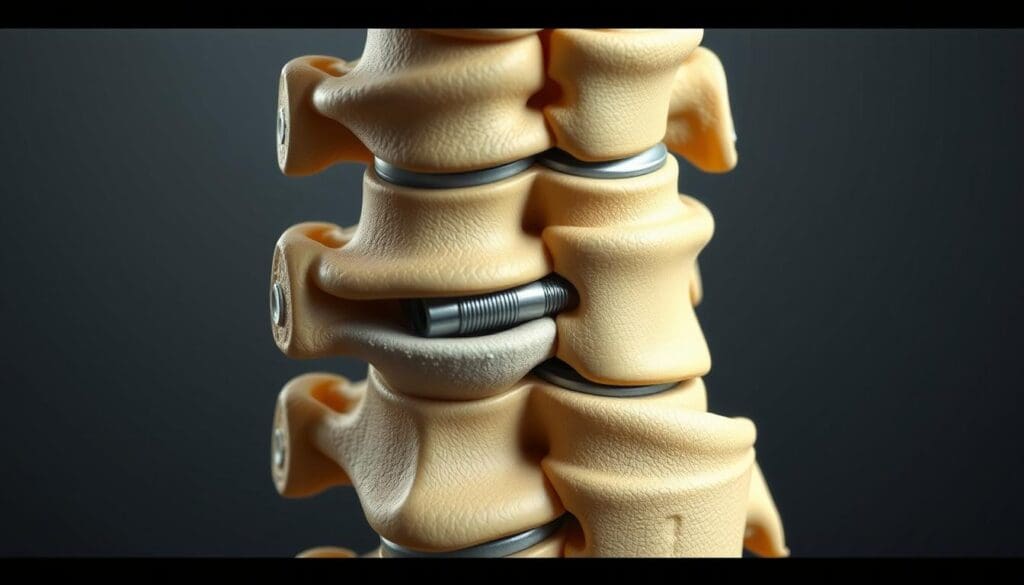
Next, the vertebrae are fused together. Bone grafts or substitutes and hardware are used for this.
Bone Grafts and Substitutes
Bone grafts can come from the patient or a donor. Synthetic substitutes are also used.
Plates, Screws, and Cages
Surgeons use plates, screws, and cages to stabilize the spine. These tools help keep the spine aligned and aid in fusion.
| Fusion Component | Description | Purpose |
|---|---|---|
| Bone Grafts | Autograft or allograft used for fusion | Facilitate bone growth between vertebrae |
| Plates and Screws | Metallic devices for spinal stabilization | Maintain spinal alignment during fusion |
| Cages | Devices filled with bone graft material | Support spinal structure and promote fusion |
Understanding these steps helps patients know what ACDF surgery involves. Breaking down the procedure shows the complexity and precision of anterior cervical discectomy and fusion surgery.
Key Fact #5: Success Rates and Benefits of ACDF Surgery
ACDF surgery is a highly effective procedure. It has helped many patients find lasting pain relief and better neurological function. This surgery tackles the main causes of neck pain and neurological problems. It greatly improves patients’ quality of life.
Pain Relief and Neurological Improvement Statistics
Research shows ACDF surgery brings big pain relief and neurological improvement to patients. Studies show most patients see a big drop in pain and better neurological function after surgery. For example, one study found over 90% of patients got significant pain relief. Another study found over 80% saw neurological function improvements.
Long-term Functional Outcomes and Quality of Life
The long-term benefits of ACDF surgery are also impressive. Many patients keep feeling pain relief and see better functional outcomes. The surgery not only fixes immediate symptoms but also leads to long-term quality of life improvements. Patients often say they can do their usual activities and enjoy a better life after recovery.
In summary, ACDF surgery is a very effective treatment for cervical spine disorders. It offers significant pain relief and neurological improvement. This makes ACDF fusion surgery a reliable way for patients to improve their health and well-being.
Key Fact #6: Anterior Cervical Discectomy & Fusion Risks
It’s important to know the risks of ACDF surgery before making a decision. ACDF is usually safe and works well, but it’s not without risks. Patients should be aware of these.
Common Short-term Complications
Right after ACDF surgery, some issues can pop up. These are watched closely by doctors to act fast if needed.
Dysphagia and Voice Changes
Some people have trouble swallowing after ACDF surgery. This is because of the way the surgery is done. Voice changes can happen too, but not as often. We work hard to reduce these risks.
Infection and Bleeding Risks
ACDF surgeries can lead to infection and bleeding, just like any surgery. We follow strict rules to prevent infection and keep an eye out for bleeding.
Long-term Concerns and Adjacent Segment Disease
After surgery, there are long-term worries, like adjacent segment disease. This happens when the spinal segments next to the fusion site get stressed and start to degenerate.
Pseudarthrosis and Hardware Failure
Pseudarthrosis, or when the bone doesn’t fuse, is a possible complication. Hardware failure, where the implanted devices don’t work right, is another worry for the long term.
Revision Surgery Rates
Some patients might need more surgery because of problems or new symptoms. Knowing this is part of understanding what to expect after ACDF surgery.
Key Fact #7: Recovery Timeline After ACDF Operation
Knowing how to recover after Anterior Cervical Discectomy and Fusion (ACDF) surgery is key. The time it takes to get better can differ for each person. But, there’s a general pattern most follow.
Hospital Stay and Immediate Post-Op Period
Most people go home the same day or the next day after surgery. Right after, it’s all about rest and doing less. Watching for any signs of problems is very important.
A study showed that ACDF patients usually stay in the hospital for less than a day. This shows how quick the start of recovery can be.
Weeks 1-6: Early Recovery Milestones
In the first six weeks, symptoms start to get better slowly. Managing pain is a big focus. Starting with gentle exercises and physical therapy helps with healing.
“The first six weeks are critical for setting the foundation for a successful recovery. Patients should follow their surgeon’s instructions closely to minimize the risk of complications.”
Months 2-12: Long-term Healing and Return to Activities
After the first six weeks, patients can start to get back to their usual activities. This includes going back to work and enjoying hobbies. It takes a few months to fully recover and for the fusion to happen.
| Recovery Stage | Timeline | Key Activities |
|---|---|---|
| Immediate Post-Op | 0-1 day | Rest, pain management |
| Early Recovery | 1-6 weeks | Gentle exercises, physical therapy |
| Long-term Healing | 2-12 months | Gradual return to activities, full fusion |
By knowing the recovery timeline, patients can prepare better. This makes the healing process smoother and more effective.
Alternatives to ACDF: When Other Treatments Might Be Considered
ACDF surgery is a common treatment for cervical spine issues. But not everyone needs surgery. We look at other treatments that might work for different patients.
Conservative Management Options
For some, trying non-surgical treatments first might be a good idea. This could include:
- Physical therapy to improve neck mobility and strength
- Medications like NSAIDs or muscle relaxants to ease pain
- Epidural steroid injections to reduce swelling
- Changes in daily habits, like better posture and ergonomic setup
Research shows that these methods can help some patients avoid surgery.
Alternative Surgical Approaches
For others, different surgeries might be better than traditional ACDF. Options include:
- Posterior cervical foraminotomy for specific nerve issues
- Artificial disc replacement instead of fusion
- Minimally invasive surgeries to speed up recovery
We carefully consider each patient’s situation. We look at both surgical and non-surgical options to find the best fit.
Preparing for Your ACDF Procedure: Patient Guidelines
Getting ready for your ACDF surgery is key to a smooth process. We’re here to help you through every step. We want to make sure your experience is as comfortable as possible.
Pre-surgical Consultations and Testing
You’ll have many pre-surgery meetings and tests before your ACDF. These are very important. They let your healthcare team check your health and talk about your surgery. You might have blood tests, imaging, or other tests to make sure the surgery fits you best.
Home Preparation and Support System Planning
Preparing your home and support system is also vital. Make sure someone can drive you home after surgery. Have a caregiver ready to help you when you get back. Stock up on pain meds, ice packs, and comfy pillows. Planning ahead helps reduce stress and makes recovery easier.
Conclusion: Making Informed Decisions About Cervical Spine Treatment
Understanding ACDF surgery is key to making smart choices about your care. Studies show that knowing about your treatment is vital. We believe that giving patients the facts helps them get the best results.
ACDF surgery is a top choice for many cervical spine issues. It offers great benefits like pain relief and better nerve function. Knowing about ACDF surgery helps patients choose the right treatment for them.
We urge patients to talk openly with their doctors about ACDF surgery. Discussing its benefits and risks, and other options, is important. This way, patients can actively participate in their treatment. They can make choices that improve their health and life quality.
References
- PubMed/NCBI : https://www.ncbi.nlm.nih.gov/pubmed/40194696
- PubMed/NCBI : https://www.ncbi.nlm.nih.gov/pubmed/40047144
- Journal of Spine Surgery (JSS) : https://jss.amegroups.org/article/view/4202/html
What does ACDF stand for in medical terms?
ACDF stands for Anterior Cervical Discectomy and Fusion. It’s a surgery for degenerative cervical spine issues.
What is the anterior cervical approach in ACDF surgery?
The anterior cervical approach is through the front of the neck. It lets surgeons remove damaged discs and fuse vertebrae.
Why is ACDF considered the leading cervical spine procedure in the US?
ACDF is top because it works well for many cervical spine problems. This includes degenerative disc disease and herniated discs.
What are the common levels targeted in ACDF procedures?
Levels C4-C7 and C6-C7 are often treated. These areas often have degenerative changes and disc herniations.
What is the difference between single-level and multilevel ACDF surgeries?
Single-level ACDF treats one cervical spine level. Multilevel ACDF treats more levels, which is more complex and takes longer to recover.
What medical conditions necessitate ACDF spine fusion?
Conditions like degenerative disc disease and herniated discs may need ACDF spine fusion. This helps alleviate symptoms and stabilize the spine.
What is the success rate of ACDF surgery?
ACDF surgery often leads to significant pain relief and neurological improvement. Studies show it’s very effective.
What are the possible risks and complications of ACDF surgery?
Risks include infection, nerve damage, and adjacent segment disease. Your surgeon will discuss these with you.
How long does it take to recover from ACDF surgery?
Recovery involves a hospital stay and several weeks to months of healing. Most people get back to normal in a few months.
Are there alternatives to ACDF surgery?
Yes, there are. Options include physical therapy and pain management. Your healthcare provider can discuss other surgical approaches too.
How can I prepare for my ACDF procedure?
Preparation includes pre-surgical consultations and testing. Also, prepare your home and plan for support to ensure a smooth recovery.
What is the role of fusion in ACDF surgery?
Fusion joins vertebrae together using bone grafts and hardware. It stabilizes the spine and promotes healing.
What are the benefits of choosing an experienced surgeon for ACDF surgery?
An experienced surgeon can greatly improve your procedure’s success. They have the skills to handle any challenges that come up.