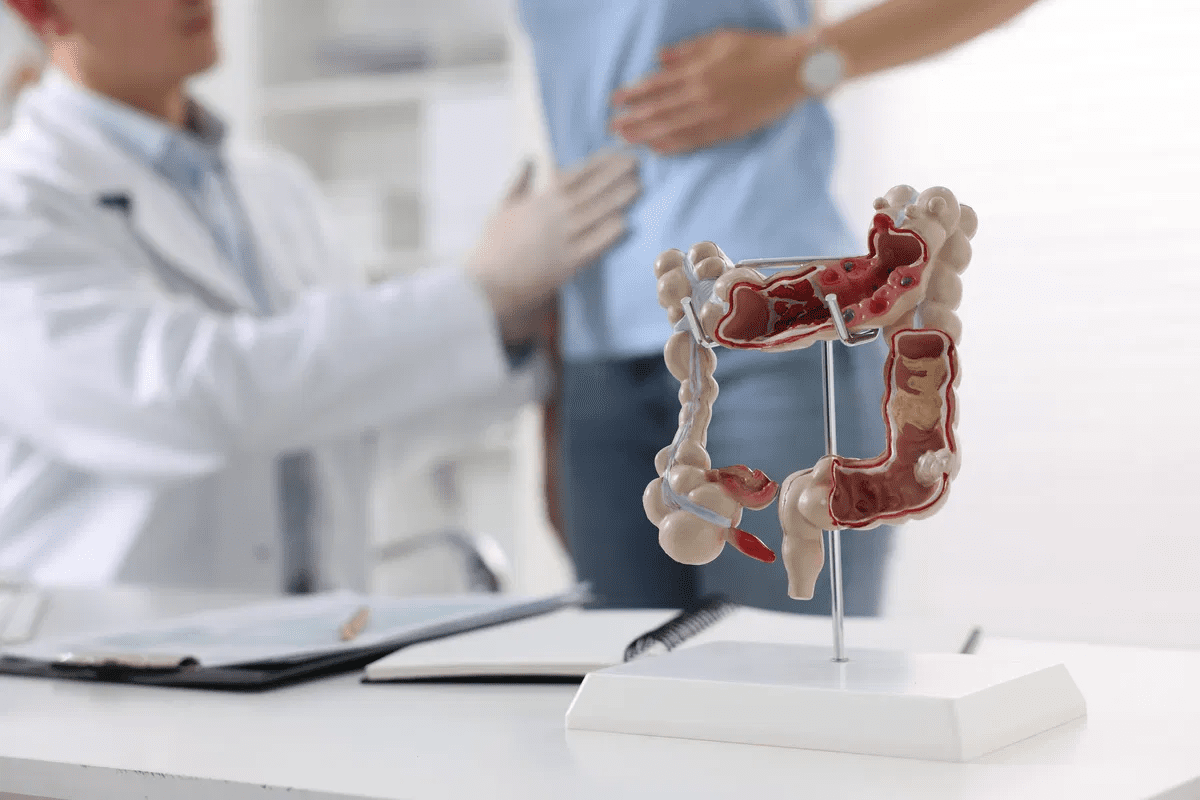
Acute abdominal pain is a common reason for emergency visits. It makes up 7-10 percent of all visits to emergency departments. At Liv Hospital, we know how important it is to quickly find and treat this issue.
Severe abdominal symptoms that come on fast can be very serious. They might need surgery right away. Our team uses top international standards and works together to give quick, caring care.
Key Takeaways
- Acute abdominal pain is a leading cause of emergency department visits.
- Prompt diagnosis is key to spotting serious problems.
- Liv Hospital follows international standards for diagnosis and treatment.
- Multidisciplinary expertise ensures complete patient care.
- Quick surgery can save lives.
Understanding Acute Abdominal Pain and Surgical Abdomen

Acute abdominal pain is a serious medical issue that needs quick attention. It’s characterized by sharp pain in the belly that comes on fast, usually in less than 5 days.
Definition and Prevalence
The acute abdomen definition is pain that starts suddenly and lasts up to 5 days. It’s a big reason people go to emergency rooms.
Studies show that how common acute abdominal pain is can vary a lot. For example, a study in the Journal of Emergency Medicine found it’s about 10% of all emergency visits.
Condition | Prevalence | Common Causes |
Acute Abdominal Pain | 5-10% of ED visits | Appendicitis, Cholecystitis, Intestinal Obstruction |
Surgical Abdomen | Subset of Acute Abdominal Pain | Appendicitis, Perforated Ulcer, Mesenteric Ischemia |
Distinguishing Surgical from Non-Surgical Causes
It’s important to tell if the pain needs surgery or not. Surgical problems need quick action to avoid serious issues.
A surgical expert said,
“The key to managing acute abdominal pain lies in identifying patients who require surgical intervention promptly.”
- Surgical causes include conditions like appendicitis and perforated ulcers.
- Non-surgical causes may include gastroenteritis or urinary tract infections.
Warning Signs Requiring Immediate Attention
Some signs mean you need to see a doctor right away. These include:
- Severe abdominal pain that gets worse over time.
- Signs of peritonitis, such as guarding or rebound tenderness.
- Vomiting blood or passing black tarry stools.
When checking for acute abdominal pain, doctors first ask about the pain. They want to know where it is, if it moves, when it started, how bad it is, and what makes it better or worse.
Knowing about acute abdominal pain helps doctors decide if surgery is needed.
Epidemiology and Classification of Acute Abdominal Pain

It’s key to know about acute abdominal pain’s epidemiology and classification for good care. This pain is a big reason people go to emergency rooms. It has many possible causes, so doctors need a clear plan to figure it out.
Statistical Overview
Acute abdominal pain is a big deal in emergency rooms, making up 7% to 10% of visits. This means 5 to 10 million people see doctors for it every year in the U.S. The top reasons are nonspecific pain and kidney stones. These can be tricky to tell apart from more serious problems that need surgery right away.
Epidemiological data show age and gender affect who gets acute abdominal pain. This changes what doctors might think and how well people do.
Age and Gender Distribution
Age and gender really matter when it comes to acute abdominal pain. For example, appendicitis hits younger people, while diverticulitis is more common in older folks. Women of childbearing age are the only ones who can get ectopic pregnancy.
Knowing this helps doctors guess what might be wrong and what tests to run first.
Special Considerations in Elderly Patients
Older patients are a special case when it comes to acute abdominal pain. They often have other health issues, might be taking medicines that hide symptoms, and can’t always say what hurts.
Special considerations for them include a higher risk of serious problems like mesenteric ischemia or abdominal aortic aneurysm. These need quick action to treat.
By grasping the epidemiology and classification of acute abdominal pain, doctors can do better at diagnosing and treating it. This leads to better care for patients.
Diagnostic Approach to Acute Abdominal Pain
Finding the cause of sudden belly pain is key. First, we need to tell if it’s an emergency or not. This helps decide if surgery is needed right away or if we can start with other treatments.
History and Physical Examination
Taking a close look at your history and doing a physical check are vital. We ask about your pain’s start, how long it lasts, and what it feels like. We also ask about other symptoms like nausea or changes in bowel movements.
During the physical check, we look for signs of serious problems. This includes guarding, rebound tenderness, or a mass. We also check for fever or fast heart rate, which can tell us more about what’s going on.
Laboratory Tests
Laboratory tests are important in figuring out the cause of belly pain. We start with a blood test, electrolyte levels, liver and pancreatic enzymes. These tests show if there’s infection, inflammation, or organ damage.
We also do a urinalysis to check for urinary tract problems. Depending on your symptoms, we might do blood cultures or check for tumor markers.
Imaging Studies
Imaging studies are key in finding the cause of belly pain. The type of imaging we choose depends on your symptoms and what we think might be wrong. X-rays can show if there’s a blockage or if something has burst.
Ultrasound helps us see the gallbladder and bile ducts. It can also spot free fluid or other problems inside the belly. CT scans give us detailed pictures of the belly and are great for finding many different problems, like appendicitis or a burst blood vessel.
Cause #1: Acute Appendicitis
Acute appendicitis is the top reason for needing surgery for a sudden belly pain. We’ll look into this condition to help you understand it better.
Pathophysiology
Appendicitis starts when something blocks the appendix. This blockage can be caused by many things, like a hard piece of stool or too many immune cells. This blockage makes the appendix swell, get less blood, and fill with bacteria. This can lead to inflammation and even a hole in the appendix.
Clinical Presentation
The pain from appendicitis starts in the middle of the belly and moves to the lower right. You might also feel sick to your stomach, throw up, not want to eat, and have a fever. The symptoms can be different for kids, older people, and those who are pregnant.
Diagnostic Approach
To figure out if you have appendicitis, doctors use a few methods. They look at your symptoms, do blood tests, and use imaging like X-rays or CT scans. The Alvarado score helps doctors guess if you have appendicitis based on your symptoms and test results.
Diagnostic Criteria | Score |
Symptoms: Migratory RIF pain, Nausea/Vomiting, Anorexia | 1 each |
Signs: Tenderness in RIF, Rebound tenderness, Elevated temperature | 1 each |
Laboratory: Leukocytosis, Shift to left | 1 each |
Surgical Management
The best way to treat appendicitis is with an appendectomy. This can be done with an open surgery or a laparoscopic one. Laparoscopic surgery is more popular because it hurts less and you recover faster.
It’s very important to get surgery quickly. This helps avoid serious problems like a hole in the appendix and infection in the belly.
Cause #2: Cholecystitis and Biliary Colic
Cholecystitis and biliary colic are serious causes of sudden stomach pain. They need quick diagnosis and treatment. These issues are linked to the gallbladder and biliary system. Quick action is key to avoid serious problems.
Pathophysiology
Cholecystitis happens when a gallstone blocks the cystic duct. This causes the gallbladder to get inflamed. Biliary colic, on the other hand, is when a gallstone blocks the ducts temporarily. It causes pain but doesn’t always lead to inflammation.
The pathophysiology of cholecystitis involves several key factors:
- Obstruction of the cystic duct by a gallstone
- Infection of the gallbladder
- Inflammation and potentially gangrene or perforation
Clinical Presentation
Cholecystitis shows up with severe pain in the right upper quadrant or belly. This pain can last more than 4 to 6 hours. It might also spread to the right shoulder or back. People might feel sick, throw up, and have a fever.
Biliary colic, on the other hand, has intermittent pain that doesn’t last as long.
The clinical presentation can include:
- Severe abdominal pain
- Nausea and vomiting
- Fever and chills
Diagnostic Approach
Diagnosing cholecystitis and biliary colic needs a mix of clinical checks, lab tests, and imaging. Ultrasound is the first choice because it can spot gallstones and inflammation.
The diagnostic approach includes:
- Clinical history and physical examination
- Laboratory tests (e.g., liver function tests, complete blood count)
- Imaging studies (e.g., ultrasound, CT scan)
Surgical Management
Cholecystitis often needs surgery to remove the gallbladder. Early surgery is best to avoid complications. For biliary colic, surgery might be needed if symptoms keep coming back.
The surgical management options include:
- Laparoscopic cholecystectomy
- Open cholecystectomy in complex cases
In conclusion, cholecystitis and biliary colic are serious causes of sudden stomach pain. They need quick diagnosis and treatment. Knowing how they work, what symptoms they cause, and how to manage them is key for doctors to give the best care.
Cause #3: Intestinal Obstruction
Intestinal obstruction is a major cause of sudden abdominal pain. It happens when something blocks the intestine. This can lead to serious problems if not treated quickly.
Pathophysiology
Intestinal obstruction happens when something blocks the intestine. This can be due to physical things like adhesions or tumors, or because of functional issues like ileus.
The blockage causes gas and fluid to build up before it. This makes the intestine swell. If not treated, it can cut off blood flow and cause damage.
Clinical Presentation
People with intestinal obstruction often have severe stomach pain. They also can’t pass stools or gas, and feel very sick. The symptoms can vary based on where and how bad the blockage is.
Those with high obstructions might vomit more. Those with lower obstructions might have more swelling in their belly.
Diagnostic Approach
Doctors use several ways to diagnose intestinal obstruction. They start with a detailed history and physical exam. They look for signs like tenderness and swelling.
Imaging tests like X-rays and CT scans are key. They help confirm the blockage and find out what’s causing it.
Diagnostic Tool | Findings in Intestinal Obstruction |
Abdominal X-ray | Shows dilated loops of intestine and air-fluid levels |
CT Scan | Provides detailed information on the level and cause of obstruction |
Laboratory Tests | May show signs of dehydration, electrolyte imbalance, and leukocytosis |
Surgical Management
Most cases of intestinal obstruction need surgery. This is true for mechanical obstructions or when there are signs of serious problems like ischemia or perforation.
Surgery might involve removing adhesions or the blocked part of the intestine. The goal is to fix the blockage and get the intestine working right again.
In summary, intestinal obstruction is a serious issue. It needs quick diagnosis and treatment to avoid serious problems and improve outcomes.
Cause #4: Diverticulitis
Diverticulitis is a common problem in the gut that causes sharp pain in the belly. It happens when small pouches in the colon get inflamed. This issue is a big problem, mainly for older people.
Pathophysiology
Diverticulitis is when these small pouches in the colon get inflamed, often in the sigmoid colon. This can lead to serious issues like abscesses, holes in the colon, and infection in the belly. Many things can cause diverticulitis, like not eating enough fiber, high pressure in the colon, and changes in how the gut moves.
Key factors contributing to diverticulitis:
- Low dietary fiber intake
- Increased intral colonic pressure
- Altered gut motility
- Obesity
- Physical inactivity
Clinical Presentation
People with diverticulitis often feel pain in the left lower part of their belly. They might also have a hard belly, feel pain when they press on it, and have fever. The pain can be mild or very bad.
Clinical features to watch for:
- Left lower quadrant abdominal pain
- Fever
- Nausea and vomiting
- Changes in bowel habits
- Localized tenderness and guarding
Diagnostic Approach
Doctors use a few ways to figure out if someone has diverticulitis. They look at the person’s history and do a physical check to see if they have the usual signs.
They also use imaging like CT scans to make sure it’s diverticulitis and how bad it is. CT scans can spot problems like abscesses or holes in the colon.
Diagnostic Tool | Role in Diagnosing Diverticulitis |
Clinical Evaluation | Initial assessment to identify signs and symptoms |
Laboratory Tests | To assess for signs of infection or inflammation |
CT Scan | To confirm diagnosis and assess severity |
Surgical Management
How doctors treat diverticulitis depends on how bad it is. For mild cases, they might just use antibiotics and rest the bowel. But for severe cases or when there are complications, surgery is needed.
Surgery can be:
- Emergency surgery for complicated diverticulitis (e.g., perforation, abscess)
- Elective surgery for recurrent or severe diverticulitis
Surgical goals: To stop the infection, handle complications, and prevent it from coming back.
Causes #5-6: Perforated Peptic Ulcer and Mesenteric Ischemia
Two serious causes of sudden abdominal pain are perforated peptic ulcer and mesenteric ischemia. These are life-threatening and need quick diagnosis and treatment to avoid serious issues.
Perforated Peptic Ulcer
A perforated peptic ulcer is a serious issue where an ulcer in the stomach or duodenum breaks through. This leads to peritonitis. Symptoms include sudden, severe, and sharp abdominal pain that can feel like burning.
The pain often spreads to the back or shoulders. It’s usually accompanied by tenderness and guarding in the abdomen.
To diagnose a perforated peptic ulcer, doctors use a mix of clinical evaluation, lab tests, and imaging. Clinical assessment is key, as the patient’s history and physical exam often point to the diagnosis. Lab tests may show high white blood cell counts and signs of inflammation. Imaging, like abdominal X-ray or CT scan, can confirm the presence of free air under the diaphragm, showing perforation.
Treatment for perforated peptic ulcer often involves surgery to fix the perforation and address any underlying issues. Sometimes, antibiotics and supportive care are used, but surgery is usually the best option.
Mesenteric Ischemia
Mesenteric ischemia happens when blood flow to the intestines is reduced or stopped, causing tissue damage. Symptoms include severe, widespread abdominal pain that doesn’t match the physical exam. Patients might also have nausea, vomiting, and diarrhea.
Diagnosing mesenteric ischemia needs a strong suspicion, mainly in older adults or those with risk factors like atrial fibrillation or atherosclerosis. Imaging studies, like CT angiography, are key to confirming the diagnosis by showing blockages or narrowing of the mesenteric vessels.
Managing mesenteric ischemia involves getting blood flow back to the intestines. This can be done through endovascular techniques, such as angioplasty and stenting, or surgical revascularization. If there’s bowel necrosis, surgery to remove the affected part might be needed.
Both perforated peptic ulcer and mesenteric ischemia are emergencies that need quick action. We stress the importance of fast and accurate diagnosis to save lives.
Cause #7: Abdominal Aortic Aneurysm
Abdominal aortic aneurysm is a serious condition that needs quick medical help. It causes sharp pain in the abdomen. This happens when the aorta in the belly gets too big and might burst.
Pathophysiology
The cause of abdominal aortic aneurysm is complex. It involves genetics, environment, and inflammation. Inflammation and damage to the aortic wall play big roles in its growth.
Clinical Presentation
People with this condition often feel sudden, severe pain in their belly or back. The pain feels like it’s tearing or ripping. It might spread to the back or groin. Hypotension and tachycardia can happen if there’s bleeding.
“The classic triad of abdominal pain, hypotension, and pulsatile abdominal mass is highly suggestive of a ruptured abdominal aortic aneurysm.”
Diagnostic Approach
To diagnose abdominal aortic aneurysm, doctors use imaging. Ultrasound is the first choice for checking and diagnosing. CT angiography is very accurate for planning surgery.
Diagnostic Modality | Sensitivity | Specificity |
Ultrasound | High | High |
CT Angiography | Very High | Very High |
Surgical Management
Surgery for abdominal aortic aneurysm can be open repair or EVAR. EVAR is less invasive and often preferred for those with health issues.
Quick diagnosis and treatment are key. They help prevent rupture and improve patient outcomes.
Conclusion
It’s key for doctors to know about acute abdominal pain’s causes and how to manage it. Finding out what’s causing the pain is complex. It involves many conditions that need quick diagnosis and treatment.
We talked about the main reasons for acute abdominal pain. These include appendicitis, cholecystitis, and intestinal obstruction. Also, diverticulitis, perforated peptic ulcer, mesenteric ischemia, and abdominal aortic aneurysm. Each has its own cause, symptoms, and treatment plan.
To figure out the cause of acute abdominal pain, doctors need to take a detailed history and do a physical exam. They also use tests to find the root of the problem. Quick action is vital to avoid serious issues and help patients get better. Knowing what an acute abdomen is and its causes helps doctors provide the right care fast.
FAQ
What is acute abdominal pain?
Acute abdominal pain is a sudden and severe pain in the abdomen. It needs quick medical help. It can come from many causes, both surgical and non-surgical.
What is a surgical abdomen?
A surgical abdomen is a condition that needs surgery to fix the pain’s cause.
What are the common causes of acute abdominal pain?
Common causes include acute appendicitis, cholecystitis, and biliary colic. Also, intestinal obstruction, diverticulitis, and perforated peptic ulcer. Mesenteric ischemia and abdominal aortic aneurysm are also causes.
How is acute abdominal pain diagnosed?
Doctors use history, physical exam, lab tests, and imaging studies to diagnose it.
What is the importance of prompt diagnosis and management of acute abdominal pain?
Quick diagnosis and treatment are key. They prevent complications and improve outcomes.
What are the warning signs that require immediate medical attention?
Severe pain, vomiting, fever, and tenderness are warning signs. So is guarding.
How is acute appendicitis managed?
It’s treated with surgery, usually an appendectomy.
What is the difference between cholecystitis and biliary colic?
Cholecystitis is inflammation of the gallbladder. Biliary colic is pain from gallstones that comes and goes.
How is intestinal obstruction managed?
It’s treated with surgery and non-surgical methods. This includes bowel rest and fluid resuscitation.
What is the significance of abdominal aortic aneurysm?
It’s a serious condition that can be life-threatening. Quick diagnosis and treatment are vital to prevent rupture.
What is the role of imaging studies in diagnosing acute abdominal pain?
Imaging like CT scans and ultrasound are key. They help find the cause of the pain.
How does age and gender distribution affect the diagnosis of acute abdominal pain?
Age and gender can influence diagnosis. Some conditions are more common in certain groups.
References
National Center for Biotechnology Information. Acute Abdominal Pain: Etiology and Emergency Department Management. Retrieved from https://www.ncbi.nlm.nih.gov/books/NBK459328/



 Departments
 Related Videos
 Our Doctors
 News
News