

The gallbladder plays a key role in our digestive system. It stores bile, a fluid made by the liver. Inflammation of the gallbladder, or cholecystitis, is a painful and serious issue.What is acute cholecystitis? Discover 7 shocking causes and dangers, and learn if the gallbladder can get inflamed without gallstones.
Acute cholecystitis is usually linked to gallstones blocking the cystic duct. But, it can also happen without gallstones, mainly in very sick patients. This condition needs quick medical care to avoid worse problems.
Liv Hospital offers trusted, patient-focused care for complex issues like cholecystitis. Knowing the causes, signs, and treatment choices is key for managing it well.
Key Takeaways
- Gallbladder inflammation can occur with or without gallstones.
- Acute cholecystitis requires prompt medical attention.
- Critically ill patients are at risk of developing acalculous cholecystitis.
- Liv Hospital offers specialized care for gallbladder conditions.
- Understanding the causes and symptoms is vital for effective management.
Understanding Gallbladder Anatomy and Function

The gallbladder is a small organ under the liver. It plays a key role in digestion by storing and concentrating bile. Knowing how it works is important for understanding digestion.
The Role of the Gallbladder in Digestion
The gallbladder stores bile made by the liver. Bile helps digest fats and vitamins. When food reaches the small intestine, the gallbladder releases bile.
Bile salts break down fats into smaller pieces. This makes it easier for enzymes to digest them. It’s key for absorbing fats and vitamins A, D, E, and K.
Normal Bile Production and Flow
The liver makes about one liter of bile daily. This bile flows into the bile ducts. The gallbladder stores it until needed in the small intestine.
The flow of bile is controlled by the sphincter of Oddi. When relaxed, bile flows into the intestine.
Relationship Between the Gallbladder and Surrounding Organs
The gallbladder is linked to the liver, pancreas, and small intestine. The liver makes bile, stored in the gallbladder. The pancreas adds digestive enzymes to bile for fat and protein digestion.
| Organ | Function | Relation to Gallbladder |
| Liver | Produces bile | Bile is stored in the gallbladder |
| Pancreas | Produces digestive enzymes | Works with bile in digestion |
| Small Intestine | Site of nutrient absorption | Bile from gallbladder aids in absorption |
Knowing the gallbladder’s anatomy and function is key. It helps us understand its role in digestion. Its problems can lead to conditions like acute cholecystitis.
Acute Cholecystitis: Definition and Pathophysiology
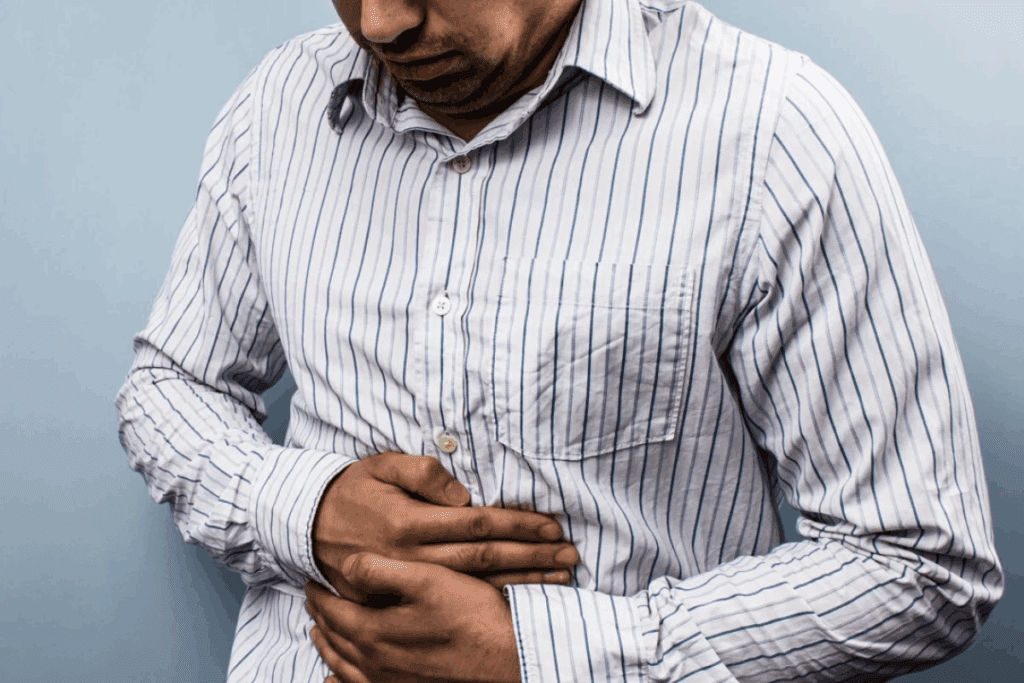
Acute cholecystitis is a serious condition that affects the gallbladder. It happens when the gallbladder gets inflamed, often because of a blockage in the cystic duct.
What Defines Acute Cholecystitis
Acute cholecystitis is defined by its sudden onset. It’s usually caused by gallstones. This condition can lead to severe problems if not treated quickly.
- Obstruction of the cystic duct by gallstones
- Infection of the gallbladder
- Increased pressure within the gallbladder
- Potential for gangrene or perforation
Acute vs. Chronic Gallbladder Inflammation
It’s important to know the difference between acute and chronic cholecystitis. Acute cholecystitis is sudden inflammation. Chronic cholecystitis is ongoing or recurring inflammation.
| Characteristics | Acute Cholecystitis | Chronic Cholecystitis |
| Onset | Sudden | Recurring or persistent |
| Inflammation | Severe, potentially gangrenous | Mild to moderate, often fibrotic |
| Causes | Often gallstones | Gallstones, bile duct issues |
Prevalence and Demographics
Acute cholecystitis is a big health problem. It affects many people, mainly those with gallstones. It gets more common with age and affects certain groups more.
It’s more common in women and people over 40. Knowing this helps doctors diagnose and treat it better.
Calculous Cholecystitis: When Gallstones Cause Inflammation
Gallstones are a main cause of acute cholecystitis, known as calculous cholecystitis. This happens when gallstones block the cystic duct. This blockage causes the gallbladder to become inflamed. Knowing how gallstones form and affect the cystic duct is key to diagnosing and treating this condition.
Formation and Types of Acute Gallstones
Gallstones are solid particles in the gallbladder, mostly made of cholesterol or bilirubin. Cholesterol gallstones are the most common, linked to supersaturated bile. Pigment stones are smaller and darker, made from bilirubin. The formation of gallstones is influenced by bile composition, gallbladder motility, and genetics.
How Gallstones Block the Cystic Duct
The cystic duct connects the gallbladder to the common bile duct. It allows bile to flow out. When a gallstone blocks this duct, it stops bile from draining, causing bile stasis. This can make the gallbladder swell and become inflamed. The blockage can be temporary or last long, depending on the gallstone’s size and number.
Mechanism of Gallstone-Induced Inflammation
When gallstones block the cystic duct, it leads to inflammation. Bile stasis makes the gallbladder swell, increasing pressure and ischemia. This environment allows bacteria to grow, leading to acute cholecystitis. The inflammation can cause severe pain and serious complications if not treated quickly.
Risk Factors for Developing Gallstones
Several factors increase the risk of gallstones:
- Obesity: Raises cholesterol production, increasing cholesterol gallstone risk.
- Family History: Genetic predisposition plays a big role.
- Age: Risk grows with age, after 40.
- Gender: Women are more likely to get gallstones than men.
- Diet: A diet high in fat and low in fiber increases risk.
Knowing these risk factors can help prevent and detect gallstones early. This reduces the chance of developing calculous cholecystitis.
Why Does the Gallbladder Get Inflamed Without Stones?
Acalculous cholecystitis is a serious condition where the gallbladder gets inflamed without stones. It often happens in people who are very sick or have certain medical issues. These issues can cause bile to stop moving, lead to infection, or reduce blood flow to the gallbladder.
Acalculous Cholecystitis: Overview and Incidence
Acalculous cholecystitis is a big part of cholecystitis cases, mainly in the hospital and among very sick patients. Studies show it affects about 5-10% of patients in intensive care units. It’s more common in men and older adults.
“Acalculous cholecystitis is a serious and potentially life-threatening condition that requires prompt diagnosis and treatment,” a leading medical expert said in a recent
study on the condition’s pathophysiology and clinical management
Primary Causes of Inflammation Without Stones
The reasons for acalculous cholecystitis are complex. They include:
- Bile stasis from fasting, total parenteral nutrition, or other factors that slow down gallbladder contraction.
- Infection, which can be bacterial, viral, or fungal, and is more common in those with weakened immune systems.
- Reduced blood flow to the gallbladder, often seen in shock, sepsis, or after major surgery.
High-Risk Populations for Acalculous Cholecystitis
Some groups are more likely to get acalculous cholecystitis. These include:
- Critically ill patients, specially those in intensive care units.
- Patients who have had major surgery or trauma.
- Individuals with sepsis or shock.
- Patients on total parenteral nutrition.
It’s important to spot and treat acalculous cholecystitis early in these groups to avoid serious problems.
Recognizing the Symptoms of an Acutely Inflamed Gallbladder
It’s important to know the signs of an inflamed gallbladder to get the right treatment. Acute cholecystitis shows clear warning signs. These signs can affect your daily life a lot.
Common Symptoms and Warning Signs
An inflamed gallbladder can cause severe pain in the right upper abdomen, fever, nausea, and vomiting. These symptoms can be very intense and get worse if not treated.
- Severe Abdominal Pain: This pain is often the first sign and can spread to the right shoulder or back.
- Fever: A high body temperature means there’s an infection or inflammation.
- Nausea and Vomiting: These happen because your body is reacting to the inflammation.
Gallbladder Pain When Breathing
Pain that gets worse with deep breathing is a big sign of gallbladder problems. This pain happens when the inflammation irritates nearby tissues and nerves.
It’s important to remember that deep breathing can make the pain worse. But the main pain is usually in the abdomen.
Differences in Symptom Presentation Between Calculous and Acalculous Cholecystitis
Calculous and acalculous cholecystitis share some symptoms, but they differ too. Calculous cholecystitis, caused by gallstones, has more obvious symptoms because of the blockage.
| Symptom | Calculous Cholecystitis | Acalculous Cholecystitis |
| Abdominal Pain | Often more severe due to gallstone obstruction | Can be severe, but sometimes less localized |
| Fever | Common | Common, specially in critically ill patients |
When to Seek Medical Attention
Seek medical help right away if you have severe abdominal pain, high fever, or keep vomiting. Early treatment can greatly improve your chances of recovery.
- Severe Symptoms: If you have intense pain or trouble breathing, go to the emergency room.
- Persistent Symptoms: If your symptoms keep getting worse or don’t go away, see a doctor.
Getting medical help quickly can stop serious problems like gallbladder rupture or sepsis. This ensures a better recovery.
Diagnosis of Gallbladder Inflammation
Diagnosing acute cholecystitis requires a detailed approach. This includes clinical evaluation, lab tests, and imaging studies. Getting the diagnosis right is key to choosing the right treatment.
Physical Examination Findings
A thorough physical exam is the first step. People with acute cholecystitis often have pain in the right upper abdomen. They might also show muscle tension and a positive Murphy’s sign.
Murphy’s sign is a test where the patient inhales deeply while pressure is applied to the right upper quadrant. If they feel pain and stop breathing, it’s a positive sign.
Laboratory Tests
Laboratory tests are essential for diagnosing gallbladder inflammation. Common tests include:
- Complete Blood Count (CBC) to check for signs of infection or inflammation
- Liver enzymes to assess liver function and possible bile duct obstruction
- Bilirubin levels to evaluate for jaundice or bile duct obstruction
| Laboratory Test | Expected Findings in Acute Cholecystitis |
| Complete Blood Count (CBC) | Elevated white blood cell count indicating infection or inflammation |
| Liver Enzymes (ALT, AST, ALP) | May be elevated, indicating liver dysfunction or bile duct obstruction |
| Bilirubin Levels | May be elevated, suggesting jaundice or bile duct obstruction |
Imaging Studies
Imaging studies are vital for confirming gallbladder inflammation. The most used imaging methods include:
- Ultrasound: The first choice, which can spot gallstones, thickened gallbladder walls, and fluid around the gallbladder.
- Computed Tomography (CT) scan: Offers detailed images of the gallbladder and surrounding areas, useful for spotting complications.
- Hepatobiliary Iminodiacetic Acid (HIDA) scan: Checks gallbladder function and bile flow.
Distinguishing Between Calculous and Acalculous Cholecystitis
It’s important to tell the difference between calculous and acalculous cholecystitis. Calculous cholecystitis is linked to gallstones, while acalculous cholecystitis happens without stones.
Imaging studies, like ultrasound, are key in finding gallstones and checking for inflammation.
Treatment Approaches for Acute Cholecystitis
Managing acute cholecystitis involves several steps. These include supportive care, surgery, and antibiotics. Each step is important to treat the symptoms and the cause.
Initial Management and Supportive Care
First, we focus on making the patient stable and easing their pain. We use fluid resuscitation to prevent dehydration. We also manage pain with the right medicines and make sure the patient gets enough nutrients.
We keep a close eye on the patient for any signs of trouble. This includes regular tests and scans to check the gallbladder and nearby tissues.
Surgical Interventions
Surgery is often needed to treat acute cholecystitis well. The main surgery is a cholecystectomy, which removes the gallbladder. The surgery can be done in two ways: open or laparoscopic.
Laparoscopic surgery is preferred because it’s less invasive. It leads to less pain and faster recovery. But, the choice depends on the patient’s condition and the surgeon’s skill.
Antibiotic Therapy for Gallbladder Infection
Antibiotics are key in treating the infection in acute cholecystitis. The type of antibiotic used depends on the bacteria and how severe the infection is. Broad-spectrum antibiotics are often used first, then adjusted based on test results.
For severe infections or sepsis, intravenous antibiotics are given. This ensures quick and effective treatment. How long antibiotics are used depends on the patient’s response and any complications.
Treatment Considerations for Special Populations
Patients like the elderly or those who are very sick need special care. They are at higher risk for problems and need closer monitoring and support.
In some cases, percutaneous cholecystostomy is used for patients who can’t have surgery. This involves putting a catheter into the gallbladder to drain it and treat the infection.
Complications of Untreated Gallbladder Inflammation
If acute cholecystitis is not treated, it can lead to severe complications. These can be life-threatening. The inflamed gallbladder can cause problems that affect more than just the organ itself.
Gallbladder Perforation and Rupture
Untreated acute cholecystitis can cause the gallbladder to perforate or rupture. This happens when the inflammation weakens the gallbladder wall. It then tears, releasing infected bile into the abdominal cavity.
Consequences of Perforation:
- Infection spreads to other parts of the abdomen
- Peritonitis, an inflammation of the abdominal lining
- Potential for sepsis, a life-threatening condition
Sepsis and Systemic Infection
Untreated gallbladder inflammation can cause sepsis. This is when the infection spreads through the bloodstream. Sepsis is a medical emergency that needs immediate attention.
Risk Factors for Sepsis:
| Risk Factor | Description |
| Delayed Treatment | Failure to seek or receive timely medical intervention |
| Weakened Immune System | Patients with compromised immune systems are more susceptible |
| Presence of Other Health Issues | Comorbidities can increase the risk of developing sepsis |
Gallbladder Gangrene
Gangrene of the gallbladder is a complication of untreated acute cholecystitis. It happens when the inflammation cuts off blood flow. This causes tissue death.
Can a Bad Gallbladder Kill You? Understanding the Serious Risks
A neglected gallbladder condition can be life-threatening. Complications like perforation, sepsis, and gangrene can be fatal if not treated quickly.
Key Takeaways:
- Prompt medical attention is key to preventing complications
- Knowing the risks helps in seeking timely treatment
- Recognizing symptoms early is important for diagnosis and treatment
Conclusion: Prevention Strategies and Prognosis
Knowing why the gallbladder gets infected is key to preventing and treating acute cholecystitis. Keeping a healthy weight and diet can help avoid gallstones. This is a big step in preventing calculous cholecystitis.
Preventing gallbladder issues also means tackling underlying problems. This includes severe illnesses and infections. Getting medical help quickly when symptoms show up is very important.
The outcome for acute cholecystitis depends on how fast and well treatment is done. Quick action can greatly improve results. But, waiting too long can cause serious problems like gallbladder perforation and sepsis.
By learning about gallbladder inflammation causes and risks, people can take steps to avoid it. This can lead to a better health outcome.
FAQ
What causes the gallbladder to inflame?
Gallstones can block the cystic duct and cause inflammation. But, the gallbladder can also get inflamed without stones, known as acalculous cholecystitis.
What is acute cholecystitis?
Acute cholecystitis is sudden inflammation of the gallbladder. It’s often caused by gallstones blocking the cystic duct.
Can the gallbladder get inflamed without gallstones?
Yes, it can. This is called acalculous cholecystitis. It might happen due to infection, trauma, or lack of blood flow.
What are the symptoms of an acutely inflamed gallbladder?
Symptoms include severe abdominal pain, fever, nausea, and vomiting. The pain can be constant or come and go. It might also spread to the back or right shoulder.
How is acute cholecystitis diagnosed?
Doctors use a physical exam, lab tests, and imaging like ultrasound or CT scans to diagnose it.
What is the treatment for acute cholecystitis?
First, doctors manage symptoms with fluids and pain relief. Then, they usually perform surgery, like cholecystectomy.
Can a bad gallbladder kill you?
Yes, if not treated, it can cause serious problems. These include perforation, sepsis, and gangrene, which can be deadly.
What are the risk factors for developing gallstones?
Risk factors include being overweight, older age, family history, and certain health conditions. These include diabetes and liver disease.
How can acute cholecystitis be prevented?
To prevent it, keep a healthy weight, eat well, and manage health conditions.
What is the prognosis for patients with acute cholecystitis?
If treated quickly, the outlook is good. But, without treatment, it can lead to serious issues or even death.
References
Andrews, S., et al. (2013). Gallstone size e related to the incidence of post-cholecystectomy retained bile duct stones. Surgery Journal, 5(3), 143-147. Retrieved from https://www.sciencedirect.com/science/article/pii/S1743919113000484



 Departments
 Related Videos
 Our Doctors
 News
News