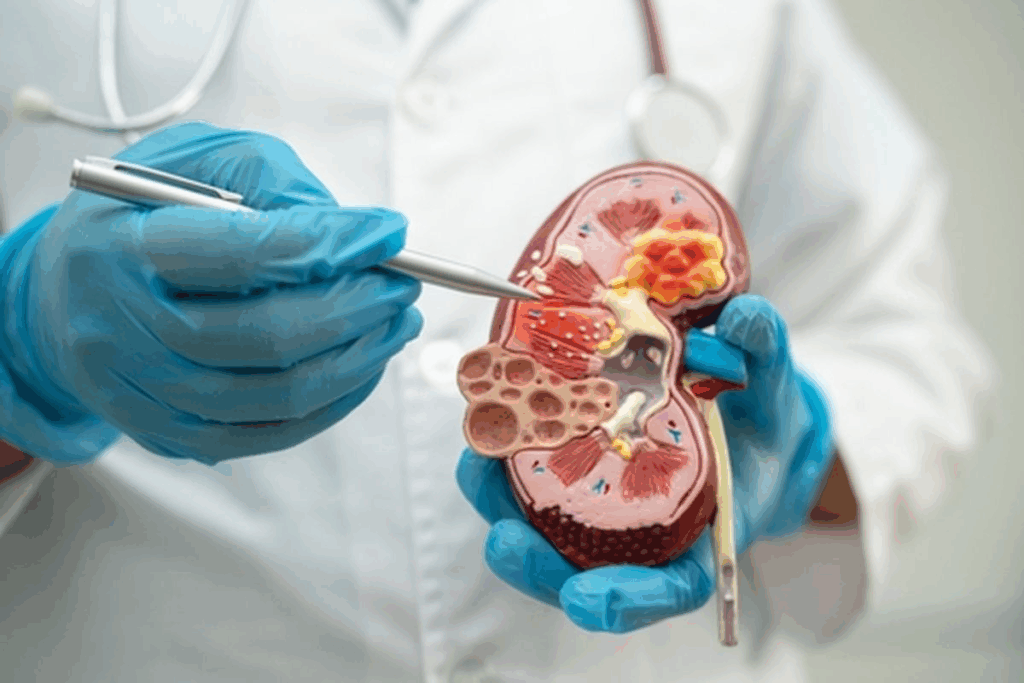
We understand how critical it is to grasp Acute Glomerulonephritis (AGN). It’s a serious kidney issue that can change lives if not treated right away. AGN causes sudden inflammation and growth of the glomeruli. These are the tiny filters in our kidneys. What is acute glomerulonephritis? Our simple guide gives you the best, easy-to-understand explanation of symptoms, causes, and treatment.
At places like Liv Hospital, we focus on top-notch healthcare. We support international patients fully. Our team works hard to give you the best care, following international standards for treating AGN.
Key Takeaways
- AGN is a serious kidney disease that requires prompt diagnosis and management.
- The condition is characterized by sudden inflammation of the glomeruli.
- Effective management of AGN is key to avoiding long-term kidney harm.
- Institutions like Liv Hospital offer full care for AGN patients.
- Knowing about AGN is vital for spotting its causes and how it affects the kidneys.
Defining Acute Glomerulonephritis and Its Significance
To understand Acute Glomerulonephritis, we must first know about the glomeruli. These are the kidneys’ filtering units. AGN is a kidney disease that causes inflammation in these units.
The Structure and Function of Glomeruli
The glomeruli play a key role in keeping our body’s fluids and electrolytes balanced. They are complex networks of capillaries that filter our blood. This process lets waste and excess fluids out while keeping important proteins and blood cells inside.
The structure of glomeruli includes:
- A tuft of capillaries supported by mesangial cells and matrix
- A Bowman’s capsule that collects the filtered fluid
- A complex barrier that prevents the loss of essential proteins and blood cells
Historical Perspective on AGN
Acute Glomerulonephritis has been known for over a century. It was first linked to streptococcal infections in the 19th century. Today, we know it can be caused by many different factors.
“The historical context of AGN highlights the evolving understanding of this complex condition, from its initial association with streptococcal infections to the current recognition of diverse etiologies.”
Looking back at AGN’s history helps us understand it better. It shows us that AGN is more than just inflammation. It involves complex immune responses and damage to the kidneys.
Epidemiology of AGN
Understanding AGN’s spread is key to improving care and health policies. It involves looking at how common it is, who gets it, and where. This helps us see patterns and trends.
Prevalence and Incidence Rates
The spread of AGN changes a lot depending on where you are and who you are. Post-streptococcal glomerulonephritis (PSGN) is more common in poor areas and where health care is scarce.
In the U.S., PSGN cases have gone down thanks to better health care and antibiotics. Yet, AGN is a big problem, mainly for kids.
Age and Gender Distribution
Mostly, AGN hits kids, with the biggest risk between 5 and 15 years old. Young kids are more at risk because their immune systems are not fully grown and they get sick more easily. Boys get it more than girls, but why isn’t fully understood.
Geographical and Seasonal Variations
Where you live and the time of year can affect AGN rates. Places with warm weather see more AGN because strep infections are more common there.
Seasons also play a part, with AGN sometimes peaking at certain times of the year. This might be because strep infections are more common then too.
Causes and Triggers of Acute Glomerulonephritis
It’s important to know what causes Acute Glomerulonephritis (AGN) to treat it well. AGN is a kidney problem with sudden inflammation in the glomeruli, the kidney’s filters.
Post-Streptococcal Glomerulonephritis
Post-streptococcal glomerulonephritis (PSGN) is a common cause of AGN. It happens after a strep infection, like strep throat. PSGN is when the body’s immune system attacks the kidneys because of the strep infection.
Key factors associated with PSGN include:
- Infection with nephritogenic strains of Streptococcus
- Latency period between infection and onset of AGN symptoms
- Immune complex deposition in the glomeruli
Other Infectious Triggers
PSGN is not the only cause of AGN. Other infections can also lead to it. These include:
- Viral infections such as hepatitis B and C
- Bacterial infections like endocarditis or sepsis
- Parasitic infections, though rare
These infections can cause AGN by forming and depositing immune complexes in the glomeruli.
Non-Infectious Etiologies
AGN can also be caused by non-infectious factors. These include:
- Autoimmune diseases such as systemic lupus erythematosus (SLE)
- Vasculitides like ANCA-associated vasculitis
- Other less common conditions that can lead to glomerular inflammation
Knowing about these different causes helps doctors evaluate and manage patients better.
Pathophysiology of Acute Glomerulonephritis
Understanding AGN’s pathophysiology is key to knowing how it develops and worsens. It involves complex immune mechanisms that cause glomerular injury and kidney problems.
Immune-Mediated Mechanisms
AGN is mainly caused by the immune system’s actions. The formation of in situ immune complexes is a big part of this. These complexes start an inflammatory response that harms the glomerular capillaries.
“The immune system’s response is a double-edged sword; while it’s essential for fighting infections, it can also lead to tissue damage if not properly regulated,” as noted by experts in the field.
Glomerular Lesion Development
Glomerular lesions are a key sign of AGN. They come from immune complex buildup and the inflammatory response. These lesions damage the glomeruli, making it hard for them to filter waste and excess fluids.
Inflammatory Response and Cellular Proliferation
The inflammatory response in AGN brings immune cells into the glomeruli. This leads to cell growth and more damage. In severe cases, this can cause crescent formation.
The inflammatory process drives the disease’s progression and severity.
Timeline of Pathological Changes
The timeline of AGN’s changes can differ based on the cause and immune response. The disease goes through stages from immune complex deposition to glomerular lesions and clinical symptoms.
Key stages include:
- Immune complex deposition or formation
- Inflammatory response initiation
- Glomerular lesion development
- Clinical symptom manifestation
Knowing these stages is vital for diagnosing and managing AGN. By understanding the pathophysiological mechanisms, healthcare providers can create effective treatment plans.
Clinical Features and Presentation
It’s key to know the signs of Acute Glomerulonephritis (AGN) for quick treatment. AGN shows different symptoms that can affect people in different ways.
Cardinal Signs and Symptoms
The main signs of AGN are hematuria, edema, and hypertension. Blood in the urine, or hematuria, is a big sign. It often comes with too much protein in the urine.
- Hematuria, which can range from microscopic to gross hematuria
- Edema, which causes swelling, mainly in the face, due to fluid buildup
- Hypertension, caused by too much fluid and kidney problems
Other signs include oliguria (less urine) and azotemia (more nitrogen waste in the blood).
Renal Function Changes
AGN can hurt kidney function a lot. It can lower the glomerular filtration rate (GFR). This leads to waste buildup in the blood.
This can cause tiredness, nausea, and in bad cases, uremia.
Systemic Manifestations
AGN can also affect the whole body. Symptoms include fatigue, malaise, and sometimes pulmonary edema from too much fluid. These signs show why treating AGN needs a full approach.
How AGN shows up can differ from person to person. This makes it vital to do a detailed check to confirm the diagnosis and plan the right treatment.
Diagnostic Approaches and Evaluation
To diagnose Acute Glomerulonephritis (AGN), we use many tests. These include lab tests and imaging studies. We’ll look at how these tools help confirm AGN.
Laboratory Investigations
Laboratory tests are key in diagnosing AGN. They show if the kidneys are damaged and how severe it is.
- Urine analysis: This test finds blood and extra proteins in the urine, signs of AGN.
- Blood tests: They check kidney function by measuring waste levels.
- Serological tests: These identify the cause of AGN, like infections.
Urine Analysis Parameters
Parameter | Normal Value | AGN Value |
Hematuria | Absent | Present |
Proteinuria | <150 mg/day | >150 mg/day |
Creatinine Clearance | 90-140 mL/min | Reduced |
Imaging Studies
Imaging studies are vital for checking the kidneys’ structure and spotting AGN complications.
Kidney Biopsy: Indications and Findings
A kidney biopsy might be needed to confirm AGN and see how much damage there is.
The biopsy can show signs of AGN, like changes in the glomeruli.
Differential Diagnosis
When diagnosing AGN, we must think of other diseases that have similar symptoms.
We need to tell AGN apart from other kidney diseases, like IgA nephropathy and membranoproliferative glomerulonephritis.
Treatment Strategies for AGN
Acute Glomerulonephritis (AGN) treatment is complex. It includes supportive care, antimicrobial therapy, and immunosuppressive treatments. Knowing the cause, severity, and patient’s health is key.
Supportive Care Measures
Supportive care is vital for AGN. It helps manage symptoms and prevent complications. This includes managing fluids, controlling blood pressure, and adjusting diets.
Fluid management is critical. It helps avoid fluid overload, which can harm kidneys and increase blood pressure.
Supportive Care Measure | Description | Benefit |
Fluid Management | Managing fluid intake to prevent overload | Reduces risk of hypertension and kidney damage |
Blood Pressure Control | Using medications to control blood pressure | Prevents further kidney damage and cardiovascular complications |
Dietary Adjustments | Adjusting diet to manage electrolyte and protein intake | Helps manage symptoms and slow disease progression |
Antimicrobial Therapy
For infections like post-streptococcal glomerulonephritis, antimicrobial therapy is vital. The right antibiotic depends on the pathogen and its resistance.
Immunosuppressive Treatments
In severe cases, immunosuppressive treatments may be needed. They reduce inflammation and protect kidneys. These treatments are for severe cases or when supportive care fails.
Management of Complications
Handling complications is essential in AGN treatment. This includes managing acute kidney injury, hypertension, and other issues. Quick action can greatly improve outcomes.
A detailed treatment plan is key. It includes supportive care, targeted therapies, and managing complications. This approach can significantly improve AGN patient outcomes.
Complications and Long-term Outcomes
It’s important to know about the complications and long-term effects of AGN. This knowledge helps in caring for patients better. AGN can cause many problems that affect how well a patient does in the long run.
Acute Complications
AGN can cause serious problems right away. These include:
- Acute kidney injury (AKI), which might need dialysis
- Hypertension, which can lead to emergencies
- Fluid overload, causing heart and lung problems
Chronic Sequelae
Some AGN patients face long-term issues. These include:
- Chronic kidney disease (CKD), which can lead to kidney failure
- Persistent bleeding or protein in the urine, showing ongoing kidney harm
- Hypertension, needing ongoing treatment
It’s key to keep up with these long-term problems to manage them well.
Prognostic Factors
Several things affect how AGN turns out. These include:
- The cause of AGN, with some causes being better than others
- The severity of the first symptoms, with worse cases doing worse
- How well the patient responds to treatment, with quick responses being better
Knowing these factors helps doctors give better advice and plan care more effectively.
Prevention and Follow-up Care
To prevent AGN, we need a detailed plan. This includes stopping infections and careful follow-up care. We’ll look at how to stop AGN and make sure patients get better.
Preventing Streptococcal and Other Infections
Stopping streptococcal infections is key to avoiding AGN. Prompt treatment with antibiotics can lower AGN risk. Kids and adults should see a doctor fast if they have strep throat symptoms.
Also, washing hands often can stop infections from spreading. Public health efforts to fight streptococcal infections help prevent AGN too.
Monitoring Protocols
Good monitoring is essential for AGN care. Regular doctor visits help watch kidney health and catch problems early. We suggest regular urine and blood tests for kidney checks.
Monitoring plans should fit each patient’s needs. Those with AGN history or high risk should be watched closely for kidney disease signs.
Patient Education and Self-Management
Teaching patients is key to managing AGN. Telling them about sticking to treatment plans and knowing complication signs helps them help themselves.
We advise a healthy lifestyle, like eating right and exercising, for kidney health. Patients should know AGN risks and seek help if symptoms worsen.
Conclusion: Current Understanding and Future Directions in AGN Management
Our understanding of Acute Glomerulonephritis (AGN) shows how important quick diagnosis and action are. AGN’s many causes and how it works make managing it complex. We need a full plan to tackle it.
Looking ahead, we’ll see new treatments and better care for AGN patients. More research on AGN’s immune and inflammation parts is key. This will help us make progress.
Using new findings in our care will help AGN patients more. Our goal is top-notch healthcare that puts patients first. This will help us face AGN’s challenges head-on.
FAQ
What is Acute Glomerulonephritis (AGN)?
Acute Glomerulonephritis (AGN) is a sudden inflammation of the glomeruli. These are the filtering units of the kidneys. It can lead to kidney damage and impaired renal function.
What causes AGN?
AGN can be caused by various factors. These include post-streptococcal glomerulonephritis and other infectious triggers. Non-infectious etiologies such as autoimmune disorders also play a role.
What are the symptoms of AGN?
Symptoms of AGN include hematuria (blood in the urine) and proteinuria (excess protein in the urine). Other symptoms are hypertension, edema, fatigue, and malaise.
How is AGN diagnosed?
AGN is diagnosed through laboratory investigations. These include urinalysis and blood tests. Imaging studies and kidney biopsy are also used to confirm glomerular inflammation and damage.
What is the treatment for AGN?
Treatment for AGN involves supportive care measures. Antimicrobial therapy is used to address underlying infections. Immunosuppressive treatments are given to reduce inflammation and prevent further kidney damage.
Can AGN be prevented?
Preventing AGN is possible. It involves preventing streptococcal and other infections through proper hygiene and vaccination. Managing underlying conditions that may contribute to AGN is also important.
What are the possible complications of AGN?
AGN can lead to acute complications like acute kidney injury. Chronic sequelae include chronic kidney disease and end-stage renal disease. Prompt diagnosis and treatment are key to avoid these complications.
How is AGN managed in the long term?
Long-term management of AGN involves monitoring renal function. It also includes managing complications and educating patients on self-management. This helps prevent further kidney damage and promotes overall health.
What is the prognosis for patients with AGN?
The prognosis for patients with AGN varies. It depends on the underlying cause, severity of kidney damage, and response to treatment. Some patients may fully recover, while others may develop chronic kidney disease.
What is the significance of understanding AGN pathophysiology?
Understanding AGN pathophysiology is critical. It helps in developing effective treatment strategies and improving patient outcomes. It allows healthcare providers to target the underlying mechanisms driving the disease.
References
National Center for Biotechnology Information. Evidence-Based Medical Guidance. Retrieved from https://www.ncbi.nlm.nih.gov/books/NBK560644/