
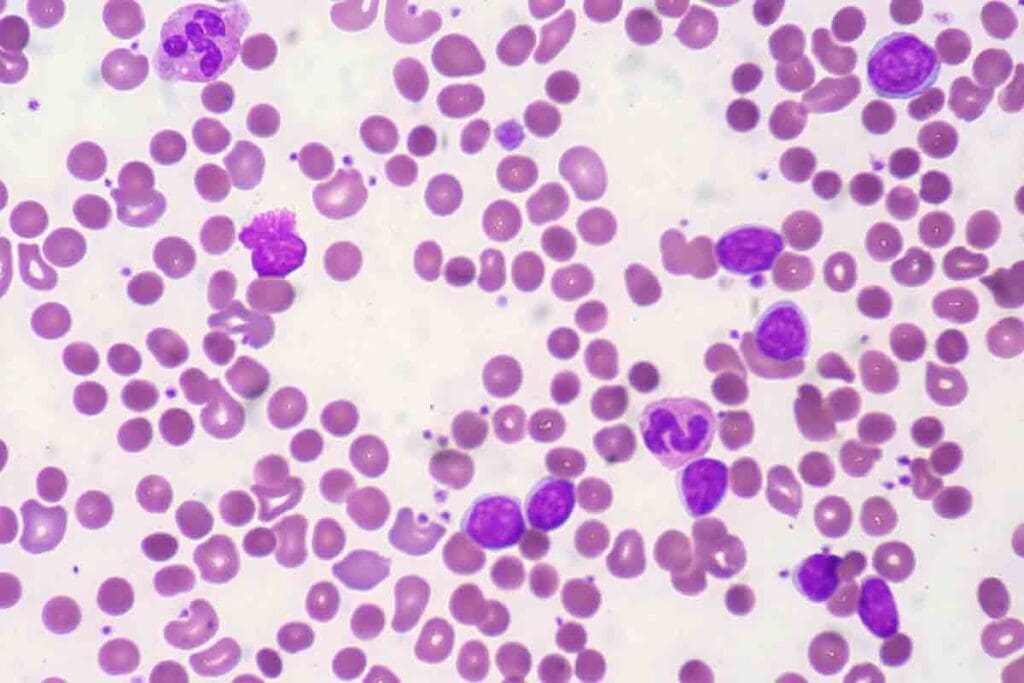
Acute lymphocytic leukemia (ALL) is a fast-growing cancer. It affects the blood and bone marrow. It mainly impacts immature lymphocytes, a key white blood cell type.
At Liv Hospital, we know how complex ALL is. We face challenges in diagnosing and treating it. Our focus is on our patients, using the latest medical techniques to help them.
ALL is different from other leukemias because it grows quickly. It mainly affects lymphocytes. We offer specialized care for this complex condition. We provide full support and guidance during treatment.
Key Takeaways
- ALL is a fast-growing cancer affecting the blood and bone marrow.
- It mainly impacts immature lymphocytes, a type of white blood cell.
- Liv Hospital offers a patient-centered approach to ALL treatment.
- Specialized care is key for managing ALL’s complexities.
- We offer full support and guidance during treatment.
The Nature of Acute Lymphocytic Leukemia
Acute Lymphocytic Leukemia (ALL) is a fast-moving leukemia that affects the blood and bone marrow. It’s a cancer that starts in the blood-making cells of the bone marrow. This leads to too many immature lymphocytes.
Definition and Fast-Growing Characteristics
ALL is marked by the quick growth of immature lymphocytes, a key part of the immune system. The term “acute” means it grows fast, needing quick treatment. Its fast growth can cause serious problems if not treated right away.
ALL grows quickly because of too many lymphoblasts or leukemic blasts. These are young cells that can’t fight infections well. This makes a shortage of healthy blood cells, like red and white blood cells, and platelets.
Impact on Blood and Bone Marrow
ALL has a big effect on the blood and bone marrow. The bone marrow gets filled with bad cells, making fewer normal blood cells. This can cause anemia from not enough red blood cells, infections from too few white blood cells, and bleeding problems from low platelet counts.

As ALL gets worse, it can spread to other organs and tissues. Knowing how ALL works is key to finding good treatments. These treatments aim to slow down its growth and lessen its effects on the body.
Who Is Affected by Acute Lymphocytic Leukemia
Acute Lymphocytic Leukemia (ALL) affects different people in different ways. It’s important to understand who gets it and how it changes with age. ALL is a complex disease that shows up differently in different groups of people.
Prevalence in Children vs. Adults
ALL is the most common cancer in kids. It makes up a big part of cancers in children. But in adults, it’s much rarer, making up a small part of leukemia cases. The most common age for kids to get it is between 2 and 5 years old.
ALL has two peaks in when it happens. The first is in young kids, and the second is in older adults over 60. This shows that different things might cause ALL in these age groups.

Demographic Patterns
ALL happens more in some places than others. It’s more common in rich countries than poor ones. In the U.S., Hispanic kids get it more often than others.
These patterns tell us that genes and the environment play a part in ALL. Knowing this can help us find who’s at risk and how to prevent it.
Prognosis Differences by Age
How well someone does with ALL depends a lot on their age. Kids with ALL usually get better and live long lives. But adults face a tougher road, with survival rates between 30% and 50%.
Prognosis Comparison by Age Group
| Age Group | 5-Year Survival Rate | Prognostic Factors |
| Children (1-14 years) | >90% | Favorable genetic features, response to therapy |
| Adolescents & Young Adults (15-39 years) | 60-80% | Mixed prognostic factors, variable response to treatment |
| Adults (40+ years) | 30-50% | Poor cytogenetics, comorbidities, slower response to treatment |
Age is a big factor in how well someone does with ALL. Younger people usually do better because they can handle treatment better. Older adults face more challenges because of age-related health issues.
Causes and Risk Factors of ALL
The exact causes of ALL are not fully understood. But research has found several key risk factors. Knowing these can help in early detection and management.
Genetic Predispositions
Genetics play a big role in ALL. Certain genetic disorders, like Down syndrome, raise the risk. Genetic mutations in lymphocytes also lead to leukemia’s uncontrolled growth.
Research shows specific genetic abnormalities increase ALL risk. For example, certain chromosomal translocations are common in ALL patients.
Environmental Triggers
Some environmental factors raise ALL risk. Ionizing radiation is a known risk. People exposed to high radiation, like from nuclear accidents, face a higher risk.
Exposure to chemicals like benzene also increases leukemia risk, including ALL. Workers exposed to these chemicals are at risk.
Other Contributing Factors
Other factors can also increase ALL risk. For example, some chemotherapy treatments raise the risk of secondary leukemia, including ALL.
While some risk factors are clear, the exact role of each is being studied. The complex interaction between factors and ALL development is a focus of ongoing research.
Recognizing Acute Lymphocytic Leukemia: Signs and Symptoms
Acute Lymphocytic Leukemia (ALL) shows different symptoms. Spotting these early can help get the right treatment fast. It’s key for both patients and doctors to act quickly.
Early Warning Signs
The first signs of ALL can seem like common colds or minor issues. But, if they last or get worse, see a doctor. Some early signs include:
- Persistent fatigue or weakness
- Frequent or recurrent infections
- Easy bruising or bleeding
- Pale skin
Common Symptoms: Fatigue, Infections, and Bleeding
As ALL gets worse, symptoms get stronger. Common ones are:
- Fatigue: Feeling very tired that doesn’t get better with rest.
- Infections: Getting sick often or having severe infections because your immune system is weak.
- Bleeding: Bleeding easily, like bruising, nosebleeds, or bleeding gums. Sometimes, bleeding can be very bad.
When to Consult a Healthcare Provider
If you’re feeling any of these symptoms, see a doctor. Early treatment can make a big difference. This is even more important if you have a family history of leukemia or other risk factors.
Don’t wait if symptoms keep getting worse. A doctor can run tests to find out what’s wrong and plan the best treatment.
How ALL Differs From Other Leukemias
Acute Lymphocytic Leukemia (ALL) is different from other leukemias because it grows fast and affects lymphoid cells. Knowing how ALL is different from other leukemias is key for finding the right treatment.
ALL vs. Acute Myeloid Leukemia (AML)
ALL and AML differ mainly because of the cells they affect. ALL targets lymphoid cells, which are vital for our immune system. AML, on the other hand, starts in myeloid cells, which help make different blood cells.
Key differences between ALL and AML include:
- Cell lineage: ALL affects lymphoid cells, while AML affects myeloid cells.
- Clinical presentation: ALL often presents with lymphadenopathy and organ infiltration, whereas AML may present with more nonspecific symptoms like fatigue and bleeding.
- Treatment approaches: While both are aggressive leukemias requiring immediate treatment, the specific chemotherapy regimens and targeted therapies can differ significantly.
ALL vs. Chronic Leukemias (CLL and CML)
ALL is different from chronic leukemias like CLL and CML. Chronic leukemias grow slower than acute ones.
| Characteristics | ALL | CLL | CML |
| Cell Type | Lymphoid | Mature Lymphoid | Myeloid |
| Progression | Rapid | Slow | Slow to Moderate |
| Typical Age of Onset | Children and Young Adults | Older Adults | Adults |
Unique Cellular and Clinical Features
ALL has unique features that help doctors diagnose and treat it. It is marked by immature lymphoblasts in the bone marrow and blood. Symptoms include fatigue, infections, and bleeding due to bone marrow failure.
It’s vital for doctors to understand these differences to create effective treatment plans. By knowing how ALL is different, we can better manage the disease and improve patient outcomes.
Diagnosis and Classification of ALL
To diagnose ALL, doctors use many tools and tests. These help find the disease and its types. Knowing this is key to choosing the right treatment.
Diagnostic Procedures and Tests
Tests for acute lymphocytic leukemia include:
- Complete Blood Count (CBC) to check blood cell levels.
- Bone Marrow Biopsy and Aspiration to look for cancer cells in the bone marrow.
- Imaging Tests like X-rays, CT scans, or PET scans to see if the disease is in other parts of the body.
- Genetic Tests to find specific genetic changes in leukemia cells.
These tests confirm the diagnosis and give important details about the disease. For example, genetic tests can show the Philadelphia chromosome. This is found in some ALL cases and affects treatment (PMC4235437).
Subtype Classification Systems
ALL is divided into subtypes based on leukemia cell characteristics. The main systems are:
- The French-American-British (FAB) classification, which groups ALL by cell type.
- The World Health Organization (WHO) classification, which uses genetic and molecular features.
Knowing the subtype is vital for picking the right treatment.
Prognostic Indicators
Prognostic indicators predict the disease’s outcome. Important factors for ALL include:
| Prognostic Factor | Description | Impact on Prognosis |
| Age | Patients under 1 year or over 35 years | Generally poorer prognosis |
| White Blood Cell Count | High WBC count at diagnosis | Poorer prognosis |
| Genetic Abnormalities | Presence of certain genetic abnormalities like the Philadelphia chromosome | Variable impact depending on the abnormality |
| Response to Initial Treatment | Quick response to induction therapy | Better prognosis |
These indicators are key to understanding a patient’s risk. They help tailor the treatment plan.
Modern Treatment Approaches for Acute Lymphocytic Leukemia
Modern treatments for ALL have greatly improved patient care. The treatment of Acute Lymphocytic Leukemia (ALL) has evolved. Now, there are many options to meet the needs of each patient.
Standard Treatment Protocols
The usual treatment for ALL includes induction therapy, consolidation therapy, and maintenance therapy. Induction therapy aims to clear leukemia cells from the bone marrow and blood. Consolidation therapy then targets any remaining cells. Maintenance therapy is less intense and helps prevent relapse.
Chemotherapy is key in treating ALL, with various drugs used at different stages. Targeted therapy is also used to attack specific leukemia cells, protecting normal cells.
Tailored Therapies Based on Patient Factors
Treatment plans for ALL are now more personalized. They consider the leukemia’s genetic makeup, the patient’s age, and overall health. Risk stratification helps decide the treatment’s intensity. Patients are grouped by risk, guiding the therapy choice.
Hematopoietic Stem Cell Transplantation
Hematopoietic stem cell transplantation (HSCT) is a key option for some ALL patients. It’s for those with high-risk disease or who have relapsed. HSCT replaces the bone marrow with healthy stem cells, either from the patient or a donor.
Innovative Research and Emerging Treatments
New research is constantly adding to ALL treatment options. Immunotherapy, like CAR T-cell therapy, is showing great promise for relapsed or refractory ALL. Other new treatments include targeted therapies and new chemotherapy agents.
We are dedicated to keeping our patients up-to-date with the latest in ALL treatment. We aim to provide the most effective and caring care possible.
Conclusion: Advancements and Hope in ALL Management
Recent breakthroughs in treating acute lymphocytic leukemia have greatly improved patient outcomes. We now have more personalized and targeted treatments. This brings new hope to those fighting this disease.
At Liv Hospital, we’re all about top-notch care for ALL patients. Our team works hand in hand with patients and their families. We offer full support and guidance every step of the way.
The progress in understanding and managing ALL is huge. We’re really hopeful for the future. More research and better treatment plans will keep improving patient results.
It’s key to understand the value of specialized care. Places like Liv Hospital are at the forefront of new treatments. We’re committed to bettering the lives of ALL patients and their families.
FAQ
What is acute lymphocytic leukemia (ALL)?
Acute lymphocytic leukemia (ALL) is a blood and bone marrow cancer. It’s caused by the fast growth of immature white blood cells.
What is the difference between acute lymphocytic leukemia and acute lymphoblastic leukemia?
Acute lymphocytic leukemia and acute lymphoblastic leukemia are the same. They are cancers of the lymphoid cells.
How does ALL differ from other types of leukemia?
ALL is different from other leukemias like AML and CLL. It affects different cells and grows faster.
What are the symptoms of ALL?
Symptoms of ALL include feeling tired, getting sick easily, and bleeding. You might also have swollen lymph nodes or organs.
What are the risk factors for developing ALL?
Risk factors for ALL include genetics and exposure to toxins. Past radiation or chemotherapy also increases the risk.
How is ALL diagnosed?
Doctors use blood tests, bone marrow biopsies, and other tests to diagnose ALL. These help figure out the type and outlook.
What are the treatment options for ALL?
Treatments for ALL include chemotherapy, targeted therapies, and stem cell transplants. The choice depends on the patient’s situation.
What is the prognosis for patients with ALL?
The outlook for ALL patients varies. It depends on age, health, and how well they respond to treatment. Kids usually do better than adults.
What is the role of genetic testing in ALL diagnosis and treatment?
Genetic testing is key in managing ALL. It helps find specific genetic issues that guide treatment.
Are there any new or emerging treatments for ALL?
Yes, new treatments for ALL are being researched. These include targeted and immunotherapies, giving patients new hope.
How does ALL affect children versus adults?
ALL is more common in kids and is often more aggressive in adults. Treatment and outcomes differ between the two groups.
What is the importance of specialized care for ALL patients?
Specialized care is vital for ALL patients. It ensures they get the latest treatments and support.
References
- “Adult Acute Lymphoblastic Leukemia.” (2010). https://pmc.ncbi.nlm.nih.gov/articles/PMC5345568/



 Departments
 Related Videos
 Our Doctors
 News
News