

Recognizing acute lymphocytic leukemia symptoms early can be lifesaving. Acute Lymphocytic Leukemia (ALL) is a serious blood and bone marrow cancer caused by the rapid production of immature white blood cells. Identifying the signs of this condition early helps improve treatment outcomes.
Common acute lymphocytic leukemia symptoms include fatigue, frequent infections, easy bruising or bleeding, bone pain, and swollen lymph nodes. These symptoms may appear suddenly and worsen quickly if left untreated.
At Liv Hospital, we focus on detecting acute lymphocytic leukemia symptoms early and providing fast, effective care. Our team combines expertise with compassion to ensure patients and families get the best possible support throughout their treatment journey.
Key Takeaways
- ALL is a cancer affecting the blood and bone marrow.
- Early detection is key to effective treatment.
- Recognizing key signs can improve survival rates.
- Liv Hospital offers an evidence-based approach to detecting ALL.
- Patient-centered care is a priority at Liv Hospital.
What is Acute Lymphocytic Leukemia?
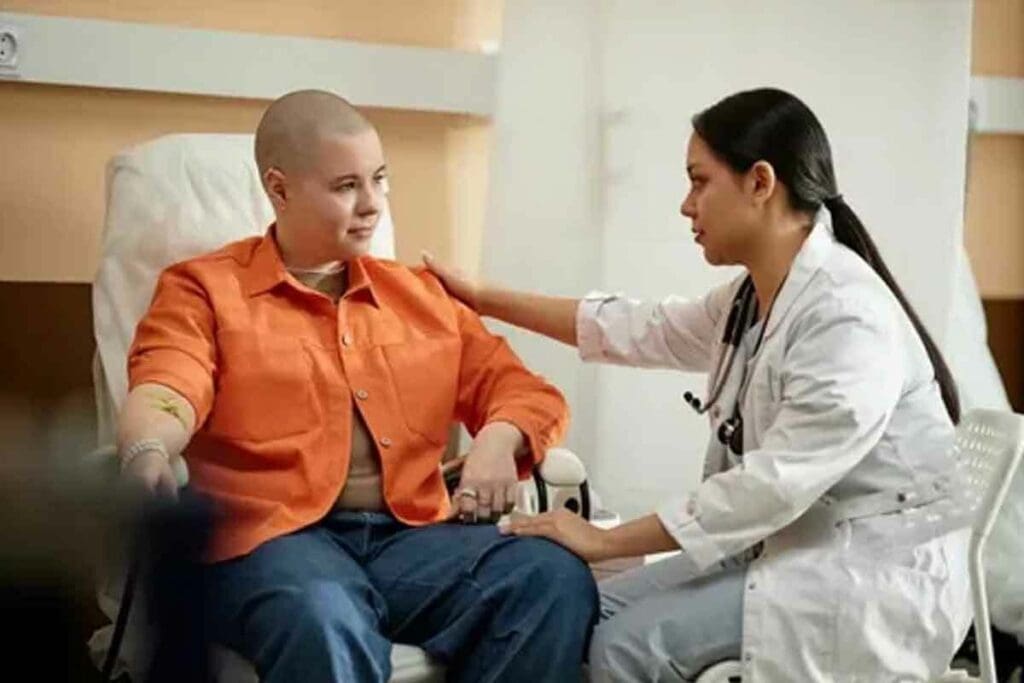
ALL, or Acute Lymphocytic Leukemia, is a serious condition. It happens when there are too much of immature white blood cells. This cancer affects the blood and bone marrow, where blood cells are made.
Definition and Basic Understanding
Acute Lymphocytic Leukemia, also known as acute lymphoblastic leukemia, is a cancer. It messes with how blood cells are made. It’s different from other leukemias like CLL or AML.
The disease causes the bone marrow to make too many immature lymphocytes. These abnormal cells take over the bone marrow. This leads to health problems.
How ALL Affects Blood Cell Production
In a healthy person, the bone marrow makes blood cells right. But in someone with ALL, it makes too many lymphoblasts. These cells can’t fight infections well.
- Too many leukemic cells mess with normal blood cell production.
- This can cause anemia, infections, and bleeding problems.
- It can also make the bone marrow fail. This leads to fatigue, pallor, and more infections.
Prevalence in Children vs. Adults
ALL is the most common cancer in kids. It’s a big part of pediatric cancer cases. But it can also happen in adults, mostly over 65.
Symptoms and treatment results differ between kids and adults. Kids usually have a better chance of being cured.
It’s important to know how ALL affects different age groups. While it’s more common in kids, adults need a detailed care plan too.
Acute Lymphocytic Leukemia Symptoms: An Overview

It’s important to know the signs of Acute Lymphocytic Leukemia (ALL) to get help quickly. ALL is a blood and bone marrow cancer. It happens when there are too many young white blood cells.
How Symptoms Develop and Progress
ALL symptoms start as the disease gets worse. The bone marrow can’t make enough healthy blood cells. At first, symptoms are mild and hard to spot.
As ALL gets worse, symptoms get stronger. You might feel fatigue, get sick often, have a fever, bleed or bruise easily, and feel pain in bones and joints. These happen because leukemia cells take over the bone marrow. This means fewer healthy red and white blood cells and platelets.
Early vs. Advanced Symptoms
Early ALL symptoms are like a common cold. You might feel a bit tired, get infections, and bruise easily.
But, as ALL gets worse, symptoms get much worse. Advanced symptoms include severe anemia, getting sick a lot, bleeding or bruising a lot, and a lot of pain in bones or joints.
“The progression of ALL symptoms can vary significantly among patients, stressing the need for tailored diagnosis and treatment plans.”
Why Symptoms Vary Between Patients
Why symptoms differ in ALL patients is complex. It depends on the leukemia cells, the patient’s health, and genetics.
Some patients might show symptoms quickly, while others might not. Doctors need to understand these differences to treat each patient better.
Blood-Related Signs: Anemia and Bleeding Tendencies
Acute Lymphocytic Leukemia shows signs like anemia and bleeding risks. These happen because the bone marrow can’t make enough healthy blood cells.
Fatigue and Pallor from Anemia
Anemia is common in ALL patients. It’s caused by not enough red blood cells. Symptoms include fatigue, pallor (pale skin), and shortness of breath.
Anemia happens because leukemia cells fill the bone marrow. This stops it from making red blood cells.
Easy Bruising and Prolonged Bleeding
Low platelet counts cause easy bruising and prolonged bleeding. This is called thrombocytopenia. When platelets are low, blood can’t clot properly, leading to easy bruising and long bleeding after injuries or even on its own.
Petechiae (Tiny Red Spots)
Petechiae are tiny red spots on the skin from minor hemorrhages. They show low platelet counts and are seen in ALL patients.
Frequent or Severe Nosebleeds
Frequent or severe nosebleeds are signs of ALL, due to low platelet counts. These nosebleeds can be hard to stop and keep coming back.
| Blood-Related Sign | Description | Cause |
| Fatigue and Pallor | Feeling tired and having pale skin | Anemia due to low red blood cell count |
| Easy Bruising | Bruising easily with minor injuries | Low platelet count (thrombocytopenia) |
| Petechiae | Tiny red spots on the skin | Minor hemorrhages from broken capillaries |
| Nosebleeds | Frequent or severe bleeding from the nose | Low platelet count, impairing blood clotting |
Immune System Indicators: Infections and Fever
Acute Lymphocytic Leukemia (ALL) weakens the immune system. This makes patients more likely to get infections and fevers. The immune system’s failure is a key sign of ALL, leading to symptoms that can really affect a patient’s life.
Recurrent or Persistent Infections
Patients with ALL often get recurrent or persistent infections. These can be mild or severe and hit different parts of the body. For example, the respiratory tract, skin, and gastrointestinal system can be affected. ALL patients may have infections that are hard to treat and need long-term antibiotics.
Unexplained Fevers
Unexplained fevers are common in ALL patients. A fever can show that the body’s immune system is not working properly.
Night Sweats
Night sweats are a symptom in ALL patients, often linked to fever and infection. These night sweats can be very bad and mess up sleep. This can make patients feel more tired and uncomfortable.
Delayed Healing
The immune system is key to healing. In ALL patients, a weak immune system means wounds and infections heal slowly. This slow healing can make recovery take longer and make patients more likely to get more problems.
In summary, signs like infections, fevers, night sweats, and slow healing are important in ALL patients. Seeing these symptoms early is key to qa quick diagnosis and treatment of ALL.
Physical Manifestations: Pain and Swelling
Acute Lymphocytic Leukemia (ALL) often shows signs like pain and swelling. These symptoms happen when leukemic cells build up in the body. This can cause discomfort and other issues.
Bone and Joint Pain
Patients with ALL often feel pain in their bones and joints. This pain comes from leukemic cells in the bone marrow. It makes bones hurt and joints stiff, making it hard to move.
Swollen Lymph Nodes
Swollen lymph nodes are a sign of ALL. Lymph nodes, key to our immune system, grow when filled with leukemic cells. You can feel this swelling in the neck, armpits, or groin.
Abdominal Pain or Fullness
ALL can also cause stomach pain or a feeling of fullness. This happens when organs like the spleen or liver get bigger. This swelling, called hepatosplenomegaly, can hurt and cause discomfort in the belly.
Enlarged Spleen or Liver
An enlarged spleen or liver is a big sign of ALL. Leukemic cells make these organs swell. This can lead to abdominal pain and discomfort.
In summary, the signs of ALL, like pain and swelling ,are important to notice. Seeing these symptoms early can help get the right treatment sooner.
Respiratory and Systemic Signs
It’s important to know the signs of ALL in the body’s systems early. ALL can affect many parts of the body, causing different symptoms.
Shortness of Breath
Shortness of breath is a sign of ALL. It can happen because of anemia or leukemia cells in the lungs. This makes it hard to breathe.
Chest Discomfort
Chest pain or discomfort can also be a symptom. It might be because of the disease affecting the chest or a mass in the chest area. This is more common in T-cell ALL.
Unexplained Weight Loss
Unexplained weight loss is a sign of ALL. It can be because the body burns more energy or because you don’t feel like eating.
General Weakness and Fatigue
Feeling weak and tired is common in ALL. It can be because of anemia, infection, or the disease’s effect on energy.
| Symptom | Possible Cause |
| Shortness of Breath | Anemia, Leukemia cells in lungs |
| Chest Discomfort | Mediastinal mass, Disease impact |
| Unexplained Weight Loss | Increased metabolism, decreased appetite |
| General Weakness and Fatigue | Anemia, Infection, Disease impact |
Special Considerations: T-Cell ALL and CNS Involvement
T-Cell ALL is a challenging type of leukemia. It has unique features and can affect the central nervous system. This makes it very aggressive and requires quick medical help.
Chest Masses and Breathing Difficulties
T-Cell ALL can cause a mass in the chest. This leads to breathing problems like shortness of breath and chest pain. These issues happen because the mass presses on or blocks important chest structures.
Neurological Symptoms
When T-Cell ALL affects the CNS, it can cause headaches, confusion, and seizures. These symptoms happen when cancer cells invade the brain and spinal cord.
Signs of Central Nervous System Spread
When T-Cell ALL spreads to the CNS, it can cause a variety of symptoms. These can range from mild to severe. Finding and treating it early is key to avoiding lasting damage.
Differences in Symptom Presentation by Age
The symptoms of T-Cell ALL can differ based on age. Children and adults may show different signs because the disease affects them differently. This is due to the differences in how the disease impacts developing versus mature bodies.
| Age Group | Common Symptoms | CNS Involvement Symptoms |
| Children | Fatigue, pallor, bone pain | Headaches, vomiting, seizures |
| Adults | Weight loss, fever, night sweats | Confusion, weakness, cranial nerve palsies |
| Elderly | Weakness, infections, bleeding tendencies | Altered mental status, difficulty walking |
Understanding the unique challenges of T-Cell ALL and CNS involvement is key for healthcare providers. Recognizing the specific symptoms and complications helps patients get the right treatment on time.
Diagnosis and Evaluation of ALL Symptoms
To find out if someone has Acute Lymphocytic Leukemia (ALL), doctors use several steps. They start with blood tests, then check the bone marrow, and do more tests. This careful process helps figure out if someone has ALL and how serious it is.
Initial Blood Work Findings
The first thing doctors do is check the blood for different types of cells. Abnormal white blood cell counts can show leukemia. They might also find anemia or thrombocytopenia, which are common in ALL patients.
Bone Marrow Examination
A bone marrow biopsy and aspiration are key to confirming ALL. This means taking a sample of bone marrow for a closer look. Finding lymphoblasts in the bone marrow is a big sign of ALL.
Additional Diagnostic Tests
More tests might include imaging studies like X-rays or MRI scans. These help see if the disease has spread. A lumbar puncture might also be done to check for leukemia cells in the cerebrospinal fluid.
Differentiating ALL from Other Conditions
It’s important to tell ALL apart from other leukemias or conditions that look similar. Tests look at the leukemia cells’ genetic makeup. This helps doctors decide the best treatment.
Getting a diagnosis for ALL is a detailed process. It involves clinical checks, lab tests, and sometimes genetic analysis. Knowing about the diagnostic steps helps patients and their families understand the journey to treatment and recovery.
Conclusion: When to Seek Medical Attention
It’s important to know the signs of acute lymphocytic leukemia early. This disease can show different symptoms, like feeling very tired, looking pale, bruising easily, and getting sick often.
If you keep getting fevers, sweating a lot at night, or notice swollen lymph nodes, see a doctor. These symptoms might not always point to leukemia, but acting fast is key. Early detection is vital for treatment.
If you notice any unusual or ongoing symptoms, talk to a doctor. Catching acute lymphocytic leukemia early can make a big difference. Knowing the symptoms helps you stay on top of your health.
FAQ
What are the common signs of Acute Lymphoblastic Leukemia?
Signs include feeling very tired, looking pale, and bruising easily. You might also see small spots on your skin or have frequent nosebleeds. Other symptoms are infections, fevers, and pain in bones and joints.
Swollen lymph nodes, stomach pain, and shortness of breath are also signs.
How does Acute Lymphoblastic Leukemia affect blood cell production?
ALL disrupts blood cell production. The bone marrow makes abnormal lymphocytes, which take over. This leads to anemia, bleeding, and a weak immune system.
What are the symptoms of T-Cell Acute Lymphoblastic Leukemia?
T-Cell ALL can cause chest masses and breathing problems. It also affects the brain, leading to neurological symptoms.
How is Acute Lymphoblastic Leukemia diagnosed?
Doctors start with blood tests and bone marrow exams. They might also use imaging and a lumbar puncture to check the disease’s spread.
What are the differences in symptom presentation between children and adults with ALL?
Kids often have bone and joint pain. Adults might feel more tired and lose weight.
Can Acute Lymphoblastic Leukemia cause neurological symptoms?
Yes, ALL can affect the brain. Symptoms include headaches, seizures, and confusion.
How does ALL affect the immune system?
ALL weakens the immune system. It makes abnormal lymphocytes that replace normal immune cells. This leads to infections and other immune problems.
What are the signs of Central Nervous System involvement in ALL?
CNS involvement shows as headaches, seizures, and confusion. It also causes signs of increased pressure in the brain.
Why is it important to recognize the symptoms of Acute Lymphoblastic Leukemia?
Spotting ALL symptoms early is key. It helps get treatment quickly, improving chances of survival.
What are the risk factors for developing Acute Lymphoblastic Leukemia?
Risk factors include genetic predisposition and exposure to toxins. Previous radiation or chemotherapy also increases the risk.
References
- StatPearls. (2023, August 25). Acute Lymphocytic Leukemia – StatPearls. Retrieved from https://www.ncbi.nlm.nih.gov/books/NBK459149/