

Knowing how many rounds of chemotherapy are typical for Acute Myeloid Leukemia (AML) is key for patients and their families. AML starts in the bone marrow, as the American Cancer Society explains. It can spread quickly if not treated right away.
The treatment for AML usually begins with an induction therapy phase. This phase aims to get the leukemia into remission. The number of chemotherapy cycles needed can change. This depends on the patient’s health and how well they respond to treatment.
At places like Liv Hospital, we focus on leading patient outcomes. It’s important to understand the treatment and how it’s changing. We offer full care and support during treatment. This ensures patients get the best results.
Key Takeaways
- The typical AML treatment starts with an induction phase.
- The number of chemotherapy rounds varies based on patient response and health.
- Comprehensive care and support are key during treatment.
- Knowing what to expect from treatment is important for patients and families.
- Centers like Liv Hospital aim to improve patient outcomes.
Understanding Acute Myeloid Leukemia (AML)
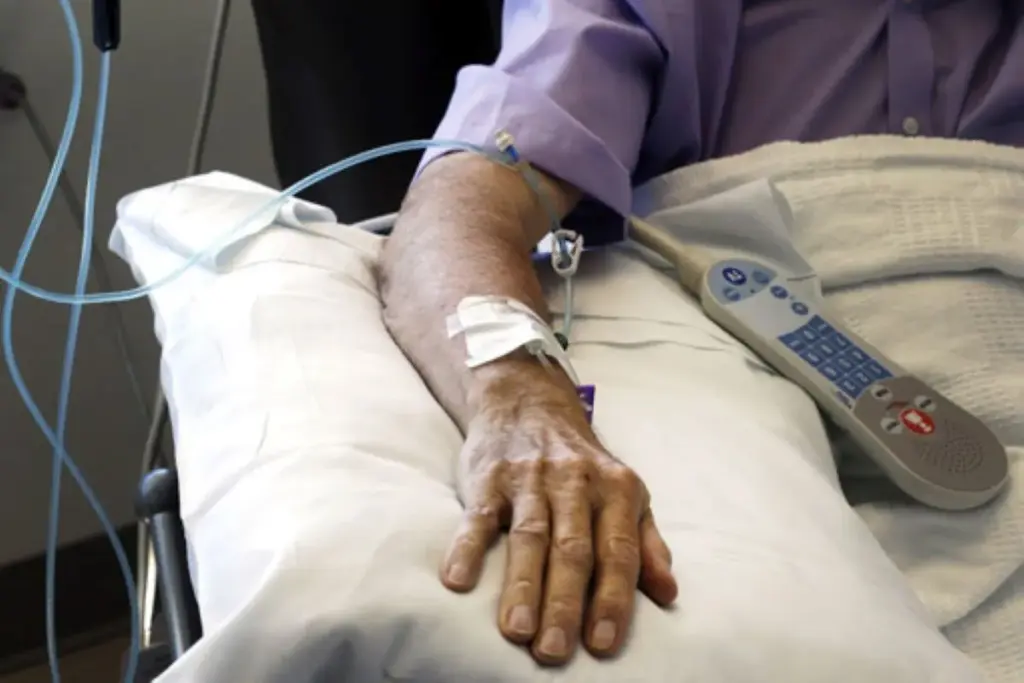
Acute Myeloid Leukemia (AML) is a fast-growing cancer that starts in the bone marrow. It’s caused by abnormal white blood cells that grow quickly. These cells take over the bone marrow, making it hard to make normal blood cells.
What is AML and how does it develop?
AML starts in the bone marrow, where blood cells are made. It happens when the marrow makes immature white blood cells, called blasts. These cells can’t fight infections well and take over the marrow.
The exact cause of AML is not known. But it’s thought to be from genetics and the environment. Things like chemicals, radiation, and past treatments can raise your risk.
Risk factors and prevalence
There are several risk factors for AML. These include age, genetics, and exposure to chemicals or radiation. Most cases happen in people over 65.
|
Risk Factor |
Description |
|---|---|
|
Age |
Risk increases with age, most cases diagnosed over 65 |
|
Genetic Predisposition |
Certain genetic disorders can increase the risk |
|
Chemical Exposure |
Exposure to chemicals like benzene can increase risk |
|
Previous Cancer Treatment |
Previous chemotherapy or radiation therapy can increase risk |
Why chemotherapy is the primary treatment approach
Chemotherapy is the main treatment for AML. It targets the fast-growing cancer cells. The goal is to kill the leukemia cells in the bone marrow and blood. Chemotherapy drugs are usually given in combination to work better.
The choice of chemotherapy drugs and the treatment schedule depend on several factors. These include the patient’s health, age, and the leukemia’s characteristics.
The Standard Approach to Acute Myeloid Leukemia Treatments
AML treatment plans start with an intense induction phase. The main aim is to get the patient into remission and boost survival chances.
Overview of Treatment Phases
AML treatment is split into several phases, each with its own goals. The main phases are:
- Induction Therapy: The first phase aims to clear leukemia cells from the bone marrow.
- Consolidation Therapy: This phase follows remission to kill any leftover leukemia cells.
- Maintenance Therapy: Sometimes, extra treatment is given to keep remission and stop relapse.
Goals of AML Chemotherapy
Chemotherapy in AML treatment has three main goals:
- Induce Remission: Get to a state where leukemia cells are gone from the bone marrow.
- Consolidate Remission: Use more chemotherapy to get rid of any hidden leukemia cells.
- Improve Survival: The ultimate goal is to increase the patient’s survival chances and quality of life.
Factors that Influence Treatment Decisions
Many factors shape the choice and intensity of AML treatment, including:
- Patient’s Age and Overall Health: Older patients or those with serious health issues may need different treatments.
- Genetic Characteristics of the Leukemia: Some genetic mutations can change the outlook and guide specific treatments.
- Response to Initial Treatment: How well the first treatment works can decide if more or different treatments are needed.
Understanding these factors and treatment phases helps doctors tailor AML treatment for each patient. This way, they can improve the patient’s chances of staying in remission.
Induction Therapy: The First Phase of AML Treatment
For those with AML, the first treatment is induction therapy. It uses a mix of chemotherapy drugs. The goal is to get rid of leukemia cells in the bone marrow.
The ‘3+7’ Protocol Explained
The ‘3+7’ protocol is a common treatment. It involves giving an anthracycline for three days and cytarabine for seven. This combo is key in fighting leukemia cells. It’s a mainstay in AML treatment for its success in achieving remission.
Drugs Commonly Used in Induction
The main drugs in induction therapy are anthracyclines and cytarabine. They work together to kill leukemia cells in the bone marrow. The choice of anthracycline depends on the patient’s health and AML type.
|
Drug |
Role in Induction Therapy |
Common Examples |
|---|---|---|
|
Anthracyclines |
Target and kill leukemia cells |
Daunorubicin, Idarubicin |
|
Cytarabine |
Interferes with DNA synthesis, killing rapidly dividing cells |
Cytarabine |
Duration and Administration of Induction Chemotherapy
Induction chemotherapy is given in a hospital. It’s intense and needs close watch. The treatment lasts several days, following the ‘3+7’ protocol. Patients get support to handle side effects and prevent problems.
How Many Induction Cycles Are Typically Needed?
Induction therapy is a key part of AML treatment. It aims to remove leukemia cells from the bone marrow. This helps restore normal blood cell production.
Success Rates After First Induction Cycle
The success of the first cycle varies among patients. Research shows that many AML patients get complete remission after the first cycle. About 50-70% of patients under 60 years old achieve remission after the first cycle. But, this rate drops for older patients.
Many factors affect success rates. These include the patient’s age, health, AML subtype, and leukemia cell genetics. We watch how patients respond to treatment closely.
When a Second Induction Cycle Becomes Necessary
Not all patients get complete remission after the first cycle. If they don’t, a second cycle might be needed. We decide on a second cycle based on how well the patient responds to the first treatment.
A second cycle is considered if leukemia cells are found in the bone marrow after the first cycle. This choice depends on the patient’s health and the risks of more chemotherapy.
Evaluating Response to Induction Therapy
Checking how well induction therapy works is very important. We use bone marrow biopsies, blood counts, and molecular tests to see how well the leukemia responds. This helps us plan the next steps in treatment.
The response to induction therapy is a big factor in predicting outcomes. Most patients need 1-2 cycles of chemotherapy to get remission. But, this can change based on individual factors.
Consolidation Therapy: The Second Phase of Treatment
Consolidation therapy is a key part of AML treatment. It aims to get rid of any cancer cells left after the first treatment. This stage helps lower the chance of cancer coming back.
Purpose and Benefits
The main goal of consolidation chemotherapy is to kill any cancer cells that tests can’t find. This helps prevent AML from coming back and improves chances of living longer. The treatment plan is made just for each patient, based on how well they did in the first treatment and their health.
Number of Cycles
How many cycles of consolidation therapy a patient needs can change based on several things. These include the patient’s age, health, and type of AML. Usually, patients get between 1 to 4 cycles.
The exact number depends on how well the patient responds to treatment and the risk of cancer coming back.
Drugs and Treatment Protocols
The drugs and plans used in consolidation therapy are often the same as in the first treatment. But, the exact mix can differ. Drugs like high-dose cytarabine are common. Sometimes, other drugs like anthracyclines or fludarabine are added.
The choice of drugs and the plan are made to kill off any leftover cancer cells. They try to do this while keeping side effects as low as possible.
Age-Related Considerations in AML Chemotherapy Rounds
Age is key in AML treatment, affecting both the treatment choice and the patient’s outlook. It’s vital to grasp how age influences chemotherapy’s effectiveness and how well it’s tolerated.
Treatment Approaches for Younger Patients
Younger AML patients usually get more intense chemotherapy. This includes anthracyclines and cytarabine. These strong treatments aim for a complete remission and possibly a cure. Younger patients tend to handle these treatments better and have higher remission rates than older adults.
A study in the Journal of Clinical Oncology showed that patients under 60 had a complete remission rate of 70-80%. This is much higher than older patients.
Modified Regimens for Older Adults
Older adults, over 65-70, often need gentler chemotherapy. This is because they can’t handle strong treatments as well. They might get lower doses or treatments like azacitidine or decitabine. The goal is to find a balance between effectiveness and safety, considering their health issues and weaker organs.
“The treatment of AML in older adults is challenging due to the presence of comorbidities and the reduced tolerance to intensive chemotherapy. Modified regimens can help improve outcomes in this population.”
Impact of Age on Remission Rates and Treatment Tolerance
Age greatly impacts AML treatment success and how well patients can handle it. Older patients usually have lower remission rates and face more treatment side effects. This is due to several factors, including less bone marrow, health issues, and how drugs are processed in the body.
- Older patients often have a higher incidence of adverse cytogenetics.
- Comorbidities such as heart disease or diabetes can complicate treatment.
- Reduced organ function can affect drug metabolism and increase toxicity risk.
We understand that every patient is different, and age is just one factor. By personalizing treatments, we can improve care for all ages.
Refractory and Relapsed AML: Additional Treatment Rounds
Refractory and relapsed AML are tough challenges. But, new hope comes from salvage chemotherapy. When AML doesn’t respond or comes back, it’s time to rethink treatment.
Defining Refractory and Relapsed AML
Refractory AML doesn’t get better with first treatment. Relapsed AML comes back after a break. Knowing the difference helps pick the right treatment.
Diagnosing refractory or relapsed AML means detailed tests. These include bone marrow biopsies and molecular tests. They help decide what to do next.
Salvage Chemotherapy Approaches
Salvage chemotherapy is for those with refractory or relapsed AML. It aims for complete remission. This could lead to more treatments like stem cell transplants.
Some common salvage chemotherapy regimens are:
- FLAG-Ida: Fludarabine, cytarabine, G-CSF, and idarubicin.
- CLAG-M: Cladribine, cytarabine, G-CSF, and mitoxantrone.
- High-dose cytarabine: Alone or with other drugs.
These treatments differ in how strong and toxic they are. The right choice depends on the patient’s health, past treatments, and AML type.
How Many Additional Rounds May Be Needed
The number of extra chemotherapy rounds needed varies. Some might get remission with one cycle, while others need more.
|
Treatment Outcome |
Typical Number of Salvage Cycles |
Considerations |
|---|---|---|
|
Achieving Complete Remission |
1-2 cycles |
Response to initial salvage therapy |
|
Partial Response |
2-3 cycles |
May need more cycles or different treatments |
|
No Response |
Varies; often stops after 1-2 cycles |
Think about clinical trials or supportive care |
Deciding to keep or change treatment depends on how the patient responds and their overall health.
Stem Cell Transplantation in AML Treatment
Stem cell transplantation is a key part of AML treatment. It offers hope to those with this tough disease. It’s a chance for a cure.
Criteria for Transplantation Recommendation
Doctors suggest stem cell transplantation for AML patients in remission but at high risk of relapse. The decision is based on several factors. These include the patient’s health, AML type, and donor availability.
When deciding if a patient is a good candidate for stem cell transplantation, we look at:
- Age and overall health status
- AML subtype and genetic mutations
- Response to initial chemotherapy
- Donor availability and compatibility
Pre-transplant Chemotherapy Requirements
Before the transplant, patients need pre-transplant chemotherapy. This step is vital. It kills any remaining leukemia cells and gets the body ready for the transplant.
The type and length of pre-transplant chemotherapy vary. It depends on the patient’s health and the transplant plan. High-dose chemotherapy is often used to achieve the best results.
|
Pre-transplant Chemotherapy Regimen |
Typical Duration |
Commonly Used Drugs |
|---|---|---|
|
High-dose chemotherapy |
4-7 days |
Cytarabine, Busulfan |
|
Reduced-intensity chemotherapy |
Variable |
Fludarabine, Melphalan |
Impact on Total Chemotherapy Rounds
Stem cell transplantation changes the number of chemotherapy rounds a patient needs. For some, it might mean fewer rounds after the transplant.
But, the treatment plan is tailored to each patient. The patient’s response to treatment and the risk of relapse are key. These factors help decide the total number of chemotherapy cycles.
The table below shows how stem cell transplantation can affect chemotherapy rounds:
|
Treatment Phase |
Typical Chemotherapy Rounds |
Impact of Transplantation |
|---|---|---|
|
Induction |
1-2 cycles |
May be followed by transplantation |
|
Consolidation |
1-4 cycles |
May be reduced or omitted post-transplant |
|
Post-transplant |
Variable |
May include maintenance therapy |
Targeted Therapies and Their Impact on Traditional Chemotherapy Cycles
Targeted therapies have changed how we treat Acute Myeloid Leukemia (AML). They focus on specific genetic mutations or proteins that cause the disease. This makes treatment more precise.
FLT3 Inhibitors and Other Targeted Agents
FLT3 inhibitors have shown great promise in AML treatment. FLT3 is a gene that can mutate, making the disease worse. Drugs like midostaurin and gilteritinib target these mutations, helping to reduce leukemia cells.
Other targeted agents are being studied for AML treatment. These include drugs for IDH1 and IDH2 mutations and others. They are developed based on a deep understanding of AML’s genetics.
How Targeted Therapies May Reduce Chemotherapy Rounds
Targeted therapies could mean fewer chemotherapy rounds for AML patients. They target leukemia cells more effectively, leading to quicker and longer-lasting remissions. This improves outcomes and reduces chemotherapy’s toxic effects.
For example, FLT3 inhibitors have improved survival rates in patients with FLT3 mutations. This means some patients might need fewer chemotherapy cycles to achieve remission.
Integration with Conventional Chemotherapy
Targeted therapies are meant to work alongside chemotherapy, not replace it. They are used together to make treatment more effective. This approach creates a personalized treatment plan based on the patient’s AML genetics.
As research advances, we’ll see more targeted therapies in AML treatment. This could lead to better treatments with fewer side effects, improving AML patients’ quality of life.
Maintenance Therapy: Extended Treatment Approaches
Maintenance therapy is key in treating Acute Myeloid Leukemia (AML). It helps keep the disease in remission and improves patient outcomes. This approach has become more important with new treatments like Onureg.
The Role of Onureg (Oral Azacitidine) in AML Maintenance
Onureg, or oral azacitidine, is a big help in AML maintenance therapy. Its oral form makes treatment easier for patients who have reached remission but need ongoing care to avoid relapse.
Research shows Onureg can help AML patients live longer. Adding Onureg to treatment plans helps doctors manage the disease better over time.
Duration of Maintenance Therapy
The length of maintenance therapy varies. It depends on the patient’s health, how well they respond to treatment, and their disease type. Treatment continues as long as it benefits the patient and they can handle it.
Longer maintenance therapy can lead to better results for AML patients. But finding the right length is an ongoing study. Doctors keep looking for the best balance between effectiveness and side effects.
Who Benefits from Maintenance Treatment
Not every AML patient needs maintenance therapy. The choice depends on many factors, like age, health, and risk factors.
Those who have reached remission after initial treatments are often considered for maintenance. Even those who have had a stem cell transplant might be candidates, based on their recovery and other health factors.
|
Candidate Criteria |
Description |
|---|---|
|
Age |
Older adults or those with health issues might get maintenance therapy because it’s easier on them. |
|
Disease Status |
Patients in remission after initial treatments are usually the first choice. |
|
Previous Treatments |
Those who have had chemotherapy or a stem cell transplant might also be considered. |
Understanding maintenance therapy and who it’s for helps doctors tailor treatments. This way, they can meet the specific needs of each AML patient.
Clinical Trials and Emerging Approaches to AML Treatment Cycles
Clinical trials are key in shaping AML treatment’s future. They explore new ways to treat the disease. These trials help find safer and more effective treatments for AML patients.
Novel Treatment Protocols Under Investigation
Several new treatment methods are being tested in AML clinical trials. These include:
- Targeted therapies that focus on specific genetic mutations
- Immunotherapies that harness the power of the immune system to fight cancer
- Combination regimens that pair traditional chemotherapy with newer agents
A study on NCBI shows promise for these new therapies. They aim to improve AML treatment results. These new methods are vital for tackling hard-to-treat AML cases.
How Clinical Trials Are Reshaping Standard Treatment Cycles
Clinical trials are changing how we treat AML. They compare different treatments to find the best and safest ones. This helps doctors make better choices for their patients.
|
Treatment Protocol |
Key Components |
Potential Benefits |
|---|---|---|
|
Targeted Therapy |
FLT3 inhibitors, IDH1/2 inhibitors |
Improved response rates, reduced toxicity |
|
Immunotherapy |
CAR-T cell therapy, checkpoint inhibitors |
Enhanced immune response, long-term remission possible |
|
Combination Regimens |
Chemotherapy + targeted therapy |
More effective, can overcome resistance |
Leading Centers Implementing Innovative Protocols
Top cancer centers are leading in new AML treatments. They run trials to test these treatments’ safety and effectiveness. This gives patients access to the latest therapies.
By joining these trials, patients get a chance at life-saving treatments. They also help advance AML research. This teamwork between researchers, doctors, and patients is essential for AML treatment progress.
Managing Side Effects Through Multiple Rounds of Chemotherapy
Going through multiple rounds of chemotherapy for AML means managing side effects carefully. It’s key to know the common side effects of each treatment phase. We also need to understand the supportive care options and when treatment changes might be needed.
Common Side Effects During Different Treatment Phases
Patients with AML often face various side effects from chemotherapy. These can change based on the treatment phase.
- Induction Phase: Side effects include severe neutropenia, anemia, and infections.
- Consolidation Phase: Side effects may include prolonged neutropenia and fatigue.
- Maintenance Phase: Side effects are often milder, but fatigue and mild neutropenia can occur.
A study in the Journal of Clinical Oncology found that many patients had severe side effects during the induction phase. This shows the importance of good supportive care.
“The management of chemotherapy-induced side effects is key to keeping patients’ quality of life high.”
— Journal of Clinical Oncology
Supportive Care Strategies
Good supportive care is essential for managing side effects and improving outcomes. Some important strategies include:
|
Supportive Care Measure |
Description |
|---|---|
|
Growth Factor Support |
Using G-CSF to lessen neutropenia. |
|
Transfusion Support |
Transfusions to manage anemia and thrombocytopenia. |
|
Antimicrobial Prophylaxis |
Preventing infections with antibiotics and antifungals. |
|
Nutritional Support |
Helping patients stay well-nourished with dietary advice and supplements. |
When Side Effects May Necessitate Treatment Modifications
Severe or ongoing side effects might mean changing the treatment plan. This could mean reducing doses, switching chemotherapy agents, or stopping treatment temporarily.
We watch patients closely for signs of severe side effects or treatment intolerance. We adjust the treatment as needed to keep it effective and tolerable.
Conclusion: The Evolving Landscape of AML Chemotherapy
AML treatment is complex and involves many steps. The number of chemotherapy rounds needed can change a lot. This depends on the patient’s age, health, and how well they respond to treatment.
We’ve talked about the different parts of AML treatment. These include induction and consolidation therapy. Both are important for the treatment plan.
New targeted therapies and innovative approaches are changing AML chemotherapy. Treatments like FLT3 inhibitors are making a big difference. They offer hope for patients. As research keeps moving forward, we’ll see even better treatment results.
In the future, combining traditional chemotherapy with new targeted agents will improve care. Clinical trials and research studies will guide us. They will help create more effective and personalized treatments for AML.
FAQ
What is the typical number of chemotherapy rounds for Acute Myeloid Leukemia (AML) treatment?
The number of chemotherapy rounds for AML treatment varies. It depends on the patient’s age, health, and how well they respond to treatment. Usually, AML treatment includes induction and consolidation therapy. The total number of cycles can be from 1 to 4.
How does age affect AML treatment and the number of chemotherapy rounds?
Age is a big factor in AML treatment. Younger patients often get more intense chemotherapy. Older adults might need less intense treatments because they can’t handle strong chemotherapy as well. Age affects how well treatment works and how many rounds are needed.
What is the role of Onureg in AML maintenance therapy?
Onureg, or oral azacitidine, is used in AML maintenance therapy. It helps keep the disease in remission after induction and consolidation chemotherapy. How long it’s used depends on the patient’s response and how well they can tolerate it.
How many induction cycles are typically needed to achieve remission in AML patients?
The number of induction cycles for AML patients varies. Some might need just one cycle, while others might need two or more. The decision to add more cycles depends on how well the patient responds to treatment and their overall health.
What is the purpose of consolidation chemotherapy in AML treatment?
Consolidation chemotherapy aims to get rid of any remaining leukemia cells after induction therapy. This reduces the chance of the disease coming back. The number of consolidation cycles can be from 1 to 4, based on the treatment plan and how the patient responds.
Can targeted therapies reduce the number of chemotherapy rounds in AML treatment?
Yes, targeted therapies like FLT3 inhibitors can be used with chemotherapy to possibly reduce the number of rounds. These therapies target specific genetic mutations or proteins in AML, making treatment more personalized.
What are the common side effects of AML chemotherapy, and how are they managed?
Common side effects of AML chemotherapy include nausea, fatigue, hair loss, and a higher risk of infections. To manage these, supportive care strategies like anti-nausea medications and growth factor support are used. In some cases, treatment might need to be adjusted.
How does stem cell transplantation impact the total number of chemotherapy rounds in AML treatment?
Stem cell transplantation involves high-dose chemotherapy followed by healthy stem cells. The number of chemotherapy rounds before the transplant can vary. The transplant process itself is not counted as a chemotherapy round.
What are the treatment options for refractory and relapsed AML?
For refractory and relapsed AML, treatment options include salvage chemotherapy. This might involve different or new chemotherapy agents. The number of additional rounds needed depends on the patient’s response and overall health.
How are clinical trials shaping the future of AML treatment?
Clinical trials are exploring new treatments for AML, including new chemotherapy agents, targeted therapies, and immunotherapies. These emerging approaches are changing standard treatment cycles and giving AML patients new hope.
References:
• American Cancer Society. (2025). Treatment response rates for acute myeloid leukemia (AML). https://www.cancer.org/cancer/types/acute-myeloid-leukemia/treating/response-rates.html
• Healthline. (n.d.). Survival rates and outlook for acute myeloid leukemia (AML). https://www.healthline.com/health/acute-myeloid-leukemia-survival-rates-outlook
• National Cancer Institute. (n.d.). Acute myeloid leukemia treatment. https://www.cancer.gov/types/leukemia/patient/adult-aml-treatment-pdq
• Valeanu, M. (n.d.). A survival analysis of acute myeloid leukemia patients treated … https://www.ncbi.nlm.nih.gov/pmc/articles/PMC10508193/
• Leukaemia Care. (n.d.). Treatment for acute myeloid leukemia (AML). https://www.leukaemiacare.org.uk/support-and-information/information-about-blood-cancer/leukaemia/acute-myeloid-leukemia-aml/treatment-for-aml/