Last Updated on October 21, 2025 by
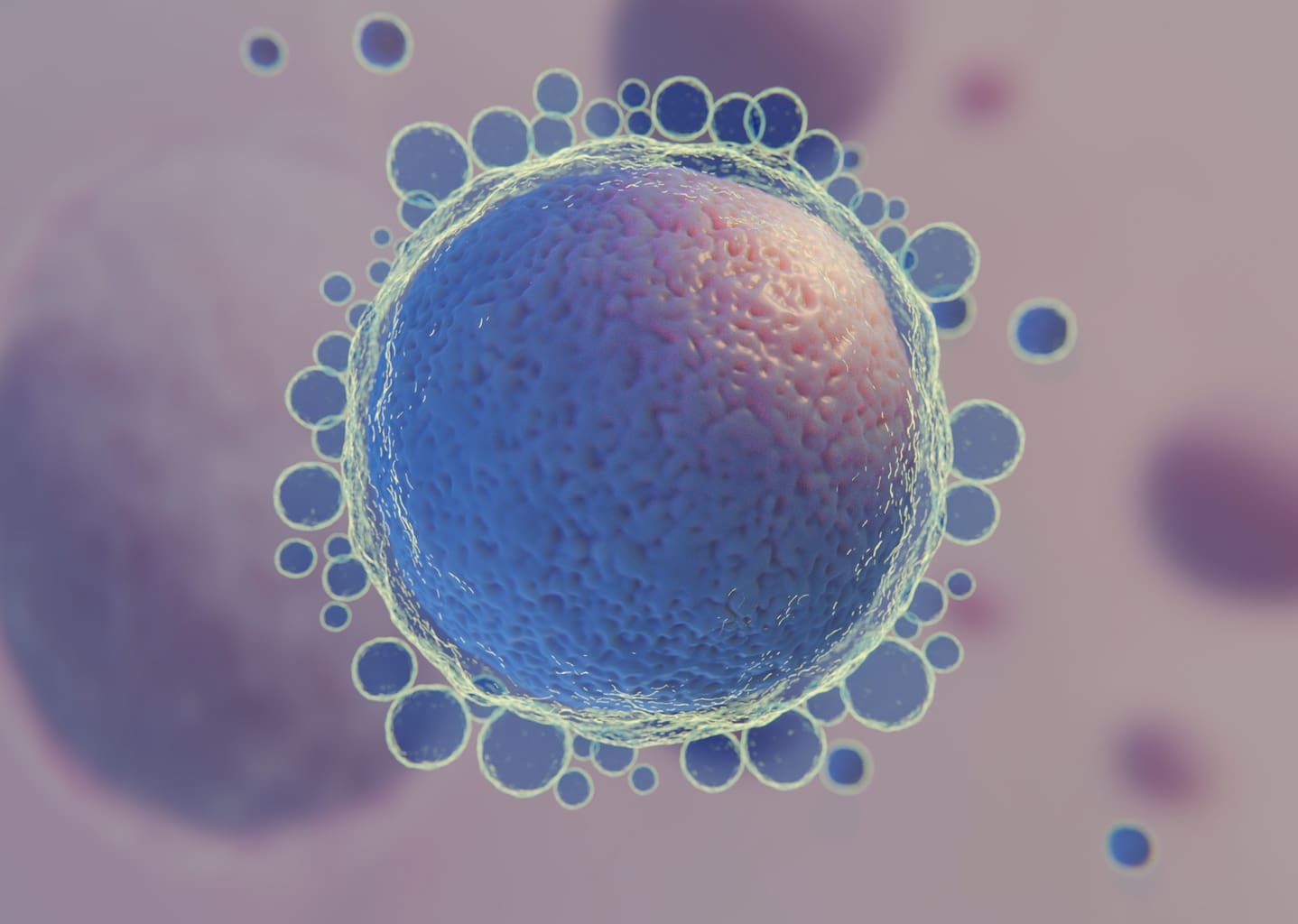
At Liv Hospital, we understand the importance of stem cells in medical treatments. Stem cells are special cells that can grow and change into different types. They help fix and grow tissues.
We aim to provide top-notch healthcare and support for international patients. This article will dive into the different types of stem cells, where they come from, and what they do. It will shed light on their role in healing and growing new tissues.
Key Takeaways
- Understanding the basics of stem cells and their importance in medical treatments.
- Exploring the various types of stem cells and their sources.
- Discovering the functions of stem cells in tissue repair and regeneration.
- Learning about the role of stem cells in regenerative medicine.
- Gaining insights into the latest research and advancements in stem cell therapy.
Understanding Adult Cells vs. Adult Stem Cells
It’s important to know the difference between adult cells and adult stem cells. Adult cells are specialized to do specific jobs in our bodies. On the other hand, adult stem cells can grow and change into different types of cells.
Defining Adult Cells in the Human Body
Adult cells are the basic units of our tissues and organs. They are designed to do certain tasks, like sending signals or moving muscles. These cells help keep our body systems working right.
What Makes Adult Stem Cells Special
Adult stem cells are special because they can grow and change into many types of cells. This makes them key for fixing and growing tissues. Studies on stem cell therapy show they might help with many health issues.
The Concept of Self-Renewal and Tissue Repair
Adult stem cells can keep themselves going, which helps them fix tissues. This is key for keeping our bodies healthy and fixing them when they get hurt. It’s a vital part of staying well.
The Multipotent Nature of Adult Stem Cells
Adult stem cells have a special trait called multipotency. This means they can turn into different cell types within their family. This trait is key for fixing and growing tissues.
Multipotency vs. Pluripotency Explained
The terms multipotency and pluripotency describe how stem cells can change into different cells. Multipotent stem cells, like adult stem cells, can become many cell types but only within their family. On the other hand, pluripotent stem cells, like those from embryos, can turn into any cell type in the body.
Differentiation Capabilities and Limitations
Adult stem cells can turn into different cell types, but they can’t do as much as embryonic stem cells. For example, blood-making stem cells can become all blood cells. But stem cells from connective tissue can only become bone, cartilage, or fat cells.
Comparison with Embryonic Stem Cells
Adult stem cells and embryonic stem cells both can change into different cells, but they’re not the same. Embryonic stem cells can become any cell type, which is why they’re so useful in research. Adult stem cells, being more specific, are already helping in treatments. For more on stem cells, check out Liv Hospital’s stem cell research page.
| Characteristics | Adult Stem Cells | Embryonic Stem Cells |
|---|---|---|
| Potency | Multipotent | Pluripotent |
| Differentiation Ability | Limited to specific lineage | Can differentiate into any cell type |
| Main Role | Tissue repair and growth | Early development and research |
Hematopoietic Stem Cells: Blood Formation and Immune Function
Hematopoietic stem cells are the heroes of our immune system. They work hard to make the blood cells we need. These cells can become any type of blood cell, like red and white blood cells, and platelets.
Characteristics and Functions
These stem cells can make more of themselves. This keeps our blood cell supply going all our lives. They help keep the right balance of blood cells, ready to respond to injury or infection.
Bone Marrow: The Primary Location
The bone marrow is where these stem cells live and work. It’s here they turn into different blood cells before joining the bloodstream.
Applications in Treating Leukemia and Blood Disorders
Hematopoietic stem cell transplantation is key for treating blood disorders like leukemia. It replaces bad stem cells with healthy ones, aiming to cure the disease.
| Disease | Treatment | Outcome |
|---|---|---|
| Leukemia | Hematopoietic Stem Cell Transplantation | Potential Cure |
| Blood Disorders | Hematopoietic Stem Cell Therapy | Improved Blood Cell Production |
| Immune Deficiencies | Stem Cell Transplantation | Restored Immune Function |
Learning about hematopoietic stem cells is key for treating blood diseases. Research into these cells brings hope to patients everywhere.
Mesenchymal Stem Cells: Connective Tissue Regeneration
Mesenchymal stem cells are key in regenerative medicine. They can grow new connective tissue and help in orthopedics. These adult stem cells can turn into bone, cartilage, and fat cells.
Unique Properties and Functions
MSCs have immunomodulatory properties. This means they can control the immune system’s actions. They can also differentiate into multiple cell types. This makes them very useful for healing.
“Mesenchymal stem cells are not just stem cells; they’re medicinal signaling cells that can orchestrate the repair of damaged tissues.”
“Mesenchymal stem cells are not just stem cells; they’re medicinal signaling cells that can orchestrate the repair of damaged tissues.”
Sources in Bone Marrow and Adipose Tissue
MSCs come from bone marrow and adipose tissue. Bone marrow MSCs help with blood cell production. Adipose tissue MSCs are easy to get and plentiful, making them great for treatments.
Therapeutic Applications in Orthopedics
MSCs have a big role in orthopedics. They can fix damaged cartilage and bone. This gives hope to those with osteoarthritis and other bone diseases.
There are ongoing trials to see if MSCs are safe and work well for orthopedic problems.
MSCs are changing how we treat orthopedic issues. This is a big step forward in medicine.
Neural Stem Cells: Brain and Nervous System Repair
Neural stem cells are key in fixing and growing the brain and nervous system. They make new neurons and glial cells. These are vital for the brain’s health and function.
Neurogenesis in the Adult Brain
For a long time, we thought new neurons only grew in young brains. But now, we know some parts of the adult brain make new neurons too. Neural stem cells help the brain adapt and heal from injuries.
Locations in the Central Nervous System
Neural stem cells mainly live in two spots in the adult brain: the subventricular zone and the hippocampus. These areas can make new neurons. These neurons can then move to other parts of the brain, fitting into existing circuits.
Potential for Treating Neurological Disorders
Neural stem cells can make new neurons and fix damaged areas. This makes them a great hope for treating many brain diseases. Scientists are studying how they might help with Parkinson’s, stroke, and spinal cord injuries.
| Neurological Disorder | Potential Treatment Using Neural Stem Cells | Current Research Status |
|---|---|---|
| Parkinson’s Disease | Replacement of dopamine-producing neurons | Preclinical trials |
| Stroke | Repair of damaged neural tissue | Clinical trials |
| Spinal Cord Injury | Regeneration of damaged spinal cord cells | Preclinical trials |
The Role of Adult Cell Types in Skin and Epithelial Regeneration
Epithelial stem cells are key for fixing and growing back skin and epithelial layers all over the body. They keep the skin, our biggest organ, strong. This helps protect us from harm and germs.
Epithelial Stem Cell Functions
These cells do many important things. They turn into different types of cells in the skin layers. This helps fix damaged areas. They can also keep themselves going, which is important for ongoing skin repair.
- Differentiation into epithelial cell types
- Self-renewal to maintain stem cell populations
- Contribution to tissue repair and regeneration
Distribution Throughout Body Tissues
These cells are found in many body parts, like the skin, gut, and lungs. Their wide spread helps keep the skin and other layers in good shape. Studies show they are vital for keeping tissues healthy and regenerating them.
Applications in Wound Healing and Skin Grafts
Epithelial stem cells have big promise for healing wounds and making skin grafts. They can help fix stubborn wounds and create new skin for burns and severe injuries.
Key applications include:
- Enhanced wound healing through stem cell therapy
- Generation of skin grafts for transplantation
- Potential treatments for skin conditions and diseases
Endothelial and Cardiac Stem Cells: Cardiovascular System Maintenance
Endothelial and cardiac stem cells are key to keeping the heart and blood vessels healthy. They help fix damaged heart and blood vessel tissues. This ensures the cardiovascular system works well.
Vascular Repair Mechanisms
Endothelial stem cells are essential for fixing blood vessels. They turn into endothelial cells, which cover the inside of blood vessels. This keeps the blood vessels healthy, even after damage or disease.
Vascular Repair Process: When blood vessels get hurt, endothelial stem cells move to the area. They help fix the lining of the blood vessels. This brings back normal blood flow.
Heart Regeneration Capabilities
Cardiac stem cells can grow new heart tissue. Studies show they can become different types of heart cells. This helps fix damaged heart areas.
| Cell Type | Function | Regenerative Potentia |
|---|---|---|
| Cardiac Stem Cells | Regenerate heart tissue | High |
| Endothelial Stem Cells | Repair blood vessels | Moderate to High |
Treatments for Cardiovascular Diseases
Researchers are looking into using endothelial and cardiac stem cells to treat heart diseases. These cells could help fix damaged heart areas and improve heart health.
Stem cell therapy for heart diseases is making big strides. The use of endothelial and cardiac stem cells is very promising for heart medicine’s future.
Additional Adult Stem Cell Types and Their Functions
There are many adult stem cell types beyond the well-known ones. Each plays a key role in our body’s repair and growth. They are found in different tissues and organs, each with its own special abilities.
Dental Pulp Stem Cells
Dental pulp stem cells (DPSCs) come from the pulp of teeth. They can turn into different cell types, like odontoblasts and osteoblasts. This makes them very interesting for fixing teeth and engineering new tissues.
Adipose-Derived Stem Cells
Adipose-derived stem cells (ADSCs) are from fat tissue. They can become many cell types, including fat cells and bone cells. Because they’re easy to get, they’re being looked at for many uses in medicine and beauty.
Liver and Pancreatic Progenitor Cells
Liver and pancreatic progenitor cells are key for fixing these organs. Liver cells can help fix liver damage. Pancreatic cells might help make insulin, which could help with diabetes.
| Stem Cell Type | Source | Differentiation Potentia | Potential Applications |
|---|---|---|---|
| Dental Pulp Stem Cells | Dental Pulp | Odontoblasts, Osteoblasts, Chondrocytes | Regenerative Dentistry, Tissue Engineering |
| Adipose-Derived Stem Cells | Adipose Tissue | Adipocytes, Osteoblasts, Chondrocytes | Regenerative Medicine, Cosmetic Surgery |
| Liver Progenitor Cells | Liver Tissue | Hepatocytes, Cholangiocytes | Liver Regeneration, Treatment of Liver Diseases |
| Pancreatic Progenitor Cells | Pancreatic Tissue | Insulin-producing Beta Cells | Treatment of Diabetes |
These extra adult stem cell types show how complex and flexible stem cells are. Research into them could lead to new treatments and help us understand our bodies better.
Where Are Adult Stem Cells Located and Derived From?
The human body has many sources of adult stem cells. These cells help keep our tissues healthy and working right. They are found in different parts of our body, helping us heal and grow.
Primary Sources: Bone Marrow and Fat
Bone marrow and fat are key places where adult stem cells are found. Bone marrow-derived stem cells help make blood cells. On the other hand, mesenchymal stem cells in fat can turn into different cell types, like fat and bone cells.
Secondary Sources: Blood, Brain, and Skin
Adult stem cells can also come from blood, brain, and skin. Peripheral blood-derived stem cells are used in treatments for blood diseases. Brain stem cells can become neurons and help with brain problems.
Collection and Isolation Methods
Getting adult stem cells from different tissues uses different methods. Here are some ways:
Aspiration Techniques
To get stem cells from bone marrow, a needle is used. This method is called bone marrow aspiration.
Liposuction Procedures
Liposuction is used to get fat tissue. This tissue is then processed to find stem cells.
Peripheral Blood Collection
Stem cells from blood are collected through apheresis. This is when blood is drawn and processed to find stem cells.
| Source | Stem Cell Type | Collection Method |
|---|---|---|
| Bone Marrow | Hematopoietic Stem Cells | Aspiration |
| Adipose Tissue | Mesenchymal Stem Cells | Liposuction |
| Peripheral Blood | Hematopoietic Stem Cells | Apheresis |
Knowing where and how to get adult stem cells is key for new treatments. It helps in making regenerative medicine better.
Adult Stem Cells in Regenerative Medicine: Current Applications
Adult stem cells have changed the game in regenerative medicine. They offer new hope for many patients. This change is big in how we treat and care for patients.
FDA-Approved Treatments and Therapies
Many treatments with adult stem cells have gotten FDA approval. This is a big deal for regenerative medicine. These include:
- Treatments for leukemia and other blood disorders using hematopoietic stem cells
- Therapies for certain types of corneal damage and vision repair
- Applications in wound healing and skin grafts
These approved treatments show the power of adult stem cells in treating different health issues.
Ongoing Clinical Trials and Research
There are many ongoing clinical trials with adult stem cells. They aim to treat a wide range of conditions. These include:
- Research into the use of mesenchymal stem cells for orthopedic applications
- Studies on neural stem cells for neurological disorders
- Investigations into the role of endothelial and cardiac stem cells in cardiovascular diseases
These trials help us learn more and find new uses for adult stem cells.
Ethical Advantages Over Embryonic Stem Cells
Adult stem cells have a big ethical advantage over embryonic stem cells. They can be taken from bone marrow, fat tissue, and blood. This avoids the ethical issues of embryonic stem cells.
“The use of adult stem cells bypasses the ethical controversies surrounding embryonic stem cells, making them a more acceptable option for many patients and researchers alike.”
Liv Hospital’s Commitment to Stem Cell Research
At Liv Hospital, we’re all in on advancing stem cell research. Our goal is to make regenerative medicine better. We do this by:
International Best Practices
We follow the best practices in stem cell research and therapy. This ensures our patients get top-notch care.
Patient-Centered Care Approach
We focus on each patient’s needs. We create personalized treatment plans for them.
By combining the latest research with a focus on patients, we’re making big strides in regenerative medicine.
Conclusion: The Future of Adult Stem Cell Therapies
Adult stem cells are key to keeping our bodies healthy and fixing damaged tissues. We’ve talked about the different types of adult stem cells and where they come from. This shows how important they are for healing.
The future of using adult stem cells for healing looks bright. Scientists are working hard to find new ways to use them. This could help treat many diseases and injuries by fixing damaged tissues.
At Liv Hospital, we’re all about using adult stem cell therapies to help patients. Our team is always looking for new ways to use these cells for better treatments. We want to give our patients the best care possible.
As scientists learn more about adult stem cells, we’ll see even more amazing things in regenerative medicine. This could lead to better treatments and a higher quality of life for everyone.
FAQ
What are adult stem cells?
Adult stem cells are found in adult tissues. They can grow and change into different cell types. This helps repair and grow tissues.
What is the difference between adult cells and adult stem cells?
Adult cells do one job well. Adult stem cells can become many types of cells. They can also make more of themselves.
Are adult stem cells multipotent?
Yes, adult stem cells can become many cell types. But they can’t become as many as embryonic stem cells.
What are the different types of adult stem cells?
There are many types of adult stem cells. These include hematopoietic, mesenchymal, neural, epithelial, endothelial, and cardiac stem cells.
Where are adult stem cells derived from?
Adult stem cells come from places like bone marrow, fat, blood, brain, and skin. Bone marrow and fat are the main sources.
What are the applications of adult stem cells in regenerative medicine?
Adult stem cells help in many ways. They treat leukemia, blood disorders, and help with bone and wound healing. They also help with heart disease.
Are adult stem cells used in FDA-approved treatments?
Yes, adult stem cells are in some FDA-approved treatments. More research is looking into their uses.
What are the advantages of using adult stem cells over embryonic stem cells?
Adult stem cells are better because they don’t harm embryos. They can be taken from adult tissues.
Can adults have stem cells?
Yes, adults have stem cells. They help keep tissues healthy and repair them.
What is the role of adult stem cells in maintaining cardiovascular health?
Endothelial and cardiac stem cells help the heart. They fix damaged tissues and help blood vessels grow.
References
- Wikipedia: https://en.wikipedia.org/wiki/Adult_stem_cell
- About Stem Cells: https://www.aboutstemcells.org/info/stem-cell-types
- University of Notre Dame: https://stemcell.nd.edu/research/alternative-stem-cell-sources/adult-stem-cells/
- National Institutes of Health: https://pmc.ncbi.nlm.nih.gov/articles/PMC9404248/