
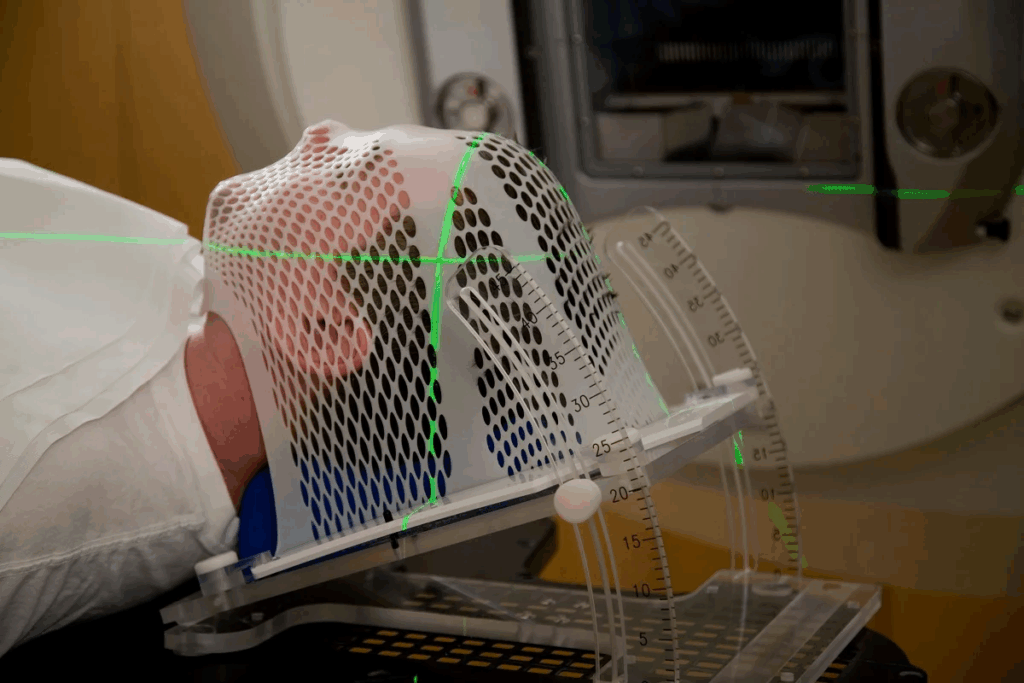
Explore the common after brain radiation effects. We answer the critical question: does SRT make you tired? Get the essential facts. Stereotactic Radiation Therapy (SRT) is a precise way to treat brain tumors. Many patients worry about side effects, like feeling tired. Research shows that a lot of people feel very tired after treatment.
We will look into how SRT affects energy levels. We aim to give you a clear picture of what to expect. Our goal is to mix medical facts with understanding and care.
Key Takeaways
- Understanding Stereotactic Radiation Therapy (SRT) and its possible side effects.
- The link between SRT and feeling tired.
- What to look out for during and after SRT treatment.
- Ways to handle tiredness after SRT.
- The value of follow-up care after SRT.
Understanding SRT and Brain Radiation Therapy
Stereotactic Radiation Therapy (SRT) is a precise way to treat brain tumors. It’s a non-invasive method that focuses high doses of radiation on specific brain areas. This helps avoid harming healthy tissue nearby.
What is Stereotactic Radiation Therapy (SRT)?
SRT uses multiple beams of radiation to target brain tumors. It delivers a high dose of radiation to the tumor while protecting the brain. SRT is great for treating small to medium-sized brain tumors, both benign and malignant.
Advanced imaging and software help SRT achieve its precision. This ensures the radiation hits the tumor spot-on, making the treatment more effective.
How SRT Differs from Other Radiation Treatments
SRT stands out for its precision and ability to deliver high doses in fewer sessions. Unlike traditional radiation, SRT can be finished in just a few sessions. This is more convenient for patients.
Another key difference is SRT’s use of advanced imaging and planning. This leads to more accurate radiation delivery, reducing harm to healthy tissue.
Common Conditions Treated with Brain Radiation
Brain radiation therapy, including SRT, treats various brain conditions. These include brain tumors, benign and malignant, and some vascular malformations. The choice between SRT and other radiation depends on the condition, its size, location, and the patient’s health.
Common conditions treated with SRT include acoustic neuromas, meningiomas, and certain metastatic brain tumors. SRT’s versatility makes it a valuable tool in neuro-oncology.
Types of Brain Radiation Treatments
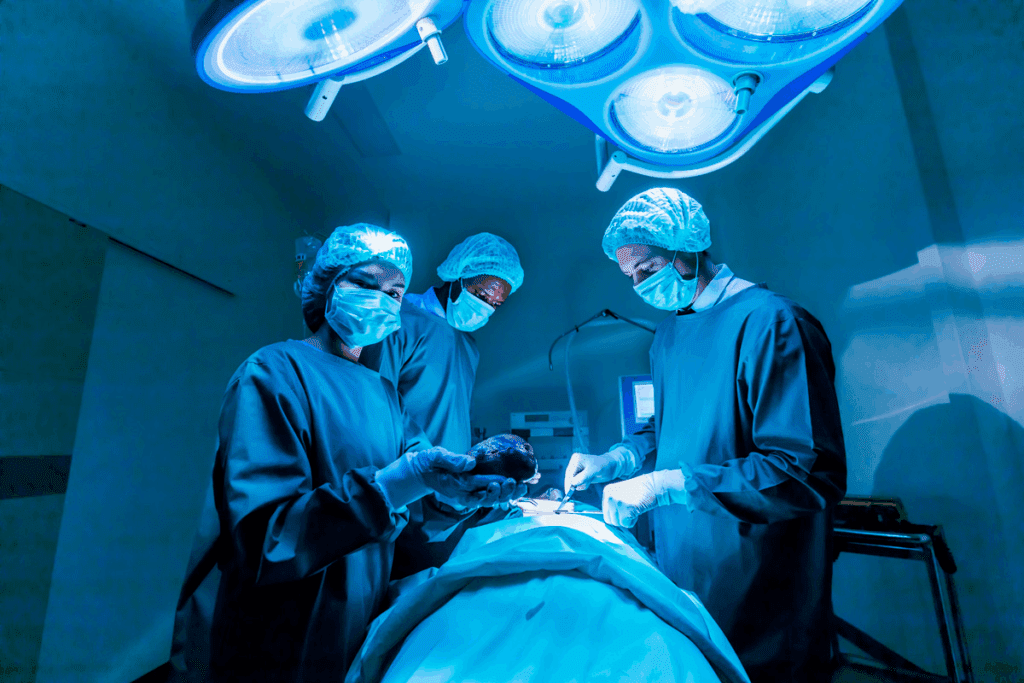
It’s important for patients and their families to know about brain radiation treatments. These treatments have evolved, giving different options for each patient’s needs.
Stereotactic Radiosurgery (SRS)
Stereotactic Radiosurgery (SRS) is a precise radiation therapy. It gives a high dose of radiation to a specific brain area. SRS is often used to treat brain tumors and other conditions that are hard to reach with traditional surgery.
Whole Brain Radiation Therapy
Whole Brain Radiation Therapy (WBRT) radiates the whole brain. It’s used when there are many brain metastases or when cancer has spread to the brain.
Image-Guided SRT
Image-Guided Stereotactic Radiation Therapy (IG-SRT) uses advanced imaging to deliver radiation precisely. This method minimizes damage to healthy brain tissue.
Gamma Knife and CyberKnife Procedures
Gamma Knife and CyberKnife are specialized SRS forms. Gamma Knife uses cobalt sources, while CyberKnife uses a linear accelerator. Both systems deliver accurate radiation, making them good for treating brain tumors and other neurological conditions.
Treatment Type | Description | Common Uses |
Stereotactic Radiosurgery (SRS) | Highly precise radiation delivery to a specific brain target | Brain tumors, AVMs |
Whole Brain Radiation Therapy (WBRT) | Radiation therapy to the entire brain | Multiple brain metastases, cancer spread to the brain |
Image-Guided SRT (IG-SRT) | Precise radiation delivery using advanced imaging | Tumors, minimizing damage to healthy tissue |
Gamma Knife and CyberKnife | Specialized SRS using cobalt sources or linear accelerator | Brain tumors, neurological conditions |
Does SRT Cause Fatigue?
As SRT becomes more common, knowing its side effects is key. Fatigue is a big issue for patients getting many treatments, including radiation therapy.
Prevalence of Fatigue in SRT Patients
Fatigue is a known side effect of SRT. Many studies show that a lot of patients feel tired during and after treatment. How tired someone gets can depend on the treatment dose, where it’s given, and the patient’s health.
Research indicates that about 50-80% of patients getting radiation therapy feel tired.
Comparing Fatigue Levels: SRT vs. Other Radiation Methods
Comparing SRT to other radiation treatments like WBRT shows differences in fatigue. SRT is often better because it’s more precise and treats a smaller area.
- SRT causes less fatigue than WBRT because it targets a smaller area.
- Its precision means less damage to healthy tissues.
- Patients often recover faster with SRT.
Patient Experiences with SRT-Related Tiredness
How patients feel about SRT-related tiredness varies a lot. Some feel a bit tired and get better soon. Others feel very tired and it lasts longer.
“I was surprised by how tired I felt after my SRT treatment. It wasn’t just physical tiredness; I felt mentally drained too.” – A cancer survivor
It’s important for doctors to understand these experiences. This helps them support patients better during SRT.
By knowing about fatigue and managing it, patients can deal with SRT’s side effects better. This improves their life quality during and after treatment.
After Brain Radiation Effects: The Complete Picture
Brain radiation has both immediate and lasting effects on the body. We’ll explore the impacts of Stereotactic Radiation Therapy (SRT) and other treatments. It’s key to know the range of side effects patients might face.
Short-Term vs. Long-Term Effects
Brain radiation can lead to various side effects, divided into short-term and long-term. Short-term effects happen during or right after treatment. Long-term effects may show up months or years later.
Short-term effects include fatigue, headaches, and nausea. These are often treated with medicine and usually go away after treatment ends. Long-term effects, though, can last longer. They might include changes in thinking, radiation necrosis, and issues with hormones.
Factors That Influence Severity of Side Effects
Several factors can affect how severe side effects are for patients getting brain radiation therapy. These include the radiation dose, how it’s given, the brain area treated, and the patient’s health and age.
The dose and how it’s given are key in determining side effect risk. Higher doses and treating larger areas increase risk. Older patients or those with health issues might face more severe side effects.
What Current Research Tells Us About Brain Radiation Effects
Research in radiation oncology is making us understand brain radiation better. Studies show new ways to deliver radiation, like IMRT and proton therapy, can lower side effect risk. They do this by focusing on tumors more and protecting healthy brain tissue.
Research also aims to lessen side effects. This includes programs to help patients with thinking changes after radiation therapy.
Effect Type | Short-Term Effects | Long-Term Effects |
Common Symptoms | Fatigue, headaches, nausea | Cognitive changes, radiation necrosis, endocrine disturbances |
Management Strategies | Medication, rest, nutritional support | Cognitive rehabilitation, medication, ongoing monitoring |
Influencing Factors | Radiation dose, treatment volume, patient health | Radiation dose, patient age, pre-existing conditions |
Immediate Side Effects of Brain Radiation
It’s important to know the immediate side effects of brain radiation. This knowledge helps in caring for patients better. Stereotactic radiation therapy (SRT) can affect the brain and tissues around it.
Headaches and Pain Management
Headaches are a common side effect of brain radiation. They happen because of swelling or inflammation in the brain. Effective pain management is key to easing these headaches.
Patients might get medicines to help with pain. Sometimes, corticosteroids are used to reduce swelling. Keeping a headache diary is also helpful. It tracks when and how bad the headaches are.
Nausea and Digestive Issues
Nausea is another side effect some patients face after brain radiation. It can be caused by the brain’s reaction to radiation or swelling. Anti-nausea medications are given to help manage this.
Changing what you eat can also help. Eating small meals often and avoiding greasy or spicy foods is advised. Drinking lots of water is also important.
Skin Reactions at Treatment Sites
Skin reactions at the treatment sites are possible. These can range from mild redness to severe irritation. Proper skin care is vital to reduce these effects.
Patients should keep their skin clean and dry. Avoiding harsh soaps or lotions and protecting the area from sunlight is important. Healthcare providers might suggest creams or ointments to help the skin heal. Following these recommendations is key to prevent infection and help the skin recover.
Neurological Side Effects of SRT
SRT can affect the brain in many ways, causing neurological side effects. It’s important for patients and caregivers to know about these effects to manage them well.
Cognitive Changes and “Brain Fog”
“Brain fog” can happen after SRT, leading to trouble focusing, memory problems, or feeling less sharp. These effects can be different for everyone and last for varying lengths of time.
Studies show that brain changes are more common in those who got more radiation or had treatment in brain areas that are very sensitive. Helping with these issues might involve special training and making lifestyle changes.
Cognitive Symptom | Potential Management Strategies |
Memory lapses | Memory aids, cognitive training |
Difficulty concentrating | Cognitive rehabilitation, stress management |
Mental clarity issues | Lifestyle adjustments, cognitive exercises |
Seizures After Radiation for Brain Tumors
Seizures can be a side effect of SRT, mainly for those with brain tumors. The risk depends on the tumor’s location, size, and the radiation dose.
“Seizures can be a challenging complication of brain radiation therapy. Effective management often requires a combination of antiepileptic medications and close monitoring.”
Those with seizures after SRT need to work closely with their doctors. Uncontrolled seizures can really affect a person’s quality of life.
Motor and Sensory Disturbances
Motor and sensory issues can also happen after SRT. These might include weakness, numbness, or tingling, depending on where the treatment was.
Rehabilitation is key in dealing with these issues. Physical and occupational therapy, along with other support, can help patients get back to normal and adapt to any lasting changes.
Knowing about the possible neurological side effects of SRT helps patients prepare for their treatment. It’s vital to talk about any worries or symptoms with healthcare providers for the best care.
Brain Swelling and Edema Following Radiation
Brain swelling, or edema, can happen after radiation therapy. It’s important for patients to know about this. Radiation can cause inflammation and swelling in brain tissue. This can lead to symptoms that may need medical help.
Symptoms of Brain Swelling from Radiation
The symptoms of brain swelling from radiation can differ. They depend on how severe and where the swelling is. Common symptoms include:
- Headaches
- Nausea and vomiting
- Confusion and disorientation
- Seizures
- Weakness or numbness in parts of the body
These symptoms can be tough to deal with. But, it’s key to tell your healthcare provider about them.
Treatment Options for Radiation-Induced Edema
There are ways to treat radiation-induced edema. The goal is to reduce swelling and ease symptoms. Common treatments include:
- Corticosteroids: Medications like dexamethasone help reduce inflammation.
- Monitoring: Regular imaging studies track the edema and adjust treatment as needed.
- Supportive care: Measures to manage symptoms, such as anti-nausea medication or pain relief.
In some cases, more intense treatments might be needed. Your healthcare team will discuss these options with you if necessary.
Timeline for Resolution
The time it takes for brain swelling to go away after radiation therapy varies. For some, it might take just a few weeks. For others, it could last longer or need ongoing care.
It’s vital to follow up with your healthcare provider to keep an eye on your condition. They can adjust your treatment plan as needed.
Knowing about brain swelling and edema after radiation therapy helps patients and caregivers. It prepares them for possible side effects and when to get medical help.
Long-Term Effects of Stereotactic Radiation
SRT is a key treatment for brain issues. It’s good at targeting tumors and other problems. But, it’s important for patients and doctors to know about possible long-term effects.
Cognitive Impairment After Radiation Therapy
Cognitive issues are a big worry for SRT patients. The treatment can mess with memory, attention, and how fast you process information. How much it affects you depends on the dose, where it’s aimed, your age, and health.
Studies show younger people and those getting lower doses might not get as bad effects. But, it’s key to keep an eye on how your brain is doing to help manage these issues.
Radiation Necrosis
Radiation necrosis is when brain tissue dies from radiation. It can cause headaches, confusion, and serious brain problems. The risk goes up with higher doses and in sensitive brain areas.
Dealing with radiation necrosis might need medicines to reduce swelling and sometimes surgery. Catching it early with scans is vital for treatment.
Endocrine and Hormonal Changes
SRT can mess with hormones, mainly if it’s near the pituitary gland or hypothalamus. This can lead to tiredness, hormonal imbalances, and changes in how you metabolize food.
If you’re getting SRT in these areas, watch for signs of hormone problems. Hormone therapy and other treatments might be needed to handle these side effects.
Managing Fatigue After Brain Radiation
Fatigue is a common side effect of brain radiation. But, there are ways to manage it. Understanding the different methods to fight radiation-related tiredness is key.
Medical Interventions for Radiation-Related Fatigue
Medical help is important for managing fatigue after brain radiation. This can include:
- Medications to help with symptoms like pain or depression
- Changing treatments or medications that might cause or worsen fatigue
- Dealing with conditions like anemia or hypothyroidism that can make you tired
Doctors work with patients to find the best medical help for their situation.
Energy Conservation Techniques
Conserving energy is key for managing fatigue. Techniques include:
- Doing important activities when you have the most energy
- Breaking tasks into smaller parts to avoid getting too tired
- Using tools to make physical tasks easier
These strategies help patients save energy for important tasks.
Exercise and Physical Activity Recommendations
Exercise might seem like it would make you tired, but it can actually help. Recommended activities include:
Activity | Benefits | Frequency |
Walking | Improves circulation, boosts mood | Daily, 10-15 minutes |
Yoga | Enhances flexibility, reduces stress | 2-3 times a week |
Swimming | Low-impact exercise, improves cardiovascular health | 2 times a week |
Always talk to your doctor before starting any new exercise after brain radiation therapy.
A study on cancer-related fatigue found that “exercise is now recognized as a key component of fatigue management” (
Exercise is now recognized as a key component of fatigue management, with evidence supporting its effectiveness in reducing fatigue in cancer patients.
). This shows how important it is to include physical activity in your routine.
By using medical help, energy-saving techniques, and the right exercise, patients can manage fatigue after brain radiation. This improves their quality of life.
Nutrition and Lifestyle Strategies to Combat Radiation Fatigue
Radiation therapy can be very tiring. But, there are ways to feel better. Eating right and living well can make a big difference for those going through treatment.
Dietary Approaches to Boost Energy
Eating well is key to keeping energy up during treatment. Focus on foods that are full of nutrients. Here are some tips:
- Eat lots of fruits and veggies for antioxidants
- Choose lean proteins for muscle health
- Whole grains give you lasting energy
- Stay away from processed and sugary foods
Talking to a nutritionist can also help. They can give advice that fits your needs and treatment.
Hydration and Its Impact on Fatigue
Drinking enough water is very important. Water helps keep your energy up. Here are some tips for staying hydrated:
- Drink water all day long
- Watch how much caffeine you drink
- Eat foods that help you stay hydrated, like watermelon
- Check your urine color to see if you’re drinking enough
Sleep Hygiene for Radiation Patients
Good sleep is key to fighting fatigue. A regular sleep schedule and a comfy sleep space can help a lot. Consider these tips:
- Stick to a regular sleep schedule
- Make your sleep area quiet and comfy
- Avoid exciting activities before bed
- Don’t use screens before sleeping
By using these tips, you can fight fatigue and feel better during and after treatment.
Recovery Timeline: What to Expect After SRT
The journey to recovery after SRT has several stages. Each stage has its own challenges and milestones. Knowing these stages helps manage expectations and improve healing.
Immediate Post-Treatment Period (First Week)
In the first week, patients often feel tired. Fatigue is a common symptom as the body reacts to the therapy. It’s important to rest and conserve energy during this time.
Some may also feel mild headaches or nausea. These can usually be managed with medication.
Short-Term Recovery (1-3 Months)
In the short-term recovery phase, patients start to feel more energetic. But some may continue to feel lingering fatigue. It’s important to gradually increase physical activity and do stress-reducing activities to improve well-being.
Follow-up appointments with the healthcare team are key during this time. They help monitor progress and address any concerns.
- Gradually increase physical activity
- Engage in stress-reducing activities like meditation or yoga
- Attend follow-up appointments with your healthcare team
Long-Term Healing and Adaptation
In the long term, most patients continue to recover and adapt. Some see significant improvements in their condition. It’s important to keep a healthy lifestyle, including a balanced diet and regular exercise, to support long-term healing.
Some patients may need ongoing rehabilitation or therapy to manage lasting effects of SRT.
Understanding the recovery timeline after SRT is key. Being prepared for each stage can greatly improve the outcome. By working closely with their healthcare team and adopting healthy habits, patients can optimize their recovery and enhance their quality of life.
When to Contact Your Healthcare Provider
Knowing when to reach out to your healthcare provider after Stereotactic Radiation Therapy (SRT) is key. It helps you manage your recovery and tackle any issues quickly.
Warning Signs That Require Immediate Attention
Keep a close eye on your health after SRT. Look out for these warning signs that mean you need to see a doctor right away:
- Severe headaches that don’t get better with medicine
- Confusion or disorientation, which could be a sign of a brain problem
- Seizures, if you’ve had them before
- Weakness or numbness in any part of your body
- Fever over 100.4°F (38°C)
If you notice any of these symptoms, call your healthcare provider or go to the emergency room if it’s an emergency.
Managing Expected vs. Unexpected Side Effects
After SRT, you might feel tired, have headaches, or skin reactions. Some side effects are expected, while others are not. Knowing the difference helps you handle your recovery better.
Expected Side Effects: These include feeling tired, mild headaches, and skin reactions near the treatment area. Most of these can be managed and usually go away within a few weeks.
Unexpected Side Effects: If you have symptoms that weren’t talked about with your doctor, like severe brain changes or swelling, report them. These could be serious and need immediate attention.
Follow-up Care Schedule After Brain Radiation
Having a follow-up care plan is important after SRT. It helps your healthcare team keep an eye on your recovery and manage side effects. They will schedule:
- First follow-up in 1-2 weeks after treatment
- Regular visits every 3-6 months for the first year
- Annual or bi-annual check-ups after that, based on your situation and treatment response
These appointments are important. They let your healthcare team check on your progress, handle side effects, and adjust your treatment plan if needed.
Being informed and proactive helps you get through the recovery period after SRT. You’ll know when to seek help and how to take care of yourself.
Conclusion: Balancing Treatment Benefits and Side Effects
As we wrap up our talk on Stereotactic Radiation Therapy (SRT), it’s clear that finding a balance is key. Treatment benefits must be weighed against side effects for the best results. SRT is a powerful tool for treating brain conditions, boosting life quality and survival chances.
But, it’s vital to manage radiation therapy side effects well. This lets patients handle the treatment and get the most out of it. Knowing the side effects of SRT helps doctors find ways to lessen them. This makes the treatment more effective and improves patient experiences.
We stress the need for a full approach to SRT, looking at both the good and the bad. This way, patients can make smart choices about their care. And doctors can offer tailored support, leading to better health outcomes.
FAQ
What is Stereotactic Radiation Therapy (SRT) and how does it work?
Stereotactic Radiation Therapy (SRT) is a precise way to treat brain tumors. It focuses high doses of radiation on the tumor. This helps protect the healthy tissue around it.
Does SRT cause fatigue?
Yes, fatigue is a common side effect of SRT. The level of fatigue can vary. It depends on the treatment dose, how long it lasts, and the patient’s health.
How long does fatigue last after SRT?
Fatigue after SRT can last differently for everyone. Some might feel better in a few weeks. Others might take longer. Always talk to your doctor about your situation.
What are the immediate side effects of brain radiation?
Right after brain radiation, you might feel headaches, nausea, and skin issues at the treatment site. Doctors can help manage these with medicine and other support.
Can SRT cause neurological side effects?
Yes, SRT can lead to neurological side effects. These include changes in thinking, seizures, and motor problems. The risk depends on where and how much radiation is used.
How can I manage fatigue after brain radiation?
Managing fatigue after brain radiation involves several steps. This includes medical help, saving energy, and making lifestyle changes. These include exercise, eating well, and getting enough sleep.
What dietary approaches can help boost energy after SRT?
Eating a balanced diet with proteins, complex carbs, and healthy fats can help. Drinking plenty of water is also key for fighting fatigue.
When should I contact my healthcare provider after SRT?
If you have severe or getting worse side effects, like more fatigue, headaches, or neurological issues, call your doctor. Also, make sure to follow up as recommended.
What are the long-term effects of stereotactic radiation?
Long-term effects can include thinking problems, radiation damage, and hormone changes. Regular check-ups with your doctor are important to monitor and manage these effects.
How can I minimize the risk of side effects from SRT?
To lower the risk of side effects, focus on precise treatment planning and radiation delivery. Also, follow your doctor’s advice on managing side effects and staying healthy.
References
National Center for Biotechnology Information. Trephining Paleoneurological Insights Into Ancient Cranial Surgery. Retrieved from https://www.ncbi.nlm.nih.gov/pmc/articles/PMC3876527/