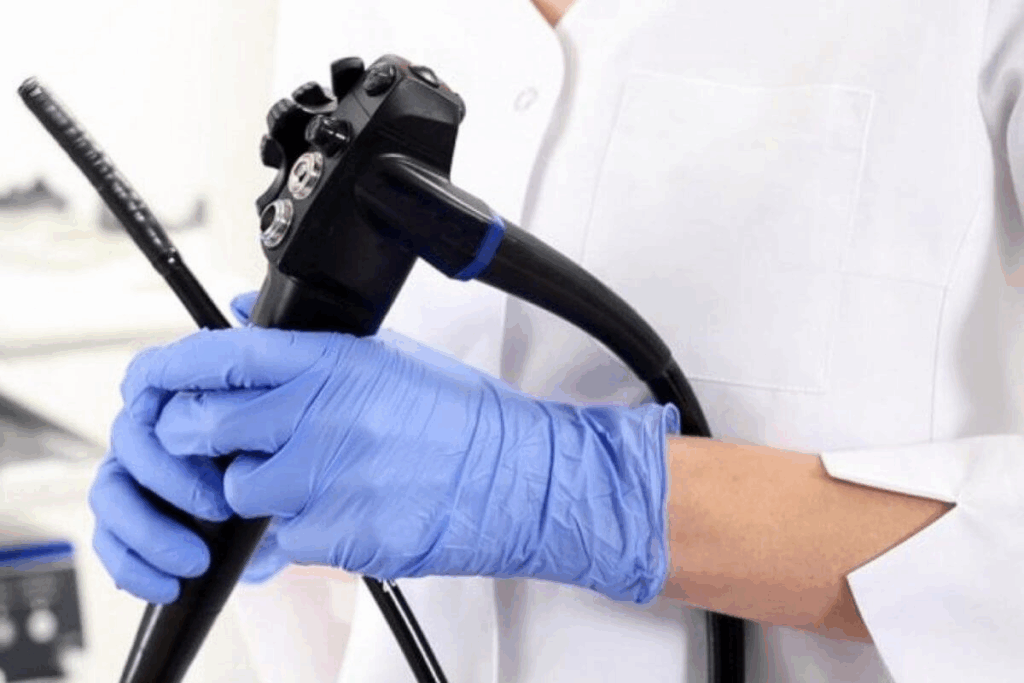
Proper post-procedure care is key for a smooth recovery and good digestive health. We know that after a colonoscopy, you might feel unsure. But with the right advice, you can feel confident and comfortable while you recover.
This is your ultimate after colonoscopy care guideAge for Colonoscopy: Life-Saving Guide. Learn 7 of the best, proven tips, what to eat, and how to feel better fast.
Rest, drink plenty of water, and eat light foods to help you get better. It’s important to watch for any unusual pain or bleeding. Most people can go back to normal activities the next day. But, it’s vital to stick to a good care routine to avoid any problems.
Key Takeaways
- Rest and rehydrate after the procedure
- Eat lightly to aid in recovery
- Monitor for unusual pain or bleeding
- Resume normal activities the next day
- Follow a proper care routine to minimize complications
What to Expect During the First Few Hours After Your Procedure

When you come out of the colonoscopy, knowing what to expect helps with recovery. The first hours are key as the sedation and anesthesia wear off.
Effects of Sedation and Anesthesia
The sedation from your colonoscopy might make you feel sleepy and confused. It’s normal to feel groggy and not remember much. It’s best to have someone with you for a few hours after, as you might not be able to drive or make decisions.
Most people get over the sedation’s effects in a few hours. But, everyone recovers at their own pace. It’s important to follow the care instructions from your healthcare provider.
Initial Physical Sensations
After a colonoscopy, you might feel some weird physical feelings. These can include bloating, cramping, or discomfort in your belly. This is because air was put into your colon during the procedure, causing temporary bloating.
A summary of common symptoms and their typical duration is provided in the table below:
Symptom | Typical Duration | Management Tips |
Bloating | A few hours to a day | Walking, avoiding carbonated drinks |
Cramping | A few hours | Over-the-counter pain relievers (as directed) |
Discomfort | Several hours | Rest, hydration |
Knowing about these symptoms and how to handle them can help your recovery. If you have severe or ongoing symptoms, reach out to your healthcare provider for advice.
Essential After Colonoscopy Care Guidelines

After a colonoscopy, it’s important to follow certain care guidelines for a smooth recovery. We know the post-procedure period can be tough. So, we’ve outlined the necessary steps to help you take care of yourself.
Hydration and Rest Requirements
Resting and staying hydrated are key to your recovery. We suggest you rest the remainder of the day and start your regular activities the next day. It’s also important to drink plenty of fluids to replace lost water during bowel prep. Avoid heavy lifting and intense exercise for at least 24 hours after the procedure.
Monitoring Your Recovery
Watching your recovery closely is vital to catch any issues early. Pay attention to how your body reacts to the procedure and any unusual symptoms. If you have severe or ongoing discomfort, contact your healthcare provider for advice.
By following these essential care guidelines, you can lower the risk of complications and ensure a smooth recovery. Remember, your health and well-being are our top priority. We’re here to support you every step of the way.
Managing Common Physical Discomfort
After a colonoscopy, you might feel bloated, have stomach cramps, or pass gas. This is because air was used during the test. These issues usually go away quickly with a few simple steps.
Addressing Bloating and Abdominal Cramps
Bloating and cramps are common after a colonoscopy. To feel better, try walking. It helps move things along and eases pain.
Tips to Reduce Bloating and Cramps:
- Take short walks to help stimulate bowel movements
- Avoid heavy meals for a few hours after the procedure
- Apply a warm compress to your abdomen to help soothe cramps
Dealing with Gas and Flatulence
Passing gas is normal after a colonoscopy. This is because air was used during the test. To handle gas and flatulence, try these:
- Avoiding carbonated drinks and foods that can cause gas
- Engaging in light physical activity to help move gas through the digestive system
- Considering over-the-counter remedies for gas relief if necessary
Remember, these symptoms don’t last long and will go away by themselves. But if you’re in a lot of pain or it doesn’t get better, call your doctor.
Dietary Recommendations Following Your Colonoscopy
After a colonoscopy, it’s key to eat the right foods for healing. What you eat can greatly affect your comfort and recovery. This is true for the first hours and days after the procedure.
First Meals After the Procedure
Start with clear liquids like broth or electrolyte-rich drinks to replace lost fluids. Then, you can add foods like soup, toast, or crackers. These foods are light and easy to digest, helping your body adjust without strain.
As you get better, you can eat solid foods again. But, avoid heavy or greasy foods for 24 to 48 hours. Eating bland foods first can help avoid discomfort and complications.
What to Avoid in Your Diet
Knowing what not to eat after a colonoscopy is as important as knowing what to eat. Some foods can upset your stomach or cause discomfort. Here are foods to limit or avoid in the early recovery period:
- Spicy Foods: These can irritate your stomach and cause discomfort.
- High-Fiber Foods: While fiber is good, high-fiber foods can be hard to digest right after a colonoscopy.
- Fatty or Greasy Foods: These are hard to digest and may cause nausea or discomfort.
- Carbonated Drinks: Drinks like soda can cause gas and bloating.
By following these dietary tips, you can make your recovery after a colonoscopy smoother and more comfortable.
Food Category | Recommended Foods | Foods to Avoid |
Liquids | Clear broth, electrolyte-rich beverages | Carbonated drinks |
Solid Foods | Soup, toast, crackers, bananas | Spicy, fatty, or greasy foods |
Fiber Intake | Low-fiber foods initially | High-fiber foods like beans, cabbage |
“The key to a comfortable recovery after a colonoscopy lies in choosing the right foods. Opt for gentle, easily digestible options, and avoid anything that could irritate your digestive system.”
Activity Restrictions and Returning to Normal Life
It’s important to know what activities you should avoid after a colonoscopy. Your body needs time to heal from the procedure and the sedation. This is key for your safety and recovery.
Driving and Transportation Guidelines
Driving is a big no-no after a colonoscopy. You should not drive or use heavy machinery for at least 24 hours. This is because the sedation can affect your reaction time and judgment.
Make sure to have someone drive you home. Your safety is the top priority.
Key Considerations for Driving and Transportation:
- Do not drive until you feel fully recovered and alert.
- Have a friend or family member accompany you home.
- Avoid operating heavy machinery or engaging in activities that require full alertness.
Physical Activity Limitations
There are also limits on physical activities after a colonoscopy. Avoid heavy lifting, bending, or exercise for at least 24 hours. This helps your body recover properly.
Activity | Recommended Waiting Time |
Light walking | Immediately |
Strenuous exercise or heavy lifting | At least 24 hours |
Returning to work | Typically the next day, depending on your job’s physical demands |
By sticking to these guidelines, you can avoid complications and have a smooth recovery. It’s all about taking care of yourself after a colonoscopy.
Special Care Instructions After Polyp Removal or Biopsy
If you’ve had polyps removed or a biopsy taken during your colonoscopy, you’ll need to take some extra precautions during your recovery. We understand that this can be a concerning time, and we’re here to guide you through the necessary steps to ensure your safety and comfort.
Additional Recovery Considerations
When polyps are removed or a biopsy is performed, there’s a risk of bleeding or other complications. To minimize these risks, we recommend avoiding nonsteroidal anti-inflammatory drugs (NSAIDs) like ibuprofen or naproxen, as they may increase the risk of bleeding. It’s vital to follow your doctor’s instructions regarding medication and other aspects of your recovery.
Monitoring for Complications
It’s essential to monitor your body’s response to the procedure and watch for signs of possible complications. These can include:
- Severe abdominal pain
- Rectal bleeding
- Fever
If you experience any of these symptoms, please contact your healthcare provider immediately. They can provide guidance and, if necessary, intervene to prevent more serious issues.
“Proper post-colonoscopy care is vital, specially after polyp removal or biopsy. Patients should be vigilant about monitoring their symptoms and seeking medical attention if they experience anything unusual.” – Medical Expert, Gastroenterologist
Medication Management in Your After Colonoscopy Care
Knowing how to handle your meds after a colonoscopy is key to a good recovery. It’s vital to follow your doctor’s advice on medications to ensure a safe and effective healing process.
Resuming Regular Medications
You can usually go back to your regular meds as your doctor tells you. But, it’s important to tell your doctor about all your meds, including over-the-counter ones and supplements. This helps avoid any bad reactions or problems.
It’s recommended to:
- Follow the specific guidance provided by your healthcare provider regarding when to resume your medications.
- Be aware of any medications that may need to be adjusted or temporarily stopped before or after your procedure.
Pain Management Options
Acetaminophen is often suggested for pain or discomfort after a colonoscopy. Make sure to take it as directed and ask your doctor if you have any questions or worries.
Key considerations for pain management include:
- Avoiding over-the-counter medications that may irritate the stomach or interact with other medications.
- Following your healthcare provider’s advice on pain management to minimize possible side effects.
By managing your meds carefully and following your doctor’s advice, you can help ensure a smooth and safe recovery after your colonoscopy.
Warning Signs That Require Medical Attention
It’s important to know the signs of complications after a colonoscopy. While serious issues are rare, knowing them can help you act fast when needed.
Severe or Persistent Symptoms
Some discomfort is normal after a colonoscopy. But, certain symptoms need quick attention. Look out for severe abdominal pain, rectal bleeding, or fever. If you see these, call your doctor right away.
Also, watch for dizziness or lightheadedness. This could mean you’re dehydrated or having a bad reaction. If you can’t stop vomiting or can’t pee, get medical help fast.
Symptom | Action |
Severe abdominal pain | Contact healthcare provider |
Rectal bleeding | Seek immediate medical help |
Fever | Notify healthcare provider |
Emergency Situations
Complications can sometimes turn into emergencies. If you have heavy bleeding that won’t stop, severe abdominal tenderness, or signs of an allergic reaction, go to the emergency room or call 911.
Knowing what to expect after a colonoscopy helps you know when to worry. Usually, you should feel better within 24 hours. If you get worse or have any scary symptoms, call your doctor.
Watching your health after a colonoscopy and knowing when to get help is key to a smooth recovery. If you’re unsure, always better to check with your doctor.
Long-term Follow-up and Future Screening Recommendations
After a colonoscopy, it’s key to know your results for future screenings. Your doctor will talk about the findings with you. You might need another colonoscopy soon, depending on what was found.
Understanding Your Results
Your colonoscopy results show if polyps were found and removed. They also check for cancer or other issues. It’s important to understand what your results mean for your future screenings.
- If no polyps were found, your doctor will tell you when to have your next screening. This depends on your age, family history, and other factors.
- If polyps were removed, the type and number will decide when to have your next colonoscopy.
- If cancer or high-risk polyps were found, you’ll need more frequent screenings and possibly other treatments.
Planning Your Next Screening
Your healthcare provider will suggest a screening schedule based on your results and health. Following this schedule is key for catching colorectal cancer early.
Here are some general guidelines for future screenings:
- If you have no polyps or a low risk of colorectal cancer, your next screening might be in 10 years.
- For small, low-risk polyps, a follow-up colonoscopy could be suggested in 7-10 years.
- If you have high-risk polyps or a history of colorectal cancer, your doctor might recommend a follow-up in 3-5 years or sooner.
Understanding your colonoscopy results and following the recommended schedule is important. It helps you stay proactive about your colorectal health.
Conclusion: Ensuring a Smooth Recovery After Your Colonoscopy
After your colonoscopy, it’s key to follow the care guidelines for a smooth recovery. We’ve outlined the important steps to handle common symptoms, diet, and activity limits. These steps help you recover well from your colonoscopy.
Following these guidelines helps avoid complications and ensures a safe recovery. Our advice is made to keep you healthy during this time. It helps you get back to your usual activities quickly.
Good after colonoscopy care is essential for a great outcome. We stress the need for staying hydrated, resting, and watching your recovery. This approach lowers the chance of bad effects and aids in a smooth recovery.
We’re dedicated to top-notch healthcare with full support. By sticking to our guidelines, you can have a safe and easy recovery. This lets you confidently return to your daily life.
FAQ
What are the after effects of a colonoscopy?
After a colonoscopy, you might feel bloated, crampy, or uncomfortable. This is because of the air used during the test. These feelings usually go away by themselves.
How do I feel after a colonoscopy?
You might feel sleepy or a bit mixed up because of the sedation. You might also feel some physical discomfort, like bloating or cramping.
What should I expect the day after a colonoscopy?
The next day, you might feel bloated or uncomfortable. It’s important to eat right, drink lots of water, and rest well. This helps you get better faster.
How long after a colonoscopy can I drive?
It’s best to not drive for at least 24 hours after a colonoscopy. The sedation can make it hard to react quickly or make good decisions.
What are the instructions after a colonoscopy?
After a colonoscopy, eat light foods, drink plenty of water, and rest. Also, keep an eye on how you’re feeling and watch for any bad symptoms.
How can I manage gas and flatulence after a colonoscopy?
To deal with gas and flatulence, try walking, avoid fizzy drinks, and use over-the-counter meds like simethicone.
What should I eat after a colonoscopy?
Start with soft foods like broth, crackers, or plain toast after a colonoscopy. As you feel better, you can go back to your usual diet.
Can I resume normal activities after a colonoscopy?
You can start doing normal things again, but avoid hard work, heavy lifting, or bending for a few days.
What are the warning signs that require medical attention after a colonoscopy?
If you have severe or ongoing belly pain, heavy bleeding, fever, or signs of infection, get medical help right away.
When should I plan my next colonoscopy screening?
How often you need a colonoscopy depends on your risk, medical history, and past results. Your doctor will tell you when it’s time for the next one.
How will I understand my colonoscopy results?
Your doctor will explain your results, including any findings or what you need to do next. Don’t hesitate to ask questions or clarify anything you don’t understand.
What are the common symptoms after a colonoscopy?
After a colonoscopy, you might feel bloated, crampy, uncomfortable, or have gas. These feelings are usually short-lived and go away by themselves.
Can I take pain medication after a colonoscopy?
You can take over-the-counter pain meds like acetaminophen for any discomfort or pain. But always follow what your doctor advises.
References
Government Health Resource. Post-Colonoscopy Care: Recovery and Digestive Health. Retrieved from https://gi.org/journals-publications/ebgi/anderson_hagen_apr2025/