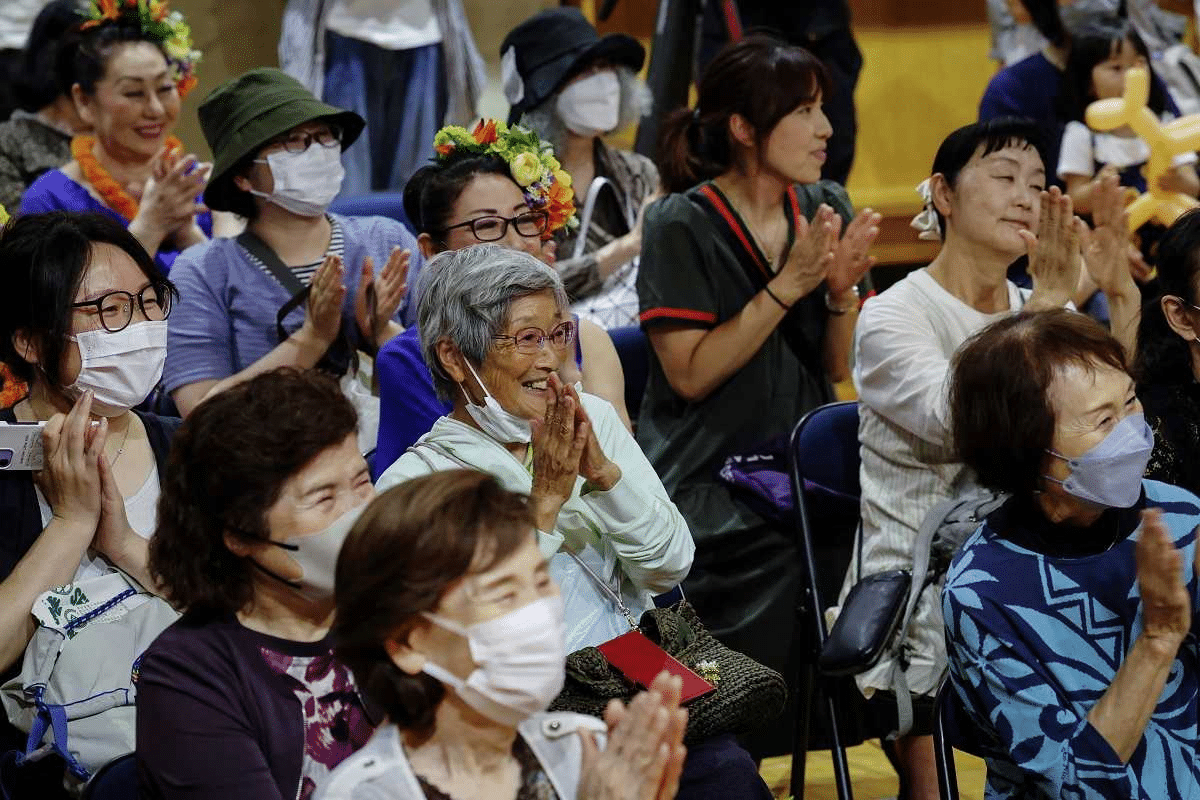
Learn about the aging population problems. Discover 5 crucial issues affecting the world today, from economic burden to healthcare system strain.
The world is seeing a big change. By 2050, one in six people globally will be over 65. The number of people aged 80 and above is expected to triple to 426 million. This big change is causing big problems for healthcare, economies, and social systems everywhere.
We are working hard to solve these aging population challenges. The need for more healthcare and social support is urgent. As the world’s population ages, it’s key to understand the aging crisis to find ways to lessen its effects.
Key Takeaways
- The global elderly population is projected to more than double by mid-century.
- Healthcare systems face unprecedented challenges in delivering care to the aging population.
- Economic and social institutions must adapt to support the growing elderly demographic.
- Innovative solutions are required to address the complex needs of an aging world.
- Understanding the aging crisis is key for developing effective mitigation strategies.
The Global Demographic Shift

The world’s population is aging, and this is a big issue. We need to pay close attention to it. The number of older people is going up, and this trend will keep growing.
The share of people aged 65 and over has almost doubled. It went from 5.5 percent in 1974 to 10.3 percent in 2024. This change is a big deal for our global population’s age structure.
Current Statistics on Population Aging
The global population is aging fast. The number of older people is growing quickly. This affects many areas, like healthcare, the economy, and social structures.
|
Year |
Percentage of Population Aged 65+ |
Global Population (Billions) |
|---|---|---|
|
1974 |
5.5% |
4 |
|
2024 |
10.3% |
8 |
|
2050 (Projected) |
16.4% |
9.7 |
The table shows how fast the percentage of older people is growing. It also shows the total global population. These numbers highlight the big change we’re seeing.
Projections for 2050 and Beyond
By 2050, 16.4% of the global population will be 65 or older. This trend will keep going. By 2074, nearly 20.7% of the world’s population will be in this age group.
The effects of these changes will be huge. They will affect healthcare, social security, and the job market. As more people age, there will be more need for healthcare and social support.
It’s important for policymakers and healthcare providers to understand these trends. They need to plan for the challenges and opportunities that come with an aging global population.
Understanding Aging Population Problems in Modern Society

The world’s population is aging fast, bringing many challenges. We need to work together to tackle these issues. It’s important to grasp the aging crisis and its wide-ranging effects.
Definition and Scope of the Aging Crisis
The aging crisis is a big problem caused by a growing number of older people. This change shifts the population’s balance.
This crisis touches many areas, like healthcare, economies, and social systems. Healthcare is hit hard, needing more care for older people.
|
Aspect |
Current Status |
Projected Change by 2050 |
|---|---|---|
|
Global Population Aged 65+ |
730 million |
1.5 billion |
|
Old-age Dependency Ratio |
12.3% |
25.4% |
|
Healthcare Expenditure on Elderly |
$1.2 trillion |
$2.5 trillion |
Historical Context and Acceleration Factors
The aging population issue isn’t new, but it’s getting worse fast. Better medicine and living standards have helped people live longer. But, fewer babies are being born, making the younger population smaller.
Several things have made this demographic shift happen faster. Healthcare improvements, lifestyle changes, and economic factors have played a role. Knowing these factors helps us find ways to deal with the aging crisis.
Looking at the past and the factors that led to today’s situation is key. This way, we can find good solutions to handle the aging crisis’s effects on society.
Healthcare System Burden: The First Critical Problem
As the world’s population ages, healthcare systems are under more pressure. They must provide top-notch care for older adults. This includes managing chronic diseases and addressing issues like frailty and cognitive decline.
Increasing Demand for Specialized Geriatric Care
Older adults face more chronic diseases and geriatric syndromes. This creates big challenges for healthcare. It needs a team of experts to handle these complex issues.
There’s a growing need for geriatric specialists and care facilities. Healthcare training must change to meet the needs of older adults.
Chronic Disease Management Challenges
Chronic diseases like diabetes and heart disease are common in older adults. Managing these conditions is complex. It involves medication, lifestyle changes, and regular check-ups.
Dealing with chronic diseases in the elderly is tough due to multiple health issues. Healthcare systems need to adapt. They must use coordinated care models to meet the needs of older adults.
|
Chronic Disease |
Prevalence in Older Adults |
Management Challenges |
|---|---|---|
|
Diabetes |
High |
Medication management, lifestyle changes |
|
Hypertension |
Very High |
Monitoring blood pressure, medication adherence |
|
Heart Disease |
High |
Surgical interventions, lifestyle modifications |
Geriatric Syndromes: Frailty, Falls, and Cognitive Decline
Geriatric syndromes like frailty, falls, and cognitive decline are big concerns. They can greatly affect the quality of life and independence of older adults.
Frailty means a decline in physical function, making older adults more vulnerable. Falls are a major cause of injury, leading to serious health problems. Cognitive decline can range from mild to severe, affecting memory and thinking.
Dealing with these syndromes requires a broad approach. This includes prevention, early detection, and targeted interventions. Healthcare systems must focus on developing programs to help older adults.
Economic Sustainability: The Second Critical Problem
The world’s population is aging at a record pace. This makes ensuring economic stability very hard. The aging population creates big challenges for the economic systems of countries everywhere.
Declining Worker-to-Beneficiary Ratio
The worker-to-beneficiary ratio is a big problem for economic stability. As people get older, there are fewer workers to support the retirees. This puts a lot of pressure on pension systems and social security.
Here’s a table showing how dependency ratios are changing in different countries:
|
Country |
Dependency Ratio (2020) |
Dependency Ratio (2050) |
|---|---|---|
|
United States |
21.3 |
35.4 |
|
Japan |
44.9 |
73.4 |
|
Germany |
32.3 |
55.2 |
Labor Market Transformations
Labor markets are changing due to an aging population. People are working longer, making the workforce more experienced.
Key labor market shifts include:
- More older workers participating
- Move towards flexible work options
- Risk of age-based job discrimination
Impact on Economic Growth and Innovation
The aging population affects economic growth and innovation a lot. Older workers bring valuable experience, but a shrinking workforce can cause labor shortages. This can hurt economic productivity.
Innovation strategies to address these challenges include:
- Supporting lifelong learning
- Using technology to boost productivity
- Encouraging teamwork between different age groups
Pension Systems Under Pressure: The Third Critical Problem
The aging population is putting a lot of pressure on pension systems worldwide. As people live longer, these systems face a big challenge. They are at risk of not being able to support retirees anymore.
Sustainability Challenges of Current Systems
Many pension systems are facing big challenges. The old pay-as-you-go model, where current workers support retirees, is not working anymore. This is because there are fewer workers compared to retirees.
Changes in demographics are affecting pension systems. In many countries, the population is getting older fast. This means there are fewer workers and more retirees.
|
Country |
Percentage of Population Over 65 |
Pension System Sustainability Status |
|---|---|---|
|
Japan |
28% |
High Risk |
|
Italy |
23% |
High Risk |
|
United States |
16% |
Moderate Risk |
Reform Initiatives Worldwide
Countries are starting to reform their pension systems. These reforms aim to make these systems sustainable for the long term. They also want to protect the retirement incomes of citizens.
Some reforms include raising the retirement age and changing how benefits are calculated. They also introduce automatic stabilizers. These adjust pension benefits based on changes in demographics and the economy.
Private vs. Public Pension Responsibilities
There’s a debate about the role of private and public pension systems. Some think private systems are more flexible and sustainable. Others see public systems as a necessary safety net.
In the future, we might see a mix of both. Governments and individuals will share the responsibility for retirement savings.
Key Considerations for Pension System Reform
- Ensuring sustainability through demographic adjustments
- Balancing the role of public and private pension systems
- Protecting retirement incomes while promoting economic growth
Long-term Care Infrastructure: The Fourth Critical Problem
As the world’s population ages, the need for long-term care is growing fast. We face big challenges in meeting the needs of our aging population. This includes providing enough and quality long-term care.
Current Capacity vs. Exponentially Growing Future Needs
The current long-term care infrastructure is struggling to meet the growing demands. Facilities are often under-resourced, and the workforce is too small. As the population ages, the gap between current capacity and future needs will grow.
We must think about the impact of this growing demand on our long-term care systems. The table below shows the expected increase in the need for long-term care services in different regions.
|
Region |
2020 |
2030 |
2040 |
|---|---|---|---|
|
North America |
10 million |
15 million |
20 million |
|
Europe |
12 million |
18 million |
25 million |
|
Asia-Pacific |
8 million |
12 million |
18 million |
Quality of Care Concerns
Ensuring the quality of care is a big concern in long-term care. As demand grows, there’s a risk that care quality may drop. We need to focus on quality care and keep high standards in all facilities.
Financing Long-term Care Systems
Financing long-term care is another big challenge. We must find sustainable ways to fund growing needs. This includes using both public and private funds, and exploring new financing ideas.
We are at a key moment in addressing long-term care needs for our aging population. By understanding the challenges and working on solutions, we can ensure our aging population gets the care they need.
Health Quality Paradox: The Fifth Critical Problem
The health quality paradox is a big worry with more older people. It shows that even though people live longer, those extra years might not be as good. This makes healthcare systems work harder and affects the quality of life for the elderly.
Longer Lives Often Spent in Poor Health
Older people often deal with chronic diseases and mental health issues. This makes healthcare systems face big challenges. It’s becoming clear that longer lives often mean more health problems, which changes how we need to think about healthcare.
Key statistics illustrating this issue include:
- More older adults have chronic diseases like diabetes, heart disease, and arthritis.
- There’s a higher rate of mental health problems, such as depression and dementia.
- There’s a growing need for long-term care for older adults with complex health needs.
Mental Health Challenges Among the Elderly
Mental health is very important for older adults. We’re seeing more mental health issues, like depression, anxiety, and cognitive decline. These problems not only hurt the individual’s quality of life but also put more pressure on healthcare and social care systems.
Effective strategies to address mental health challenges include:
- Early detection and intervention for mental health issues.
- Integration of mental health services into primary care.
- Promotion of community-based support services.
End-of-Life Care Considerations
With people living longer, there’s more focus on the quality of end-of-life care. We need to think about the ethical, legal, and clinical sides of end-of-life care. This ensures older adults get dignified and compassionate care at the end of their lives.
Key considerations for end-of-life care include:
- Advance care planning to respect patients’ wishes.
- Palliative care to manage pain and symptoms effectively.
- Support for families and caregivers during the bereavement process.
Social Isolation and Community Integration Challenges
Social isolation is a big problem for older adults. It affects their mental and physical health a lot. We need to tackle this issue to make life better for seniors.
Many things can make seniors feel isolated. Loss of a spouse and chronic health conditions can cut down on their social life. Also, the death of friends and family members can make them feel very alone.
Causes of Social Isolation Among Seniors
There are many reasons why seniors might feel isolated. These include:
- Demographic changes: Changes in family structures and more mobility can mean seniors live alone.
- Health issues: Chronic illnesses and disabilities can make it hard to move around and meet people.
- Technological advancements: While tech can connect us, it can also leave out those who don’t know how to use it.
Knowing why seniors feel isolated is the first step to helping them.
Community Support Systems
Community support is key to fighting social isolation in seniors. Community centers, senior clubs, and volunteer programs offer chances to meet others and feel part of a community.
Good community support means:
- Creating places where seniors can easily meet up.
- Starting programs that bring together people of different ages.
- Helping caregivers and family members with resources and training.
By building a supportive community, we can lessen social isolation and boost seniors’ happiness.
Regional Variations in Aging Population Problems
Problems related to an aging population vary by region. This is due to economic status and cultural practices. The impact of an aging population is not the same everywhere.
Developed vs. Developing Nations
Developed and developing nations face different challenges with an aging population. Developed countries have better social security and healthcare for the elderly.
Developing nations, on the other hand, struggle with less money, poor healthcare, and no safety nets for the elderly. This is shown in the table below:
|
Category |
Developed Nations |
Developing Nations |
|---|---|---|
|
Social Security Systems |
Established and extensive |
Limited or non-existent |
|
Healthcare Infrastructure |
Advanced and easy to access |
Basic and hard to reach |
|
Elderly Care Facilities |
Available, often supported by the state |
Scarce, mostly private |
Cultural Approaches to Elderly Care
Cultural views on elderly care are key in solving aging population issues. In some places, family takes care of the elderly. In others, it’s the state’s job.
In many Asian cultures, children are expected to care for their parents as a sign of respect. Western countries often rely on state or private care.
It’s important to understand these regional and cultural differences when making policies for an aging world. By recognizing these differences, we can create better solutions.
Technology and Innovation in Addressing Aging Challenges
As the world’s population ages, technology and innovation are key in tackling aging challenges. We’re seeing a big change. Technology is helping older adults live better, independently, and at home.
Digital Health Solutions
Digital health solutions are changing healthcare for older adults. These include:
- Telemedicine services, allowing remote consultations and monitoring.
- Personalized health management through mobile apps and wearable devices.
- Electronic Health Records (EHRs) that help healthcare providers work together.
These digital health solutions make healthcare more accessible. They also help improve health by catching problems early and preventing them.
|
Digital Health Solution |
Description |
Benefits |
|---|---|---|
|
Telemedicine |
Remote healthcare consultations |
Increased accessibility, reduced hospitalization |
|
Mobile Health Apps |
Personalized health tracking and management |
Improved health outcomes, enhanced patient engagement |
|
EHRs |
Electronic Health Records |
Coordinated care, reduced medical errors |
Assistive Technologies for Independence
Assistive technologies are vital for older adults’ independence. These include:
- Smart home devices that automate household tasks.
- Robotic companions that provide social interaction and support.
- Fall detection systems that alert caregivers in case of emergencies.
By using these technologies, older adults can stay independent. They can also stay connected with their communities and enjoy a better life.
We’re dedicated to using technology and innovation to tackle aging challenges. This way, we can make the world a more supportive and inclusive place for older adults everywhere.
Policy Responses to Global Aging Population Problems
Effective policies are key to tackling global aging issues. As the world ages, governments must create strategies for both immediate needs and long-term stability. This includes economic and social sustainability.
National Aging Strategies
Countries worldwide are tackling aging challenges with various strategies. These include pension reforms, healthcare upgrades, and support for older workers. The goal is to ensure older citizens’ needs are met.
Some countries are raising the retirement age to keep pension systems afloat. Others are investing in healthcare for older adults. Below are some examples of these strategies.
|
Country |
Strategy |
Objective |
|---|---|---|
|
Japan |
Raising retirement age |
Ensure pension system sustainability |
|
Sweden |
Investing in elderly care technology |
Improve quality of life for older adults |
|
Singapore |
Promoting active aging through community programs |
Enhance social integration and health of older adults |
International Cooperation Initiatives
International cooperation is vital for tackling global aging issues. Organizations like the World Health Organization (WHO) help share best practices. They also coordinate global responses to aging challenges.
Balancing Economic and Social Priorities
Creating policies for aging populations is complex. It requires balancing economic needs with social ones. Meeting the social needs of older adults is just as important as economic stability.
Policies supporting older workers, like flexible retirement, help balance these needs. Investing in healthcare and social care also improves older adults’ lives. This reduces healthcare costs too.
By taking a broad, multi-faceted approach, governments can craft effective, sustainable policies. This ensures the well-being of older citizens now and in the future.
Conclusion
The world is facing big challenges because of an aging population. This affects healthcare, economies, and social systems everywhere. We’ve looked at five key problems: healthcare burden, economic issues, pension troubles, long-term care needs, and health quality issues.
We need to tackle these problems fast and together. It’s important to find new ways to handle the growing number of elderly people. We must make sure our healthcare and social systems can support them.
By tackling these challenges, we can create a better future for the elderly. This will help make our society stronger and more caring. It’s all about supporting our aging population with dignity and care.
FAQ
What are the main challenges posed by an aging population?
An aging population puts a big strain on healthcare systems. It also raises concerns about the economy’s future. There are issues with pensions, long-term care, and seniors feeling isolated.
How is the global demographic shift affecting the world?
The world is seeing more older people. This is causing big problems for healthcare, economies, and social systems everywhere.
What are the implications of the aging crisis?
The aging crisis means more people need special care for older adults. It also means more focus on managing chronic diseases and dealing with issues like frailty and cognitive decline.
How does an aging population affect economic sustainability?
An aging population changes the workforce. It leads to fewer workers and more retirees. This affects economic growth and innovation.
What are the challenges faced by pension systems?
Pension systems are facing big challenges. They need reforms and debates on whether to be private or public. This is due to the growing number of retirees.
What is the health quality paradox?
The health quality paradox is when people live longer but in poor health. It includes mental health issues in the elderly and thinking about end-of-life care.
How can technology and innovation address aging challenges?
Technology and innovation can help seniors stay independent. Digital health solutions and assistive technologies are key.
What are the regional variations in aging population problems?
Aging problems vary by region. Developed and developing countries face different challenges. Cultural views on elderly care also play a role.
What policy responses are being implemented to address global aging population problems?
Governments are creating national aging strategies. They’re also working together internationally. They aim to balance economic and social needs.
What is the significance of community support systems in addressing social isolation among seniors?
Community support is vital for seniors. It helps them stay connected and receive care. This fights social isolation.
How can long-term care infrastructure be improved?
To improve long-term care, we need to meet future needs. We must also enhance care quality and find ways to fund it.
What is the impact of an aging population on healthcare systems?
An aging population increases healthcare demands. There’s more need for geriatric care, managing chronic diseases, and addressing geriatric syndromes.
What are the problems associated with an aging world population?
An aging world faces economic and pension system challenges. There are gaps in long-term care and social isolation among seniors.
How does the aging crisis affect the global economy?
The aging crisis changes the labor market. It leads to fewer workers and affects economic growth and innovation.
References
World Health Organization. Evidence-Based Medical Guidance. Retrieved from https://www.who.int/news-room/fact-sheets/detail/ageing-and-health