Getting an allogeneic stem cell transplant is a big step for those fighting cancer and blood disorders. At Liv Hospital, we know it’s important to understand the timeline of this treatment. It helps patients and their families plan better.
The stem cell transplant process can last weeks to months. The stay in the hospital for the transplant is usually 3–4 weeks. But, it can take 6–12 months to fully recover and get your immune system back.
Studies show that survival rates after an allogeneic transplant vary. They can be between 54.8% and 72.1%, depending on several factors.
We offer full support during this challenging time. Our goal is to give our patients the best care possible. We follow global standards and use the latest treatment methods.
How long for an allogeneic transplant? Discover amazing scary timing secrets and find powerful, vital ways to plan your essential recovery.
Key Takeaways
- The allogeneic stem cell transplant process can take several weeks to months.
- Inpatient stay is typically around 3–4 weeks.
- Full immune recovery can take 6–12 months.
- One-year overall survival rates range from 54.8% to 72.1%.
- Liv Hospital provides complete support throughout the transplant journey.
What Is an Allogeneic Stem Cell Transplant?
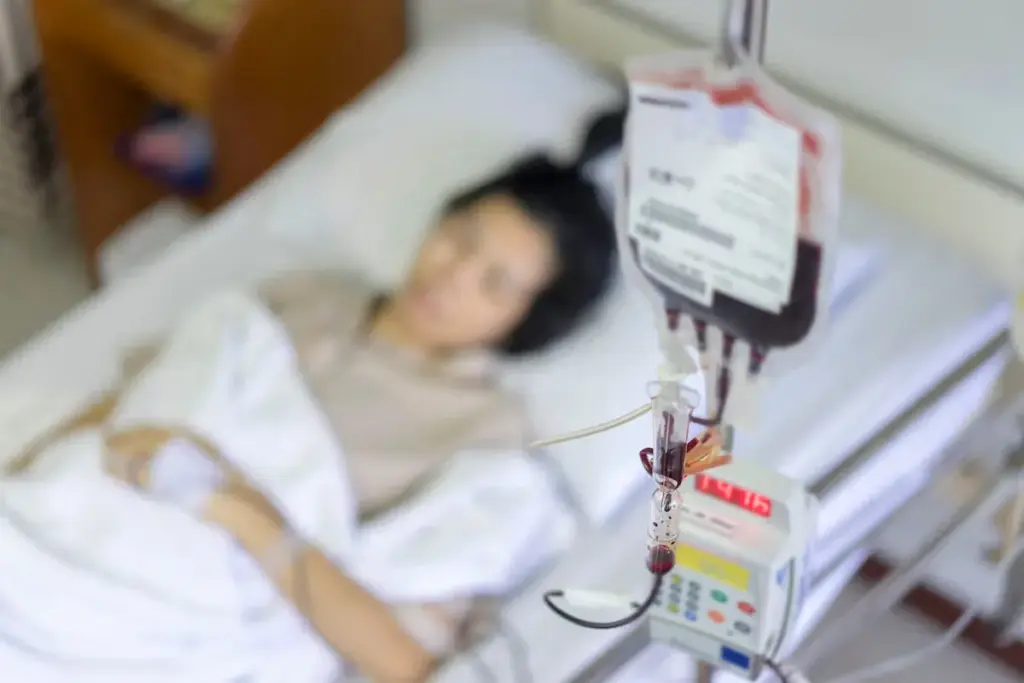
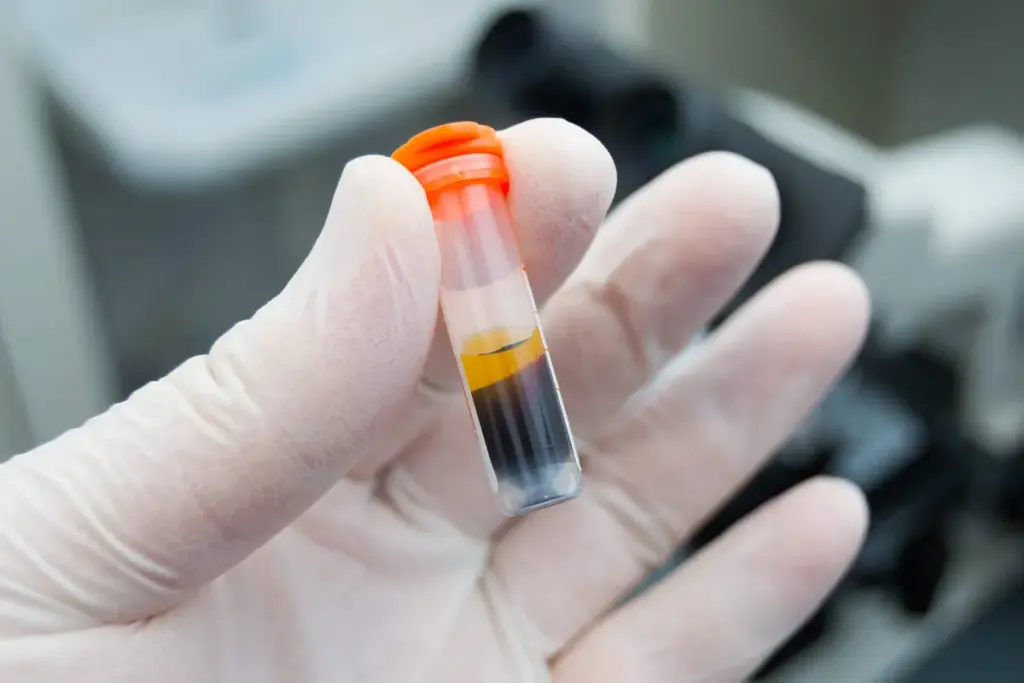
For those with serious blood disorders, an allogeneic stem cell transplant can be a lifesaver. It involves moving stem cells from a donor to the patient. This aims to replace the patient’s sick or damaged stem cells with healthy ones.
This transplant is key for people with certain cancers like leukemia and lymphoma. The success depends on the donor and recipient being a good match. This is checked through HLA typing.
Definition and Medical Purpose
An allogeneic stem cell transplant is when stem cells from a donor are given to a patient. Its main goal is to treat serious diseases by swapping the patient’s stem cells for healthy ones.
It’s more than just swapping cells; it’s a second chance at life. The transplant rebuilds the patient’s immune system. This lets it fight off diseases better.
Types of Conditions Treated
Allogeneic stem cell transplants treat many conditions, including:
- Acute Myeloid Leukemia (AML)
- Acute Lymphoblastic Leukemia (ALL)
- Chronic Myeloid Leukemia (CML)
- Myelodysplastic Syndromes (MDS)
- Lymphomas, including Hodgkin and non-Hodgkin lymphoma
These diseases are often deadly and need strong treatment. A stem cell transplant is considered when other treatments don’t work or are not possible.
Knowing how allogeneic stem cell transplants help can guide patients and their families. It helps them make better choices about their care.
The Complete Timeline of an Allogeneic Transplant
Going through an allogeneic stem cell transplant is a long journey with many steps. Each step has its own time and challenges. Knowing what to expect can make the journey easier.
Overview of the Entire Process Duration
The allogeneic transplant process is split into several key parts: pre-transplant, hospital stay, early recovery, and long-term recovery. Each part has its own timeline and needs.
Pre-Transplant Phase (2-4 Weeks)
The pre-transplant phase is very important. It’s when the patient gets ready for the transplant. This includes tests, talks with doctors, and treatments to get the body ready. It usually lasts 2 to 4 weeks.
Hospital Admission Phase (3-4 Weeks)
The hospital admission phase is when the transplant happens. Patients stay in the hospital for close care and monitoring. This part usually lasts 3 to 4 weeks, when the immune system is very weak.
After leaving the hospital, patients start the early recovery phase. This is a very important time that can last up to 100 days. During this time, they are watched closely for any problems or GVHD.
Long-Term Recovery (6-12 Months)
The long-term recovery phase can last from 6 to 12 months. Here, the immune system starts to get better, and patients can slowly go back to normal life. It’s very important to keep up with follow-up care during this time to ensure a smooth recovery.
Knowing about these phases and their timelines helps patients and their families get ready for what’s ahead. We are dedicated to giving full care and support through the whole process of hematopoietic cell transplantation (HSC transplantation).
Pre-Transplant Evaluation and Preparation
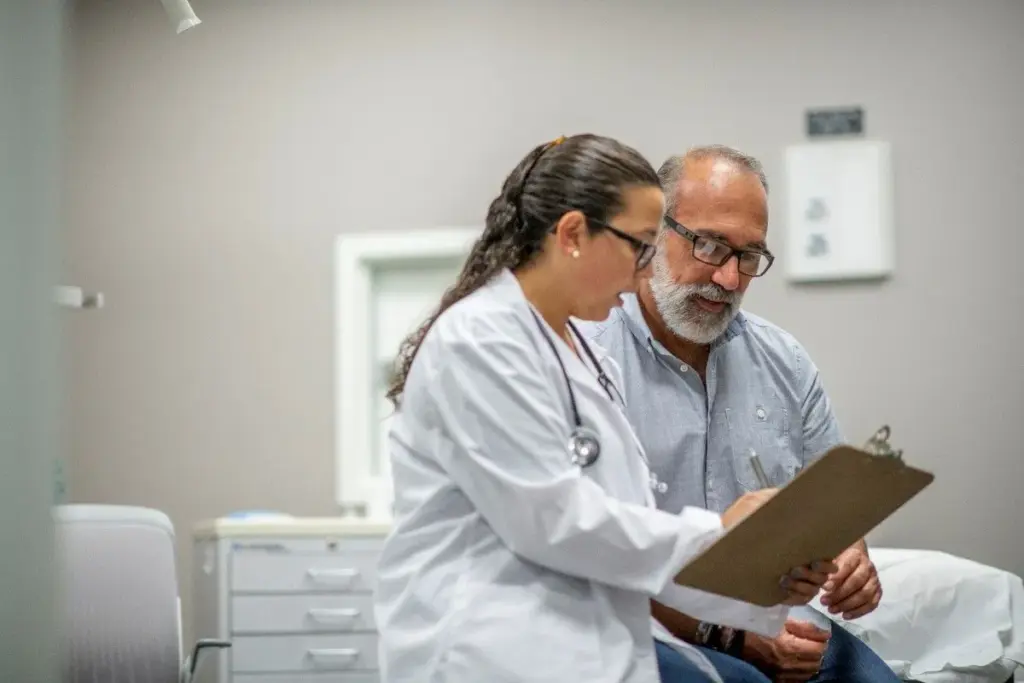
At Liv Hospital, we help our patients through the complex steps before an allogeneic bone marrow transplant. This important time makes sure patients are ready for the transplant.
Initial Consultation and Testing Period
The journey starts with an initial consultation. Our specialists talk about the patient’s condition, the transplant, and what to expect. Then, a detailed testing period checks the patient’s health and if they match with the donor.
Medical Clearance Process
Our team does a deep medical clearance process to check if the patient is ready for the transplant. They run many tests to find any risks.
Financial and Logistical Planning
Planning finances and logistics is key during this time. We help patients understand costs and plan for things like:
- Travel and accommodation for the patient and their caregiver
- Insurance coverage and financial help options
- Time off work or school
Arranging Caregiver Support
Getting caregiver support is vital. Patients need help after the transplant. We help find caregivers and guide them on how to help.
|
Pre-Transplant Preparation Steps |
Timeline |
Responsibility |
|---|---|---|
|
Initial Consultation |
1-2 weeks |
Patient, Medical Team |
|
Testing Period |
2-4 weeks |
Medical Team |
|
Medical Clearance |
1-2 weeks |
Medical Team |
|
Financial and Logistical Planning |
Ongoing |
Patient, Hospital Staff |
Donor Selection for Allogeneic Transplants
Finding a compatible donor is key to a successful allogeneic transplant. This involves HLA typing and matching, choosing between related and unrelated donors, and understanding stem cell collection.
HLA Typing and Matching Process
HLA typing is a genetic test that looks at genes on white blood cells. It’s vital for matching donor and recipient. A good match lowers the risk of graft-versus-host disease (GVHD) and boosts transplant success.
“A close HLA match is vital for the success of the transplant,” as it significantly reduces the risk of complications. Ideally, a donor with a 10/10 HLA match is considered optimal.
Related vs. Unrelated Donor Timelines
Finding a donor can take different times based on their relation to the patient. Related donors, like siblings, are quicker to identify and test. Unrelated donors need a search through global registries, which takes longer.
Stem Cell Collection Procedures
After finding a donor, stem cells are collected. This is done through bone marrow harvest or peripheral blood stem cell collection.
Bone Marrow Harvest
Bone marrow harvest is a surgical procedure to remove marrow from the hip bones. It’s done under anesthesia and requires a short hospital stay.
Peripheral Blood Stem Cell Collection
Peripheral blood stem cell collection stimulates the bone marrow to release stem cells into the blood. These are then collected through apheresis. This method is less invasive and allows donors to get back to normal activities quickly.
Conditioning Regimen Duration and Effects
An allogeneic stem cell transplant’s success depends on the conditioning regimen. This treatment phase gets rid of diseased cells and weakens the immune system. It prepares the body for the new stem cells, making the transplant work well.
Purpose of Pre-Transplant Conditioning
The main goal of the conditioning regimen is to make room for the donor stem cells. It kills off bad cells and lowers the immune system. This helps prevent the body from rejecting the transplant.
Myeloablative vs. Reduced-Intensity Conditioning
There are two main conditioning regimens: myeloablative and reduced-intensity. Myeloablative conditioning is strong and wipes out the bone marrow. Reduced-intensity conditioning uses less chemotherapy and radiation, aiming to just weaken the immune system.
Timeline for Different Regimens
The length of the conditioning regimen changes based on the type and the patient’s health. Myeloablative conditioning usually lasts 7-10 days. Reduced-intensity conditioning is shorter, often 3-5 days. The exact time also depends on the chemotherapy and radiation used.
Managing Side Effects During Conditioning
It’s important to manage side effects during the conditioning regimen. These can include nausea, tiredness, and hair loss. We use medicines to help with nausea and pain, and also support nutrition to keep the patient strong.
Understanding the conditioning regimen’s effects helps patients prepare for their treatment. They know what to expect and how to handle the challenges of this important phase.
The Hospital Stay for Allogeneic Transplantation
The hospital stay is key for allogeneic transplant care. At Liv Hospital, we focus on giving our patients the best care. This includes medical attention and support.
Average Inpatient Duration
The transplant itself takes about 3 to 4 weeks in the hospital. Our team watches over the patient closely. They handle any issues that come up during the transplant.
Day-by-Day Breakdown of Hospital Stay
The hospital stay has several important parts:
- Transplant Day (Day 0): This is when the stem cells are given to the patient. It’s a big moment in the transplant.
- Engraftment Period (Days 10-28): After the transplant, the stem cells start making new blood cells. It’s a time when we watch very closely to make sure everything goes right.
Transplant Day (Day 0)
On transplant day, our team works hard to make sure everything goes well. The stem cells are infused into the patient’s blood.
Engraftment Period (Days 10-28)
During this time, we keep a close eye on the patient. We watch for signs of the stem cells working and any problems. Our team gives support, like medicines and blood, to help the patient.
Medical Monitoring and Supportive Care
Patients get a lot of care while they’re in the hospital. We check their vital signs, blood counts, and overall health often. Our team works hard to manage side effects and any problems that come up. We want the best for our patients.
Recovery Timeline After Discharge
After a stem cell transplant, patients start a key recovery phase. This time is vital for getting back to normal. Knowing the recovery timeline helps patients and their families plan for what’s next.
First 100 Days Post-Transplant
The first 100 days are very important. Patients need frequent follow-up appointments to check on their health. These visits help catch any problems early.
Frequent Follow-up Appointments
Regular visits with the healthcare team are key in the first 100 days. They help keep an eye on the patient’s health and spot any issues early. Studies show that close care leads to better results for stem cell transplant patients.
Common Milestones and Challenges
In the first 100 days, patients face challenges like infections and GVHD. But, many start to get better. It’s important for patients to watch for signs of trouble and tell their doctors right away.
Immune System Recovery Period (6-12 Months)
The immune system takes 6–12 months to fully recover. Patients are at risk for infections and may need to keep taking medicines to prevent GVHD. This is a big step towards getting better.
Return to Normal Activities Timeline
As the immune system gets stronger, patients can start doing normal things again. How fast this happens varies. It can take months to a year or more to feel fully back to normal.
Knowing the recovery timeline is key for stem cell transplant patients. It helps them prepare for what’s ahead and work with their healthcare team for the best results.
Survival Rates and Long-Term Outcomes
Recent studies have shown that survival rates for allogeneic transplant patients are getting better. This is great news for patients and their families. It helps them understand the benefits and challenges of this life-saving treatment.
One-Year Survival Statistics
Recent studies have found that one-year survival rates for allogeneic transplant patients range from 54.8% to 72.1%. This depends on several factors, like when the transplant was done. The rise in survival rates shows how far medical care has come.
Non-Relapse Mortality Trends
Non-relapse mortality has gone down over the years. It used to be around 30% and now it’s about 12%. This drop is a big win for patient care, better donor matching, and how we manage patients after transplant.
Long-Term Survival Expectations
Long-term survival chances vary for patients. But, thanks to better medical care, many can enjoy a good life after transplant. The patient’s health, any other health issues, and how well the transplant works all play a part.
Quality of Life Considerations
Quality of life after transplant is very important. While it’s tough, many patients get back to normal or almost normal within a year. Good care and follow-up help a lot in improving their life quality.
|
Year |
Survival Rate |
Non-Relapse Mortality |
|---|---|---|
|
2010 |
54.8% |
30% |
|
2020 |
72.1% |
12% |
Managing Complications Throughout the Process
Managing complications is key in allogeneic transplant care, mainly for hematopoietic cell transplantation patients. Issues can pop up at different times. Knowing how to handle them is critical for patient care.
Graft-Versus-Host Disease (GVHD)
Graft-Versus-Host Disease (GVHD) is a big problem in allogeneic transplants. It happens when the donor’s immune cells attack the recipient’s body. GVHD can be acute or chronic, each needing its own treatment plan.
Acute vs. Chronic GVHD Timelines
Acute GVHD usually shows up within the first 100 days after the transplant. Chronic GVHD can start later, often after 100 days. Knowing these timelines helps in managing GVHD well.
Infection Risks During Recovery
Infections are a big risk during recovery after an allogeneic transplant. Patients need close watch and preventive steps to lower these risks.
Late Effects and Long-Term Monitoring
Allogeneic transplants can lead to late effects like organ damage and secondary cancers. Long-term checks are vital to catch and manage these issues early.
Understanding and managing these complications helps healthcare teams improve patient outcomes and quality of life after hematopoietic cell transplantation.
Psychological and Emotional Journey
The journey through an allogeneic stem cell transplant is tough, both emotionally and medically. Patients and their caregivers face many emotions, from fear and anxiety to hope and resilience.
Coping with Extended Treatment Duration
Dealing with the long treatment time needs a lot of emotional and psychological strength. Support from family, friends, and mental health professionals is key. They help patients handle the stress and uncertainty of the stem cell transplant process.
Support Resources for Patients and Caregivers
Having access to good support resources is essential for patients and caregivers. This includes counseling, support groups, and educational materials. They help understand and get through the transplant journey. For more info, check out studies on PMC.
Milestones and Celebrating Progress
Celebrating milestones and progress helps a lot. It boosts morale and gives motivation. Marking the end of tough treatment phases or recognizing the strength of patients and caregivers is important. It’s a big part of healing.
Conclusion: Preparing for Your Allogeneic Transplant Journey
Understanding an allogeneic stem cell transplant is key for patients. At Liv Hospital, we offer full care and support. This helps patients through their transplant journey.
The transplant process is long, from start to finish. It includes choosing a donor, preparing for the transplant, and care after. Our team is here to guide you, giving medical and emotional support every step of the way.
Knowing about the transplant and having a supportive team can help. Patients can face challenges with confidence and hope for a good outcome. We aim to provide top-notch healthcare, improving our patients’ lives.
FAQ
What is an allogeneic stem cell transplant?
An allogeneic stem cell transplant is a medical procedure. It uses stem cells from a donor to treat serious diseases. These diseases include some types of leukemia and lymphoma.
How long does the entire allogeneic transplant process take?
The whole process can take several months. It usually ranges from 6 to 12 months. Sometimes, it can take even longer.
What is the pre-transplant evaluation and preparation phase?
Before the transplant, there’s a preparation phase. It includes tests to check if the donor is compatible. It also involves medical checks and planning, lasting 2 to 4 weeks.
How is a donor selected for an allogeneic transplant?
Choosing a donor involves matching HLA types. This ensures the donor and recipient are compatible. The time needed varies based on the donor’s relation to the recipient.
What is the conditioning regimen, and how long does it last?
The conditioning regimen is key. It aims to remove diseased cells and weaken the immune system. Its length and effects depend on the type of conditioning used.
How long is the hospital stay for an allogeneic transplant?
Patients usually stay in the hospital for 3 to 4 weeks. During this time, they receive close care and monitoring.
What is the recovery timeline after discharge?
Recovery starts with the first 100 days after transplant. This is a critical period. Then, it takes 6 to 12 months for the immune system to fully recover.
What are the survival rates for allogeneic transplants?
Studies show survival rates from 54.8% to 72.1% at one year. Non-relapse mortality has been decreasing over time.
What complications can occur during the allogeneic transplant process?
Complications include graft-versus-host disease (GVHD) and infection risks. Late effects also need careful monitoring and management.
How can patients cope with the psychological and emotional challenges of an allogeneic transplant?
Patients can find support through counseling and support groups. These resources help with the long treatment duration and its challenges.
What is graft-versus-host disease (GVHD), and how is it managed?
GVHD is a serious complication. It can be acute or chronic. Understanding its management is vital for patient health and well-being.
How long does it take for the immune system to recover after an allogeneic transplant?
Immune system recovery takes 6 to 12 months. During this time, patients gradually return to normal activities.
What is the role of hematopoietic cell transplantation (HSC transplantation) in treating diseases?
HSC transplantation is vital for treating life-threatening diseases. It replaces diseased or damaged stem cells with healthy ones.
What is allogenic bone marrow transplant procedure?
An allogenic bone marrow transplant is a procedure. It involves transplanting bone marrow stem cells from a donor. It’s used to treat certain diseases like leukemia and lymphoma.
References
- Haematologica: https://haematologica.org/article/view/haematol.2023.283175
- PMC: https://pmc.ncbi.nlm.nih.gov/articles/PMC10435482/
- Blood Advances (ASH Publications): https://ashpublications.org/bloodadvances/article/4/24/6283/474704/How-much-has-allogeneic-stem-cell-transplant
- PMC: https://pmc.ncbi.nlm.nih.gov/articles/PMC10887237/
- PMC: https://www.ncbi.nlm.nih.gov/pmc/articles/PMC8957844/