Choosing to have an allogeneic bone marrow transplant is a big step towards getting better from serious blood diseases. This method uses healthy donor stem cells to fix your blood and immune system.
Liv Hospital’s team is known worldwide for caring for patients. They make sure every step is handled with skill and kindness. A bone marrow transplant puts healthy stem cells into your body to replace bad ones.
Getting an allogenic stem cell transplant has many important steps. These include picking a donor, preparing for the transplant, and getting better afterwards. Knowing these steps helps patients understand their treatment better.
Key Takeaways
- An allogeneic bone marrow transplant involves transferring healthy donor stem cells to restore blood and immune system function.
- Liv Hospital provides internationally recognized, patient-focused care throughout the transplant process.
- The procedure includes infusing healthy blood-forming stem cells to replace damaged bone marrow.
- Donor selection, conditioning, and recovery are critical steps in the transplant process.
- Understanding the step-by-step guide helps patients navigate their treatment journey more effectively.
Understanding Allogeneic Bone Marrow Transplant Basics
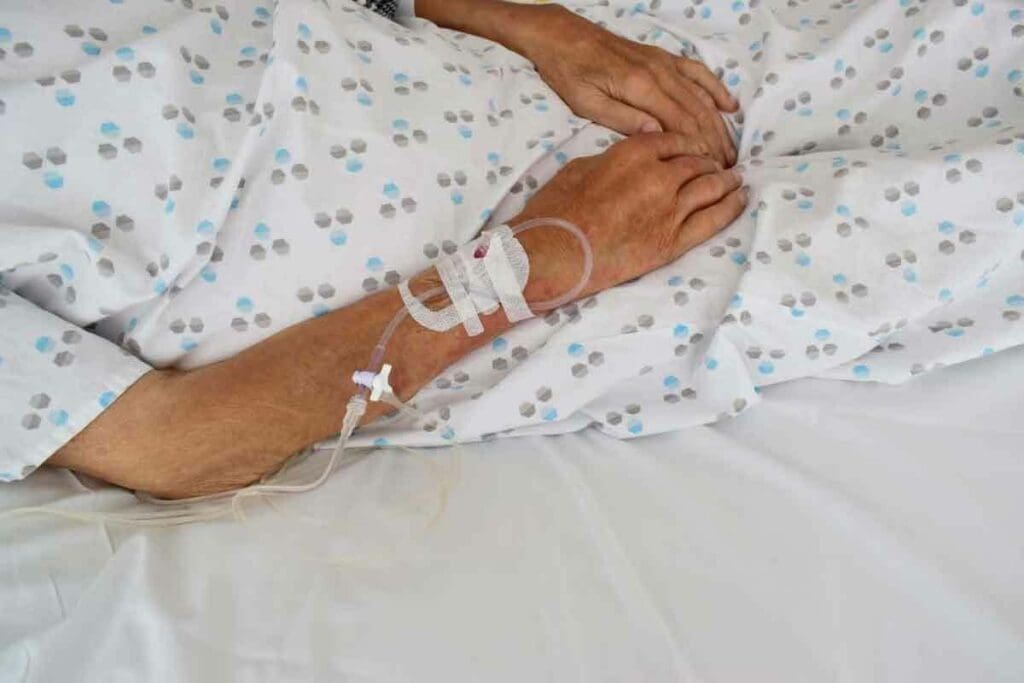
Learning about allogeneic hematopoietic stem cell transplantation (HSCT) is key for those thinking about it. This treatment uses stem cells from a donor to help patients with blood diseases. It’s a big step that needs careful planning and matching between the donor and the patient.
What Is an Allogeneic Hematopoietic Stem Cell Transplantation (HSCT)
An allogeneic hematopoietic stem cell transplantation (HSCT) moves stem cells from a donor to a patient. It’s a treatment for blood diseases like leukemia and lymphoma. The goal is to replace the patient’s bad stem cells with good ones from the donor.
How Stem Cells Restore Blood and Immune System Function
Stem cells are key in fixing the blood and immune system in HSCT patients. After the transplant, the donor’s stem cells make healthy blood cells. This helps the patient’s immune system fight off infections and diseases.
Conditions Commonly Treated with Allogeneic Transplants
Allogeneic transplants treat blood diseases like leukemia and lymphoma. They also help with aplastic anemia and genetic disorders. Choosing this transplant depends on the patient’s health and the donor match.
Differences Between Allogeneic and Autologous Transplants
The main difference is the stem cell source. Allogeneic uses a donor’s cells, while autologous uses the patient’s. Allogeneic transplants can cure diseases but have risks like graft-versus-host disease (GVHD). Autologous transplants are safer but might not have the same healing power.
| Transplant Type | Stem Cell Source | Advantages | Risks |
| Allogeneic | Donor | Graft-versus-tumor effect, potentially curative | GVHD has, higher risk of complications |
| Autologous | Patient’s own cells | Lower risk of GVHD, faster recovery | Potential for cancer cell contamination |
Determining If You’re a Candidate for Transplantation

To see if you’re a good candidate for a bone marrow transplant, doctors check your health and medical history. They look to see if the benefits of the transplant are worth the risks for you.
Medical Conditions That May Require an Allogeneic SCT
Some diseases, like leukemia, lymphoma, and genetic disorders, might need a bone marrow transplant. Doctors usually suggest this option when other treatments don’t work or are not possible.
The Complete Pre-Transplant Evaluation Process
The pre-transplant check-up is detailed. It includes looking at your medical history, doing a physical exam, and running tests. This helps the transplant team understand your health and spot any possible problems.
Age, Health Status, and Other Eligibility Factors
Age, health, and other factors are important in deciding if you can get a bone marrow transplant. While age matters, it’s not the only thing. Your overall health and any other health issues are also key.
Talking About Benefits and Risks with Your Healthcare Team
It’s important to talk openly with your healthcare team about the transplant. They can explain the good and bad sides of it. This helps you understand what to expect and make a choice that’s right for you.
| Eligibility Factor | Description | Importance |
| Age | Patient’s age at the time of transplant | High |
| Health Status | Presence of comorbidities or overall health | High |
| Medical Condition | Type and stage of disease | High |
| Donor Match | Availability of a suitable donor | High |
Finding and Matching with a Suitable Donor
Finding a compatible donor is key in allogeneic bone marrow transplants. This process has many important steps. They ensure the best match for the patient.
Types of Donors: Related, Unrelated, and Cord Blood
Donors are divided into three groups: related, unrelated, and cord blood. Related donors are family members, like siblings or parents. They might share similar genes. Unrelated donors are not family but are found through registries. Cord blood donors use stem cells from umbilical cord blood, helping patients in need.
The HLA Matching Process and Importance
The Human Leukocyte Antigen (HLA) system is vital for the immune system. HLA matching is key to avoiding graft-versus-host disease (GVHD) and ensuring transplant success. It tests the donor’s and recipient’s HLA types to find a good match.
Timeline for Donor Identification (Up to 12 Weeks)
Finding a donor can take up to 12 weeks. This involves searching registries, doing HLA typing, and checking donor compatibility.
National Marrow Donor Program and International Registries
The National Marrow Donor Program (NMDP) and international registries help find donors. They have large databases of donors and support the search process.
| Donor Type | HLA Matching Importance | Registry Involvement |
| Related | High | Less likely to need registry |
| Unrelated | High | Often requires registry search |
| Cord Blood | Moderate to High | Requires cord blood bank search |
Knowing about donor types, HLA matching, and registry roles helps patients and doctors. They can better find a suitable donor for bone marrow transplants.
Pre-Transplant Preparation and Planning
The journey to a successful bone marrow transplant starts with careful preparation. This phase is key to making sure the patient is ready physically and emotionally for the transplant.
Comprehensive Medical Workup and Testing
A detailed medical check-up is done to see how healthy the patient is. This includes tests like:
- Blood work to check blood counts and chemistry
- Imaging studies, like X-rays, CT scans, or MR, I to check organ function
- Cardiac evaluations, including echocardiograms, to ensure heart health
- Pulmonary function tests to check lung capacity and function
These tests help the healthcare team understand the patient’s health. They make any needed changes before the transplant.
Central Line Placement Procedure
A central line is placed for giving medications, blood products, and the stem cell infusion. The process involves:
- Inserting the catheter into a large vein, usually in the chest
- Using imaging technology to guide the catheter to the right spot
- Securing the catheter in place
This central line is used throughout the transplant. It’s a key part of the pre-transplant prep.
Financial and Insurance Considerations
Pre-transplant prep also means looking at financial and insurance matters. Patients should:
- Check if their insurance covers the transplant and related care
- Understand any out-of-pocket costs and financial help options
- Plan for lost income during recovery
Handling these financial issues can be tough. But it’s important for reducing stress and helping the patient focus on recovery.
Practical Preparations for Extended Hospital Stay
Practical steps are also important for a successful transplant. Patients should:
- Make arrangements for a place to stay near the hospital for themselves and their caregivers
- Plan how to get to and from the hospital
- Get their home ready for recovery by stocking up on essentials and making adjustments
By taking care of these practical things, patients can reduce stress. This helps them focus on getting better.
The Conditioning Regimen Before Transplant
Conditioning treatment is key for those getting an allogeneic bone marrow transplant. It has several goals. It kills cancer cells, weakens the immune system, and gets the bone marrow ready for new stem cells.
Purpose of Conditioning Treatment
The main goal of conditioning is to make the body ready for new stem cells. It gets rid of cancer cells and weakens the immune system. This helps prevent the body from rejecting the donor stem cells.
Types of Conditioning: Myeloablative vs. Reduced-Intensity
There are two main conditioning regimens: myeloablative and reduced-intensity conditioning.
- Myeloablative Conditioning: This is a strong treatment that aims to wipe out the patient’s bone marrow. It uses high doses of chemotherapy and sometimes radiation therapy.
- Reduced-Intensity Conditioning: This is a gentler approach. It’s for patients who can’t handle the strong myeloablative conditioning because of age or health issues.
Chemotherapy and Radiation Therapy Protocols
The conditioning regimen often includes chemotherapy and sometimes radiation therapy. The exact treatment depends on the patient’s health, the cancer type, and the transplant center’s rules.
| Treatment Type | Purpose | Common Side Effects |
| Chemotherapy | Kill cancer cells and suppress the immune system | Nausea, hair loss, fatigue |
| Radiation Therapy | Kill cancer cells and reduce the risk of graft rejection | Fatigue, skin reactions, nausea |
Managing Side Effects During Conditioning
It’s important to manage side effects from the conditioning regimen. Side effects like nausea, fatigue, and hair loss are common. Doctors use medicines and supportive care to help with these issues.
Knowing about the conditioning regimen helps patients prepare for their treatment.
Stem Cell Collection and Processing Procedures
Stem cell collection is key in the transplant process. It involves different methods to get the needed cells. The method chosen depends on the donor’s health, the recipient’s condition, and the team’s preference.
Peripheral Blood Stem Cell Collection (Apheresis)
Apheresis is a common way to get stem cells from donors. It starts with a medication to move stem cells into the blood. The blood is then processed to separate the stem cells.
The stem cells are collected, and the rest of the blood is given back to the donor. This process takes hours and might need to be done several times.
Bone Marrow Harvesting Surgical Procedure
Bone marrow harvesting is a surgery done under anesthesia. The surgeon takes bone marrow from the hip bone using a needle. It takes a few hours and can be painful afterwards.
This method is used when apheresis isn’t possible or the team prefers bone marrow stem cells.
Umbilical Cord Blood Collection and Storage
Umbilical cord blood collection gets stem cells from the umbilical cord and placenta after birth. It’s used when a donor is found, and the cord blood is stored. The cord blood is tested, processed, and frozen for future use.
Processing and Preparing Stem Cells for Transplant
After collection, stem cells are processed to separate them from other cells. This makes them ready for infusion. Techniques like density gradient centrifugation are used to isolate and concentrate the stem cells.
The final product is then frozen or infused into the recipient right away. This step is vital for the quality and safety of the transplant.
The Allogeneic Bone Marrow Transplant Procedure
The day of the allogeneic bone marrow transplant, often called “Day Zero,” is a key moment. It’s when stem cells are infused into the patient’s body through a central line. This is a complex step in their treatment.
What Happens on Transplant Day (“Day Zero”)
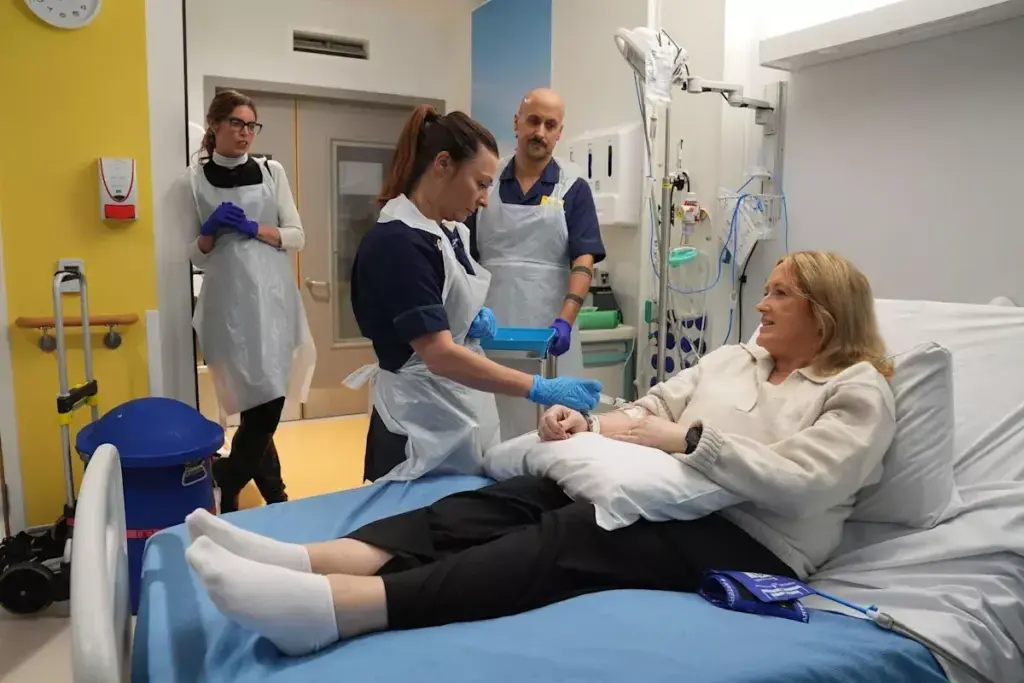
On transplant day, the patient gets ready for the stem cell infusion. This process is quick, taking about 30 minutes to an hour. The stem cells are given through a central venous catheter, or central line.
The Stem Cell Infusion Process via Central Line
The stem cell infusion is like a blood transfusion. The thawed stem cells are infused into the patient’s body. The medical team watches closely to make sure there are no bad reactions.
What Patients Experience During Infusion
Patients might feel cold, nauseous, or taste metal during the infusion. These feelings are usually short-lived and can be managed with medicine.
Immediate Post-Infusion Monitoring
Right after the infusion, the patient is watched closely for any immediate problems. The medical team checks vital signs and looks for signs of an allergic reaction or other issues.
| Monitoring Aspect | Description | Frequency |
| Vital Signs | Checking temperature, blood pressure, and heart rate | Continuous |
| Blood Counts | Monitoring white blood cell, red blood cell, and platelet counts | Daily |
| Signs of Complications | Watching for infection, graft-versus-host disease, or other issues | Continuous |
Post-Transplant Recovery and Engraftment Period
After an allogeneic bone marrow transplant, recovery is complex. It includes engraftment and managing complications. The time after the transplant is key, as the bone marrow starts making new blood cells.
The Engraftment Process
Engraftment usually happens in 10 to 16 days after the transplant. During this time, the stem cells start making new blood cells. Monitoring engraftment is key to seeing if the transplant was successful.
Managing Isolation and Infection Risk
Patients are at high risk of infection because their immune system is weak. To lower this risk, they are kept isolated. Following these rules is very important to avoid infections.
Monitoring Blood Counts and Chimerism
Regular blood tests check the patient’s blood counts and chimerism. Chimerism means both the donor’s and the patient’s cells are in the body. Checking chimerism is vital to see how well the graft is working and spot any problems early.
| Parameter | Normal Value | Post-Transplant Target |
| White Blood Cell Count | 4,500-11,000 cells/μL | >1,000 cells/μL |
| Platelet Count | 150,000-450,000 cells/μL | >20,000 cells/μL |
| Chimerism | N/A | >95% donor cells |
Common Complications and Their Management
Common issues during recovery include graft-versus-host disease (GVHD), infections, and organ damage. Quickly finding and treating these problems is key to better outcomes. GVHD, for example, can be managed with special medicines.
The recovery phase after a bone marrow transplant is tough but vital. With the right care and monitoring, patients can get through it and fully recover.
Conclusion: Long-Term Recovery and Life After Transplant
After an allogeneic bone marrow transplant, patients start a long journey of recovery. They need ongoing care and monitoring for a good outcome. The transplant team helps manage any complications and answers questions.
As patients recover, their immune system starts to work better. It’s important to have regular check-ups. These visits help track blood counts and catch any problems early.
Life after a transplant can be rewarding. Many patients get back to their usual activities. To stay healthy, they should eat well, exercise, and manage stress. This helps them feel their best and recover well in the long run.
FAQ
What is an allogeneic bone marrow transplant?
An allogeneic bone marrow transplant is a procedure. It moves healthy stem cells from a donor to a patient. This helps restore the patient’s blood and immune system.
How do bone marrow transplants work?
Bone marrow transplants replace damaged stem cells with healthy ones. This lets the patient’s body make healthy blood cells again.
What is the difference between allogeneic and autologous transplants?
Allogeneic transplants use stem cells from a donor. Autologous transplants use the patient’s own stem cells.
What medical conditions may require an allogeneic SCT?
Blood cancers like leukemia and lymphoma, and some blood disorders, may need an allogeneic stem cell transplant.
How is a donor matched for an allogeneic transplant?
Donors are matched through HLA typing. This tests for genetic markers to ensure the donor and patient are compatible.
How long does it take to find a matched donor?
Finding a matched donor can take up to 12 weeks. It varies, but this is the typical time frame.
What is the conditioning regimen before an allogeneic transplant?
The conditioning regimen prepares the patient’s body for the transplant. It suppresses the immune system and makes room for the new stem cells.
What are the different types of conditioning regimens?
There are two main types: myeloablative and reduced-intensity conditioning.
How are stem cells collected for an allogeneic transplant?
Stem cells are collected through apheresis, bone marrow harvesting, or umbilical cord blood collection.
What happens on transplant day?
On transplant day, the patient gets the stem cell infusion through a central line. They are closely watched for any bad reactions.
What is the engraftment process after an allogeneic transplant?
Engraftment is when the new stem cells start making healthy blood cells. This usually happens within 10-16 days after the transplant.
What are some common complications after an allogeneic transplant?
Common complications include graft-versus-host disease, infection, and organ damage. These are managed with close monitoring and treatment.
References
- Copelan, E. A. (2006). Principles and overview of allogeneic hematopoietic stem cell transplantation. New England Journal of Medicine, 354(17), 1813–1826. Retrieved from https://pmc.ncbi.nlm.nih.gov/articles/PMC6953421/