
Getting ready for an allogeneic stem cell transplant is a big step in treating blood cancers and disorders. This method puts healthy stem cells into your body. They replace damaged or sick bone marrow.
This treatment is important because it helps your body make healthy blood cells again. It’s vital to prepare well for a good transplant result. At Liv Hospital, we focus on you, making sure every step is filled with trust, innovation, and care.
Key Takeaways
- Understanding the allogeneic stem cell transplant process is key for patients.
- Preparation is essential for a successful transplant.
- Liv Hospital offers a patient-centered approach to care.
- A stem cell transplant can help your body make healthy blood cells again.
- Trust, innovation, and compassion guide each step of the treatment.
Understanding Allogeneic Stem Cell Transplants

An allogeneic stem cell transplant is a treatment for blood-related cancers and disorders. It replaces a patient’s sick or damaged stem cells with healthy ones from a donor. This is a complex procedure that can save lives.
The success of an allogeneic transplant depends on several factors. These include the match between donor and recipient, the condition being treated, and the patient’s health.
What Is an Allogeneic Stem Cell Transplant?
An allogeneic stem cell transplant uses stem cells from a donor. These can come from a relative, an unrelated donor, or umbilical cord blood. First, a donor is found through a detailed evaluation. Then, the patient’s body is prepared for the transplant with a conditioning regimen.
Differences Between Allogeneic and Autologous Transplants
The main difference between allogeneic and autologous transplants is the source of stem cells. An allogeneic transplant uses a donor’s stem cells, while an autologous transplant uses the patient’s own. This affects the treatment’s risks, outcomes, and suitability for different conditions.
| Characteristics | Allogeneic Transplant | Autologous Transplant |
| Source of Stem Cells | Donor | Patient’s own cells |
| Graft-Versus-Host Disease (GVHD) Risk | Yes | No |
| Ideal for | Certain leukemias, lymphomas, and genetic disorders | Multiple myeloma, certain lymphomas |
Common Conditions Treated with Allo-SCT
Allogeneic stem cell transplants treat life-threatening conditions like certain leukemias, lymphomas, and blood disorders. The choice to have an allogeneic transplant depends on the patient’s condition, health, and past treatments.
The Science Behind Allogeneic Stem Cell Transplantation
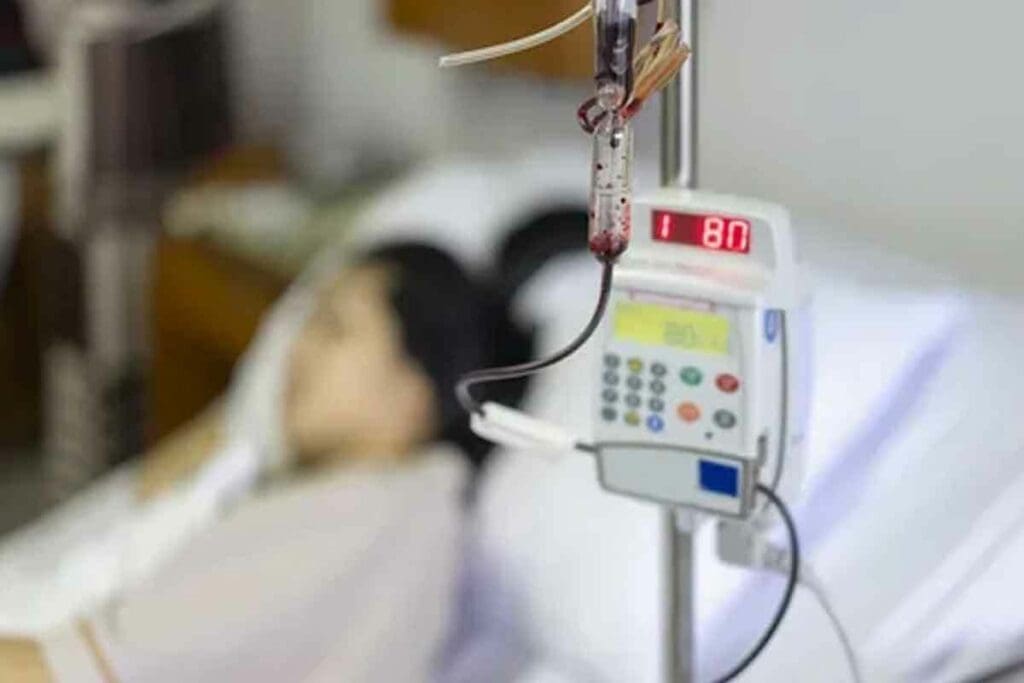
Understanding allogeneic stem cell transplantation is key for patients. It’s a complex mix of cell biology and immunology.
How Bone Marrow Transplants Work
Bone marrow transplants involve infusing healthy stem cells into the body. These cells then go to the bone marrow. There, they start making new blood cells. This is how they treat blood-related diseases.
The Role of Stem Cells in Blood Production
Stem cells are essential for blood production. They can turn into different blood cell types. This includes red blood cells, white blood cells, and platelets.
The Engraftment Process
Engraftment is when the new stem cells start making blood cells. The patient’s blood system needs to recover.
| Process | Description | Importance |
| Infusion of Stem Cells | Healthy stem cells are infused into the patient’s body. | Critical for replacing damaged or diseased stem cells. |
| Stem Cell Migration | Stem cells travel to the bone marrow. | Necessary for the initiation of blood cell production. |
| Engraftment | Stem cells start producing new blood cells. | Essential for the patient’s recovery. |
Initial Consultation and Evaluation
The journey to an allogeneic stem cell transplant starts with a detailed initial consultation and evaluation. This step is key. It includes many medical tests and assessments to see if the patient is a good fit for the transplant.
Medical Tests and Assessments
The healthcare team does various tests and assessments during the initial consultation. They might do blood tests, imaging studies, and cardiac evaluations. These help check the patient’s health and how well their organs are working.
Comprehensive health evaluations are very important at this stage. They make sure the patient is ready for the transplant. This includes looking at the patient’s medical history, current health, and any past treatments or conditions that might affect the transplant.
Discussing Benefits and Risks with Your Healthcare Team
Talking about the benefits and risks of allogeneic hematopoietic cell transplantation is a big part of the initial consultation. The healthcare team will share the good things about the transplant, like a chance for a cure or a big improvement in symptoms. They will also talk about the possible risks and complications, like graft-versus-host disease (GVHD) and infections.
It’s important for patients to ask questions and share any worries they have. Knowing the risks and benefits helps patients make choices about their treatment.
Questions to Ask Your Transplant Physician
It’s a good idea to make a list of questions for the transplant physician during the initial consultation. Patients might want to ask about the transplant procedure, the expected outcomes, and the supportive care they’ll get during and after the transplant. Some questions to consider include:
- What are the specific risks associated with my condition and the transplant?
- What is the expected recovery time, and what kind of care will I need post-transplant?
- Are there any alternative treatment options available, and how do they compare to allogeneic stem cell transplantation?
By asking these questions, patients can understand what to expect better. This helps them make informed decisions about their care.
Finding a Compatible Donor
Finding a compatible donor is key for patients getting an allogeneic stem cell transplant. The success of the transplant depends on how well the donor and recipient match. This matching is done through HLA typing and matching.
HLA Typing and Matching Process
HLA typing is a genetic test that finds specific genes on white blood cells. These genes help the immune system tell self-cells from foreign cells. The process tests both the donor and the recipient to find their HLA types.
A good match between the donor and recipient is important. It helps lower the risk of graft-versus-host disease (GVHD) and other problems.
“The closer the HLA match, the lower the risk of complications,” say medical experts. Finding the right match can be complex and may take testing many donors.
Family Members as Possible Donors
Family members are often the first to be considered as donors. Siblings have a higher chance of being a match because they share more genetic material. But even siblings only have a 25% chance of being a perfect match.
Parents and children can also be donors, but they are usually not a perfect match. They might be considered for a haploidentical transplant, where only half of the HLA genes match.
National and International Donor Registries
If no family donor is found, national and international registries are the next step. These registries have HLA typing info from millions of donors worldwide. Finding a match can take up to 12 weeks.
Organizations like the National Marrow Donor Program (NMDP) help with finding donors. They also handle the collection and transport of stem cells.
Donor registries have greatly increased the chances of finding a match. The NMDP says, “A diverse donor pool is key for patients from different ethnic backgrounds.”
In summary, finding a compatible donor involves HLA typing, considering family members, and searching registries. This detailed approach helps find a suitable donor and ensures the transplant’s success.
Pre-Transplant Medical Preparation
Before an allogeneic stem cell transplant, patients must prepare thoroughly. This is key to getting their body ready for the transplant. It helps to spot and fix any risks linked to the transplant.
Comprehensive Health Evaluation
A detailed health check is done to see how well the patient is. It looks for any health issues that might impact the transplant’s success. Tests include blood work, imaging, and heart checks.
| Test/Evaluation | Purpose |
| Blood Work | Checks blood cell counts, organ function, and for infections |
| Imaging Studies (e.g., X-rays, CT scans) | Looks at organ health and finds any problems |
| Cardiac Evaluations (e.g., Echocardiogram) | Checks the heart’s health to see if it can handle the transplant |
Dental Examinations and Treatments
Dental checks are vital before the transplant. They help find and treat any oral infections or diseases. This is because the transplant weakens the immune system, making infections more likely.
Dental procedures may include:
- Thorough dental cleaning
- Fillings or extractions as needed
- Treatment of gum disease
Central Venous Catheter Placement
A central venous catheter is often used for the transplant. It helps give medicines, blood products, and stem cells. The catheter goes into a big vein in the neck or chest.
Putting in a central venous catheter is a careful process. It’s done by a skilled healthcare professional to reduce risks and keep the patient comfortable.
Creating Your Support System
Building a strong support system is key for those going through an allogeneic stem cell transplant. It’s not just about medical prep. It’s also about gathering a team for emotional, practical, and medical help along the way.
Identifying Your Caregiver Team
Finding your caregiver team is the first step. This team usually includes family, friends, or hired caregivers. They’ll help with daily tasks. It’s important to pick people who are emotionally supportive and can handle the practical stuff too.
What makes a good caregiver?
- They show compassion and empathy.
- They can handle daily care tasks.
- They communicate well.
- They are reliable and flexible.
Caregiver Responsibilities and Training
Caregivers are key in the transplant process. They manage meds and offer emotional support. They need training on the transplant process, recognizing complications, and managing side effects.
Many transplant centers offer training for caregivers. They teach about:
- Managing meds
- Watching for complications
- Basic care techniques
- How to emotionally support
Support Groups and Resources
Support groups and resources are also vital for transplant patients. They offer a community of people going through the same thing. It’s a place to share advice, get emotional support, and understand each other’s experiences.
Where to find support groups:
- Local hospitals and cancer centers
- National patient advocacy organizations
- Online forums and social media groups
By building a strong support system, patients can make their transplant journey better. It’s about creating a network that offers the support needed during this tough time.
Practical Preparations Before Hospitalization
To ensure a successful transplant and recovery, making practical preparations before hospitalization is essential. This period is critical for addressing various aspects of your life that will be impacted during and after the transplant.
Financial and Insurance Considerations
Before hospitalization, it’s important to address financial and insurance planning. Medical expenses related to an allogeneic stem cell transplant can be significant. Understanding your insurance coverage is vital. Review your insurance policy to know what is covered and what is not. You may also want to discuss financial assistance programs with your healthcare provider.
| Financial Aspect | Action Required |
| Insurance Coverage | Review policy, understand coverage |
| Out-of-Pocket Expenses | Estimate costs, plan for assistance |
| Financial Assistance Programs | Research, apply for eligible programs |
Employment and Disability Planning
Employment and disability planning are also critical before undergoing a transplant. You will need to inform your employer about your situation and discuss options for leave or disability benefits. Understanding your company’s policies and available benefits can help you plan your finances and time off more effectively.
- Notify your employer about your transplant
- Discuss leave or disability benefits
- Explore available support resources
For more detailed information on the transplant process, you can visit resources like MSKCC’s patient education on allogeneic stem cell transplants.
Home Preparation for Post-Transplant Recovery
Preparing your home for post-transplant recovery is vital for a smooth and safe healing process. This includes making necessary adjustments to your living space and arranging for support during your recovery.
- Clean and declutter your living space
- Prepare meals in advance or arrange for meal delivery
- Set up a comfortable recovery area
By addressing these practical aspects before hospitalization, you can significantly reduce stress and focus on your recovery. Ensuring that you have a solid plan in place for financial, employment, and home preparations will help you navigate the transplant process more effectively.
The Conditioning Regimen for Allogeneic Stem Cell Transplant
The conditioning regimen is a key part of an allogeneic stem cell transplant. It uses chemotherapy and/or radiation to get rid of sick cells. This makes room for new stem cells to grow.
Purpose of Conditioning Therapy
The main goal of conditioning therapy is to kill off sick cells and weaken the immune system. This is vital for the transplant to work.
“The conditioning regimen is a cornerstone of allogeneic stem cell transplantation, providing the necessary immunosuppression for donor cell engraftment.” –
Expert in Hematology
Types of Conditioning Regimens
There are two main types of conditioning regimens.
- Myeloablative conditioning uses strong chemotherapy and/or radiation to wipe out the bone marrow.
- Non-myeloablative conditioning uses lower doses to just weaken the immune system, not destroy the bone marrow.
| Conditioning Type | Intensity | Purpose |
| Myeloablative | High | Eradicate bone marrow |
| Non-myeloablative | Low to moderate | Suppress the immune system |
Managing Side Effects During Conditioning
It’s important to manage side effects during conditioning. Common ones include nausea, tiredness, and hair loss. Supportive care, like anti-nausea meds and nutrition, helps.
Patients need close monitoring during conditioning. Their care plan should be adjusted if needed. This complex process is key to a successful transplant.
The Stem Cell Collection Process
Getting stem cells for a transplant is a detailed process. It can be done through peripheral blood stem cell collection or bone marrow harvest. The choice depends on the donor’s health, the recipient’s condition, and the doctor’s preference.
Peripheral Blood Stem Cell Collection (Apheresis)
Apheresis is a non-surgical way to get stem cells from the blood. Donors get growth factors like filgrastim or pegfilgrastim to release stem cells into their blood. This happens for a few days before the procedure.
The blood is then drawn into a machine that separates the stem cells. These cells are collected, and the rest of the blood is returned to the donor. This process can take hours and might need the donor to be on the machine for days.
Bone Marrow Harvest Procedure
Bone marrow harvest is a surgical method done under anesthesia. It takes bone marrow from the hip bones using a needle and syringe. The procedure lasts a few hours and can cause some pain afterward.
The bone marrow is then processed to get the stem cells. These cells are then given to the recipient.
Processing and Storing Collected Stem Cells
After getting the stem cells, they are cleaned to remove contaminants. This is done through various methods, like density gradient centrifugation. The cleaned stem cells are then frozen to keep them alive.
The frozen stem cells are stored in liquid nitrogen until they’re needed for the transplant.
| Collection Method | Description | Advantages | Disadvantages |
| Apheresis | Non-surgical procedure collecting stem cells from the bloodstream | Less invasive, quicker recovery | May require multiple sessions, growth factor administration |
| Bone Marrow Harvest | Surgical procedure for extracting bone marrow from the hip bones | It can be performed under anesthesia and provides a rich source of stem cells | Invasive, potentially painful, and risky |
The Transplantation Day: What to Expect
On the day of the stem cell transplant, a team of healthcare professionals will be closely monitoring the stem cell infusion process. This day marks a significant step in the treatment journey, filled with anticipation and careful medical attention.
The Infusion Procedure
The stem cell infusion is like a blood transfusion. The stem cells, collected and processed, are infused into the patient’s bloodstream. This is done through a central venous catheter in a controlled setting, like a hospital or transplant center.
The infusion itself takes about 30 minutes to an hour. But the whole process, including preparation and monitoring, can take several hours. Patients are often awake during the infusion and may relax by watching TV, reading, or simply resting.
Monitoring During Infusion
During the stem cell infusion, the medical team watches the patient’s vital signs. They check heart rate, blood pressure, and temperature. This is important to quickly spot and manage any reactions or complications.
- Vital sign monitoring
- Observation for signs of reaction
- Adjusting infusion rate as necessary
Immediate Post-Infusion Care
After the stem cell infusion is done, patients are watched closely for any immediate issues. Post-infusion care includes managing side effects like nausea or fatigue. It also starts the recovery process.
“The care received after the stem cell infusion is just as important as the procedure itself. It’s a critical period that sets the stage for the patient’s recovery and engraftment process.” – Expert in Hematology
Key aspects of post-infusion care include:
- Monitoring for engraftment
- Managing side effects
- Preventing infections
By knowing what to expect on the transplant day and the care after, patients can better prepare for this important step in their treatment.
Post-Transplant Hospital Stay and Early Recovery
After a transplant, care is key. It starts with a hospital stay. Here, patients watch for engraftment and possible problems. This time is risky for infections and graft-versus-host disease (GVHD).
Neutropenic Precautions
Right after the transplant, infections are a big worry. This is because of neutropenia, when neutrophils are very low. To lower this risk, doctors take strict steps. These include:
- Strict hand hygiene for everyone visiting and working with the patient
- Using masks and gloves as personal protective equipment
- Keeping away from things that could cause infections, like plants and flowers
- Watching for signs of infection, like fever, chills, or cough
Monitoring for Engraftment
Engraftment is a big step in recovery. It means the new stem cells are making blood cells. Doctors check for this through blood tests. They look for blood cell counts going up. This usually happens in 2-4 weeks after the transplant.
Managing Common Complications
Even with careful watching and prevention, problems can happen. These include infections, GVHD, and organ damage. Handling these issues needs a team effort. This includes:
- Using medicines to fight infections and keep the immune system in check
- Helping with blood transfusions and food to keep the body strong
- Watching closely for any signs of trouble and changing treatment plans if needed
Knowing about post-transplant care and how to reduce risks helps. It makes the tough time after transplant easier for patients and their families. This way, they can have a better chance of a good recovery.
Conclusion: Long-Term Recovery and Follow-Up Care
After an allogeneic stem cell transplant, recovery and follow-up care are key. Knowing what an allogeneic transplant means for your health is important. It helps you recover smoothly.
Preparing for this transplant involves many steps. From the first consultation to staying in the hospital afterward, it’s a big process. Having a strong support system and knowing about possible complications can help a lot.
Recovery means regular check-ups with your healthcare team. They watch for complications or graft-versus-host disease. Keeping up with these appointments is vital for your health.
Understanding the need for long-term recovery and follow-up care helps you stay healthy after a transplant. You can actively take care of your health and well-being.
FAQ
What is an allogeneic stem cell transplant?
An allogeneic stem cell transplant is a medical procedure. It uses stem cells from a donor to replace damaged or diseased cells in a patient.
How do bone marrow transplants work?
Bone marrow transplants replace damaged or diseased bone marrow with healthy stem cells. These stem cells can come from a donor or the patient themselves.
What is the difference between allogeneic and autologous transplants?
Allogeneic transplants use stem cells from a donor. Autologous transplants use the patient’s own stem cells.
What is HLA typing and matching?
HLA typing and matching identify compatible donors for allogeneic stem cell transplants. It analyzes the patient’s and donor’s genetic markers.
How long does it take to find a compatible donor?
Finding a compatible donor can take up to 12 weeks. It depends on various factors.
What is the conditioning regimen for an allogeneic stem cell transplant?
The conditioning regimen prepares the patient’s body for the transplant. It suppresses the immune system and destroys diseased cells.
What are the common side effects of the conditioning regimen?
Side effects include nausea, fatigue, hair loss, and increased risk of infection.
What is engraftment, and how is it monitored?
Engraftment is when transplanted stem cells start producing new blood cells. It’s monitored through blood tests and bone marrow biopsies.
What are neutropenic precautions, and why are they important?
Neutropenic precautions prevent infection in patients with low neutrophil counts. They include avoiding sick people and practicing good hygiene.
What is the role of a caregiver in the transplant process?
Caregivers support patients during the transplant process. They manage medications, provide emotional support, and help with daily tasks.
How can I prepare my home for post-transplant recovery?
Prepare your home by making it clean and safe. Stock up on supplies and make arrangements for support and care.
What are the financial and insurance considerations for an allogeneic stem cell transplant?
Consider the costs and insurance coverage for the transplant. Look into financial assistance options.
What is the difference between peripheral blood stem cell collection and bone marrow harvest?
Peripheral blood stem cell collection takes stem cells from the blood. Bone marrow harvest takes them directly from the bone marrow.
How are collected stem cells processed and stored?
Collected stem cells are processed and stored in a laboratory. This preserves their viability for transplantation.
References
- Nascimento, A. A. de A., et al. (2023). Self-care guidelines for patients in the post-hematopoietic stem cell transplantation period: A scoping review. Revista Brasileira de Enfermagem. Retrieved from https://www.ncbi.nlm.nih.gov/pmc/articles/PMC10561929/