
Listing seven proven methods detailing how to relieve arthritis knee pain, using a combination of exercise and medication.
Millions of people worldwide face arthritis knee pain that hinders their daily life. Despite medical progress, many find current treatments only offer short-term relief.
At Liv Hospital, we blend the latest research with caring, patient-focused care. We aim to treat osteoarthritis with effective, evidence-backed methods. Our goal is to help those with knee arthritis find lasting relief.
Osteoarthritis impacts nearly 528 million people worldwide, with knee osteoarthritis being very common. We will share seven effective ways to ease arthritis knee pain. Our hope is to offer hope and help to those affected.
Key Takeaways
- Understanding the causes and symptoms of knee arthritis
- Exploring the latest osteoarthritis treatment options
- Discovering seven proven methods to relieve arthritis knee pain
- Learning about the benefits of patient-centered care at Liv Hospital
- Finding effective solutions for managing knee arthritis
The Growing Crisis of Knee Osteoarthritis
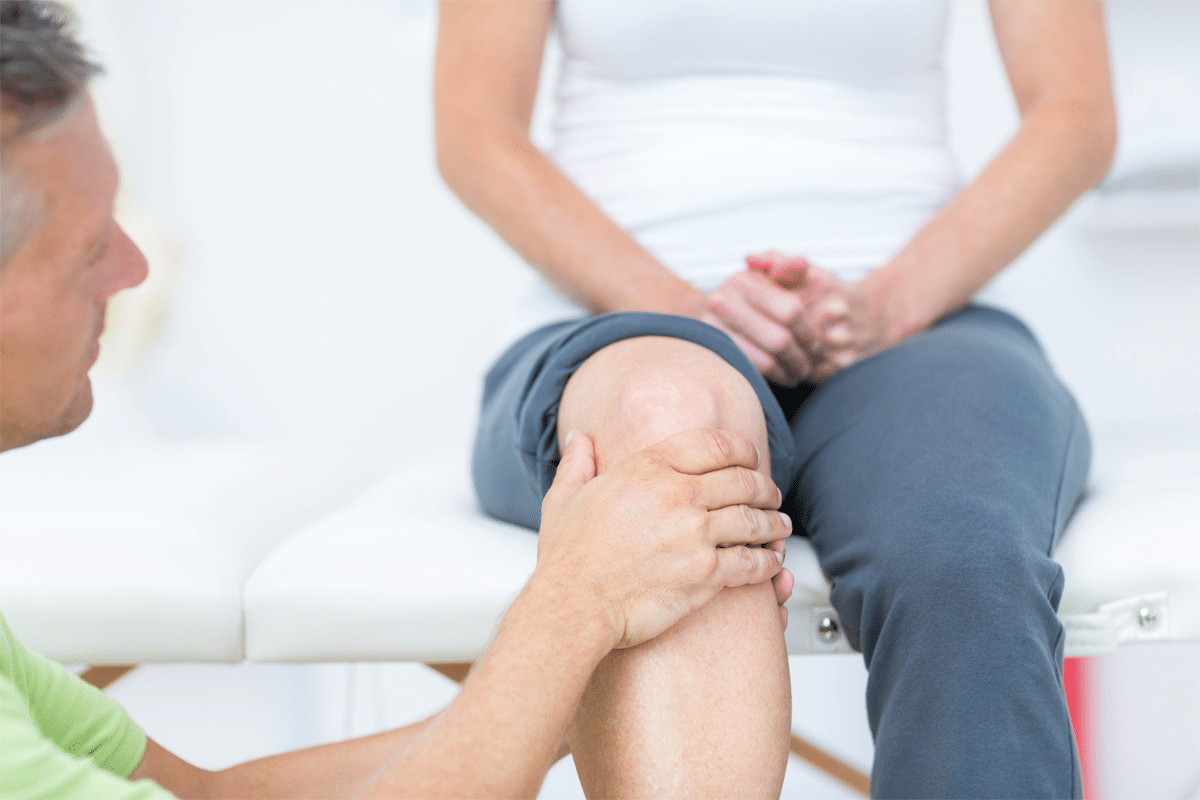
As the world’s population ages, knee osteoarthritis is becoming a major health crisis. This disease breaks down cartilage in the knee, causing pain, stiffness, and less mobility.
Global Impact: Affecting 528 Million People Worldwide
Knee osteoarthritis affects about 528 million people worldwide. It’s not just a personal issue but also a big problem for healthcare systems. The costs are huge, including healthcare, lost work time, and long-term care needs.
Projected 75% Increase by 2050: Why Women Are More Vulnerable
By 2050, knee osteoarthritis is expected to rise by 75%. Women are more likely to get it, with studies showing they have worse cases. Differences in joint anatomy, hormones, and obesity rates in women contribute to this.
The reasons for this gender gap are complex. Hormonal changes, like those during menopause, may make women more prone to osteoarthritis. Also, women often live longer, raising their risk of getting the disease.
The Challenge of Severe Daily Pain for Arthritis Sufferers
People with knee osteoarthritis often face severe pain every day. This pain can make it hard to do daily tasks and keep independence. Finding ways to manage this pain is key to treating the condition.
It’s important to find effective ways to manage knee osteoarthritis. Current treatments help with symptoms, but we need treatments that can stop the disease from getting worse.
Current Limitations in Arthritis Treatment
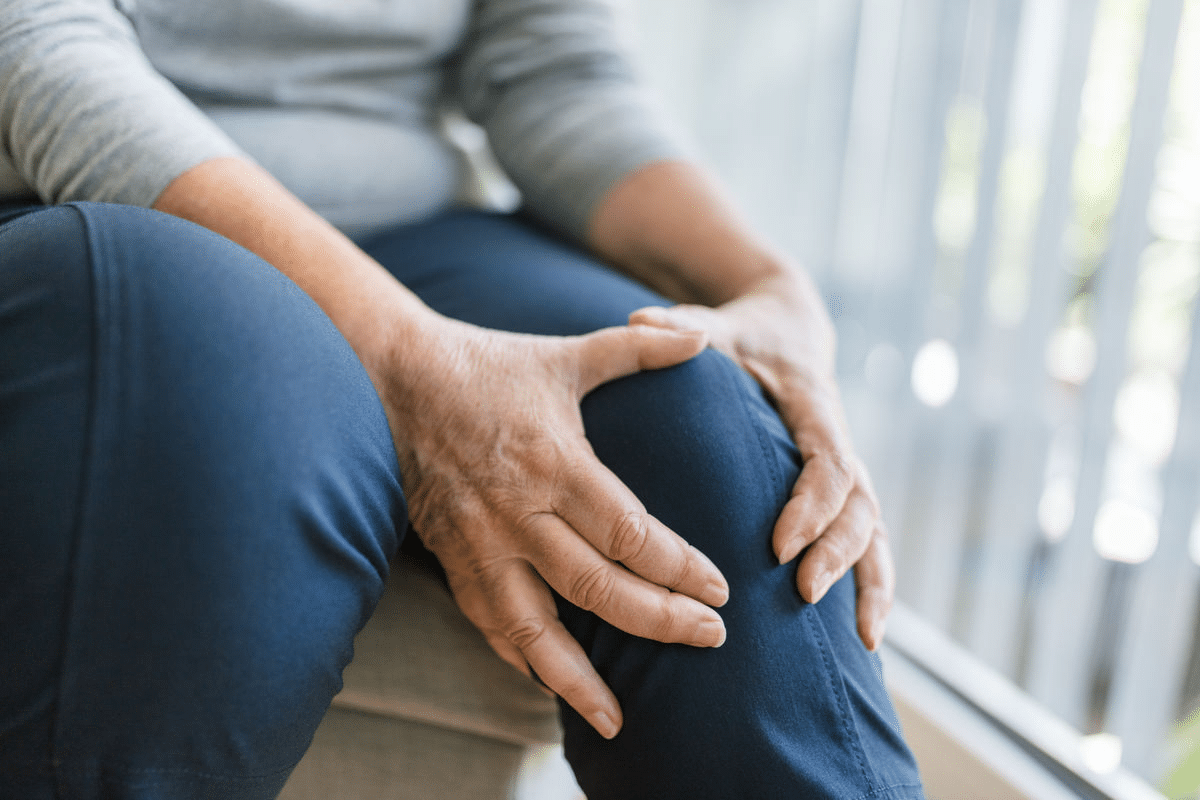
Osteoarthritis treatment is a big challenge. Current options don’t last long, and patients often only get temporary relief.
The current treatments for osteoarthritis don’t work well in the long run. They mainly focus on managing symptoms, not treating the disease itself. This is because of the disease’s complexity, the variety of patients, and the limits of current treatments.
Why Most Treatments Provide Only Short-Term Relief
Most osteoarthritis treatments only work for a short time. They mainly aim to reduce symptoms, not treat the disease. For example, NSAIDs and corticosteroid injections can help with pain and swelling but don’t stop the disease from getting worse.
These treatments might work for a while, but symptoms often come back. This cycle of relief and then more pain can be tough for both patients and doctors.
The Search for Disease-Modifying Therapies
Researchers are looking for new treatments called disease-modifying osteoarthritis drugs (DMOADs). These drugs aim to change the disease process, not just treat symptoms.
There are promising DMOADs being tested in studies. They target different parts of the disease, like cartilage breakdown and inflammation.
Understanding the Minimal Benefits of Available Options
The treatments we have for osteoarthritis don’t offer much in the long run. They might help with symptoms for a bit, but they don’t really change the disease’s course.
We need to keep looking for better treatments. By knowing what current treatments lack, we can work on finding new ways to help people with osteoarthritis.
How to Relieve Arthritis Knee Pain Through Physical Activity
Regular physical activity is a top way to ease arthritis knee pain. Exercise not only cuts down on pain but also boosts joint function and overall health. We’ll look at how different exercises can help those with osteoarthritis.
Research-Backed Exercises That Reduce Inflammation
Certain exercises are proven to cut down inflammation and ease symptoms in osteoarthritis patients. Aquatic exercises are great because water’s buoyancy eases joint stress. Tai chi combines movement, balance, and relaxation to lessen pain and enhance function.
“Exercise is medicine for the joints, and when done correctly, it can significantly reduce pain and improve function in patients with osteoarthritis.”
Other exercises that help include:
- Cycling
- Swimming
- Yoga
- Low-impact aerobics
Building Joint Strength Without Increasing Pain
Strengthening the muscles around the knee is key to supporting and stabilizing it, which reduces pain. Straight leg raises and quad sets are good for strengthening the quadriceps without straining the knee too much.
Begin with low-intensity exercises and slowly up the intensity as you get stronger. This gradual increase helps build strength without making pain worse.
|
Exercise |
Description |
Repetitions |
|---|---|---|
|
Straight Leg Raises |
Lift your leg straight out in front of you while lying on your back |
10-15 |
|
Quad Sets |
Tighten your quadriceps muscles while sitting or lying down |
10-15 |
|
Wall Squats |
Stand with your back against the wall and slide down into a squat position |
10-15 |
Creating a Progressive Exercise Plan for Long-Term Relief
A progressive exercise plan means slowly increasing the intensity, frequency, or duration of workouts over time. This method leads to lasting benefits and lowers the chance of flare-ups.
To make a progressive plan:
- Begin with low-intensity exercises and short sessions.
- Slowly increase the intensity and duration as you get more comfortable.
- Add different exercises to work various muscle groups.
- Keep track of your progress and tweak the plan as needed.
By sticking to a well-thought-out exercise plan, people with osteoarthritis can see big improvements in pain management and overall life quality.
Weight Management: A Powerful Method for Knee Pain Reduction
Managing weight is key for those with knee pain from osteoarthritis. The link between weight and knee health is complex. It involves both how our body moves and how it processes food.
The Science Behind Weight and Joint Pressure
Every pound of weight adds 4 pounds of pressure on the knees. Losing weight can greatly lessen this pressure. This leads to less pain and better knee function, which is great for those with osteoarthritis.
But, it’s not just about the mechanical pressure. The fat in our bodies also affects inflammation, which worsens osteoarthritis.
Body Composition: Why Fat-to-Muscle Ratio Matters for Arthritis
It’s not just about losing pounds; it’s about changing how our body is made up. A higher fat-to-muscle ratio means more inflammation and less ability to move. Building muscle and losing fat can help manage osteoarthritis symptoms.
Key aspects of body composition to consider:
- More muscle helps support joints.
- Less body fat means lower inflammation.
- Better body composition improves physical function.
Evidence-Based Approaches to Sustainable Weight Loss
There are ways to lose weight that last. A good diet and more exercise are key. Eat lots of fruits, veggies, whole grains, and lean meats. Also, find fun and easy ways to stay active.
Some effective strategies include:
- Set achievable weight loss goals.
- Keep track of what you eat and do.
- Get help from doctors or support groups.
By using these proven methods, you can lose weight and feel less knee pain.
Physiotherapy Interventions That Provide Measurable Relief
Physiotherapy is key in fighting osteoarthritis, bringing relief to many. It improves life quality for those with osteoarthritis. Let’s look at the different ways physiotherapy helps.
Clinical Evidence for Physical Therapy in Osteoarthritis Management
Many studies show physical therapy works well for osteoarthritis. Clinical evidence supports physical therapy as a first choice. It helps reduce pain, improve joint function, and boost overall health.
Research proves physical therapy can greatly improve pain and function. It uses exercises, education on joint care, and manual therapy.
Key Strengthening Exercises for Knee Stabilization
Strengthening knee muscles is vital in physiotherapy for osteoarthritis. Exercises like straight leg raises, quadriceps sets, and knee bends make the knee more stable. We create a custom exercise plan for each patient.
A good exercise plan does more than just stabilize the knee. It also keeps the joint healthy. This helps manage symptoms and keeps people independent.
Manual Therapy Techniques for Joint Mobilization
Manual therapy is a big part of physiotherapy for osteoarthritis. It includes joint mobilization and soft tissue massage. These methods are customized for each person, aiming for better joint function and less pain.
Adding manual therapy to a treatment plan helps with joint mobility and pain. It’s part of a complete strategy for managing osteoarthritis, along with exercise and education.
Thermal Therapies: Strategic Use of Heat and Cold
Heat and cold have long been used to ease knee pain from arthritis. These methods help manage pain and improve life quality for those with osteoarthritis.
Cryotherapy for Inflammation Reduction
Cryotherapy uses cold to reduce knee pain and inflammation. It works by shrinking blood vessels and slowing down tissue activity. Cold packs should be applied for 15-20 minutes, several times a day, after activities that make pain worse.
This method lowers tissue temperature, reducing pain and swelling. It’s key for managing sudden osteoarthritis pain.
Heat Application for Improved Circulation and Pain Relief
Heat therapy uses warmth to improve blood flow and relax muscles. It increases blood flow, aiding in tissue repair and pain reduction. Warm baths, heating pads, or wraps should be used for 15-20 minutes.
Heat is great before activities to reduce stiffness and prepare joints. It also relaxes muscles around the knee, adding support and stability.
Creating an Effective Thermal Therapy Schedule
Alternating between heat and cold can be very effective. Use cold therapy after activities that cause pain, and heat before to prepare joints. This schedule maximizes the benefits of both.
|
Therapy Type |
Application Time |
Benefits |
|---|---|---|
|
Cryotherapy |
15-20 minutes, after activities |
Reduces inflammation, numbs pain |
|
Heat Therapy |
15-20 minutes, before activities |
Improves circulation, relaxes muscles |
Knowing when and how to use thermal therapies can help manage osteoarthritis symptoms. It’s about finding the right balance and sticking to a schedule.
Medication Strategies for Effective Pain Control
Managing osteoarthritis pain often involves medication. We’ll look at different ways to ease pain and improve life for those with this condition.
NSAIDs, Acetaminophen, and Their Mechanisms of Action
NSAIDs and acetaminophen are key in fighting osteoarthritis pain. NSAIDs block enzymes called COX-1 and COX-2, which make prostaglandins that cause pain and swelling. Acetaminophen, though its exact action is not fully known, is thought to block COX-3 in the brain.
Both NSAIDs and acetaminophen can help, but they have different side effects. NSAIDs can lead to stomach problems like ulcers and bleeding, mainly with long-term use. Acetaminophen is safer but can harm the liver at high doses.
Topical Analgesics: Evidence for Localized Relief
Topical analgesics, like capsaicin and diclofenac gel, target pain directly. They’re applied to the skin over the joint, reducing side effects compared to pills.
Studies show topical NSAIDs, like diclofenac gel, can cut osteoarthritis pain. Topical capsaicin works by reducing substance P, a pain transmitter, in nerves.
Prescription Options for Moderate to Severe Arthritis Pain
For those with more severe pain, prescription meds are needed. This includes stronger NSAIDs, opioids, and injectables like corticosteroids or hyaluronic acid.
Opioids are for severe pain that other treatments can’t handle, due to their risks. Injectables like corticosteroids offer quick relief by reducing swelling. Hyaluronic acid injections help with joint lubrication.
It’s best to talk to a doctor to find the right medication for you, based on your needs and health history.
Supportive Devices That Reduce Knee Strain
Knee osteoarthritis can really affect daily life. Supportive devices help a lot. They reduce knee strain, ease pain, and boost mobility.
Knee Braces: Types and Evidence for Effectiveness
Knee braces are a top choice for managing knee osteoarthritis. They come in different types, each with its own purpose:
- Prophylactic braces: Made to prevent injuries, mainly during sports.
- Rehabilitative braces: For use after injuries or surgery to support healing.
- Functional braces: For those with knee instability, to enhance knee function.
- Unloader braces: Designed to lessen knee joint stress by shifting weight.
Studies show that some knee braces can help with pain and function in knee osteoarthritis. Unloader braces, for example, can greatly reduce knee pain by moving weight away from the damaged area.
Orthotic Inserts for Improved Alignment and Reduced Pain
Orthotic inserts fit inside shoes to correct foot alignment and lessen knee pain. They do this by:
- Evenly spreading pressure across the foot.
- Fixing biomechanical problems that lead to knee strain.
- Offering cushioning and support to lessen knee joint impact.
Research shows orthotic inserts can help reduce knee pain in osteoarthritis. They improve foot alignment and lessen knee stress, aiding in knee health.
Assistive Devices That Minimize Joint Loading
Devices like canes, walkers, and crutches can greatly lessen knee joint load. This eases pain and boosts mobility. Using these devices wisely can:
- Lessen the weight on the knee.
- Improve balance and stability.
- Enhance mobility and confidence.
By adding these supportive devices to a treatment plan, people with knee osteoarthritis can see big improvements in their life quality.
Mind-Body Approaches for Chronic Pain Management
Managing chronic pain now includes mind-body therapies. These address both physical pain and mental distress. As we deal with arthritis knee pain, it’s clear the mind plays a big role in how we feel pain.
The Neurological Connection Between Stress and Pain Perception
Stress and pain are linked in a cycle: stress makes pain worse, and pain can cause stress. Stress releases chemicals that make us feel pain more. Knowing this helps us find better ways to manage pain.
People with chronic pain show changes in their brain. These changes affect how they feel emotions and pain. This shows why we need to tackle both the physical and mental sides of pain.
“The mind and body are not separate entities; they are intertwined in a complex dance that influences our experience of pain.”
Evidence-Based Mindfulness Techniques for Pain Reduction
Mindfulness is getting attention for helping with chronic pain. Mindfulness-based stress reduction (MBSR) is a key method studied. It teaches us to focus on now without judgment, often through meditation and deep breathing.
Research shows MBSR can cut down pain and improve life quality for those with chronic pain. It helps us see pain differently, reducing how much it bothers us emotionally.
- Mindfulness meditation
- Deep breathing exercises
- Body scan techniques
Cognitive Behavioral Therapy: Changing Pain Response Patterns
Cognitive Behavioral Therapy (CBT) is also effective for chronic pain. CBT helps change negative thoughts and behaviors that make pain worse.
CBT can greatly improve how we manage pain. It teaches us coping skills and helps us feel more in control.
CBT for chronic pain includes:
- Cognitive restructuring
- Relaxation training
- Activity pacing
Using mindfulness and CBT together can really help people with arthritis knee pain. They can see big improvements in their symptoms and life quality.
Conclusion: Creating Your Comprehensive Arthritis Management Plan
Creating a detailed arthritis management plan is key for those with osteoarthritis. By using the methods talked about in this article, you can make a plan that works for you. This plan helps manage your arthritis well.
We looked at many ways to help, like staying active, managing weight, and using therapy. We also talked about using medicine, devices, and mind-body techniques. Each method has its own benefits for lessening knee pain and better living.
To manage arthritis fully, mix these methods in a way that fits you. While there’s no cure for osteoarthritis, a good plan can make a big difference. Working with doctors and making smart lifestyle choices helps you control your condition and feel better overall.
Using a broad approach to managing arthritis can cut down on medication use and pain. It also helps you stay independent. We suggest trying these methods and making a plan that meets your specific needs. This way, you can support your long-term health.
FAQ
Is there any cure for osteoarthritis?
There’s no cure for osteoarthritis, but treatments can help manage symptoms. We’ll look at ways to ease knee pain from arthritis.
Can osteoarthritis be cured?
Osteoarthritis is a chronic condition. There’s no known cure. But, a good management plan can greatly improve your life.
How to ease pain of osteoarthritis?
To ease osteoarthritis pain, try a mix of activities, weight control, and therapies. Also, consider medication, devices, and mind-body techniques.
What can help osteoarthritis?
Treatments for osteoarthritis include exercises, losing weight, and physical therapy. Also, try thermal therapies, medications, and supportive devices. Mindfulness can help too.
What is the best way to treat arthritis in the knee?
Treating knee arthritis best involves lifestyle changes and medical help. Try physical activity, weight management, and therapies. Medications and devices can also help.
What can I take for osteoarthritis?
For osteoarthritis, consider NSAIDs, acetaminophen, and topical creams. For more pain, your doctor might suggest prescription drugs. Always talk to a healthcare professional first.
Is there treatment for osteoarthritis?
Yes, there are treatments for osteoarthritis. They aim to manage symptoms and improve life quality. Lifestyle changes, physical therapy, and medications are options.
What is good for osteoarthritis?
For osteoarthritis, staying healthy, exercising regularly, and using devices can help. Thermal therapies and mind-body techniques also offer relief.
How to cure osteoarthritis of the knee?
Osteoarthritis of the knee can’t be cured, but a good plan can lessen symptoms. This plan might include several methods we’ve discussed.
Can paracetamol help with osteoarthritis?
Paracetamol can help with osteoarthritis pain. But, always follow the dosage and talk to a doctor for advice.
Are there any effective supplements for osteoarthritis?
Supplements like glucosamine and chondroitin might help with osteoarthritis. But, their effects vary. Always check with a healthcare professional before using them.
References
National Center for Biotechnology Information. Evidence-Based Medical Guidance. Retrieved from https://www.ncbi.nlm.nih.gov/pmc/articles/PMC11790583/