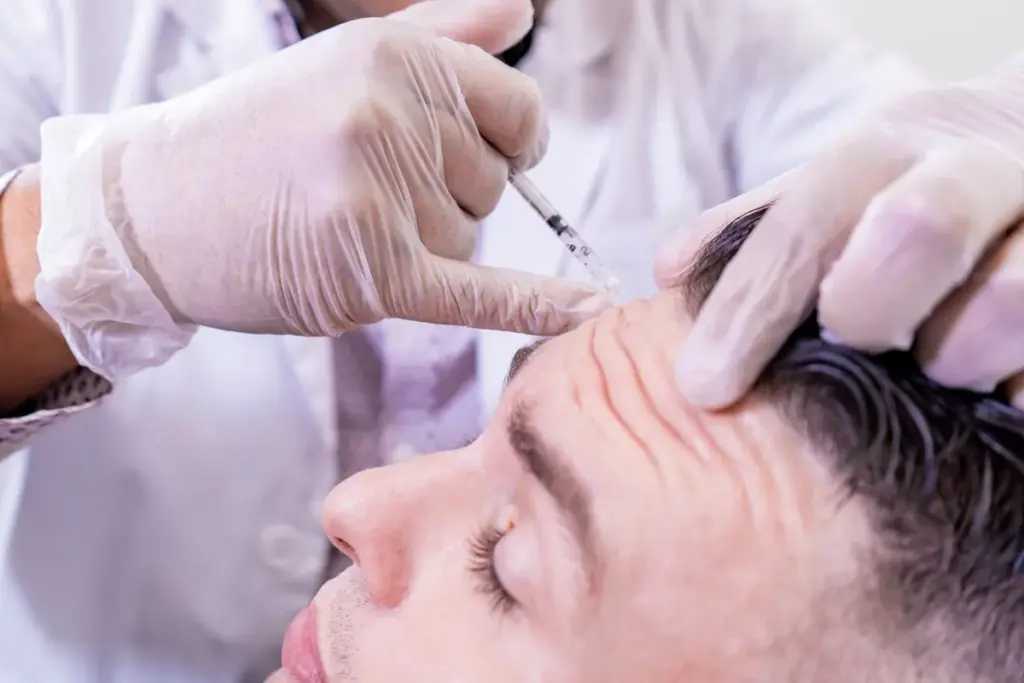
In 2022, 7.7 million Botox treatments were given. It’s a top choice for looking younger. But, why is it so popular? Knowing the different types helps you choose wisely. Detailing the various types of botox injections and their use in cosmetic, therapeutic, and medical treatments.
Exploring Botox shows it’s not just one thing. Many Botox brands offer unique options. This article will help you understand the choices and pick what’s best for you.
Key Takeaways
- Botox is a widely used cosmetic treatment for reducing wrinkles and fine lines.
- There are various Botox formulations available, each with its unique characteristics.
- Understanding the different types of Botox is essential for making informed decisions.
- Different Botox brands offer distinct products with specific applications.
- Choosing the right Botox type depends on individual needs and preferences.
What is Botox and How Does It Work?
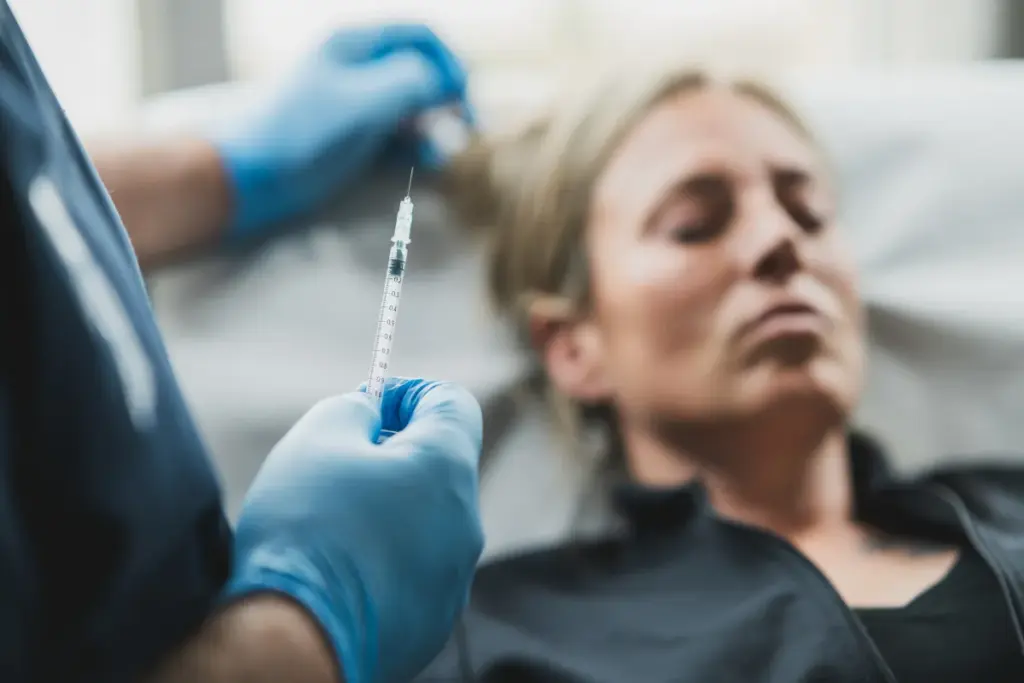
Botox is a protein used for beauty and health. It’s made from a neurotoxin. We’ll dive into what Botox is, where it comes from, and how it works.
Understanding Botulinum Toxin
Botox comes from botulinum toxin. This toxin is found in the bacterium Clostridium botulinum. But, when used safely, Botox is both safe and effective.
The toxin stops muscles from getting signals. This is why it’s used in medicine and beauty treatments.
The Mechanism of Action
Botox works by temporarily paralyzing muscles. When injected, it stops muscles from contracting. This reduces wrinkles and helps with some health issues.
This precise action makes Botox great for beauty and health treatments.
Different Applications of Botox
Botox is used in many ways. It’s used for cosmetic reasons like smoothing wrinkles. It’s also used for therapeutic reasons like treating migraines and excessive sweating.
|
Application |
Description |
|---|---|
|
Cosmetic |
Reduces facial wrinkles and fine lines |
|
Therapeutic |
Treats chronic migraines, excessive sweating, and muscle spasms |
Knowing how Botox is used shows its wide range of benefits.
Types of Botox Available in the Market
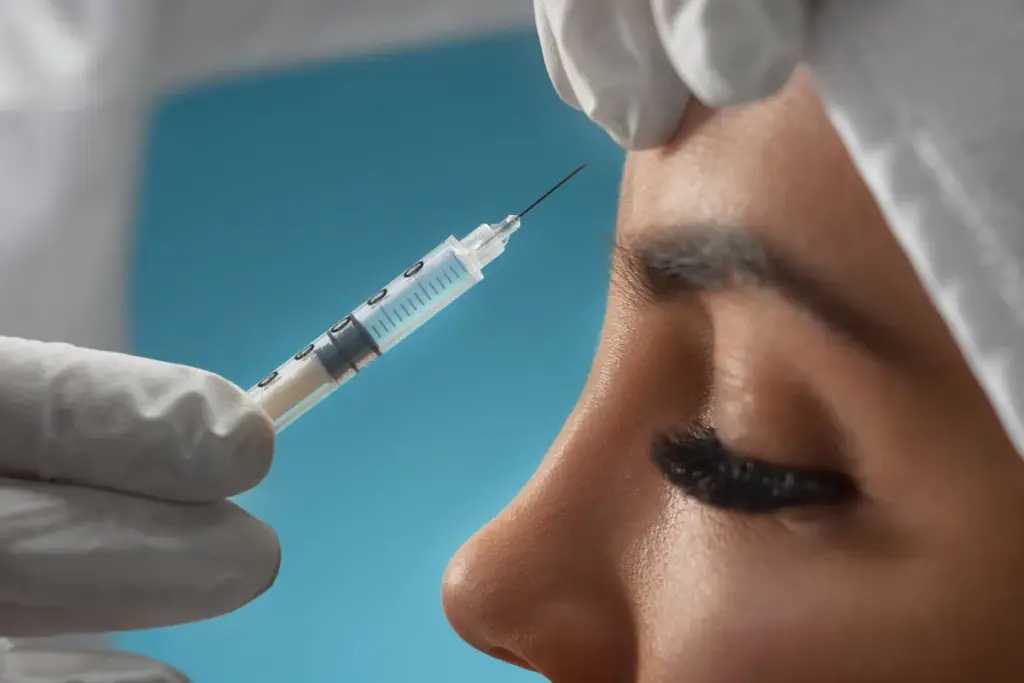
The world of Botox is full of different types, each with its own special features. We’ll look at the various Botox options, what makes them unique, and how they’re used.
OnabotulinumtoxinA (Botox)
OnabotulinumtoxinA, or Botox, is well-known and widely used. It’s mainly for cosmetic use, like smoothing out wrinkles and fine lines. Botox is also approved for treating chronic migraines and excessive sweating.
AbobotulinumtoxinA (Dysport)
AbobotulinumtoxinA, or Dysport, is another popular Botox type. It’s known for its ability to spread over larger areas. Like Botox, Dysport is used for both cosmetic and medical treatments, with some finding it more effective.
IncobotulinumtoxinA (Xeomin)
IncobotulinumtoxinA, or Xeomin, is called “naked Botox” because it doesn’t have the extra proteins found in other Botox products. This might lower the chance of developing resistance. Xeomin is used for both cosmetic and medical treatments, giving a different option to Botox and Dysport.
The main differences between these Botox types are in their strength, how long they last, and how likely they are to cause an immune reaction. Knowing these differences helps choose the right Botox for each person’s needs.
- OnabotulinumtoxinA (Botox) is widely recognized and used for both cosmetic and therapeutic purposes.
- AbobotulinumtoxinA (Dysport) is known for its diffusion properties, making it suitable for larger treatment areas.
- IncobotulinumtoxinA (Xeomin) lacks complexing proteins, potentially reducing the risk of resistance.
Understanding each Botox type’s unique qualities helps both healthcare professionals and patients make better choices about their treatments.
Differences Between Botox Types
When you think about Botox treatments, knowing the differences between types is key. There are three main types: OnabotulinumtoxinA (Botox), AbobotulinumtoxinA (Dysport), and IncobotulinumtoxinA (Xeomin). Each has its own special features, which we’ll dive into.
Duration of Effects
The time Botox lasts can change a lot between types. Botox usually works for 3 to 4 months. Dysport might last a bit less, about 3 months, but some studies say it can last as long as Botox. Xeomin is often said to last as long as Botox, around 3 to 4 months.
|
Botox Type |
Average Duration |
|---|---|
|
OnabotulinumtoxinA (Botox) |
3-4 months |
|
AbobotulinumtoxinA (Dysport) |
3 months |
|
IncobotulinumtoxinA (Xeomin) |
3-4 months |
Dosage and Administration
The amount and how Botox is given can differ. Botox and Xeomin are usually given in the same amount. But Dysport often needs more, about 2.5 to 3 times Botox. The way it’s given can also change based on who’s doing it and what it’s for.
- Botox: 1:1 dosage ratio with Xeomin
- Dysport: 2.5 to 3 times more than Botox
- Xeomin: Similar dosage to Botox
Cost Considerations
Cost is a big deal when picking a Botox type. Prices can change based on where you are, who’s doing it, and what it’s for. Botox and Xeomin are usually priced the same. But Dysport might be cheaper, depending on how much you need.
Talking to a healthcare pro is a good idea. They can help pick the best Botox for you, based on what you need and can afford. They’ll give you advice that’s just right for you.
Longevity of Different Botox Forms
The length of time Botox works can change from person to person. It depends on many things. Knowing how long Botox lasts is key to making smart choices.
Factors Affecting Longevity
Several things can make Botox last longer or shorter. For example, how fast you metabolize can affect it. If you metabolize quickly, Botox might not last as long.
Things like sunlight and smoking can also play a role. The dosage and how it’s given by the doctor matters too.
Comparing Lasting Effects of Each Botox Type
Each type of Botox works for different lengths of time. Here’s a quick look:
|
Botox Type |
Average Duration of Effects |
|---|---|
|
OnabotulinumtoxinA (Botox) |
3-4 months |
|
AbobotulinumtoxinA (Dysport) |
3-5 months |
|
IncobotulinumtoxinA (Xeomin) |
3-4 months |
Even though the table shows different times, how long it lasts for you can vary. This depends on many personal factors.
User Testimonials on Longevity
Many people have shared their experiences with Botox’s lasting power. Some say Dysport works longer for them than Botox. But, everyone’s results are different.
“I was amazed at how long Dysport lasted for me – nearly five months! It was a game-changer.”
— Emily, age 42
These stories show why it’s important to think about your own situation and the Botox type when considering how long it will last.
Choosing the Right Botox for Your Needs
Finding the right Botox is key to great results. There are many types, each with its own benefits. It can be hard to choose the best one for you.
Consulting with a Healthcare Professional
Talking to a healthcare professional is a big step. They will look at your medical history and skin type. They’ll also consider what you want to achieve.
They will discuss important things with you. This includes:
- The area(s) to be treated
- Your medical history and any previous Botox treatments
- Your expectations and desired outcomes
Assessing Skin Type and Condition
It’s important to know your skin type and condition. Different skin types react differently to Botox.
For example, people with sensitive skin might do better with certain types of Botox. These types are less likely to cause bad reactions.
Setting Realistic Expectations
It’s important to have realistic expectations. Your healthcare professional will tell you what to expect. This includes how long the effects will last and any possible side effects.
|
Botox Type |
Duration of Effects |
Common Uses |
|---|---|---|
|
OnabotulinumtoxinA (Botox) |
3-4 months |
Cosmetic and therapeutic uses |
|
AbobotulinumtoxinA (Dysport) |
3-4 months |
Cosmetic uses, including facial wrinkles |
|
IncobotulinumtoxinA (Xeomin) |
3-4 months |
Cosmetic and therapeutic uses, including facial wrinkles and spasms |
By thinking about these things and talking to a healthcare professional, you can make a good choice. This way, you’ll get the best results from your Botox treatment.
Potential Side Effects of Botox Treatments
It’s important to know about Botox side effects before getting the treatment. Botox is safe when done by a skilled professional. But, it does come with some risks.
Common Reactions
Most people get some side effects from Botox, but they’re usually mild and short-lived. Common side effects include:
- Redness, swelling, or bruising at the injection site
- Headaches
- Droopy eyelids (ptosis)
- Flu-like symptoms
- Difficulty swallowing (dysphagia)
These side effects usually go away within a few days to a week.
Rare Complications
Though rare, serious complications can happen. These include:
- Spread of the toxin effect (spread effect), causing symptoms such as drooping eyelids or difficulty swallowing
- Corneal exposure or ulcers due to reduced blinking
- Allergic reactions, including rash, itching, or asthma symptoms
- Flu-like symptoms that can be severe
If you have any of these rare complications, seek medical help right away.
When to Consult a Doctor
If you notice any unusual or severe side effects after Botox, talk to your doctor. This includes:
|
Symptom |
Action |
|---|---|
|
Severe difficulty swallowing or breathing |
Seek immediate medical attention |
|
Vision problems, including double vision or drooping eyelids |
Consult your doctor as soon as possible |
|
Significant muscle weakness |
Schedule an urgent appointment |
Talk to your healthcare provider about any Botox side effect concerns. This ensures you’re well-informed.
Botox for Therapeutic Uses
Botox is not just for beauty; it helps with many health issues too. It has made life better for many people. This is thanks to its use in treating different medical conditions.
Treatment of Chronic Migraines
Botox is great for chronic migraines. Clinical trials have shown it can cut down migraine attacks. We give Botox shots in the head and neck to stop the pain.
These shots are given every 12 weeks. Patients often say they feel fewer and less severe migraines. This makes their lives much better.
Managing Excessive Sweating
Hyperhidrosis, or too much sweating, is tough to deal with. Botox helps those who suffer from it. It blocks the nerve signals that make us sweat.
- We inject Botox in places like the underarms and palms to treat hyperhidrosis.
- Most people see a big drop in sweat within a few days.
- The effects last months, giving long-lasting relief.
Muscle Spasms and Other Medical Applications
Botox is also good for muscle spasms. Muscle spasms can hurt a lot and make it hard to move. Botox shots can really help.
It’s also used for:
- Muscle stiffness and spasms from neurological issues.
- Certain dystonias, where muscles contract on their own.
- Some bladder problems and incontinence.
We keep finding new ways to use Botox. It’s helping people with many health problems.
Innovations in Botox Treatments
Research into Botox is leading to new and exciting changes. These changes are transforming how Botox is used in medicine and beauty. We’re seeing new formulas, better techniques, and more uses for Botox.
New Formulations and Techniques
New Botox formulas are coming out, making it safer and more effective. For example, OnabotulinumtoxinA and AbobotulinumtoxinA offer different strengths and how long they last. This lets doctors tailor treatments to each patient’s needs.
How Botox is given has also improved. Doctors now use ultrasound guidance and electromyography for more precise injections. This leads to better results and fewer side effects.
Research on Botox Efficacy
Studies are always checking how well Botox works. It’s not just for looks; it’s also good for treating chronic migraines and excessive sweating. Clinical trials have shown its success in these areas.
“Botox has revolutionized the treatment of various neurological disorders and has become a staple in the management of chronic migraines and other conditions.” – A Neurologist
Future Trends in Botox Applications
The future of Botox looks bright, with new uses in the works. Researchers are looking into treating depression and overactive bladder. As we learn more about Botox, we’ll see even more creative ways to use it.
- New cosmetic uses, like treating excessive sweating and facial spasms.
- Therapeutic uses, like managing chronic pain and muscle spasms.
- Improvements in how Botox is made and delivered to make it safer and more effective.
As we keep innovating with Botox, it will stay a key part of medicine and beauty. By leading in research and development, we ensure patients get the best care and results.
Botox Maintenance and Aftercare
To get the most out of your Botox, it’s important to take good care of your skin after treatment. We know that how you care for your skin after Botox can greatly affect the results.
Post-Treatment Instructions
After getting Botox, it’s key to follow certain steps to avoid side effects and keep the treatment working well. Avoid rubbing or massaging the treated area for at least 24 hours. This helps prevent the toxin from spreading. Also, refrain from strenuous activities and avoid extreme temperatures like saunas or hot tubs for the first 24 hours.
Here are some common things to do after Botox:
- Keep your head elevated for a few hours after treatment
- Avoid lying down or bending over for extended periods
- Not undergoing any other facial treatments or procedures for a few days
Recommended Follow-Up Schedule
To keep your Botox looking its best, we suggest a follow-up plan. Botox usually lasts 3 to 4 months, but this can change based on your skin, muscle, and metabolism. Schedule a follow-up appointment with your healthcare provider in 3 to 4 months to see if you need more treatments.
Experts say a regular follow-up schedule is important for:
- Keeping your look the way you want it
- Adjusting your treatment plan as needed
- Preventing Botox resistance
Tips for Enhancing Results
To get the most out of your Botox, try these tips:
- Maintain a consistent skincare routine that includes sun protection, moisturizing, and gentle exfoliation.
- Stay hydrated by drinking plenty of water to keep your skin healthy and resilient.
- Avoid smoking and limit alcohol consumption, as these can negatively impact your skin’s health and appearance.
“Consistency is key when it comes to maintaining the effects of Botox. By following a regular treatment schedule and adhering to post-treatment instructions, you can enjoy long-lasting results.”
— A Dermatologist
By following these tips and working with your healthcare provider, you can make the most of your Botox. This will help you look smoother and more youthful for longer.
Conclusion: The Best Type of Botox for You
Finding the right Botox depends on what you need and want. We’ve looked at different Botox types, like OnabotulinumtoxinA (Botox), AbobotulinumtoxinA (Dysport), and IncobotulinumtoxinA (Xeomin). Each has its own special features and uses.
Key Considerations
Think about how long the effects last, how much you need, and how it’s given. It’s smart to talk to a healthcare expert to find the best Botox for you.
Seeking Professional Guidance
Getting advice from a healthcare pro is key for great results. They’ll check your skin, talk about what you want, and suggest the best Botox for you.
Knowing about the different Botox brands helps you choose wisely. We suggest talking to a healthcare pro to figure out the best treatment for you.
FAQ
What are the different types of Botox available?
There are three main types of Botox: OnabotulinumtoxinA (Botox), AbobotulinumtoxinA (Dysport), and IncobotulinumtoxinA (Xeomin). Each has its own special uses and effects.
How long does Botox last compared to Dysport?
Botox and Dysport last about 3-4 months each. But, how long they last can change based on your skin and health.
What is the difference between Botox and Xeomin?
Xeomin doesn’t have extra proteins that Botox does. This might make it less likely to cause antibodies. But, both can last about the same amount of time.
How do I choose the right Botox formulation for my needs?
Picking the right Botox depends on your skin, where you want to treat, and what you prefer. Always talk to a healthcare expert to find the best one for you.
Are there any potentially side effects of Botox treatments?
Yes, Botox can cause bruising, swelling, and eyelids to droop. Rarely, it might make swallowing or breathing hard. Always talk about risks with your doctor.
Can Botox be used for therapeutic purposes beyond cosmetic applications?
Absolutely, Botox helps with chronic migraines, too much sweating, and muscle spasms. It’s used for many medical needs, not just looks.
How often should I have Botox injections?
How often you need Botox depends on how well it works for you and what you’re treating. Usually, you’ll need it every 3-4 months.
What are the latest advancements in Botox treatments?
Scientists are always working to make Botox better. They’re looking at new ways to use it and improve how it works.
How can I enhance the results of my Botox treatments?
To get the most out of Botox, follow your doctor’s aftercare advice. Keep up with follow-ups and try other skincare treatments too. Your doctor can give you the best tips.
National Center for Biotechnology Information. Evidence-Based Medical Insight. Retrieved from https://pubmed.ncbi.nlm.nih.gov/15027065/