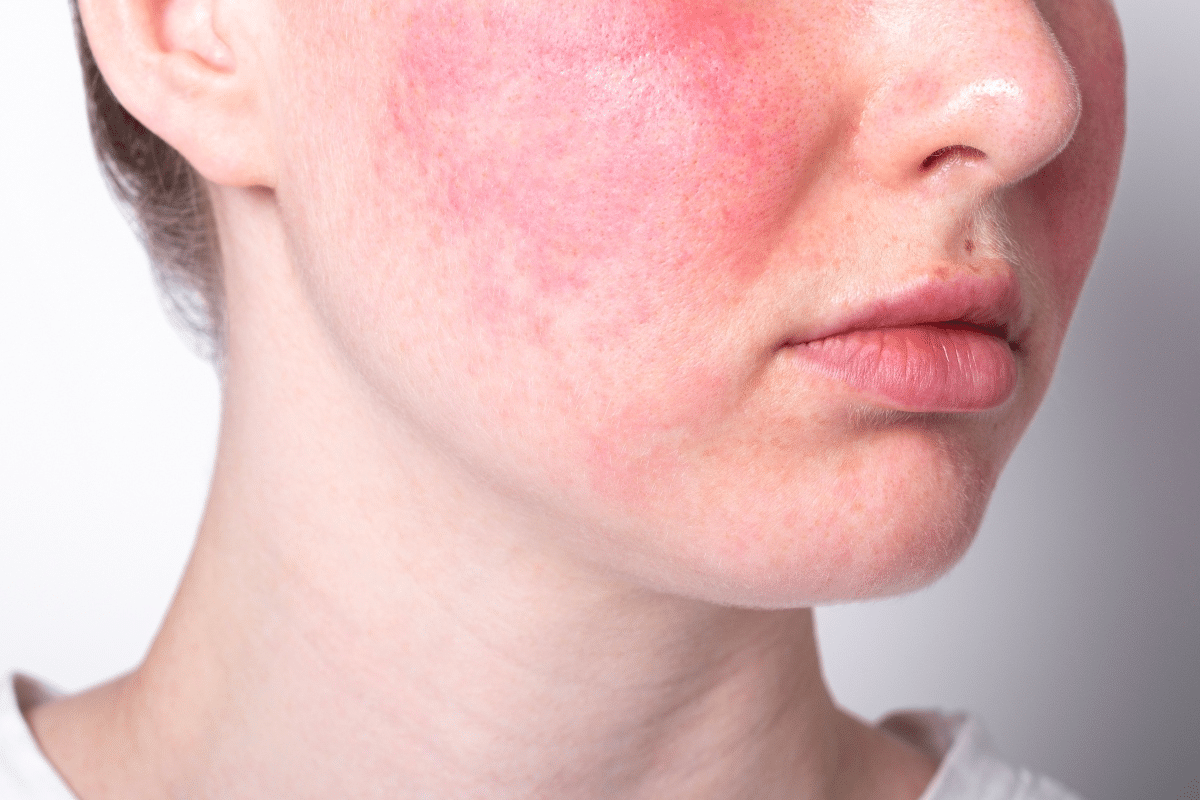
Subacute Cutaneous Lupus Erythematosus (SCLE) is a chronic autoimmune skin condition. It affects thousands of people worldwide. SCLE shows up as non-scarring lesions on sun-exposed areas like the neck, shoulders, and arms.
SCLE is a distinct subset of cutaneous lupus erythematosus. It makes up about 8% of all CLE cases. Its symptoms can be hard to diagnose because they look like other skin conditions.
We will give a detailed guide on SCLE. This includes its symptoms, rash, and treatment options. It’s to help patients and healthcare providers understand this condition better.
Key Takeaways
- SCLE is a chronic autoimmune skin condition characterized by photosensitive lesions.
- It is a subtype of cutaneous lupus erythematosus, accounting for 8% of all CLE cases.
- SCLE symptoms include non-scarring lesions on sun-exposed areas.
- Diagnosis can be challenging due to similarities with other skin conditions.
- Understanding SCLE is key for effective management and treatment.
Understanding SCLE Lupus
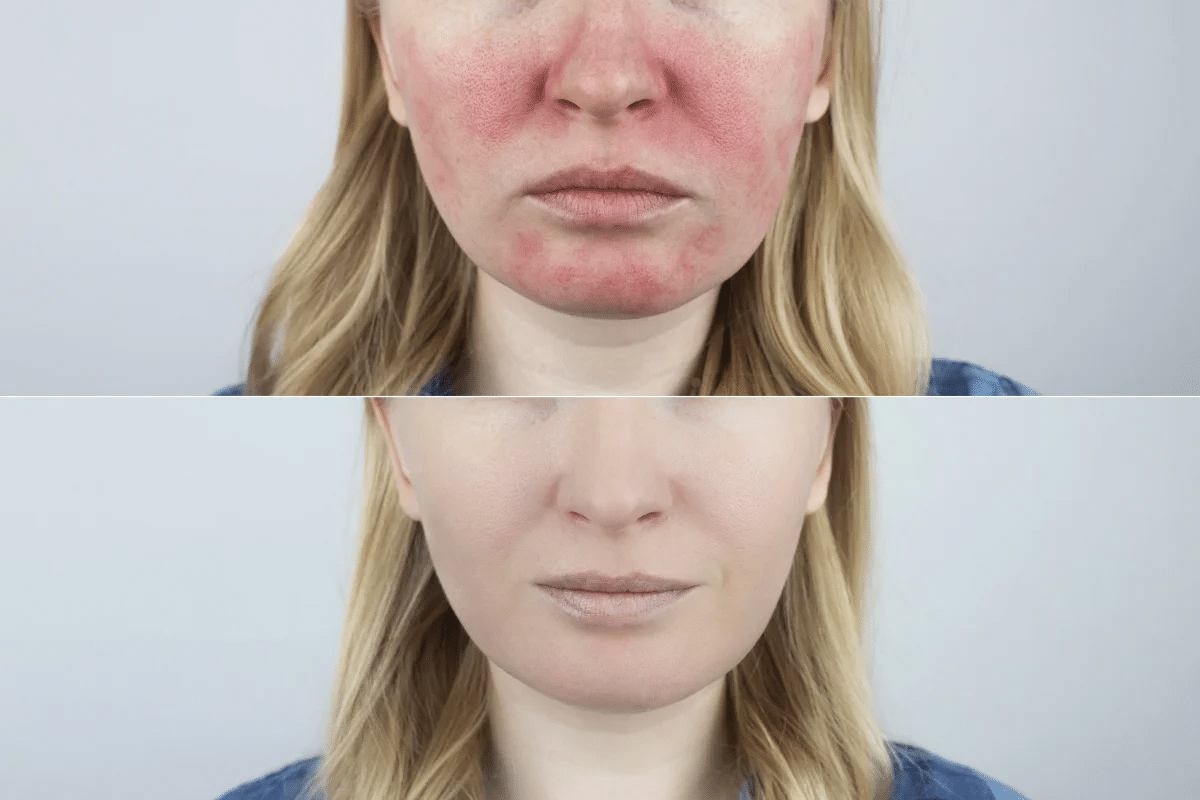
To understand SCLE lupus, we need to look at its definition, how it differs from other lupus types, and who it affects. We’ll explore these topics to give you a full picture.
Definition of Subacute Cutaneous Lupus Erythematosus
Subacute cutaneous lupus erythematosus (SCLE) is a type of cutaneous lupus. It’s known for its specific skin problems. It’s different from other lupus types because of its skin symptoms and mild body-wide symptoms.
How SCLE Differs from Other Forms of Lupus
SCLE mainly affects the skin, showing up on sun-exposed parts. It’s not as severe as systemic lupus erythematosus (SLE) in body-wide symptoms. But, it’s important to watch for signs it might turn into SLE.
Prevalence and Demographics
About 10% of lupus patients have SCLE. It’s more common in middle-aged white women, aged 15 to 70. The male-to-female ratio is 1:4.
|
Characteristics |
SCLE |
SLE |
|---|---|---|
|
Primary Affected Area |
Skin |
Multiple organs |
|
Systemic Involvement |
Mild |
Severe |
|
Prevalence among Lupus Patients |
Approximately 10% |
More common |
|
Demographic Most Affected |
Middle-aged white women |
Young women |
The Science Behind SCLE Lupus
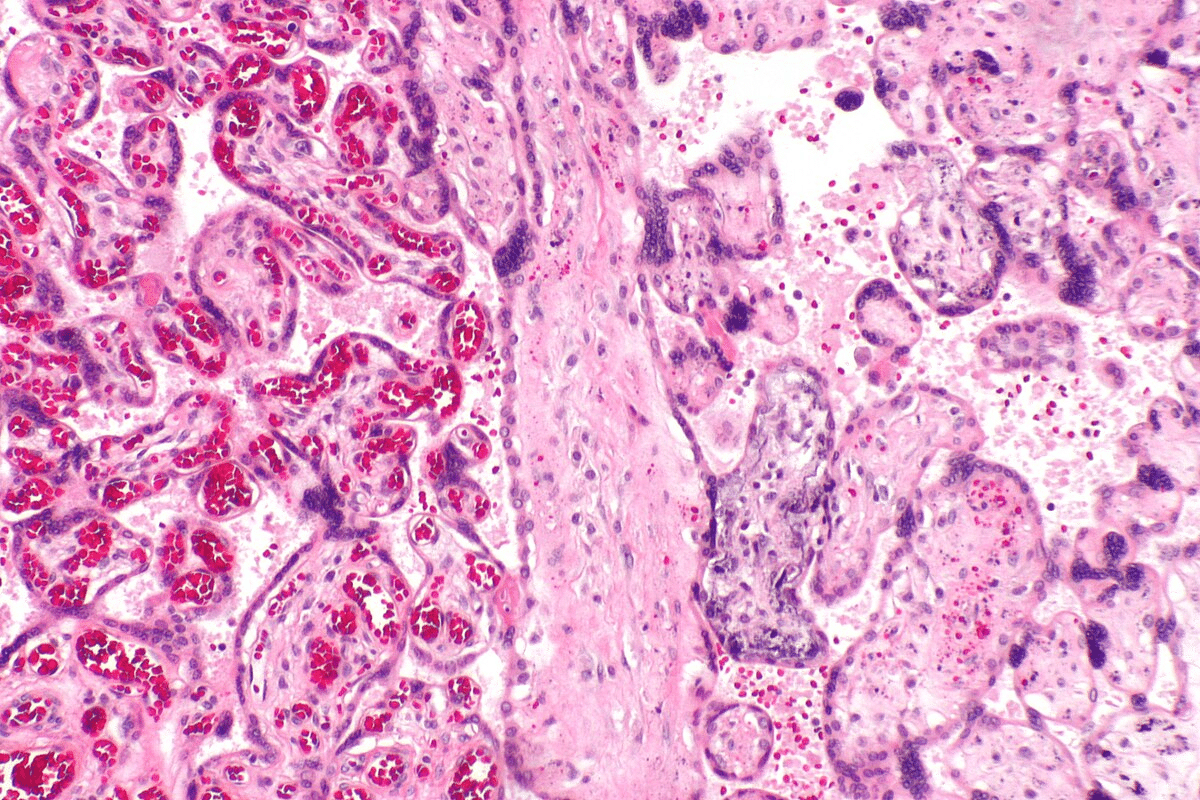
Subacute cutaneous lupus erythematosus (SCLE) is a complex condition. It involves autoimmune responses, genetic factors, and environmental triggers. Understanding these elements helps us grasp how SCLE develops and how to treat it effectively.
Autoimmune Mechanisms
SCLE occurs when the immune system mistakenly attacks the body’s own tissues. Autoantibodies, like anti-Ro/SS-A antibodies, are key in this process. These antibodies target the body’s cells and tissues, causing inflammation and damage.
The presence of anti-Ro/SS-A antibodies is a key sign of SCLE. We will look into how these autoantibodies affect the disease and its symptoms.
Genetic Factors
Genetics play a big role in SCLE. People with a family history of lupus or autoimmune diseases are more likely to get SCLE. Some genetic variants increase the risk of SCLE.
Research has found certain genetic loci linked to SCLE. We will explore how these genes work with environmental factors to cause the disease.
Environmental Triggers
Environmental factors like UV light, certain medications, and infections can trigger SCLE. UV radiation is a known trigger for SCLE lesions.
The ways environmental triggers affect SCLE are complex. They involve interactions with the immune system. We will discuss the main environmental triggers and their role in SCLE.
|
Trigger |
Description |
Effect on SCLE |
|---|---|---|
|
UV Light Exposure |
UV radiation from the sun or artificial sources |
Induces SCLE lesions, exacerbates symptoms |
|
Certain Medications |
Drugs such as antihypertensives and antibiotics |
Can trigger or worsen SCLE |
|
Infections |
Viral or bacterial infections |
May trigger or exacerbate SCLE in susceptible individuals |
Types and Classification of SCLE Lupus
Understanding SCLE types is key to managing the condition. SCLE can appear in various forms, mainly as annular and papulosquamous types. Some people may have both.
Annular SCLE
Annular SCLE shows up as ring-shaped lesions that grow outward. These are often photosensitive, meaning sunlight can make them worse. It’s a common form of SCLE.
These lesions might also have mild scaling and redness. It’s important to tell them apart from other skin conditions with similar signs.
Papulosquamous SCLE
Papulosquamous SCLE looks like psoriasis with scaly papules or plaques. It’s also photosensitive and can spread across the body.
This type can be hard to diagnose because it looks like other skin issues. A detailed check-up and tests are needed for a correct diagnosis.
Mixed Variants
Some people with SCLE have both annular and papulosquamous lesions. This mix makes it harder to treat.
Knowing the specific type of SCLE is important for the right treatment. Mixed cases show how complex SCLE can be, needing a tailored approach.
In summary, SCLE Lupus can be divided into annular, papulosquamous, and mixed types. Knowing these differences is vital for proper diagnosis and treatment.
- Annular SCLE is characterized by ring-shaped lesions.
- Papulosquamous SCLE presents with scaly papules or plaques.
- Mixed variants exhibit a combination of annular and papulosquamous lesions.
By recognizing SCLE’s different forms, doctors can provide better care. This leads to better results for patients.
Risk Factors for Developing SCLE Lupus
SCLE Lupus can be caused by genetic, demographic, and environmental factors. Knowing these risk factors helps find who might get the condition.
Genetic Predisposition
Genetics are key in SCLE Lupus. People with lupus or autoimmune diseases in their family are at higher risk. Specific genetic markers increase the risk, but having them doesn’t mean you’ll get the disease.
Gender and Age Considerations
Gender and age matter in SCLE Lupus risk. Women, mainly between 20 and 50, are more likely to get it. Hormones might play a part in this, but how is not fully known.
Environmental Exposures
Being exposed to UV light is a big risk for SCLE Lupus. UV light can cause skin problems and make symptoms worse. Other environmental factors might also be involved, but UV light is the main one.
Knowing these risks helps doctors spot who might get SCLE Lupus. They can then take steps to prevent it.
Characteristic SCLE Lupus Rash and Skin Manifestations
The SCLE lupus rash is a unique skin sign that needs careful study. It’s a key feature of Subacute Cutaneous Lupus Erythematosus. It plays a big role in diagnosing and managing the disease.
Appearance and Distribution
The rash shows up on sun-exposed parts like the face, neck, and arms. It comes in two main types: annular (ring-shaped) and papulosquamous (scaly patches). The annular type looks like circular lesions that grow. The papulosquamous type looks like psoriasis, with red, scaly patches.
The rash often spreads evenly and can cover a lot of the body. Knowing how it looks and where it shows up is key to diagnosing SCLE and telling it apart from other skin issues.
Photosensitive Nature
The SCLE lupus rash is very sensitive to UV light. Being in the sun can make it worse. So, protecting your skin from the sun is very important.
People with SCLE should use strong sunscreens, wear clothes that cover their skin, and stay out of the sun when it’s strongest.
Progression of Skin Lesions
How fast SCLE skin lesions show up can vary. Some people get them quickly, while others take longer. The lesions can change size, shape, and color over time.
In some cases, the rash might go away on its own. But it can come back when they’re exposed to UV light again.
Differences from Other Lupus Rashes
SCLE lupus rash is different from other lupus rashes. For example, it’s more widespread and sensitive to the sun than DLE. DLE usually has more localized, disc-shaped lesions.
Knowing these differences is important for getting the right diagnosis and treatment plan.
Systemic Symptoms of SCLE Lupus
SCLE is known for its skin issues, but it can also cause systemic symptoms. These symptoms can affect a person’s quality of life. They include joint pain, inflammation, fatigue, and even organ involvement.
Joint Pain and Inflammation
Joint pain and inflammation are common in SCLE patients. This can cause pain or swelling in different joints. The pain can be mild or severe, making daily activities hard.
Fatigue and General Malaise
Fatigue is a big problem for SCLE patients. It makes them feel extremely tired and can affect their mental health too. Feeling unwell often goes along with fatigue, making life harder.
Organ Involvement
SCLE can sometimes affect organs like the kidneys, lungs, and heart. This is less common than in SLE but serious. Regular check-ups are key to catch any issues early.
Severity Spectrum
The severity of symptoms in SCLE varies. Some people have mild symptoms, while others face severe ones. Tailoring treatment to each patient’s needs is important.
The following table summarizes the key systemic symptoms associated with SCLE and their impact:
|
Systemic Symptom |
Characteristics |
Potential Impact |
|---|---|---|
|
Joint Pain and Inflammation |
Arthralgias or arthritis affecting various joints |
Interferes with daily activities, reduces mobility |
|
Fatigue and General Malaise |
Persistent tiredness, feeling of being unwell |
Affects physical and mental well-being, reduces quality of life |
|
Organ Involvement |
Affects kidneys, lungs, heart, etc. |
Can lead to serious complications if not managed properly |
Diagnosing SCLE Lupus
To diagnose SCLE Lupus, doctors use a few key steps. They look at the patient’s symptoms, run lab tests, and do a skin biopsy. This way, they can tell SCLE apart from other diseases with similar signs.
Clinical Evaluation
The first step is a detailed check-up. Doctors ask about the patient’s health history and examine them closely. They look for specific skin rashes and other symptoms.
They check for rashes that look like rings or patches. These are common in SCLE. They also see if the rashes get worse in sunlight.
Laboratory Tests
Lab tests are very important for diagnosing SCLE Lupus. Doctors look for certain antibodies, like anti-Ro/SS-A antibodies. These are key signs of SCLE.
They also test for antinuclear antibodies (ANA). But, these are not unique to SCLE. Other tests check the blood, liver, and urine to see if the disease has spread.
Skin Biopsy Findings
A skin biopsy is often needed to confirm SCLE Lupus. The biopsy shows changes in the skin that are typical of SCLE. These changes, along with other signs, help doctors make a diagnosis.
Differential Diagnosis
It’s important to rule out other diseases that might look like SCLE. Doctors consider conditions like drug-induced lupus and psoriasis. By looking at the patient’s history, lab results, and biopsy, they can accurately diagnose SCLE and plan treatment.
Treatment Options for SCLE Lupus
Managing SCLE lupus requires a variety of treatments. These aim to lessen inflammation, control symptoms, and enhance life quality for those affected.
Topical Treatments
Topical treatments are often the first choice for SCLE lupus, mainly for skin lesions. Corticosteroids are used to cut down inflammation and protect the skin. Calcineurin inhibitors are also used, often for sensitive spots or when corticosteroids aren’t right.
The right topical treatment depends on the skin issue’s severity and where it is. It also depends on how well the patient has reacted to treatments before.
Systemic Medications
For more serious or widespread SCLE lupus, systemic meds are used. Antimalarials like hydroxychloroquine are common because they help reduce inflammation and manage symptoms. Dapsone is another choice, mainly for those who don’t get better with antimalarials.
|
Medication |
Use in SCLE Lupus |
Notable Side Effects |
|---|---|---|
|
Hydroxychloroquine |
First-line treatment for reducing inflammation |
Retinal toxicity, gastrointestinal disturbances |
|
Dapsone |
Alternative for patients unresponsive to antimalarials |
Hemolytic anemia, methemoglobinemia |
|
Methotrexate |
Used in refractory cases or when other treatments fail |
Liver toxicity, bone marrow suppression |
Emerging Therapies
New research into SCLE lupus is promising. Biologics, like belimumab, are being looked at for their ability to target the immune system’s response in SCLE lupus.
As we learn more about SCLE lupus, new treatments become available. Keeping up with the latest research is key for both doctors and patients.
Living with SCLE Lupus
Managing SCLE Lupus well means using many strategies. These include sun protection, making lifestyle changes, and getting medical help. It’s important to have a plan to deal with this chronic condition.
Sun Protection Strategies
Protecting yourself from the sun is key when you have SCLE Lupus. Use sunscreens with high SPF, wear clothes that cover you, and stay out of the sun when it’s strongest. UV radiation can trigger flares, so protecting yourself is very important.
Here are some tips for staying safe in the sun:
- Use a broad-spectrum sunscreen with SPF 30 or higher.
- Wear clothing that covers your skin, including long-sleeved shirts and pants.
- Use a wide-brimmed hat to protect your face and neck.
- Avoid being outside during peak sun hours (10 am to 4 pm).
Managing Flares
Even with good protection, flares can happen. It’s important to know how to handle them. Have a plan for taking more medicine if needed and watch for signs of a flare.
|
Signs of a Flare |
Actions to Take |
|---|---|
|
Increased skin lesions |
Contact your doctor for advice on adjusting your medication. |
|
Joint pain or swelling |
Start your flare management plan, which may include increasing your medication. |
|
Fatigue or fever |
Rest and stay hydrated; monitor your symptoms closely. |
Lifestyle Modifications
Making lifestyle changes can help manage SCLE Lupus. This includes changing your diet, managing stress, and avoiding triggers.
Some good lifestyle changes include:
- Eating an anti-inflammatory diet rich in fruits, vegetables, and omega-3 fatty acids.
- Practicing stress-reducing techniques such as meditation or yoga.
- Avoiding smoking and limiting alcohol consumption.
Psychological Impact
SCLE Lupus can affect your mind, causing anxiety and depression. It’s important to deal with these issues as part of your treatment plan.
Getting support from doctors, family, and support groups is vital. Connecting with others who understand what you’re going through can offer emotional support and helpful advice.
Complications and Long-term Outlook
It’s important to know about SCLE lupus complications for good management. SCLE mainly affects the skin, but some people face extra challenges. These can really affect their life quality.
Potential Complications
SCLE lupus can cause several problems, including:
- Photosensitivity: Being more sensitive to sunlight, which can make skin problems worse.
- Disfiguring Skin Lesions: Skin issues can cause scarring and change how you look.
- Systemic Involvement: SCLE can also cause joint pain and tiredness in some people.
Progression to Systemic Lupus
A big worry for SCLE patients is turning into Systemic Lupus Erythematosus (SLE). Most SCLE patients don’t get SLE, but some do. About 10-15% of SCLE patients might get SLE later on.
Prognosis Factors
The outlook for SCLE patients depends on a few things, like:
- How much skin is affected.
- If they have other symptoms.
- How well they respond to treatment.
Getting diagnosed early and treating it right can really help the outlook.
Quality of Life Considerations
Managing SCLE lupus well is key to a good life. This means protecting your skin from the sun, handling flare-ups, and dealing with any other symptoms. It’s also important to get educated and supported.
By knowing about possible problems and taking action, SCLE patients can live full and happy lives.
When to Seek Medical Attention
Knowing when to see a doctor is key for managing SCLE Lupus well. It’s important to know the signs that mean you need to go to the hospital right away.
Warning Signs
People with SCLE Lupus need to watch their symptoms closely. If you notice any of these warning signs, you should see a doctor:
- Significant worsening of skin lesions
- Increased sensitivity to sunlight
- Joint pain or swelling
- Fatigue or general malaise
- Fever or other signs of infection
Emergency Symptoms
SCLE Lupus can sometimes cause emergencies that need quick medical help. These include:
- Severe skin rash or lesions that cover a large area of the body
- Signs of organ involvement, such as chest pain or difficulty breathing
- Severe joint pain or swelling that interferes with daily activities
- High fever or signs of severe infection
Emergency Symptoms Requiring Immediate Attention
|
Symptom |
Description |
|---|---|
|
Severe Skin Rash |
Widespread skin lesions or rash that may be accompanied by other symptoms like fever or joint pain |
|
Organ Involvement |
Symptoms such as chest pain, difficulty breathing, or abdominal pain that may indicate organ involvement |
|
Severe Joint Pain |
Joint pain or swelling that is severe and interferes with daily activities |
Follow-up Care
Regular check-ups are vital for managing SCLE Lupus and avoiding problems. Patients should stay in close touch with their doctor to:
- Monitor their condition and adjust treatment as needed
- Address any concerns or symptoms promptly
- Stay informed about the latest treatment options and management strategies
By knowing the warning signs and emergency symptoms, and by keeping up with regular check-ups, patients with SCLE Lupus can manage their condition well. This helps improve their quality of life.
Conclusion
Understanding SCLE lupus is key to better management and quality of life. It’s a specific type of cutaneous lupus erythematosus. Knowing its symptoms, diagnosis, and treatments is important.
We’ve looked at SCLE lupus’s definition, how common it is, and its characteristics. We’ve also covered its symptoms, how it’s diagnosed, and treatment options. Recognizing SCLE lupus signs and getting medical help can help manage it.
Managing SCLE lupus well involves protecting from the sun, making lifestyle changes, and following treatments. New research brings hope for better treatments for those with SCLE lupus.
In short, SCLE lupus needs a detailed management plan. We aim to help people understand their condition better. This way, they can improve their health and well-being.
FAQ
What is Subacute Cutaneous Lupus Erythematosus (SCLE)?
SCLE is a specific type of lupus that affects the skin. It causes rashes on areas that get a lot of sun. These rashes don’t leave scars.
How does SCLE differ from other forms of lupus?
SCLE is different from other lupus types because it reacts to sunlight. It also has unique skin symptoms. This makes it stand out from systemic lupus erythematosus (SLE) and other cutaneous lupus.
What are the symptoms of SCLE lupus?
SCLE lupus symptoms include a rash on sun-exposed areas. You might also feel joint pain, be tired, and feel generally unwell. Some people may have other systemic symptoms too.
What does the SCLE lupus rash look like?
The rash from SCLE lupus can look like rings or be scaly and raised. It often shows up on the neck, shoulders, chest, back, and arms.
How is SCLE lupus diagnosed?
Doctors diagnose SCLE lupus by looking at symptoms, doing blood tests, and taking a skin biopsy. They also compare it with other conditions to make a correct diagnosis.
What are the treatment options for SCLE lupus?
Treatments for SCLE lupus include creams for local rashes and medicines for more widespread cases. New treatments are also being explored.
How can I manage SCLE lupus flares?
To manage SCLE lupus flares, protect your skin from the sun and make lifestyle changes. Adjusting your treatment plan might also be necessary. Knowing the signs of a flare is key.
Can SCLE lupus progress to systemic lupus erythematosus?
SCLE lupus mainly affects the skin, but it can turn into systemic lupus erythematosus in some cases. Regular check-ups are important to monitor this.
What lifestyle changes can help mitigate SCLE lupus?
To lessen SCLE lupus’s impact, protect your skin from the sun, avoid certain medicines, and manage stress. These changes can help.
When should I seek medical attention for SCLE lupus?
See a doctor if your rash gets worse, you have systemic symptoms, or if you have emergency symptoms. Quick medical attention is important.
References
National Center for Biotechnology Information. Evidence-Based Medical Guidance. Retrieved from https://www.ncbi.nlm.nih.gov/pmc/articles/PMC7357847/



 Departments
 Related Videos
 Our Doctors
 News
News