Recent studies have shown a concerning rise in fungal rhinosinusitis. This condition highlights the growing need to understand fungal infection symptoms. We are seeing more cases that need quick medical attention to avoid serious problems. Listing the key symptoms of a serious fungal infection that indicate a life-threatening systemic illness requiring urgent care.
Fungal infections can show up in different parts of the body. Their symptoms can vary a lot. It’s important to know the signs and symptoms of yeast or other fungal infections. If not treated, these infections can cause serious health issues.
Exploring fungal infections shows us how important awareness and education are. We will look at the different types of fungal infections and their effects on people. This will help you spot symptoms and get the right medical care.
Key Takeaways
- Recognizing the symptoms of fungal infections is key for quick medical help.
- Fungal infections can appear in different body parts with different symptoms.
- Knowing the signs and symptoms of yeast infections helps in early diagnosis.
- Fungal rash is a common symptom that needs quick attention.
- Untreated fungal infections can cause serious health problems.
Understanding Fungal Infections

It’s important to know about fungal infections early. These happen when fungi, which are usually on our skin or in the air, grow too much or infect us.
What Are Fungal Infections?
Fungal infections, or mycoses, come from fungi everywhere. They can be harmless or even good for us. But sometimes, they can cause infections that are mild or serious. Fungal skin infections are very common and can affect many parts of our body.
Common Types of Fungal Infections
There are several common fungal infections, including:
- Athlete’s foot (tinea pedis)
- Jock itch (tinea cruris)
- Ringworm (tinea corporis)
- Candidiasis (yeast infection)
- Onychomycosis (fungal nail infection)
Each infection has its own symptoms and needs the right treatment.
Risk Factors for Serious Infections
Some people are more likely to get serious fungal infections. This includes those with weak immune systems, like people with HIV/AIDS or those on chemotherapy. Others at risk are people with diabetes, poor hygiene, or who are exposed to contaminated places.
Recognizing Early Symptoms

It’s important to know the early signs of fungal infections to manage and treat them well. These infections can show up in different parts of the body. Their symptoms can vary a lot. We’ll cover the common early signs and symptoms to help you know when to see a doctor.
Common Early Signs
Fungal infections can be tricky to spot early because their symptoms are not always clear. Look out for skin lesions, itching, and redness. These can appear as rashes or patches on your skin.
Some fungal infections can also cause respiratory issues. This includes coughing or trouble breathing. This is more common in people with weakened immune systems.
Seeking Medical Attention
If you notice unusual or lasting symptoms, like worsening skin lesions or trouble breathing, see a doctor. Early treatment can make a big difference.
Don’t hesitate to visit a healthcare professional if you have persistent symptoms. This includes severe symptoms or anything that makes your life harder.
Symptoms of Severe Fungal Infections
Severe fungal infections are a serious health concern. They can affect many parts of the body. The symptoms vary based on the fungus and where it is.
Respiratory Symptoms
Fungal infections can cause big problems in the lungs, mainly for those with weak immune systems. Symptoms include:
- Persistent cough
- Difficulty breathing
- Chest pain
- Fever
These signs can mean serious infections like aspergillosis or histoplasmosis. They need quick medical help.
Systemic Symptoms
When fungal infections spread, they can hit many organs. This leads to symptoms like:
- Fatigue
- Weight loss
- Fever
- Night sweats
These infections can be deadly. They need strong treatment.
Skin and Nail Infections
Fungal infections can also show up on the skin and nails. They can be uncomfortable and serious. Symptoms include:
- Itching and redness on the skin
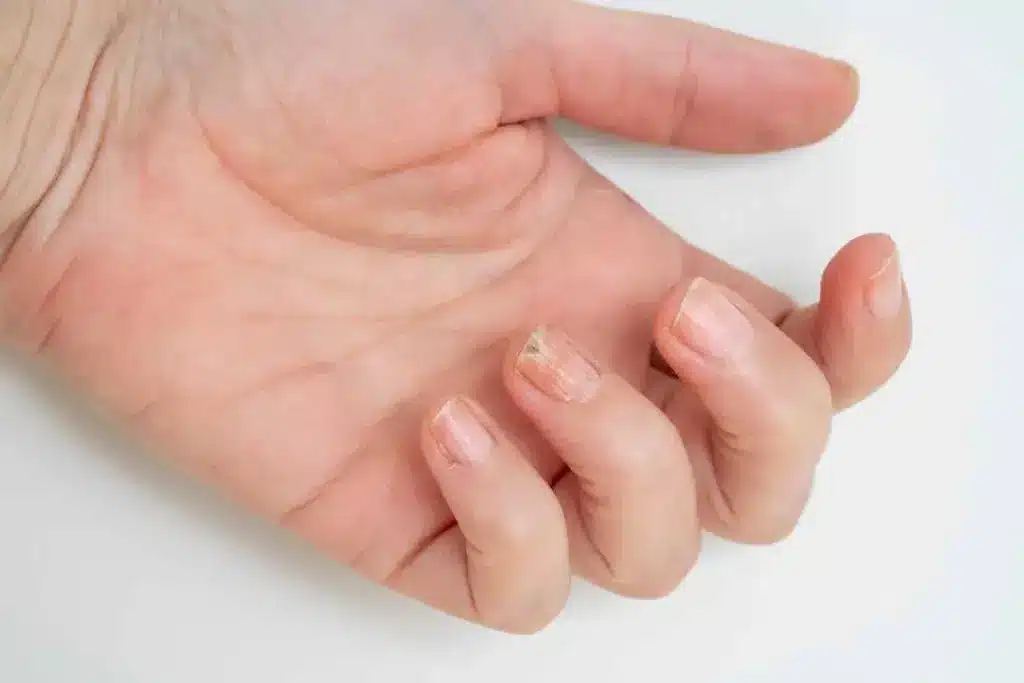
- Thickening or discoloration of the nails
- Skin lesions or rashes
Conditions like fungal dermatitis and skin fungal infection can really hurt your life if not treated right.
|
Symptom |
Respiratory |
Systemic |
Skin/Nail |
|---|---|---|---|
|
Cough |
Common |
Rare |
None |
|
Fever |
Common |
Common |
Rare |
|
Skin Lesions |
None |
Rare |
Common |
|
Nail Discoloration |
None |
None |
Common |
In conclusion, severe fungal infections can show many symptoms. They can affect different parts of the body. Knowing these symptoms is key for early diagnosis and treatment.
Differentiating Between Fungal Infections
Fungal, bacterial, and viral infections can look similar. Knowing the exact type is key to treating it right. We’ll look at how fungal infections are different from the others.
Fungal vs. Bacterial Infections
Fungal and bacterial infections need different treatments. The main difference is in their cause. Fungi are eukaryotic, while bacteria are prokaryotic. This affects how we treat them.
Key differences include:
- Causative Agent: Fungi cause fungal infections, while bacteria cause bacterial infections.
- Symptoms: Fungal infections often affect the skin or nails. Bacterial infections can range from skin issues to serious conditions like sepsis.
- Treatment: Antifungal meds treat fungal infections. Antibiotics are used for bacterial ones.
Fungal vs. Viral Infections
Fungal infections differ from viral ones in several ways. Viruses don’t live like cells and need a host to multiply. Fungi, being living organisms, can grow and reproduce on their own.
|
Characteristics |
Fungal Infections |
Viral Infections |
|---|---|---|
|
Causative Agent |
Fungi |
Viruses |
|
Replication |
Can grow and reproduce on their own |
Require a host cell to replicate |
|
Treatment |
Antifungal medications |
Antiviral medications or supportive care |
Diagnostic Methods for Fungal Infections
To treat fungal infections, we need to diagnose them right. We use many tools to find out the type and how bad the infection is. This way, patients get the right treatment.
Blood Tests
Blood tests are key for finding systemic fungal infections. They look for fungal antigens or antibodies in the blood. This is important to know if you have an infection and what kind it is.
Tests like the (1,3)-β-D-glucan test and the galactomannan test help find invasive aspergillosis.
Imaging Techniques
X-rays, CT scans, and MRI help see how far the infection has spread. They show how the infection affects the body’s tissues and organs. This helps us decide on the best treatment.
A CT scan can spot fungal nodules or cavities in the lungs. An MRI can find infections in the brain or soft tissues. By looking at the imaging, symptoms, and lab results, we can accurately diagnose and treat fungal infections.
Treatment Options for Fungal Infections
Treating fungal infections involves several steps. These include using antifungal medications and making lifestyle changes. We will look at these options to help you manage fungal infections well.
Antifungal Medications
Antifungal medications are key in treating fungal infections. They come in different forms like pills, creams, or injections. The choice depends on the infection’s type and how serious it is.
Types of Antifungal Medications:
- Azoles: Work well against many fungal infections, including those from Candida and Aspergillus.
- Polyene antifungals: Good for serious infections, mainly from Candida and Aspergillus.
- Echinocandins: Target the cell wall of fungi, mainly for Candida infections.
|
Antifungal Class |
Examples |
Common Uses |
|---|---|---|
|
Azoles |
Fluconazole, Itraconazole |
Treats Candida, dermatophyte infections |
|
Polyene antifungals |
Amphotericin B |
Serious infections like invasive aspergillosis |
|
Echinocandins |
Caspofungin, Micafungin |
Primarily for Candida infections |
Home Remedies and Lifestyle Changes
Along with medications, home remedies and lifestyle changes can help fight fungal infections.
Home Remedies:
- Tea tree oil: Has antifungal properties and can be applied directly.
- Apple cider vinegar: Helps balance the body’s pH.
- Garlic: Has compounds that fight fungi.
Lifestyle Changes:
- Maintaining good hygiene: Wash and dry the affected area well.
- Wearing breathable clothing: Keeps moisture away, making it hard for fungi to grow.
- Dietary adjustments: Eat a balanced diet to boost your immune system.
Combining antifungal medications with home remedies and lifestyle changes can help manage fungal infections. This approach can also lower the chance of them coming back.
Prevention of Fungal Infections
We can lower the risk of fungal infections by taking simple steps. Keeping clean and controlling our environment are key. By doing so, we can fight off these infections more effectively.
Hygiene Practices
Good hygiene is our first defense against fungal infections. It’s important to keep our skin clean and dry, like between our toes. Washing with soap and water, and drying well can stop fungi from growing.
Environmental Controls
It’s also vital to control our environment to stop fungi. We need good air flow, less humidity, and avoid dirty soil or water. Being careful about air spores is also important, more so for those with weak immune systems.
|
Preventive Measure |
Description |
|---|---|
|
Keep Skin Clean and Dry |
Regular washing and drying, specially in moist areas |
|
Ensure Good Ventilation |
Reduce humidity and improve air circulation |
|
Avoid Contaminated Soil/Water |
Be cautious when handling soil or water that may be contaminated |
Impact on Immune-Compromised Patients
Fungal infections are a big risk for people with weak immune systems. This includes those getting chemotherapy, organ transplant patients, and those with HIV/AIDS.
Symptoms in Immunocompromised Individuals
People with weak immune systems show more severe symptoms of fungal infections. These symptoms can include:
- Persistent fever that does not respond to antibiotics
- Respiratory symptoms such as coughing and difficulty breathing
- Skin lesions or rashes that are unusual or severe
These symptoms can get worse fast, leading to serious problems if not treated quickly.
Importance of Timely Treatment
It’s very important to treat fungal infections early in people with weak immune systems. We stress the need for quick diagnosis and starting antifungal treatment. This helps stop the infection from spreading and lowers the chance of death.
Long-Term Effects of Untreated Fungal Infections
Untreated fungal infections can cause serious health problems. We look at the long-term effects. It’s key to get medical help quickly.
Persistent Health Issues
Chronic symptoms from untreated fungal infections can really affect your life. These symptoms can last, causing ongoing discomfort and health issues.
Potential Complications
Untreated fungal infections can lead to serious complications. These can affect different parts of the body. Knowing these risks helps people seek medical care.
Understanding the long-term effects of untreated fungal infections is important. It helps people take action to stay healthy. This way, they can avoid serious problems.
FAQ
What are the common symptoms of a serious fungal infection?
Serious fungal infections can cause many symptoms. These include breathing problems, skin issues, and general sickness like fever and tiredness. We talk about these symptoms in our section on Symptoms of Severe Fungal Infections.
How do I know if I have a fungal infection or another type of infection?
It’s important to tell the difference between fungal, bacterial, and viral infections. Fungal infections often have signs like itching and skin lesions. We explain how to tell them apart in our section on Differentiating Between Fungal Infections.
What are the risk factors for developing a serious fungal infection?
Some people are more at risk for serious fungal infections. This includes those with weak immune systems and those with health problems. We cover these risks in our section on Understanding Fungal Infections.
How are fungal infections diagnosed?
Doctors use different ways to diagnose fungal infections. This includes blood tests and imaging. We explain these methods in our section on Diagnostic Methods for Fungal Infections.
What treatment options are available for fungal infections?
There are many ways to treat fungal infections. This includes medicines, home remedies, and changes in lifestyle. The right treatment depends on the infection’s type and how serious it is. We discuss these options in our section on Treatment Options for Fungal Infections.
How can I prevent fungal infections?
To prevent fungal infections, keep clean and control your environment. We give tips on prevention in our section on Prevention of Fungal Infections.
What are the long-term effects of untreated fungal infections?
Untreated fungal infections can cause long-term problems. We look at these risks in our section on Long-Term Effects of Untreated Fungal Infections.
Are fungal skin infections contagious?
Yes, fungal skin infections can spread. They can pass through touching an infected person or touching contaminated things. Keeping clean is important to stop the spread.
Can fungal infections be treated at home?
Some mild fungal infections can be treated at home. But, serious infections need medical help and medicines. We talk about home remedies in our section on Treatment Options for Fungal Infections.
How do fungal infections affect immunocompromised individuals?
People with weak immune systems are more at risk for fungal infections. These infections can be worse in this group. We discuss the impact in our section on Impact on Immune-Compromised Patients.
References
National Center for Biotechnology Information. Evidence-Based Medical Insight. Retrieved from https://www.ncbi.nlm.nih.gov/books/NBK551496/