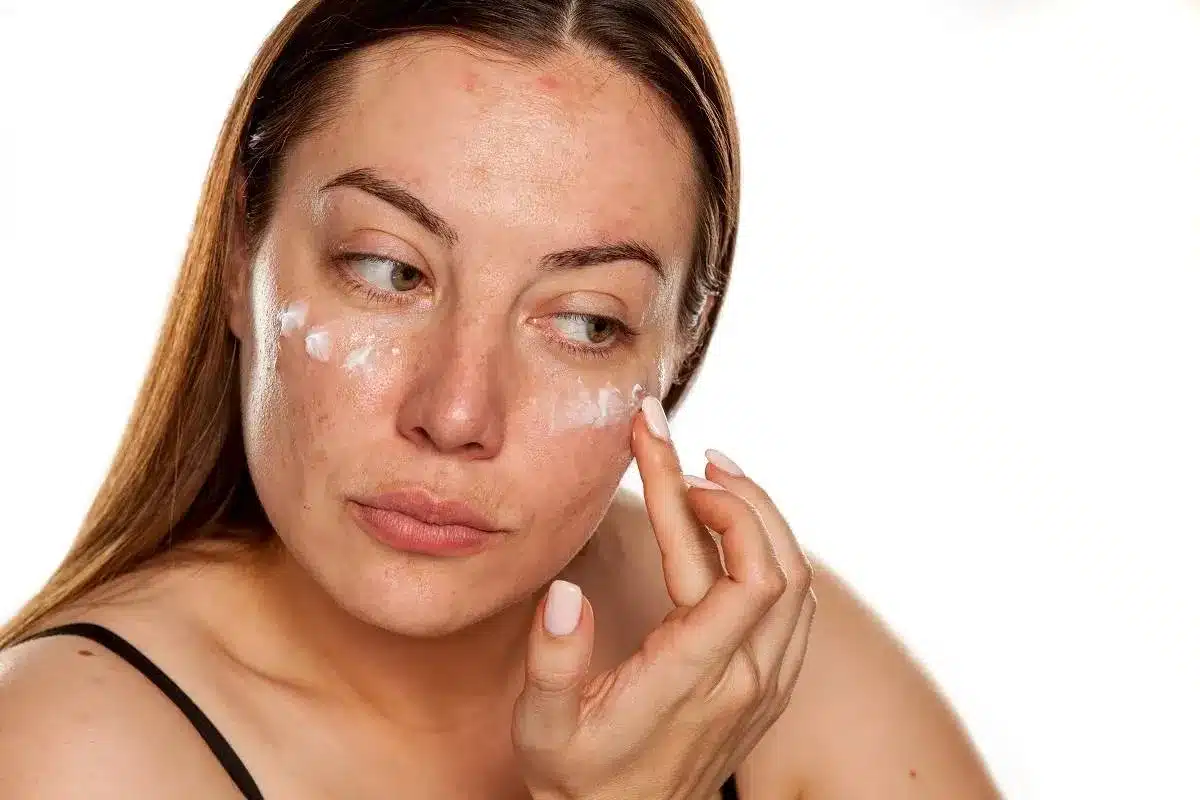
Many people use salicylic acid to treat warts. But, using too much can cause skin irritation. Did you know almost 1 in 5 people will get a wart at some point? Explaining the risks of using too much salicylic acid on a wart, including irritation and scarring of surrounding skin.
Salicylic acid breaks down the keratin in warts. It works well if used right. But, too much can make your skin red, itchy, and even scar.
Key Takeaways
- Using too much salicylic acid can irritate the skin.
- Salicylic acid is effective for treating warts when used properly.
- Proper application is key to avoid bad effects.
- The benefits of salicylic acid include dissolving keratin protein.
- Too much can lead to redness and scarring.
Understanding Salicylic Acid and Its Role in Dermatology
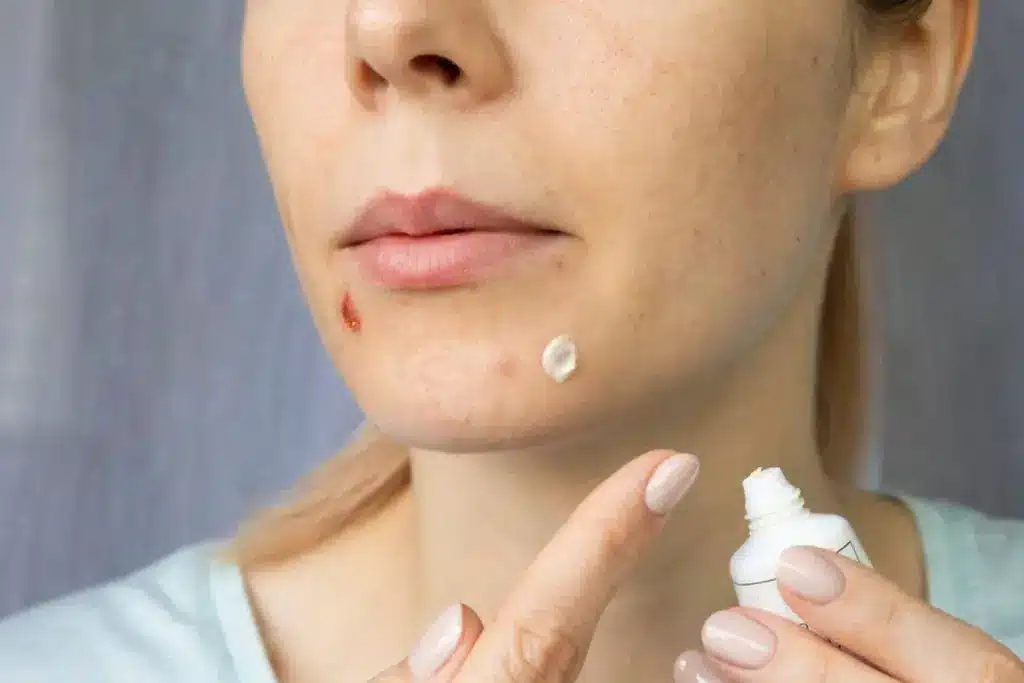
Salicylic acid is a beta hydroxy acid known for its anti-inflammatory and antibacterial properties. It’s a key ingredient in many dermatological treatments.
What is Salicylic Acid?
Salicylic acid comes from willow bark. It can penetrate the skin and exfoliate from within. It’s found in many skincare products, like cleansers and spot treatments, to treat acne and blackheads.
How Salicylic Acid Works on Skin
Salicylic acid breaks down the ‘glue’ that holds dead skin cells together. This leads to gentle exfoliation. It also unclogs pores and reduces inflammation, making it great for treating warts.
Historical Use in Medicine
Salicylic acid has been used for centuries. Ancient civilizations used willow bark to treat pain and fever. Today, it’s used in dermatology for various skin conditions.
|
Product Type |
Concentration |
Use |
|---|---|---|
|
Cleansers |
0.5-2% |
Daily cleansing, acne prevention |
|
Spot Treatments |
2-5% |
Targeted treatment for warts, acne |
|
Peels |
10-30% |
Professional treatments for deep exfoliation |
Salicylic acid products come in different forms for various skin types. Knowing the right product and concentration is key for effective treatment.
Warts: Types, Causes, and Common Treatments
Understanding warts is key to treating them well. Warts are common and can be painful. They are caused by the human papillomavirus (HPV), which infects the skin.
Common Types of Warts
Warts come in different types based on their look and where they are on the body. The most common types include:
- Common Warts: These are rough, raised bumps that can appear anywhere on the body.
- Plantar Warts: Found on the soles of the feet, these warts can be painful due to pressure.
- Flat Warts: These are smooth, flat-topped warts that often appear in clusters.
- Genital Warts: These are sexually transmitted and appear on the genitals or around the anal area.
What Causes Warts?
Warts are caused by the human papillomavirus (HPV), a highly contagious virus. It spreads through direct contact with an infected person or contaminated surface. There are over 100 types of HPV, some of which are more likely to cause warts.
According to dermatological research, “HPV infects the skin through minor cuts or abrasions, leading to the development of warts”
Overview of Wart Treatment Options
Treatment for warts depends on the type, size, and location. Common treatment options include:
|
Treatment Method |
Description |
Effectiveness |
|---|---|---|
|
Salicylic Acid |
A topical treatment that dissolves the keratin protein that makes up the wart. |
Highly effective for common and plantar warts. |
|
Cryotherapy |
Freezing the wart with liquid nitrogen, leading to its eventual removal. |
Effective but may require multiple sessions. |
|
Surgical Removal |
Cutting out the wart, usually under local anesthesia. |
Effective but can leave scarring. |
Salicylic acid is a popular over-the-counter treatment for warts. It is effective and has a low risk of side effects when used correctly.
How Salicylic Acid Treats Warts Effectively
Edit
Full screen
Delete
salicylic acid for warts
Salicylic acid is a popular choice for treating warts. It has been used in dermatology for many years. It’s a non-invasive way to remove warts.
The Mechanism of Action
Salicylic acid breaks down the keratin in warts. This makes it easier to remove them over time. It also boosts the immune system to fight the wart virus.
Key steps in how salicylic acid works:
- Softens keratin protein
- Helps in gradual removal of the wart
- Stimulates the immune system
Expected Timeline for Treatment
The time it takes for salicylic acid to work on a wart varies. It can take a few weeks to several months. Keeping up with the treatment is important for good results.
|
Treatment Duration |
Expected Outcome |
|---|---|
|
3-6 weeks |
Initial softening of the wart |
|
6-12 weeks |
Significant reduction in wart size |
|
3-6 months |
Complete removal of the wart |
Success Rates and Limitations
Salicylic acid is good at treating warts, but results can vary. It works best for common warts, not deep or mosaic ones. Knowing its limits helps set realistic goals.
Following treatment instructions and being patient is key. Salicylic acid treatment takes time.
Different Formulations of Salicylic Acid for Wart Removal
Edit
Full screen
Delete
salicylic acid products
Salicylic acid comes in many forms for removing warts. This variety helps people pick the right product for their needs.
Over-the-Counter Products and Concentrations
OTC products with salicylic acid are easy to find. They have different strengths, from 0.5% to 17%. Compound W and Duofilm are well-known for their effectiveness.
|
Product |
Concentration |
Form |
|---|---|---|
|
Compound W |
17% |
Liquid, Gel |
|
Duofilm |
17.6% |
Liquid |
Prescription-Strength Options
For tough warts, doctors might suggest stronger salicylic acid. These products have higher concentrations than what you can buy over the counter. A doctor will help choose the right one.
“Prescription-strength salicylic acid can be more effective for resistant warts, but it requires guidance from a healthcare professional to avoid possible side effects.”
Liquids, Gels, Patches, and Pads
Salicylic acid comes in liquids, gels, patches, and pads. Each type has its own benefits. For example, salicylic acid patches are great for warts on the soles of the feet.
Liquids and gels let you apply salicylic acid directly. Patches and pads release it slowly. Your choice depends on where the wart is and what you prefer.
Always follow the instructions when using these products. If you’re not sure, talk to a healthcare professional. They can help if the wart doesn’t go away.
Recommended Usage of Salicylic Acid for Wart Removal
Edit
Full screen
Delete
salicylic acid application for wart removal
Knowing how to use salicylic acid is key for removing warts. It’s important to prepare the skin right, apply the treatment correctly, and stick to the treatment time.
Proper Skin Preparation Techniques
Before using salicylic acid, the skin needs to be ready. Soak the wart in warm water for 5 minutes to soften it. Then, gently file the wart with a pumice stone or emery board to remove dead skin. Be careful not to file too hard, as it can irritate the skin.
Key steps in skin preparation include:
- Soaking the wart in warm water
- Gently filing the wart with a pumice stone or emery board
- Drying the area thoroughly before application
Correct Application Methods
Applying salicylic acid correctly is important for it to work well. Apply it directly to the wart, not the healthy skin around it. Use a cotton swab or applicator to be precise. For liquids or gels, use a few drops. For patches or pads, cut them to fit if needed.
A study in the Journal of Clinical and Aesthetic Dermatology found, “Salicylic acid is a well-tolerated and effective treatment for warts when used correctly.”
“The key to successful treatment lies in consistent and proper application.”
|
Application Method |
Description |
Precautions |
|---|---|---|
|
Liquid/Gel |
Apply directly to the wart using a cotton swab |
Avoid surrounding healthy skin |
|
Patches/Pads |
Cut to size if necessary and apply directly |
Ensure secure adhesion |
Duration Guidelines for Treatment
The time needed for salicylic acid treatment varies. It can take from 3 to 12 weeks, depending on the wart’s size and thickness. Be patient and keep applying it regularly. If you see no change after 12 weeks, see a healthcare professional for advice.
Factors influencing treatment duration include:
- Size and thickness of the wart
- Consistency of application
- Individual skin response
By following these tips, you can use salicylic acid effectively to remove warts.
Signs You’re Using Too Much Salicylic Acid
Edit
Full screen
Delete
salicylic acid side effects
Using too much salicylic acid can irritate your skin and cause problems. It’s a common treatment for warts but can harm your skin if used too much. Knowing the signs of overuse is key to avoiding long-term skin damage.
Visual Indicators of Overuse
Signs of too much salicylic acid include:
- Redness and inflammation around the treated area
- Increased sensitivity to the touch
- Skin peeling or flaking, which can sometimes be severe
- Blistering or chemical burns in extreme cases
These signs show your skin is reacting too strongly to the treatment.
Sensory Symptoms to Watch For
Other signs you might be using too much salicylic acid include:
- A burning or stinging sensation on the skin
- Itching or discomfort around the treated area
- Pain or tenderness when the area is touched
These symptoms mean your skin is stressed from the treatment.
Differentiating Normal Reactions from Overuse
It can be hard to tell if your skin is just reacting to salicylic acid or if you’re using too much. A normal reaction might be a bit of irritation or redness that goes away as your skin gets used to it. But if the reaction is severe, lasts a long time, or gets worse, it could mean you’re using too much.
Watching how your skin reacts and adjusting your treatment is important. If you’re not sure about your reaction, talking to a dermatologist can help.
In short, knowing the signs of too much salicylic acid is important for safe use. Spotting visual and sensory signs early helps prevent harm and ensures your treatment works well.
Immediate Skin Reactions to Salicylic Acid Overuse
Edit
Full screen
Delete
salicylic acid skin irritation
Using too much salicylic acid on a wart can cause a range of skin reactions. These can be mild irritation or severe damage. It’s important to know these reactions to manage them well.
Redness and Inflammation
Redness and inflammation are common when using too much salicylic acid. This happens because the acid can irritate the skin, more so at higher doses or with long use. Redness and inflammation mean the skin is reacting to the treatment. They can also signal more serious reactions.
Pain and Burning Sensations
Pain and burning can happen when using too much salicylic acid. The acid can irritate nerve endings in the skin, causing pain or a burning feeling. It’s important to tell the difference between mild tingling and severe pain from overuse.
Skin Peeling and Flaking
Skin peeling and flaking are common with salicylic acid, more so in high doses or on sensitive skin. Some peeling is okay as the acid works to remove the wart. But too much peeling means you might be using too much. Watching how much peeling happens is key to avoiding more irritation.
Chemical Burns and Blistering
Using too much salicylic acid can cause chemical burns or blistering. This is a serious reaction that needs quick attention. Chemical burns happen when the acid is too strong or the skin is very sensitive. Blistering means serious skin damage and needs quick treatment to avoid infection.
The reactions to too much salicylic acid can be different in severity. Knowing these reactions helps manage treatment better. If you see any of these signs, change your treatment or talk to a healthcare professional.
- Be aware of the signs of overuse, such as redness, pain, and skin peeling.
- Adjust treatment based on the severity of the reaction.
- Consult a healthcare professional if reactions are severe or persistent.
Long-term Consequences of Excessive Salicylic Acid Application
Using too much salicylic acid can harm your skin over time. It’s good for treating warts, but too much can damage your skin’s health and look.
Potential Scarring and Discoloration
Too much salicylic acid can cause scarring. It can deeply damage your skin, leading to scars that might not go away. It can also change the color of your skin, making it lighter or darker than before. This is a big worry for people with darker skin, as it can be very noticeable.
Damage to Healthy Skin Tissue
Salicylic acid doesn’t just target warts; it can harm the healthy skin around them too. This can weaken your skin, making it more open to infections and other problems. Your skin’s natural defense can be broken, leaving it vulnerable.
Chronic Skin Sensitivity Issues
Using too much salicylic acid can make your skin very sensitive. It might react to products and things in the environment, causing redness, irritation, and discomfort. This sensitivity can last a long time, making it hard to use some skincare products.
Impact on Skin Barrier Function
Your skin’s barrier is key to keeping it safe and hydrated. Too much salicylic acid can break this barrier, causing dryness and making your skin more open to infections. Fixing this barrier might need special treatments and skincare routines.
|
Long-term Consequence |
Description |
Potential Remedies |
|---|---|---|
|
Potential Scarring |
Permanent marks on the skin due to deep damage |
Laser therapy, scar creams |
|
Damage to Healthy Skin Tissue |
Compromised skin integrity around the treated area |
Moisturizers, protective skincare |
|
Chronic Skin Sensitivity |
Increased reactivity to products and environmental factors |
Gentle skincare products, avoiding irritants |
|
Impact on Skin Barrier Function |
Compromised protection against pathogens and hydration loss |
Barrier repair creams, hydrating treatments |
When Salicylic Acid Overuse Requires Medical Attention
Using salicylic acid for wart removal is common. But, knowing when to stop is key. Overusing it can cause problems.
Severe Reaction Symptoms
Severe reactions to too much salicylic acid show as intense redness and pain. If you see these severe reaction symptoms, stop using it right away. Then, get medical help.
“Severe reactions mean there’s a bigger issue that needs quick attention,” experts say. For more on salicylic acid, check WebMD’s page on calicylic topical.
Infection Risk Factors
Too much salicylic acid can lead to infections. Look out for redness, swelling, warmth, or pus. Seeing these signs means you should see a doctor.
Improper use or too much salicylic acid raises infection risk. Always follow the instructions and use it carefully.
When to Consult a Dermatologist
Severe or lasting side effects mean it’s time to see a dermatologist. They can check the damage and help manage symptoms.
If you’re not sure about your symptoms or treatment, a dermatologist can help. They’ll give advice and treatment plans for your specific case.
How to Treat Skin Damaged by Salicylic Acid
Skin damage from salicylic acid can be upsetting. But, there are ways to fix it. When used to treat warts, it might irritate or damage the skin, more so if used too much or on sensitive areas.
First Aid for Chemical Irritation
Stop using the product right away if your skin is damaged. Rinse the area with cool water to get rid of any leftover salicylic acid. Use a gentle, fragrance-free cleanser to calm the skin.
Medical Expert, a dermatologist, suggests applying a topical cream or ointment to fix the skin barrier. For mild irritation, use a hydrocortisone cream. For more severe cases, a cold compress can help. Always moisturize the area to help it heal.
Recovery Products and Ingredients
Look for recovery products with soothing and repairing ingredients. Aloe vera and hyaluronic acid are great for moisturizing. Ceramides help fix the skin’s barrier.
“The use of ceramides in skincare has been shown to improve skin hydration and barrier repair,” according to a study published in the Journal of Clinical and Aesthetic Dermatology.
- Moisturizers with hyaluronic acid or aloe vera
- Cream or ointment containing ceramides
- Gentle, fragrance-free cleansers
Healing Timeline Expectations
The time it takes for skin to heal from salicylic acid damage varies. Mild cases might heal in a few days. More severe cases take longer. Be patient and keep up with gentle skincare.
As your skin heals, it might peel or flake. This is normal. Understanding how to treat skin damage and using the right products can help your skin recover. If the damage is severe or doesn’t get better, see a dermatologist for advice.
Populations Who Should Use Salicylic Acid with Caution
Some groups need to be careful when using salicylic acid. It’s a common treatment for warts but not for everyone. It’s important to be cautious.
Children and Elderly Individuals
Children and the elderly should be careful with salicylic acid. Children’s skin is very delicate and may react strongly. Elderly people might have thinner skin or circulation problems that slow healing.
People with Diabetes or Circulation Issues
Those with diabetes or circulation problems should be careful. Poor circulation can slow healing. Diabetes may also increase the risk of infection or slow recovery.
Pregnant and Nursing Women
Pregnant and nursing women should be cautious. “Topical salicylic acid is generally safe,” but there’s not much research on its effects during pregnancy and breastfeeding,” experts say. It’s best for them to talk to their doctor before starting treatment.
“The use of salicylic acid during pregnancy and breastfeeding should be approached with caution and under medical supervision.”
Those with Sensitive or Compromised Skin
People with sensitive or compromised skin should also be careful. Sensitive skin may react badly to salicylic acid, causing irritation or redness. It’s wise to do a patch test first.
Knowing these precautions helps people decide if salicylic acid is safe for them. It’s about finding the right balance between safety and effectiveness.
Safer Alternatives to High-Concentration Salicylic Acid
If you’re sensitive to strong salicylic acid, look into lower concentration options or other wart removal methods. For those who react badly or can’t handle high-strength salicylic acid, there are other good treatments.
Lower Percentage Formulations
Salicylic acid with lower percentages, from 0.5% to 17%, is gentler but works well for warts. These might take longer to work but are safer for sensitive skin or those who get irritated easily.
Benefits of Lower Concentration: It’s less likely to irritate the skin, avoid chemical burns, and good for sensitive areas or skin types.
Alternative Acids and Compounds
Other acids and compounds can also remove warts. These include:
- Trichloroacetic Acid (TCA): A chemical peeling agent for treating warts.
- Cryotherapy: Freezing warts with liquid nitrogen, causing them to fall off.
- Duct Tape Occlusion Therapy: Using duct tape to stimulate the immune system against the wart virus.
Non-Acid Wart Removal Methods
For those avoiding acid treatments, there are non-acid options:
- Cantharidin: Creates a blister under the wart, lifting it off the skin.
- Laser Therapy: Destroys wart tissue with a laser.
- Surgical Removal: Needed for large or persistent warts.
Professional Treatment Options
Seeing a dermatologist can lead to professional treatments suited to your skin and wart. They offer:
- Customized Treatment Plans: Tailored to the wart’s size, location, and your skin type and history.
- Combination Therapies: Mixing treatments like salicylic acid and cryotherapy for better results.
Looking into these alternatives can help you find a safer, effective way to remove warts that fits your skin and needs.
Conclusion: Balancing Effectiveness and Safety with Salicylic Acid
Using salicylic acid for wart treatment needs careful balance. It’s effective but can be harsh if not used right. Knowing how to apply it safely is key.
To get the most out of salicylic acid, follow the instructions closely. Watch for signs of too much use. Preparing your skin well and applying it correctly helps avoid problems.
Adding salicylic acid to your skincare routine needs caution, more so if your skin is sensitive. Knowing the risks helps you use it safely. This way, you can enjoy its benefits without harming your skin.
It’s all about finding the right balance. If you’re not sure or face any issues, talk to a dermatologist. They can offer advice tailored to you, ensuring a safe and effective treatment.
FAQ
What is salicylic acid and how does it work on warts?
Salicylic acid is a beta hydroxy acid. It breaks down the keratin protein in warts, causing them to fall off. It softens the wart and the skin around it, making it easier to remove.
What are the different formulations of salicylic acid available for wart removal?
You can find salicylic acid in liquids, gels, patches, and pads. Concentrations range from 12% to 40% in over-the-counter products. Prescription-strength options have even higher concentrations.
How long does it take to see results from using salicylic acid on a wart?
The time it takes to see results depends on the wart’s size and type, and the acid’s concentration. On average, it can take weeks to months to see significant results.
What are the signs of overusing salicylic acid on a wart?
Overusing can cause redness, inflammation, pain, and burning. It can also lead to skin peeling, flaking, and even chemical burns and blistering.
Can salicylic acid damage healthy skin tissue?
Yes, using too much salicylic acid can harm healthy skin. It can cause scarring, discoloration, and make the skin sensitive for a long time.
Who should use salicylic acid with caution?
Children, elderly people, and those with diabetes or poor circulation should be careful. Pregnant and nursing women, and people with sensitive skin should also use it with caution.
Are there safer alternatives to high-concentration salicylic acid?
Yes, there are safer options. You can try lower percentage formulations or alternative acids. Non-acid methods and professional treatments like cryotherapy or cantharidin are also available.
How can I treat skin damaged by salicylic acid?
Stop using salicylic acid and apply soothing creams or ointments. Avoid further irritation. If the damage is severe, see a dermatologist for advice.
Can I use salicylic acid on other skin conditions beside warts?
Yes, it can treat acne, blackheads, and keratoses too. But always follow the recommended usage and consult a dermatologist if unsure.
What is the recommended concentration of salicylic acid for wart removal?
Over-the-counter products usually have between 17% and 40% salicylic acid.