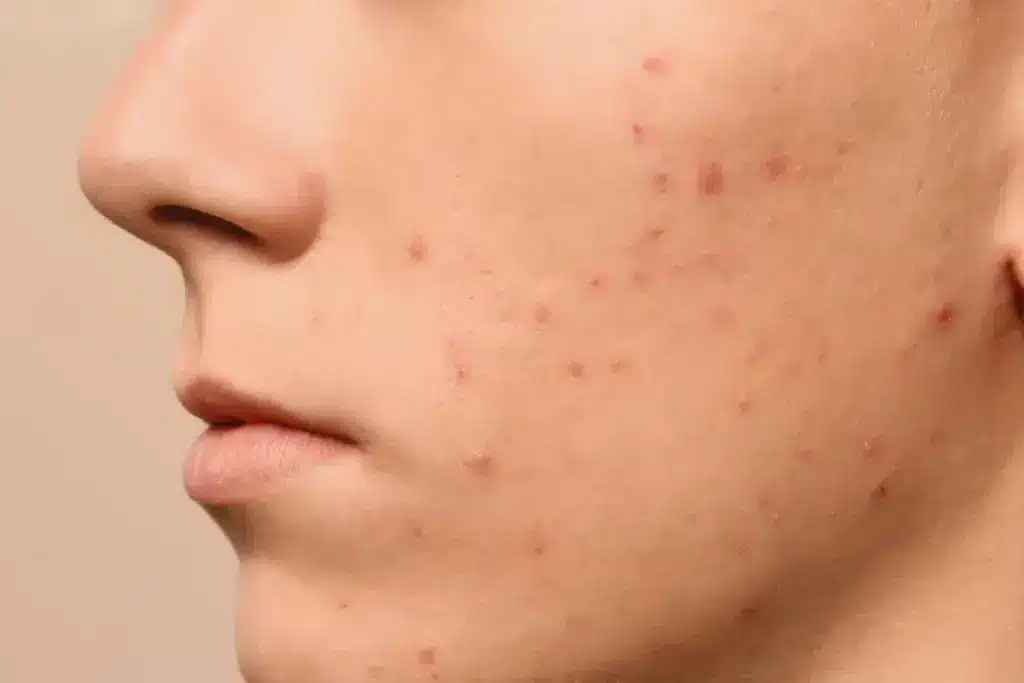
Acne is a common problem that affects more than 80% of all people worldwide at some point. It’s important to know the difference between acne and pimples. We’ll look at how to manage these skin issues effectively.
Explaining what is acne vs pimples (acne is the disease, pimples are symptoms) and using panoxyl face wash as an example treatment.
Acne happens when Propionibacterium acnes grows too much, causing inflammation and pimples. Knowing what causes acne is key to managing it. Treatments like Panoxyl face wash can help control it.
Key Takeaways
- Acne affects a significant majority of the global population.
- Acne and pimples are related but distinct skin conditions.
- Effective management of acne requires understanding its causes and types.
- Treatments like Panoxyl face wash can help control acne.
- Finding the best acne treatment is key for effective management.
Understanding Acne: A Closer Look

To fight acne, knowing its definition, types, and causes is key. Acne is a skin issue caused by hormones, genes, and the environment. Grasping these points helps in managing acne.
Definition of Acne
Acne is a skin problem marked by blackheads, whiteheads, pimples, cysts, or nodules. It mainly hits areas rich in sebaceous glands, like the face, chest, and back. It’s caused by too much sebum, clogged pores, and bacteria.
Types of Acne
Acne comes in mild, moderate, and severe forms. Mild acne has a few spots, while moderate has more. Severe acne, or nodulocystic acne, is the worst, with big, painful cysts and nodules.
Knowing your acne type helps pick the right treatment. For mild acne, benzoyl peroxide face wash might work. But severe cases need stronger meds or a dermatologist’s help.
Causes of Acne
Acne’s causes are complex, involving hormones, genes, and the environment. Hormonal changes, like during puberty or pregnancy, can lead to more sebum. This is a big factor in acne. Genetics also play a part, as those with a family history of acne are more likely to get it.
Other things that can make acne worse include some meds, stress, and diet. Eating well and managing stress can help prevent acne. Benzoyl peroxide face wash can also help by fighting bacteria and reducing inflammation.
What Are Pimples?
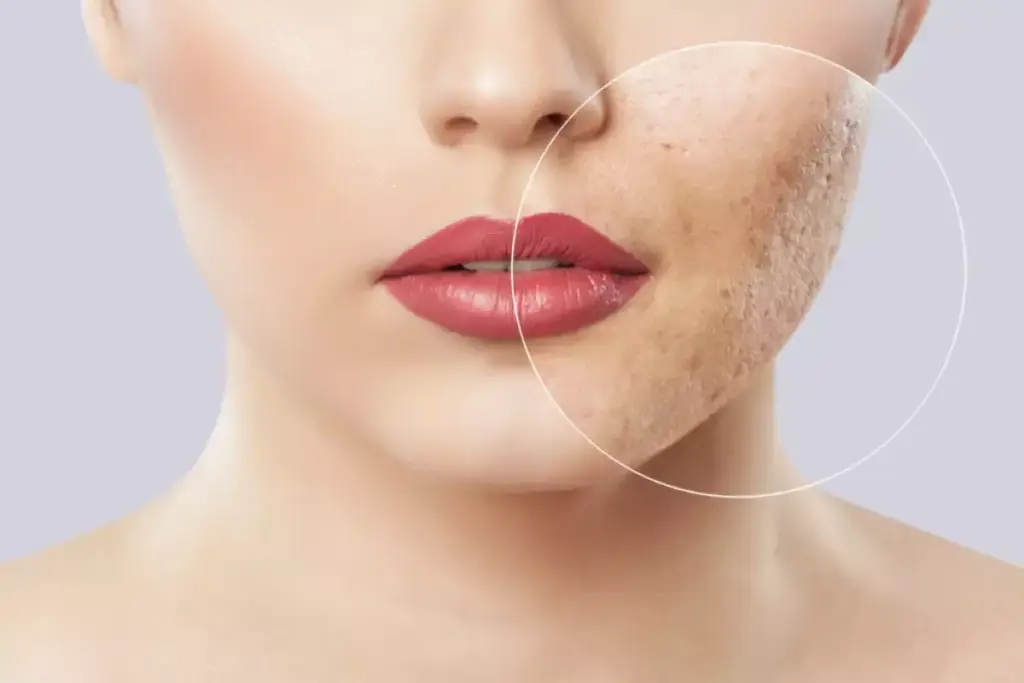
Knowing about pimples is key to fighting acne. They are a main sign of this skin issue. Pimples can be inflamed or not, affecting how acne looks on the skin.
Definition of Pimples
Pimples are small bumps on the skin caused by blocked pores. They can be red and sore or look like whiteheads. The pimples definition includes different kinds of these bumps, which show acne.
These bumps can hurt and might scar if not treated right. Knowing about pimples is the first step to manage and treat them well.
How Pimples Form
Pimples form when pores get blocked. Dead skin cells and oil mix to block pores, causing pimples. How pimples form depends on things like cleanliness, hormones, and genes.
- Clogged pores from too much oil and dead skin
- Bacteria grow in the blocked pores
- The body’s inflammation from the bacteria
Using an acne-fighting cleanser can stop pimples by keeping pores clean and open.
Difference Between Pimples and Acne
Pimples and acne are related but different. Pimples are a type of acne bump. Acne vs pimples is a bigger issue with many bumps, blackheads, or whiteheads.
Acne is a long-lasting skin problem with many types of bumps, including pimples. Knowing the difference is important for good treatment and care.
The Role of Panoxyl Face Wash in Treating Acne
Panoxyl face wash is great for treating acne. It has special ingredients that fight acne-causing bacteria. Dermatologists recommend it because it works well.
Active Ingredients in Panoxyl
Panoxyl face wash has benzoyl peroxide. This ingredient is known for fighting acne bacteria. It does this by:
- Reducing the population of bacteria that cause acne.
- Preventing clogged pores by clearing dead skin cells and excess oil.
- Decreasing inflammation, which helps in reducing redness and swelling associated with acne.
Dermatologists say benzoyl peroxide is good for acne. It goes deep into pores to kill bacteria.
Benefits of Using Panoxyl Face Wash
Using Panoxyl face wash has many benefits. These include:
- Effective Acne Control: It targets the cause of acne, helping to control breakouts.
- Prevention of Future Breakouts: Regular use keeps pores clean and reduces bacteria.
- Improved Skin Texture: It clears dead skin cells and reduces inflammation, making skin better.
Skincare experts say, “Using any acne treatment, like Panoxyl face wash, consistently is key for lasting results.”
How to Use Panoxyl Effectively
To get the most out of Panoxyl face wash, use it right. Here’s how:
- Wet your face with lukewarm water before applying Panoxyl face wash.
- Apply a small amount and gently massage it onto your face, ensuring to cover all areas evenly.
- Rinse thoroughly with lukewarm water, then pat dry.
- Start with a lower concentration to gauge your skin’s sensitivity, and gradually increase as needed.
By following these steps and adding Panoxyl face wash to your daily routine, you can manage acne and get healthier-looking skin.
Factors That Trigger Acne
Acne triggers can vary widely among individuals, making personalized skincare essential. Understanding these triggers is key for an effective skincare routine. It helps keep your skin clear.
Hormonal Changes
Hormonal fluctuations are a big acne trigger. During puberty, androgens increase, making sebaceous glands work harder. This leads to more sebum and clogged pores. Hormonal changes during menstruation, pregnancy, or menopause can also cause acne. Using a clear skin face wash made for hormonal acne is helpful.
Diet and Nutrition
Diet is important for acne. Foods high in sugar, dairy, or refined carbs can cause acne in some. These foods can make pores clog and increase sebum.
But, eating fruits, vegetables, and whole grains can help. Being mindful of your diet and keeping a food diary can help spot triggers.
Stress and Lifestyle
Stress is another acne trigger. Stress makes our body produce more cortisol, a hormone that can lead to breakouts. It can also cause poor sleep and unhealthy choices, making acne worse.
Practicing stress-reducing activities like meditation, yoga, or deep breathing can help. It can reduce stress and possibly acne.
Myths and Facts About Acne and Pimples
It’s important to know the truth about acne and pimples. Misunderstandings can make treatments less effective. We aim to clear up common myths and share the best ways to handle acne.
Common Misconceptions
Many think acne comes from being dirty or is only for teens. But, acne can affect anyone, no matter their age or how clean they are. Some believe sun helps clear acne, but too much sun can damage skin and make acne worse.
- Acne is caused by dirty skin.
- Only teenagers get acne.
- Sunbathing clears acne.
These wrong ideas can stop people from getting the right treatment. For example, using a benzoyl peroxide face wash is proven to help acne, but myths might scare some off.
Truth Behind Acne Treatments
Knowing what’s in acne treatments is key. Benzoyl peroxide kills bacteria that cause acne. It’s a main ingredient in many treatments, including face washes.
The best acne treatment combines good skincare, the right treatments, and sometimes doctor advice. Remember, treatments take time to work.
- Use a gentle cleanser.
- Apply a topical treatment with benzoyl peroxide or salicylic acid.
- Moisturize to prevent dryness.
Debunking Popular Myths
Many think certain foods cause acne. While diet can affect acne, it’s not that simple. Eating well, with lots of fruits, veggies, and whole grains, helps your skin.
Another myth is that popping pimples fixes them. But, it can cause infections, scars, and longer healing times. Instead, use a benzoyl peroxide face wash for better results without the risks.
Knowing the facts and debunking myths helps you choose better acne treatments. This leads to clearer skin and better management of acne.
The Importance of a Skincare Routine
A good skincare routine is key to controlling acne and keeping your skin healthy. By sticking to a routine, you can manage acne better, reduce pimples, and keep your skin strong.
Steps to an Effective Skincare Routine
To make a great skincare routine, start with a few important steps. First, cleanse your skin well with a gentle cleanser that fits your skin type. Many people find an acne wash for sensitive skin helps avoid irritation while fighting acne.
- Cleanse your face twice daily with a gentle acne cleanser.
- Use a toner to balance your skin’s pH.
- Apply a treatment product containing active ingredients like benzoyl peroxide or salicylic acid.
- Moisturize to keep your skin hydrated and healthy.
- Protect your skin from the sun with a broad-spectrum sunscreen.
Incorporating Panoxyl Face Wash
Panoxyl face wash is great for acne because of its benzoyl peroxide. When incorporating Panoxyl into your routine, start with a small amount to see how your skin reacts. Then, you can increase the amount if needed.
For the best results, use Panoxyl face wash as directed, which is usually once or twice a day. Add it to your morning and/or evening skincare routine.
Other Products to Consider
There are other products that can make your skincare routine even better. Think about adding a gentle exfoliating scrub or a spot treatment with salicylic acid. These can help with acne and improve your skin’s texture.
- Exfoliate once or twice a week to remove dead skin cells.
- Use a spot treatment on individual pimples to reduce inflammation.
- Apply a soothing mask to calm irritated skin.
By mixing these steps and products, you can create a complete skincare routine. This routine will help manage acne and keep your skin healthy.
When to See a Dermatologist
Acne can be more than just a nuisance; understanding when to see a dermatologist is key. While mild acne can often be managed with over-the-counter treatments, more severe cases may require professional intervention. We will outline the signs that indicate it’s time to seek help from a dermatologist.
Signs You Need Professional Help
Certain signs indicate that your acne is beyond simple over-the-counter treatment. These include:
- Severe acne that is painful and potentially scarring
- Acne that hasn’t responded to over-the-counter treatments
- Acne that is accompanied by other symptoms such as excessive hair growth or irregular periods in women
It’s important to seek professional help if you experience any of these symptoms. A dermatologist can provide a proper diagnosis and recommend effective treatments.
What to Expect During a Dermatology Visit
During your visit, a dermatologist will examine your skin and discuss your medical history. They may also perform a physical examination to determine the cause of your acne. They may:
- Ask about your current skincare routine and products you’re using
- Examine your skin under different lighting conditions
- Discuss possible treatments, including topical creams, oral medications, or other therapies
“A dermatologist can offer personalized advice and treatment plans tailored to your specific skin concerns.”
Understanding when to see a dermatologist can significantly impact the effectiveness of your acne treatment. By recognizing the signs that indicate professional help is needed and knowing what to expect during a dermatology visit, you can take the first step towards clearer, healthier skin.
Preventative Measures Against Acne
Understanding how daily habits, diet, and the environment affect our skin is key to preventing acne. By taking a holistic approach, we can lower the risk of acne and keep our skin healthy.
Daily Habits to Adopt
Healthy daily habits are essential in fighting acne. Simple actions like avoiding touching your face, washing pillowcases often, and not picking at pimples can help a lot. Consistency is key in skincare.
- Wash your face twice a day with a gentle cleanser.
- Use non-comedogenic products that are labeled “oil-free” or “non-acnegenic.”
- Avoid sharing makeup or makeup tools.
Dermatologists say, “Keeping a consistent skincare routine is vital for preventing acne.”
“The skin is a reflection of our overall health, and keeping it healthy requires attention to both internal and external factors.”
Foods that Help Combat Acne
What we eat affects our skin. Eating foods full of antioxidants, omega-3 fatty acids, and fiber can fight acne. Some good foods include:
|
Food |
Benefits |
|---|---|
|
Salmon |
Rich in omega-3 fatty acids, which reduce inflammation. |
|
Spinach |
Packed with antioxidants that help protect the skin. |
|
Almonds |
High in vitamin E, which supports skin health. |
Environmental Factors to Consider
Things like pollution, humidity, and chemicals can harm our skin. Knowing these factors and how to deal with them can help prevent acne. For example, using a humidity-control humidifier in dry places helps keep our skin moist.
By understanding and tackling these factors, we can better fight acne. It’s about finding a balance between skincare, lifestyle, and being aware of our environment.
The Psychological Impact of Acne and Pimples
Acne and pimples can really hurt your feelings, making you feel less confident and affecting your life. It’s not just about how your skin looks. It also affects your mental health and happiness.
Emotional Effects on Individuals
Having acne and pimples can make you feel embarrassed, low about yourself, and anxious. You might start to stay away from people or feel bad about how you look. This can really change your daily life.
Research shows that the emotional pain from acne is as bad as having a chronic illness. It’s important to recognize these feelings and find help.
Building Confidence with Skincare
Starting a regular skincare routine is key to fighting acne and pimples. Using a clear skin face wash, like Panoxyl, is a good part of this routine. It helps control acne and makes your skin look better.
When you take care of your skin, you start to feel better about yourself. It’s a positive cycle where good skincare habits help your mental health too.
|
Skincare Habit |
Benefits |
|---|---|
|
Using a clear skin face wash |
Controls acne, improves skin appearance |
|
Maintaining a consistent skincare routine |
Reduces the occurrence of pimples, boosts confidence |
|
Protecting skin from environmental factors |
Prevents further skin damage, promotes overall skin health |
By following these skincare tips and understanding how acne and pimples affect you, you can take control. You can manage your condition and improve your mental health.
Conclusion: Embracing Healthy Skin
Getting healthy skin means knowing about acne and pimples. It also means sticking to a skincare routine for the long haul. By understanding acne causes and types, people can pick the right treatments. Using products like Panoxyl Face Wash is a good start.
Long-term Acne Treatment Strategies
Dealing with acne is not just about quick fixes. It’s about making long-term changes in skincare and lifestyle. Using products with benzoyl peroxide, like Panoxyl, can really help improve your skin over time.
Skincare Education for a Clearer Complexion
Learning about skincare is key to healthy skin. Knowing how to care for your skin, the role of diet and lifestyle, and how to use products like Panoxyl Face Wash is important. This knowledge helps you take care of your skin and keep it clear and healthy.
FAQ
What is the difference between acne and pimples?
Acne is a skin condition caused by too many bacteria. This leads to inflammation and pimples. Pimples are a sign of acne. Knowing this helps pick the right treatment, like Panoxyl face wash.
What causes acne?
Acne is caused by hormones, diet, and genetics. Knowing these factors helps choose the right treatment, like benzoyl peroxide face wash.
How does Panoxyl face wash help in treating acne?
Panoxyl face wash is recommended by dermatologists. It fights bacteria and reduces inflammation. Its ingredients make it a good acne treatment.
What are the benefits of using a gentle acne cleanser?
Gentle acne cleansers are key for sensitive skin. They manage acne without irritation. This keeps your skin clear and healthy.
When should I consult a dermatologist for acne treatment?
See a dermatologist for severe acne or if treatments don’t work. They offer personalized advice and recommend the right face wash.
How can I prevent acne?
Prevent acne by following healthy habits and eating right. Be aware of your environment too. These steps help with treatments like Panoxyl face wash.
What is the psychological impact of acne and pimples?
Acne and pimples can hurt your self-esteem. Using products like clear skin face wash helps. It’s part of a routine that boosts confidence.
How important is a skincare routine in managing acne?
A skincare routine is key for acne management. It includes cleansing with Panoxyl face wash and using other products for clear skin.
Can diet affect acne?
Yes, diet affects acne. Some foods can make it worse, while others help. Knowing this can help manage acne.
What are the signs that I need to see a dermatologist?
See a dermatologist for severe acne, no response to treatments, or emotional distress from acne.
Reference
National Center for Biotechnology Information. Evidence-Based Medical Insight. Retrieved from https://www.ncbi.nlm.nih.gov/pmc/articles/PMC2921757/