Melasma, a common skin condition characterized by patches of discoloration, can be challenging to treat. While various treatments are available, dietary changes play a significant role in alleviating its symptoms. Understanding the causes of melasma is crucial before making any changes.Listing antioxidants and nutrients that can support skin health for melasma and discussing the feasibility of a cure of melasma.
Eating the right foods can help reduce the appearance of melasma. A balanced diet rich in antioxidants, vitamins, and minerals can help mitigate the condition. In this article, we will explore the dietary adjustments that can help manage melasma.
Key Takeaways
- Understand the causes of melasma before making dietary changes.
- Eat foods rich in antioxidants to help reduce melasma symptoms.
- Include vitamin-rich foods in your diet to alleviate melasma.
- Avoid certain foods that can trigger or worsen melasma.
- Stay hydrated to help manage the condition.
Understanding Melasma: Causes and Symptoms
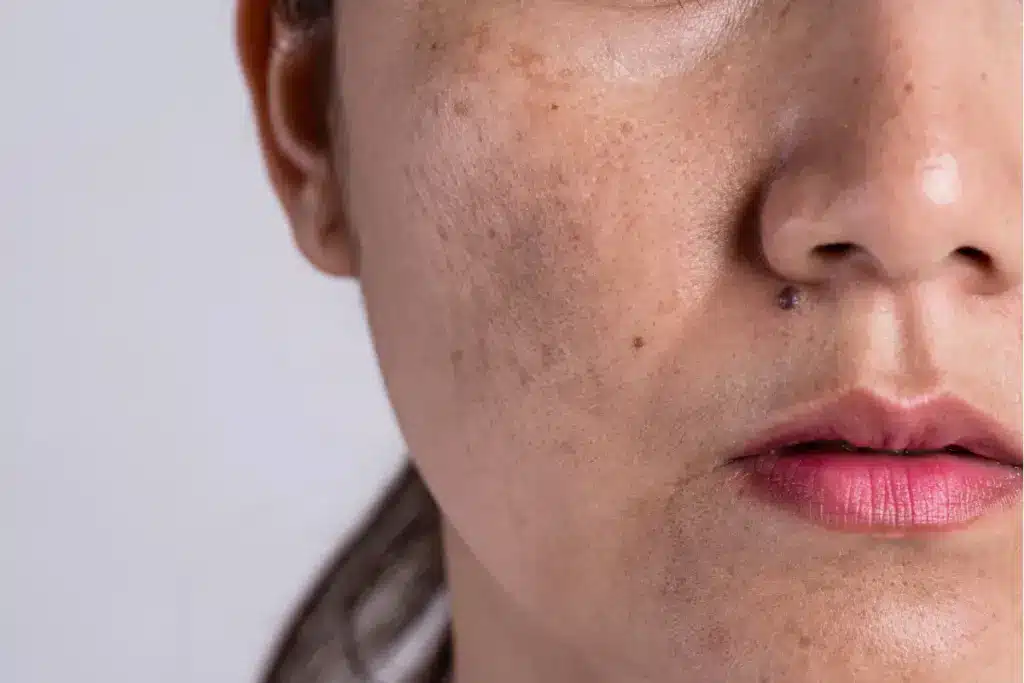
Understanding melasma requires a look into its causes, symptoms, and how it differs from other skin conditions like freckles. Melasma is a complex condition that manifests as patches of discoloration, typically on the facial skin, and can be a source of distress for those affected.
What is Melasma?
Melasma is characterized by its distinctive brown or gray patches, usually appearing on the cheeks, nose, chin, or forehead. Unlike freckles, which are smaller and more scattered, melasma patches are larger and tend to appear in symmetrical patterns. The condition is more prevalent in women, especially during pregnancy, due to hormonal fluctuations.
Common Symptoms of Melasma
The primary symptom of melasma is the appearance of hyperpigmented areas on the skin. These patches can vary in color and size and may darken with sun exposure. Other symptoms can include:
- Discoloration on the cheeks, nose, chin, or forehead
- Symmetrical patterns of discoloration
- Darkening of patches with sun exposure
Factors That Contribute to Melasma
Several factors contribute to the development of melasma, including hormonal changes, sun exposure, and genetic predisposition. The condition is also influenced by:
- Hormonal fluctuations, such as those experienced during pregnancy or with the use of birth control pills
- Prolonged sun exposure, which can stimulate melanin production
- Genetic factors, as individuals with a family history are more likely to develop melasma
|
Contributing Factor |
Description |
Impact on Melasma |
|---|---|---|
|
Hormonal Changes |
Fluctuations in hormone levels, such as during pregnancy |
Increases melanin production, leading to darker patches |
|
Sun Exposure |
UV radiation from the sun or tanning beds |
Stimulates melanin production, exacerbating melasma |
|
Genetic Predisposition |
Family history of melasma or other pigmentation disorders |
Increases the likelihood of developing melasma |
By understanding these factors and symptoms, individuals can take the first steps towards managing melasma and reducing its impact on their skin.
Nutritional Impact on Skin Health
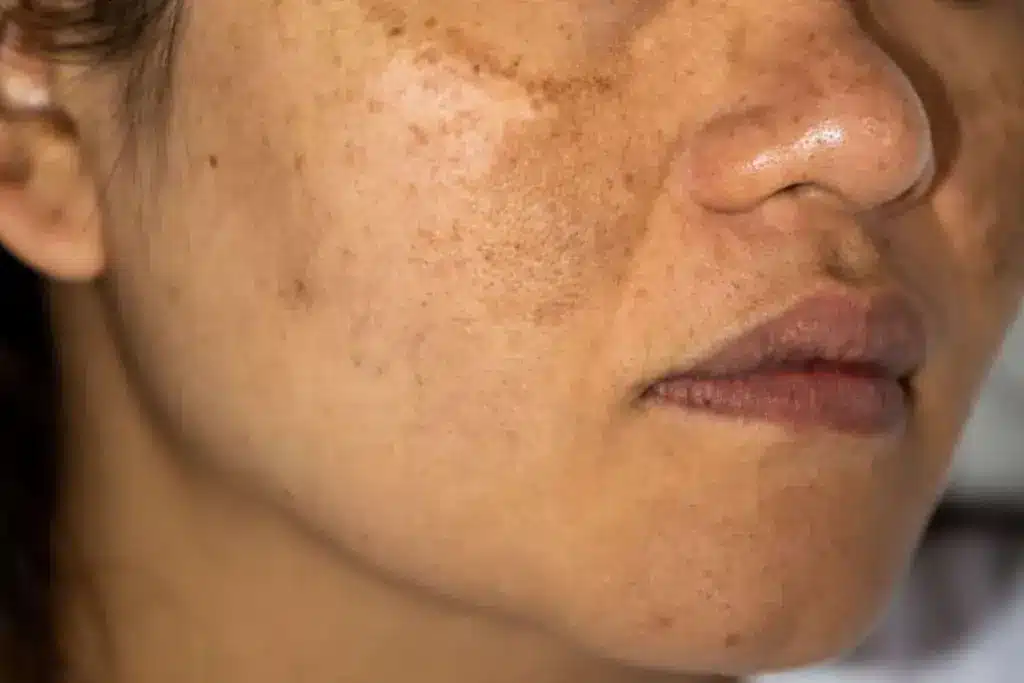
The food we eat has a significant impact on our skin, affecting its tone, texture, and overall health. A diet rich in essential nutrients can help maintain healthy skin and potentially alleviate symptoms of melasma.
Importance of a Balanced Diet
Eating a variety of foods ensures that your skin receives all the necessary nutrients. Key components of a balanced diet include fruits, vegetables, whole grains, lean proteins, and healthy fats. These foods provide essential vitamins and minerals that support skin health.
Vitamins That Promote Even Skin Tone
Certain vitamins play a significant role in maintaining healthy skin and promoting an even skin tone. Vitamin C, for example, is known for its antioxidant properties and its ability to brighten the skin. Vitamin E also has antioxidant properties, helping to protect the skin from damage caused by free radicals.
- Vitamin C: Found in citrus fruits, berries, and leafy greens, it helps brighten the skin and reduce the appearance of melasma.
- Vitamin E: Abundant in nuts, seeds, and vegetable oils, it protects the skin from oxidative stress.
- Vitamin A: Found in sweet potatoes, carrots, and dark leafy greens, it promotes skin renewal and reduces the appearance of hyperpigmentation.
While the role of melanin in skin health is complex, certain foods and supplements may influence melanin production. Melanin food supplements are available, though their effectiveness can vary. Consuming foods high in antioxidants and certain vitamins can support overall skin health.
Foods to Include for Melasma Management
Incorporating the right foods into your diet can be a key strategy in naturally treating and managing melasma on the face. A diet rich in essential nutrients not only promotes overall health but also supports skin health, potentially reducing the appearance of melasma.
Antioxidant-Rich Foods
Antioxidants play a crucial role in protecting the skin from damage caused by free radicals, which can exacerbate melasma. Foods high in antioxidants include:
- Berries such as blueberries, strawberries, and raspberries, which are rich in vitamins C and E.
- Leafy Greens like spinach and kale, packed with antioxidants and other nutrients beneficial for skin health.
- Nuts and Seeds, particularly those high in vitamin E like almonds and sunflower seeds.
These foods help in neutralizing free radicals and promoting healthier skin, which can aid in managing melasma.
Omega-3 Fatty Acids and Their Benefits
Omega-3 fatty acids are known for their anti-inflammatory properties, which can help in reducing inflammation associated with melasma. Key sources include:
- Fatty Fish like salmon, sardines, and mackerel, rich in EPA and DHA.
- Flaxseeds and Chia Seeds, which are plant-based sources of omega-3s.
- Walnuts, another rich source of alpha-linolenic acid (ALA), a type of omega-3 fatty acid.
Incorporating these foods into your diet can help in maintaining skin health and potentially reducing the severity of melasma.
Hydrating Foods for Skin Health
Adequate hydration is crucial for maintaining skin health, and certain foods can contribute significantly to your daily hydration needs. Examples include:
- Watermelon, which is not only hydrating but also rich in lycopene, an antioxidant.
- Cucumbers, known for their high water content and cooling effect on the skin.
- Tomatoes, which are hydrating and rich in lycopene.
|
Food Category |
Examples |
Benefits for Melasma |
|---|---|---|
|
Antioxidant-Rich Foods |
Berries, Leafy Greens, Nuts, and Seeds |
Protects skin from damage, promotes even skin tone |
|
Omega-3 Fatty Acids |
Fatty Fish, Flaxseeds, Chia Seeds, Walnuts |
Reduces inflammation, supports skin health |
|
Hydrating Foods |
Watermelon, Cucumbers, Tomatoes |
Maintains skin hydration, supports overall skin health |
By focusing on these food categories, individuals can take a proactive approach to managing melasma through dietary changes, potentially reducing its appearance and promoting healthier, more even-toned skin.
Foods to Avoid with Melasma
Diet plays a significant role in managing melasma, and certain foods can exacerbate the condition. By understanding which foods to avoid, individuals can better manage their symptoms and work towards achieving healthier skin. Making informed dietary choices is a crucial step in treating melasma effectively.
High Glycemic Index Foods
Foods with a high glycemic index (GI) can cause a spike in blood sugar levels, leading to inflammation, which may worsen melasma symptoms. Examples include white bread, sugary snacks, and refined grains.
Certain Dairy Products
Some dairy products, particularly those with high sugar content or hormones, may trigger or exacerbate melasma in sensitive individuals. It’s advisable to limit or avoid dairy products like flavored yogurts or milk from hormone-treated cows.
Processed and Sugary Foods
Processed and sugary foods are not only detrimental to overall health but can also negatively impact skin health. They can cause inflammation and oxidative stress, potentially worsening melasma. Examples include packaged snacks, sugary beverages, and processed meats.
|
Food Type |
Glycemic Index |
Impact on Melasma |
|---|---|---|
|
White Bread |
High |
May worsen symptoms due to high GI |
|
Whole Wheat Bread |
Low |
Less likely to exacerbate melasma |
|
Sugary Snacks |
High |
Can cause inflammation, potentially worsening melasma |
|
Nuts and Seeds |
Low |
Rich in antioxidants, beneficial for skin health |
By avoiding or limiting these foods, individuals with melasma can take a proactive step towards managing their condition and promoting healthier skin.
The Role of Supplements in Melasma Treatment
Supplements can be a valuable addition to your melasma treatment plan, promoting healthier skin. While a balanced diet is essential, supplements can help fill nutritional gaps and support skin health. When considering supplements, it’s crucial to understand their potential benefits and how they can complement your existing treatment plan.
Key Supplements for Skin Health
Certain supplements have been identified as beneficial for skin health, potentially aiding in melasma management. These include:
- Vitamin C: Known for its antioxidant properties, Vitamin C can help brighten the skin and reduce the appearance of hyperpigmentation.
- Omega-3 Fatty Acids: These healthy fats support skin health by reducing inflammation and promoting a more even skin tone.
- Probiotics: Probiotics can aid in gut health, which is linked to skin health. A balanced gut microbiome can help reduce inflammation and support the skin’s natural barrier.
Incorporating these supplements into your regimen may help support your skin health. However, it’s essential to consult with a healthcare professional before starting any new supplement to ensure it’s right for you.
Potential Benefits of Antioxidant Supplements
Antioxidant supplements, such as Vitamin C and E, can play a significant role in combating melasma. These supplements help neutralize free radicals, which can damage skin cells and exacerbate hyperpigmentation. By reducing oxidative stress, antioxidant supplements can support a more even skin tone and potentially reduce the appearance of melasma.
When selecting antioxidant supplements, look for products that are rich in natural antioxidants and have minimal added ingredients. It’s also crucial to follow the recommended dosage and consult with a healthcare provider to ensure safe and effective use.
By combining dietary changes with targeted supplement use, individuals may find a more comprehensive approach to managing melasma. As with any treatment plan, monitoring progress and adjusting as needed is key to achieving the best results.
Lifestyle Tips for Managing Melasma
Adopting the right lifestyle habits can significantly impact the appearance of melasma on the face. By incorporating simple yet effective strategies into your daily routine, you can naturally alleviate the symptoms of melasma and achieve healthier, more even-toned skin.
Sun Protection Strategies
One of the most critical aspects of managing melasma is protecting your skin from the sun. UV rays can exacerbate melasma, making it essential to use a broad-spectrum sunscreen with at least SPF 30 daily. Here are some sun protection strategies:
- Apply sunscreen 15-30 minutes before going outdoors.
- Reapply every two hours or immediately after swimming or sweating.
- Use protective clothing, such as a wide-brimmed hat and sunglasses.
- Seek shade, especially during peak sun hours (10 am – 4 pm).
|
Sun Protection Measure |
Benefits |
|---|---|
|
Using Broad-Spectrum Sunscreen |
Protects against UVA and UVB rays, reducing melasma appearance. |
|
Wearing Protective Clothing |
Provides a physical barrier against UV rays. |
|
Seeking Shade |
Reduces direct exposure to harmful UV radiation. |
Stress Management Techniques
Stress can trigger or worsen melasma in some individuals. Practicing stress management techniques can help mitigate this effect. Meditation and yoga are excellent ways to reduce stress levels.
- Start with short meditation sessions (5-10 minutes) and gradually increase as you become more comfortable with the practice.
- Engage in yoga or other physical activities that help reduce stress.
- Practice deep breathing exercises to calm your mind and body.
By combining these lifestyle tips with the right dietary choices, you can effectively manage melasma and improve the overall health and appearance of your skin. For more information on how to treat melasma on face naturally, consider consulting with a dermatologist or a nutritionist to personalize your approach.
Hydration and Melasma Control
Adequate hydration is key to controlling melasma and achieving healthier skin. Drinking enough water helps to flush toxins out of the body, keeping the skin hydrated and plump, which can reduce the appearance of fine lines and wrinkles. Moreover, hydration plays a crucial role in maintaining skin elasticity and firmness.
How Much Water Should You Drink?
The amount of water an individual should drink daily can vary based on factors such as age, sex, weight, and activity level. Generally, it is recommended to drink at least eight 8-ounce glasses of water per day, known as the “8×8 rule.” However, some studies suggest that this amount may not be sufficient for everyone, and individual needs may vary.
To determine your optimal hydration level, consider the following factors:
- Activity level: If you’re physically active, you’ll need more water to replenish lost fluids.
- Climate: Hot and humid weather can increase fluid loss, requiring more hydration.
- Overall health: Certain medical conditions, such as diabetes or kidney disease, may affect hydration needs.
|
Activity Level |
Recommended Water Intake |
|---|---|
|
Sedentary |
8-10 glasses/day |
|
Moderately Active |
10-12 glasses/day |
|
Very Active |
12-15 glasses/day |
Benefits of Herbal Teas for Skin Health
In addition to drinking water, consuming herbal teas can provide extra benefits for skin health. Certain herbal teas are rich in antioxidants and have anti-inflammatory properties that can help soothe and protect the skin.
Some of the most beneficial herbal teas for skin health include:
- Green Tea: High in antioxidants, which can help reduce inflammation and protect against sun damage.
- Chamomile Tea: Known for its soothing and calming effects, which can help reduce redness and irritation.
- Peppermint Tea: Can help improve circulation and reduce inflammation, promoting healthier skin.
By incorporating both adequate hydration and herbal teas into your daily routine, you can take a comprehensive approach to controlling melasma and promoting overall skin health. To eliminate melasma and achieve healthier skin, it’s essential to be consistent and patient, as hydration and dietary changes can take time to show their full benefits.
Consulting with Professionals
When it comes to treating melasma, understanding when to seek professional help is crucial. While dietary changes and lifestyle adjustments are vital, professional guidance can significantly enhance the effectiveness of your melasma management plan.
When to See a Dermatologist
If you’re experiencing persistent or severe melasma, it’s essential to consult a dermatologist. A dermatologist can provide a thorough assessment of your skin condition and recommend personalized treatments. They can help determine the underlying causes of your melasma and suggest appropriate therapies, such as topical creams or laser treatments.
Signs that you should see a dermatologist include:
- Persistent melasma that doesn’t respond to over-the-counter treatments
- Severe discoloration or dark patches on the skin
- Uncertainty about the cause of your melasma
According to a renowned dermatologist, “Early intervention by a dermatologist can make a significant difference in managing melasma and preventing further skin damage.”
“The key to managing melasma lies in a comprehensive approach that includes professional advice, lifestyle changes, and appropriate treatment.” –
Role of Nutritionists in Skin Care
Nutritionists play a crucial role in helping individuals manage melasma through dietary adjustments. By creating a personalized meal plan, a nutritionist can help ensure that you’re getting the right nutrients to support skin health.
|
Nutrient |
Benefit for Skin Health |
Food Sources |
|---|---|---|
|
Vitamin C |
Boosts collagen production and brightens skin |
Citrus fruits, berries, leafy greens |
|
Omega-3 Fatty Acids |
Reduces inflammation and promotes healthy skin |
Fatty fish, flaxseeds, walnuts |
|
Antioxidants |
Protects skin from damage caused by free radicals |
Tomatoes, green tea, dark chocolate |
By working with a nutritionist, you can develop a tailored diet that complements your melasma treatment plan, enhancing overall skin health and potentially reducing the appearance of melasma.
In conclusion, consulting with professionals such as dermatologists and nutritionists is a critical step in effectively managing melasma. Their expertise can provide valuable insights and personalized recommendations to support your journey towards healthier skin.
Personalizing Your Diet for Melasma
By customizing your diet, you can take a significant step towards achieving healthier, more even-toned skin. A personalized diet plan can help address the specific needs of your skin, potentially reducing the appearance of melasma.
Developing Your Meal Plan
To develop an effective meal plan, start by incorporating foods known to support skin health. Antioxidant-rich foods, such as berries and leafy greens, can help protect your skin from damage. Additionally, include omega-3 fatty acids found in fish and nuts to support skin health.
- Include a variety of fruits and vegetables in your diet.
- Choose whole grains over processed grains.
- Stay hydrated by drinking plenty of water.
Tracking Your Progress
Tracking your progress is crucial to understanding how your diet is impacting your melasma. Keep a food diary to record what you eat and any changes you notice in your skin. This can help you identify foods that trigger or alleviate melasma symptoms.
- Record your daily food intake.
- Note any changes in your skin, including improvements or flare-ups.
- Adjust your diet based on your observations.
By personalizing your diet and tracking your progress, you can take a proactive approach to managing melasma and achieving healthier skin. Consider consulting with a healthcare professional or nutritionist to help tailor your diet plan to your specific needs.
Conclusion: Achieving Healthier Skin Naturally
Achieving a cure for melasma requires a holistic approach that includes dietary changes, lifestyle adjustments, and professional guidance. By incorporating the right foods and nutrients, you can help manage melasma and promote healthier skin.
Dietary Recommendations Summary
To effectively manage melasma, focus on consuming antioxidant-rich foods, omega-3 fatty acids, and hydrating foods. Avoid high glycemic index foods, certain dairy products, and processed foods that can exacerbate the condition. A balanced diet plays a crucial role in how to cure melasma and how to treat melasma on face naturally.
Ongoing Care for Healthier Skin
Maintaining ongoing care is essential for achieving and sustaining healthier skin. Regularly consult with dermatologists and nutritionists to personalize your diet and treatment plan. By combining these efforts, you can effectively work towards a cure of melasma and enjoy a more even skin tone.
FAQ
How to rid melasma?
To rid melasma, it’s essential to adopt a comprehensive approach that includes dietary changes, sun protection, and stress management. Incorporating antioxidant-rich foods, omega-3 fatty acids, and hydrating foods into your diet can help alleviate the condition.
How to treat melasma on face naturally?
Treating melasma on the face naturally involves using a combination of dietary changes, lifestyle modifications, and topical treatments. Eating foods high in antioxidants, vitamins, and minerals, and staying hydrated can help promote even skin tone and reduce the appearance of melasma.
How do you get rid of melasma?
Getting rid of melasma requires a multi-faceted approach that includes avoiding triggers, using sun protection, and incorporating specific nutrients into your diet. Foods rich in antioxidants, omega-3 fatty acids, and vitamins can help alleviate the condition.
What is the difference between melasma and freckles?
Melasma and freckles are both skin conditions characterized by hyperpigmentation, but they have distinct differences. Melasma typically appears as larger, more uniform patches, often on the face, whereas freckles are smaller and more scattered.
How to eliminate melasma?
Eliminating melasma involves a combination of dietary changes, lifestyle modifications, and professional guidance. Incorporating melanin food supplements and consuming foods high in melanin can help promote even skin tone and reduce the appearance of melasma.
How to cure melasma from the inside?
Curing melasma from the inside out involves addressing the underlying causes of the condition through dietary changes and lifestyle modifications. Incorporating nutrient-rich foods, staying hydrated, and managing stress can help alleviate melasma.
What are the benefits of melanin food supplements?
Melanin food supplements can help promote even skin tone and reduce the appearance of melasma. These supplements work by providing essential nutrients that support skin health and melanin production.
How to treat melasma?
Treating melasma requires a comprehensive approach that includes dietary changes, sun protection, and stress management. Consulting with a dermatologist or nutritionist can help individuals develop a personalized plan to manage melasma.
What foods are high in melanin?
Foods high in melanin include dark chocolate, berries, and certain nuts. Incorporating these foods into your diet can help promote even skin tone and support skin health.
Reference
National Center for Biotechnology Information. Evidence-Based Medical Insight. Retrieved from https://pmc.ncbi.nlm.nih.gov/articles/PMC5125948/