Amnesia vs Dementia: what’s the difference? This essential guide explains the critical distinctions in symptoms and causes.
Memory loss is a big problem worldwide. Knowing if you have amnesia or dementia is key. This is because they need different treatments and have different outcomes.
Many think amnesia and dementia are the same. But, amnesia is usually a short-term memory issue from brain injury. On the other hand, dementia is a long-term decline in many brain functions, including memory.
We will look at the unique traits, causes, and how these conditions progress. This will help you understand the main differences and what to expect.
Key Takeaways
- Amnesia is typically a temporary condition affecting memory.
- Dementia involves a decline in multiple cognitive functions.
- The causes and progression of amnesia and dementia differ significantly.
- Understanding the difference is critical for proper treatment.
- Early diagnosis can greatly affect managing these conditions.
Understanding Memory Disorders
The human brain’s ability to remember is key to our daily life. Disorders that affect this can be very hard to deal with. Memory helps us do tasks, remember important stuff, and stay independent.
The Importance of Memory in Daily Life
Memory is vital for learning new things, remembering appointments, and knowing who our loved ones are. It makes our daily routines smoother and more efficient. When memory fails, it’s tough to manage daily tasks, keep up relationships, and enjoy activities.
Also, memory ties us to our past and helps us learn from it. It’s what lets us make smart choices for the future. Losing memory can upset not just the person but also their family and caregivers.
Overview of Neurological Conditions Affecting Memory
Many neurological conditions can mess with memory, from short-term to long-lasting problems. Common ones include Alzheimer’s disease, vascular dementia, and amnesia.
To get a better grasp of these conditions, let’s look at some key points and differences:
|
Condition |
Primary Characteristics |
Impact on Memory |
|---|---|---|
|
Alzheimer’s Disease |
Progressive cognitive decline |
Significant short-term and long-term memory loss |
|
Vascular Dementia |
Cognitive impairment due to reduced blood flow to the brain |
Memory loss, often with fluctuations |
|
Amnesia |
Specific memory loss, often without other cognitive impairments |
Variable, can be transient or persistent |
Knowing about these conditions is key for good treatment plans and care. By understanding the differences, we can meet the unique needs of each person.
What is Amnesia?

Amnesia is about losing memories, like facts and experiences. It can happen due to brain injury, trauma, or stress. This loss can be partial or complete.
Definition and Basic Characteristics
Amnesia is when people forget things. This can be a little or a lot, based on the cause and brain area affected. The main sign of amnesia is forgetting past events or learning new stuff. It can make daily life hard.
Types of Amnesia
There are many types of amnesia, each unique:
- Retrograde Amnesia: You forget things that happened before you got amnesia.
- Anterograde Amnesia: You can’t remember anything after you got amnesia.
- Transient Global Amnesia: A short-term memory loss that comes and goes.
Knowing these types helps doctors diagnose and treat amnesia.
Common Misconceptions About Amnesia
Amnesia is often misunderstood, thanks to movies and TV. Some common wrong ideas are:
- Thinking amnesia means forgetting who you are.
- Believing amnesia is a disease itself, not just a sign of something else.
Clearing up these wrong ideas helps us understand amnesia better.
What is Dementia?
Dementia is more than just forgetting things. It’s a condition that affects many brain functions. We’ll look into its definition, how it gets worse over time, and the different types, like Alzheimer’s. We’ll also see how it impacts thinking and memory.
Definition and Progressive Nature
Dementia makes it hard to remember things, talk, solve problems, and make good choices. It gets worse over time. How fast it gets worse can vary a lot from person to person.
As dementia gets worse, people might forget things more easily or have trouble with thinking. Getting diagnosed early and getting help can really improve life for those with dementia.
Types of Dementia
There are many types of dementia, with Alzheimer’s being the most common. Other types include vascular dementia, Lewy body dementia, and frontotemporal dementia. Each type affects people differently.
|
Type of Dementia |
Primary Characteristics |
|---|---|
|
Alzheimer’s Disease |
Memory loss, language problems, and unpredictable behavior |
|
Vascular Dementia |
Caused by reduced blood flow to the brain, often after a stroke |
|
Lewy Body Dementia |
Characterized by abnormal protein clumps in the brain, affecting cognitive function and motor control |
The Broader Impact on Cognitive Function
Dementia doesn’t just affect memory. It also impacts language, problem-solving, and making good choices. How it affects thinking can vary a lot from person to person, depending on the type and how it progresses.
It’s important to understand how dementia affects thinking. We’ll keep exploring this in the next sections. We’ll compare it with amnesia and look at the differences and similarities.
Amnesia vs Dementia: Key Differences
It’s important to know the difference between amnesia and dementia for the right treatment. Both affect memory, but they have different causes and symptoms. We’ll look at the main differences between these two conditions, focusing on their unique traits and how they affect people.
Memory Impairment Patterns
Amnesia mainly hurts memory, making it hard to make new memories or remember the past. Dementia, on the other hand, affects more than just memory. It also impacts language, solving problems, and making judgments. The way memory is affected is quite different between the two.
Key differences in memory impairment:
- Amnesia: Primarily affects memory formation and recall.
- Dementia: Affects multiple cognitive functions, including memory, language, and problem-solving.
Cognitive Functions Affected
Dementia affects more parts of the brain than amnesia. While amnesia mainly deals with memory loss, dementia impacts many areas. This includes:
- Language and communication skills.
- Problem-solving and judgment abilities.
- Visual perception and spatial skills.
Amnesia, on the other hand, mainly deals with memory issues. Other brain functions are usually not as affected.
Progression and Prognosis
The way amnesia and dementia progress and their outlook are quite different. Amnesia can be short-term or even reversible, depending on its cause. Dementia, on the other hand, is often a condition that gets worse over time.
Progression differences:
- Amnesia: Can be reversible or temporary, with a chance for full recovery.
- Dementia: Usually gets worse, with a gradual decline in brain function.
Knowing these differences helps doctors create better treatment plans. It also helps patients and their families understand what to expect and make informed choices.
Causes and Risk Factors
Amnesia and dementia have many causes, like head trauma, infections, and diseases that harm the brain. Knowing these causes helps us find better ways to treat and manage these conditions.
Common Causes of Amnesia
Amnesia often comes from things that hurt the brain, such as:
- Head Trauma: Hits to the head can cause amnesia, mainly if they hit areas key to memory.
- Infections: Some infections, like encephalitis, can harm brain parts that handle memory.
- Stroke or Lack of Oxygen: Events that cut off brain oxygen, like a stroke or heart stop, can cause amnesia.
A medical expert said, “Traumatic brain injury is a big reason for amnesia. It shows how important it is to prevent injuries and get medical help fast.”
“Traumatic brain injury is a leading cause of disability and death worldwide, and its impact on memory can be profound.”
Common Causes of Dementia
Dementia is often linked to diseases that harm the brain, including:
- Alzheimer’s Disease: The most common cause of dementia, marked by memory loss and thinking skills getting worse.
- Vascular Dementia: Caused by brain blood flow problems, often from small strokes.
- Lewy Body Dementia: Has abnormal protein clumps in the brain, causing thinking and movement problems.
Comparing Risk Profiles
Amnesia and dementia both affect memory, but in different ways. Amnesia is often caused by sudden events like head trauma. Dementia, on the other hand, is usually due to diseases that get worse over time. But, some things like age and lifestyle choices can increase the risk for both.
|
Risk Factor |
Amnesia |
Dementia |
|---|---|---|
|
Age |
Can occur at any age |
Risk increases with age |
|
Head Trauma |
Significant risk factor |
May contribute to risk |
|
Family History |
Less directly linked |
Significant risk factor, specially for Alzheimer’s |
It’s key to understand these differences for better diagnosis and treatment plans.
Diagnosis and Assessment
Diagnosing memory disorders like amnesia and dementia is complex. It involves clinical evaluations and advanced tools. Accurate diagnosis is key for effective treatment and care.
Diagnostic Process for Amnesia
Diagnosing amnesia starts with a detailed medical history and neurological exam. We use tests like the Wechsler Memory Scale and the Rey-Osterrieth Complex Figure Test. These help us understand the memory loss.
Key Diagnostic Steps for Amnesia:
- Detailed medical history to identify causes
- Neurological examination to assess cognitive function
- Cognitive testing to evaluate memory and other abilities
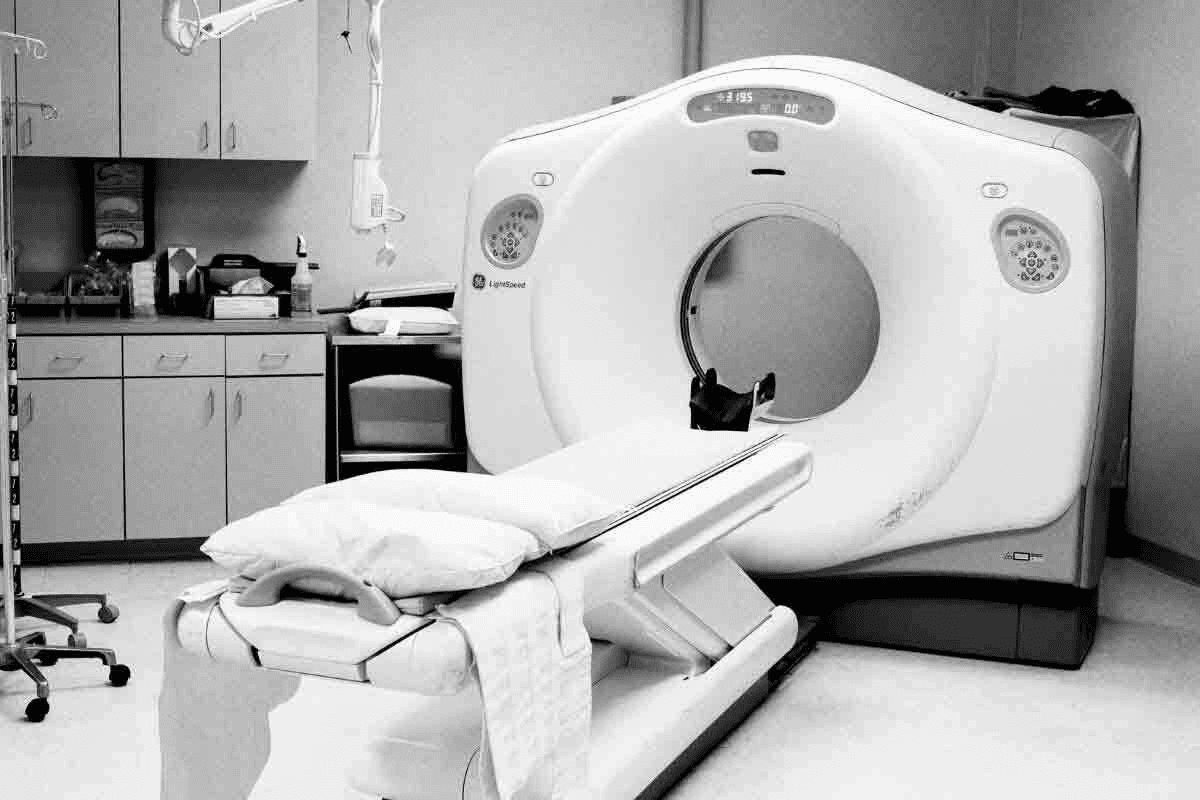
- Brain imaging (MRI or CT scans) to rule out structural causes
Diagnostic Process for Dementia
Diagnosing dementia requires a thorough evaluation. This includes clinical assessments, laboratory tests, and brain imaging. We use tools like the Mini-Mental State Examination (MMSE) and the Montreal Cognitive Assessment (MoCA) to assess cognitive decline.
Key Diagnostic Steps for Dementia:
- Clinical assessment to evaluate cognitive and functional abilities
- Laboratory tests to identify reversible causes
- Brain imaging to assess structural changes
- Neuropsychological testing to evaluate specific cognitive domains
Differential Diagnosis Challenges
Distinguishing between amnesia and dementia can be tough. Symptoms can overlap. We must carefully evaluate cognitive impairment and progression. A detailed diagnostic process helps us make the right diagnosis and treatment plan.
|
Diagnostic Criteria |
Amnesia |
Dementia |
|---|---|---|
|
Primary Symptom |
Memory loss |
Cognitive decline |
|
Cognitive Domains Affected |
Primarily memory |
Multiple domains (memory, language, executive function) |
|
Progression |
Variable, depending on cause |
Generally progressive |
Treatment Approaches and Management
Treating amnesia and dementia focuses on finding the cause and slowing the disease. For amnesia, treatment aims at the cause, like a head injury or stroke. Sometimes, memory can get better as the cause is treated.
Treatment Options for Amnesia
Treatment for amnesia may include:
- Cognitive rehabilitation to help improve memory or compensate for memory loss.
- Psychotherapy to deal with the emotional impact of memory loss.
- Medications to treat underlying conditions that may be causing amnesia.
Addressing the underlying cause is key. For example, if amnesia is from a vitamin deficiency, taking the vitamin can help.
Treatment Options for Dementia
Dementia is progressive and currently cannot be reversed. But, treatments can manage its symptoms. These include:
- Medications to manage cognitive symptoms and slow disease progression.
- Non-pharmacological interventions like cognitive training and behavioral management.
- Lifestyle modifications to improve overall health and well-being.
Supportive care is vital for dementia. It improves life quality for patients and caregivers.
The Role of Supportive Care
Supportive care is key for both amnesia and dementia. It gives patients and families the help they need. This includes:
|
Supportive Care Aspect |
Amnesia |
Dementia |
|---|---|---|
|
Cognitive Rehabilitation |
Highly beneficial |
Beneficial |
|
Emotional Support |
Crucial |
Crucial |
|
Lifestyle Adjustments |
Helpful |
Very helpful |
The table shows supportive care’s wide range. It can greatly help manage both conditions.
Prevention and Risk Reduction
To lower the risk of amnesia and dementia, we need a variety of strategies. Understanding these memory disorders is key. Prevention is vital for keeping our brains healthy.
Preventing Amnesia
While some amnesia cases can’t be prevented, we can take steps to lower the risk. It’s important to avoid head injuries. Wear helmets when playing sports, use seatbelts, and make homes safe for older adults.
Also, managing health risks like high blood pressure, diabetes, and high cholesterol is important. These conditions can lead to amnesia.
Key strategies for preventing amnesia include:
- Preventing head injuries through safety measures
- Managing vascular risk factors
- Avoiding excessive alcohol consumption
Reducing Dementia Risk
Reducing dementia risk is a big focus. Studies show that lifestyle changes and managing health can help. Regular exercise, a healthy diet, and mental activities like reading and puzzles are key.
“The Lancet Commission on Dementia Prevention, Intervention, and Care” found that nearly 40% of dementia cases could be prevented or delayed by addressing modifiable risk factors.
Lifestyle Factors for Brain Health
A healthy lifestyle is essential for brain health. It’s not just about exercise and diet. Social activities and managing stress are also important.
Regular exercise improves heart health, which helps the brain. Eating foods rich in antioxidants and nutrients also protects against cognitive decline.
Other important factors include getting enough sleep, staying mentally active, and building social connections. By adopting these habits, we can reduce our risk of amnesia and dementia.
Conclusion
We’ve looked into amnesia and dementia, two different brain conditions. They both affect memory and thinking. Knowing the difference is key for the right treatment.
Amnesia is about forgetting, often due to head injury, sickness, or emotional shock. Dementia, on the other hand, is a worsening condition. It impacts memory and other thinking skills like speaking and solving problems.
The main difference is in their causes and how they progress. Amnesia usually comes from a single event, while dementia gets worse over time. Doctors need to know this to help patients better.
Understanding amnesia and dementia helps us support those affected. This knowledge leads to better healthcare and a better life for patients.
FAQ
What is the main difference between amnesia and dementia?
Amnesia mainly affects memory. Dementia, on the other hand, impacts memory and other brain functions like language and problem-solving.
Is amnesia a disease?
No, amnesia is not a disease. It’s a symptom that can result from injuries, infections, or certain brain disorders.
Can amnesia be cured?
It depends on the cause of amnesia. Some cases, like those from injuries or infections, may see memory improvement with treatment.
What is the difference between anterograde and retrograde amnesia?
Anterograde amnesia makes it hard to create new memories after the amnesia starts. Retrograde amnesia is losing memories made before the amnesia began.
Is dementia the same as Alzheimer’s disease?
No, dementia is a general term for memory loss and cognitive decline. Alzheimer’s is a specific type of dementia.
What are the risk factors for developing dementia?
Dementia risk factors include age, family history, and lifestyle choices like smoking and poor diet.
How is amnesia diagnosed?
Doctors use medical exams, tests, and sometimes imaging to find the cause of memory loss in amnesia.
What lifestyle factors promote brain health and reduce the risk of dementia?
Eating well, exercising, staying mentally active, and managing stress can help keep your brain healthy and lower dementia risk.
Can dementia be prevented?
While preventing dementia is not guaranteed, a healthy lifestyle and managing health conditions can help lower the risk.
What’s the role of supportive care in managing amnesia and dementia?
Supportive care is key in managing both conditions. It helps patients with daily tasks, emotional support, and improves their quality of life.
References
World Health Organization. Amnesia and Dementia: Distinguishing Characteristics, Treatments, and Outcomes. Retrieved from https://www.who.int/news-room/fact-sheets/detail/dementia