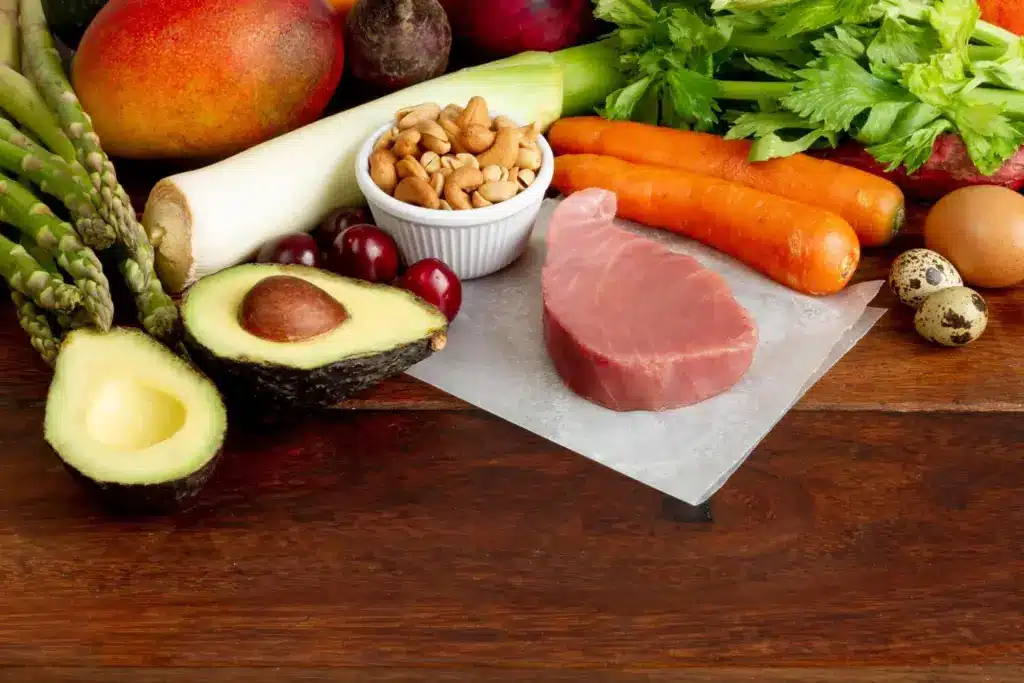
Iron deficiency is a big problem worldwide, affecting about 30% of people, says the World Health Organization. Eating iron-rich foods is the best way to increase iron levels. Some foods work better together to help your body absorb more iron.
Eating foods high in iron like red meat, poultry, fish, and fortified cereals can help fight iron deficiency. Foods rich in vitamin C, like citrus fruits and bell peppers, can also help your body absorb more iron when eaten with iron-rich foods.
Key Takeaways
- Incorporate iron-rich foods like red meat, poultry, and fish into your diet.
- Consume vitamin C-rich foods to enhance iron absorption.
- Include fortified cereals and legumes in your diet to boost iron intake.
- Avoid consuming tea and coffee with iron-rich foods as they can inhibit iron absorption.
- Consult a healthcare professional for personalized dietary recommendations.
Understanding Iron Deficiency and Its Impact on Health
Iron is essential for proper bodily function.” — Without enough, we face health problems. It helps make hemoglobin, which carries oxygen to our cells.
The Essential Role of Iron in the Body
Iron is vital for energy, immune health, and skin, hair, and nail health. A study in shows iron deficiency’s big health risks.
Iron makes hemoglobin, essential for oxygen transport. Without enough, we feel tired, weak, and face other health issues.
How Iron Deficiency Develops
Iron deficiency happens when we don’t get enough iron. This can be due to a bad diet, increased iron needs, or blood loss. A diet lacking iron, medical conditions, and menstrual blood loss are common causes.
|
Causes of Iron Deficiency |
Description |
|---|---|
|
Inadequate Dietary Intake |
Consuming a diet that is low in iron-rich foods. |
|
Increased Need for Iron |
Conditions like pregnancy or certain medical treatments that require more iron. |
|
Chronic Blood Loss |
Menstrual blood loss, gastrointestinal ulcers, or other conditions leading to blood loss. |
Common Symptoms of Low Iron Levels
Iron deficiency symptoms include fatigue, weakness, and pale skin. Other signs are shortness of breath and poor immune function. Severe cases can lead to iron deficiency anemia.
Common symptoms of low iron levels include:
- Fatigue and weakness
- Pale skin
- Shortness of breath
- Dizziness or lightheadedness
- Poor immune function
It’s important to recognize these symptoms early. This helps prevent serious health problems.
The Science Behind Iron Absorption
Iron absorption is a complex process. It’s influenced by the type of iron we eat. Knowing how iron absorption works is key to using this vital nutrient well.
Heme vs. Non-Heme Iron: Absorption Differences
Iron is in two forms: heme and non-heme. Heme iron, from animal products, is absorbed better than non-heme iron, found in plants. Heme iron comes from hemoglobin and myoglobin, proteins in red blood cells and muscles.
A study in the Journal of Nutrition shows heme iron’s absorption rate is much higher. It ranges from 15% to 35%. Non-heme iron, found in plants, has a rate of 2% to 10%.
“The bioavailability of iron is significantly influenced by its form, with heme iron being more readily absorbed than non-heme iron.”
Key Factors Affecting Iron Absorption
Many things can help or hurt iron absorption. Vitamin C, for example, boosts non-heme iron absorption when eaten together.
- Vitamin C-rich foods
- Citrus fruits
- Stomach acidity
But, some things can lower iron absorption. For example:
- Calcium supplements
- Tannins in tea and coffee
- Phytates in whole grains and legumes
Bioavailability Rates of Different Iron Sources
|
Iron Source |
Bioavailability Rate |
|---|---|
|
Heme Iron (Animal Sources) |
15%-35% |
|
Non-Heme Iron (Plant Sources) |
2%-10% |
|
Fortified Iron (Cereals) |
Variable, often enhanced by Vitamin C |
Knowing these differences helps us make better food choices. This can improve our iron levels.
Top Animal-Based Foods That Rapidly Raise Iron Levels

Animal foods are packed with heme iron, which the body absorbs better than plant iron. This makes them great for quickly boosting iron levels.
Beef and Organ Meats
Beef is a top source of heme iron, boosting iron absorption by up to 180%. Organ meats, like liver, are even richer in iron. Beef liver, for example, is not just iron-rich but also full of vitamin A and folate.
Key Benefits of Beef and Organ Meats:
- High in heme iron for better absorption
- Rich in other essential nutrients
- Can be easily incorporated into a variety of dishes
Poultry Options
Poultry, like chicken and turkey, is another good way to up your iron intake. It can increase iron absorption by up to 100%. Dark meat has more iron than white meat.
Poultry Tips:
- Choose dark meat for higher iron content
- Combine poultry with vitamin C-rich foods to enhance absorption
- Opt for organic or free-range options when possible
Iron-Rich Seafood Choices
Seafood is also a great source of heme iron. Types like clams, oysters, and sardines are very iron-rich. Adding these to your diet can quickly increase your iron levels.
Popular Iron-Rich Seafood:
- Clams
- Oysters
- Sardines
- Anchovies
Best Plant-Based Sources for Boosting Iron
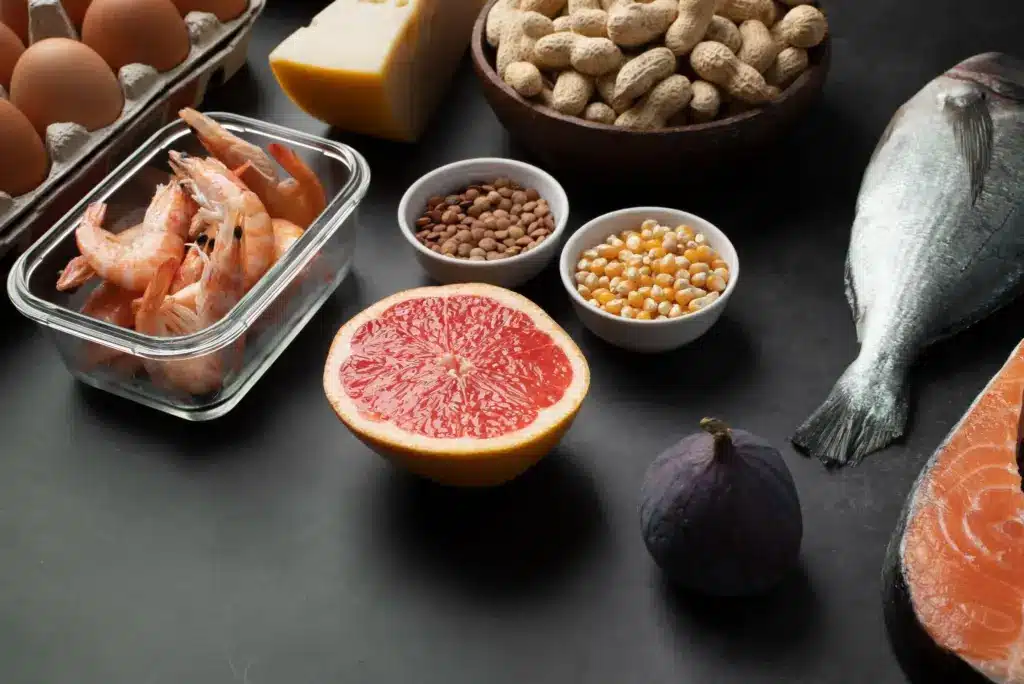
If you eat plants, finding good iron sources is key. Iron is vital, and you can get it from plants, not just animals. There are many plant foods that are rich in iron.
Legumes and Beans
Legumes and beans are top iron sources from plants. They’re not just iron-rich but also full of fiber, protein, and other nutrients. Think lentils, chickpeas, black beans, and kidney beans.
- Lentils: 1 cup cooked = 6.6 mg iron
- Chickpeas: 1 cup cooked = 4.7 mg iron
- Black beans: 1 cup cooked = 3.9 mg iron
- Kidney beans: 1 cup cooked = 5.2 mg iron
Tofu and Soy Products
Tofu and soy products are great for plant-based diets. They’re flexible and can be used in many dishes.
Iron content in tofu and soy products:
|
Food |
Iron Content (mg per serving) |
|---|---|
|
Tofu, firm, 3 oz |
3.4 mg |
|
Tempeh, 3 oz |
2.5 mg |
|
Soybeans, cooked, 1 cup |
8.8 mg |
Iron-Rich Leafy Greens
Leafy greens are packed with iron, vitamins, and antioxidants. Adding them to your meals can really up your iron intake.
- Spinach: 1 cup cooked = 6.4 mg iron
- Kale: 1 cup cooked = 2.5 mg iron
- Swiss chard: 1 cup cooked = 4.0 mg iron
Nuts, Seeds, and Dried Fruits
Nuts, seeds, and dried fruits are great snacks that are also iron-rich. They’re easy to add to meals or eat as snacks.
Examples include:
- Pumpkin seeds: 1/4 cup = 2.7 mg iron
- Sesame seeds: 1/4 cup = 2.5 mg iron
- Dried apricots: 1 cup = 3.4 mg iron
- Raisins: 1/4 cup = 1.1 mg iron
Adding these plant-based iron sources to your diet can help boost your iron levels. Remember, vitamin C can help your body absorb iron better. So, eating foods high in vitamin C, like citrus fruits or bell peppers, with iron-rich foods is a good idea.
Iron-Fortified Foods and Their Effectiveness
Fortified foods are a great way to boost iron levels. They help fill the nutritional gap. Iron-fortified foods add extra iron, which is key for those who don’t get enough from natural sources.
Breakfast Cereals and Grain Products
Breakfast cereals are a top choice for iron. Many brands add iron to their cereals. This makes them a good breakfast option.
Look for cereals labeled as “iron-fortified” or with 100% of the Daily Value (DV) for iron per serving. Fortified grain products like bread and pasta also help with iron intake. They’re great for those who eat them often.
“Fortifying staple foods like cereals and grains with iron can significantly impact public health by reducing the prevalence of iron deficiency.” – Nutrition Expert
Fortified Plant Milks and Juices
Fortified plant milks and juices are popular dairy alternatives. They often have iron and other nutrients. When buying plant milks, check the iron content on the label.
- Look for brands that explicitly state “iron-fortified” on the label.
- Check the nutrition label to ensure the product contains a significant percentage of the DV for iron.
Reading Labels for Iron Content
Understanding food labels is key to using iron-fortified foods well. The nutrition facts panel shows iron content per serving. Remember to check the serving size to know your iron intake.
Also, look for iron or ferric compounds in the ingredient list. This means the food is fortified with iron.
|
Food Item |
Iron Content per Serving |
% DV |
|---|---|---|
|
Iron-Fortified Cereal |
18 mg |
100% |
|
Fortified Plant Milk |
4.5 mg |
25% |
By adding these iron-fortified foods to your diet, you can help keep your iron levels healthy.
Foods That Enhance Iron Absorption
Boosting iron levels is not just about eating foods rich in iron. It’s also about making your body better at absorbing this mineral. Some foods can really help with iron absorption, making it more effective.
Vitamin C-Rich Foods (4x Absorption Increase)
Vitamin C is great for helping your body absorb non-heme iron. Eating foods high in vitamin C, like citrus fruits, bell peppers, and tomatoes, can increase iron absorption by up to four times. For example, having orange juice with a meal can greatly improve iron uptake.
A study on shows vitamin C can counteract iron absorption inhibitors. This makes it key for boosting iron in your diet.
Fermented Foods and Their Benefits
Fermented foods, like sauerkraut, kimchi, and yogurt, have lactic acid. This acid can help your body absorb iron better. Adding these foods to your meals can improve iron absorption from plant-based sources.
|
Fermented Food |
Iron Absorption Benefit |
|---|---|
|
Sauerkraut |
Enhances non-heme iron absorption |
|
Kimchi |
Contains lactic acid, aiding iron uptake |
|
Yogurt |
May improve iron absorption when consumed with iron-rich foods |
Strategic Food Combinations for Maximum Uptake
Pairing foods in the right way can boost iron absorption. For instance, eating iron-rich foods with vitamin C-rich foods can significantly increase absorption. Also, cooking in cast iron cookware, like when cooking tomatoes, can increase iron intake.
“The combination of dietary factors can significantly influence iron absorption. Understanding these interactions can help individuals optimize their dietary iron intake.”
By adding these foods and strategies to your diet, you can improve iron absorption. This can help increase iron levels and lower the risk of iron deficiency.
Foods and Substances That Block Iron Absorption
Some foods and drinks can block iron absorption in our bodies. Iron is key for healthy red blood cells. But, certain foods can stop it from being absorbed, leading to iron deficiency.
Calcium-Rich Foods and Supplements
Calcium can stop both non-heme and heme iron from being absorbed. Foods like dairy, fortified plant-based milk, and some leafy greens are high in calcium. They can lower iron absorption when eaten with iron-rich foods.
For example, drinking milk with iron-rich foods can cut down iron absorption. It’s best to eat calcium-rich foods and iron-rich foods apart to avoid this issue.
Tannins in Tea, Coffee, and Wine
Tannins in tea, coffee, and wine also block iron absorption. The more tannins, the bigger the block. Drinking tea or coffee with meals can lower iron absorption by up to 60%.
To get more iron, drink these beverages between meals, not with iron-rich foods.
Phytates, Oxalates, and Other Inhibitors
Phytates in whole grains, legumes, nuts, and seeds, and oxalates in spinach, beets, and rhubarb also block iron. These foods are good for you but can affect iron absorption. Soaking, sprouting, and fermenting can reduce phytates, helping iron absorption.
Knowing about these foods and substances helps us plan better. We can choose meals that help our bodies absorb iron well.
Cooking Methods That Increase Iron Content
Cooking methods are key to getting more iron from our food. How we cook can greatly impact the iron in our meals. Some methods are better than others at keeping or boosting this important nutrient.
Using Cast Iron Cookware
Using cast iron cookware is a top way to get more iron. Research shows cooking with cast iron can up iron levels in food by 1.5 to 3.3 times. This is great for people with low iron or at risk of it.
Benefits of Cast Iron Cookware:
- Increases iron content in food
- Durable and long-lasting
- Versatile for various cooking techniques
Proper Food Preparation Techniques
Proper food prep can also boost iron absorption. Soaking, sprouting, and fermenting can cut down on phytates and other inhibitors. For example, soaking beans and grains before cooking can greatly reduce phytates, making iron easier to absorb.
Key Preparation Techniques:
- Soaking beans and grains
- Sprouting seeds and legumes
- Fermenting foods
Cooking Times and Nutrient Preservation
Cooking time is vital for keeping nutrients, like iron, intact. Overcooking can cause a big loss of iron, mainly in veggies. Steaming or stir-frying for shorter times can keep more iron than boiling. It’s also important to cook at the right temperature to protect delicate nutrients.
Tips for Preserving Iron:
- Cook for shorter durations
- Use lower heat when possible
- Avoid overcooking vegetables
Meal Planning for Optimal Iron Intake
Planning your meals well can really help you get more iron. Adding iron-rich foods and knowing how to make iron absorption better can keep your iron levels right where they should be.
Iron-Boosting Breakfast Ideas
Starting your day with foods high in iron is a great way to begin. Mixing these foods with vitamin C can make iron absorption even better.
- Oatmeal with dried fruits and nuts, topped with fresh berries
- Scrambled eggs with spinach and whole wheat toast
- Fortified cereals with sliced bananas and almond milk
A nutrition expert says, “Mixing iron-rich foods with vitamin C can boost iron absorption by up to four times.”
“Vitamin C is a key helper in making iron absorption better, making it a must-have in an iron-boosting diet.”
Lunch Combinations for Maximum Absorption
For lunch, pair iron-rich foods with foods that help absorption.
|
Iron-Rich Food |
Vitamin C-Rich Food |
Combined Meal |
|---|---|---|
|
Grilled chicken |
Bell peppers |
Chicken salad with bell peppers and spinach |
|
Lentils |
Tomatoes |
Lentil soup with tomatoes and whole grain bread |
Dinner Recipes Rich in Bioavailable Iron
Dinner is a great time to add a variety of iron-rich foods. Look for recipes that mix heme and non-heme iron sources.
- Grilled beef with roasted veggies and quinoa
- Baked salmon with lentils and steamed broccoli
- Vegetarian chili with black beans, tomatoes, and cornbread
Strategic Snacks for Throughout the Day
Choosing the right snacks can help keep your iron levels up all day.
- Dried apricots and almonds
- Apple slices with almond butter
- Dark chocolate squares (rich in iron and antioxidants)
By using these meal planning tips, you can boost your iron intake and improve your health. Remember, being consistent is key. Making these habits a daily part of your life can bring big benefits.
Understanding Anemia: Types, Causes, and Dietary Approaches
Anemia is a condition where the body doesn’t have enough healthy red blood cells. These cells are vital for carrying oxygen to the body’s tissues.
“Anemia can result from various factors, including nutritional deficiencies, chronic diseases, and genetic disorders,” says a health expert. This complexity necessitates a thorough approach to diagnosis and treatment.
Iron-Deficiency Anemia Statistics and Impact
Iron-deficiency anemia is the most common anemia worldwide. The World Health Organization (WHO) reports that about 30% of the world’s population has anemia, with iron deficiency being a major cause.
The effects of iron-deficiency anemia are significant. It can cause fatigue, weakness, and lower productivity. It also has broader societal and economic impacts.
Other Types of Anemia and Nutritional Needs
There are other types of anemia, like vitamin deficiency anemia (caused by lack of vitamin B12 or folate), anemia of chronic disease, and anemia caused by bone marrow problems.
Nutritional needs differ based on the type of anemia. For example, vitamin B12 deficiency anemia requires more animal products or supplements.
When Diet Alone Isn’t Enough
Dietary changes are key in managing and preventing anemia. Yet, sometimes diet alone is not enough. Certain conditions may need medical treatment or supplements.
For severe iron-deficiency anemia, iron supplements might be needed along with dietary changes. It’s important to consult a healthcare provider to find the best treatment.
How Quickly Can Diet Raise Iron Levels?
For those with iron deficiency, knowing how fast diet changes can help is key. The speed of iron level increase depends on the deficiency’s severity and the diet’s effectiveness.
Realistic Timelines for Improvement
Improvement in iron levels can take weeks to months. Those with mild deficiency might see changes in 2-4 weeks. But, those with severe deficiency might need 3-6 months.
Early signs of improvement include more energy and less fatigue. It’s important to keep up with diet changes even after symptoms get better. This ensures iron stores are fully replenished.
Factors Affecting Recovery Speed
Several things can affect how fast iron levels improve, including:
- The severity of the iron deficiency
- The effectiveness of the dietary changes implemented
- Presence of other nutritional deficiencies
- Overall health and presence of chronic conditions
Consistency in dietary habits is key for faster improvement. Eating iron-rich foods and foods that help iron absorption can speed up recovery.
Monitoring Progress and Adjusting Approach
Regular blood tests are vital to check if diet changes are working. Healthcare providers can help with how often to test and diet adjustments based on results.
Adjusting the diet might mean increasing iron-rich foods, improving food combinations for better absorption, and avoiding substances that block iron absorption.
Understanding what affects iron level improvement and sticking to a consistent diet can help raise iron levels. This improves overall health.
Special Considerations for High-Risk Groups
Some groups face a bigger challenge in keeping their iron levels up. This is because of their health, diet, and lifestyle. These factors make it harder for them to get enough iron.
Women of Childbearing Age
Women who could get pregnant are more likely to lack iron. This is because they lose blood every month. Over time, this can really lower their iron levels.
Key Considerations:
- Menstrual health monitoring
- Dietary adjustments to include iron-rich foods
- Awareness of iron deficiency symptoms
Pregnant and Breastfeeding Women
Pregnant and breastfeeding women need more iron. This is because their bodies are working hard to support their babies. If they don’t get enough iron, it can cause problems for both mom and baby.
|
Stage |
Iron Needs |
Dietary Recommendations |
|---|---|---|
|
Pregnancy |
Increased |
Iron-rich foods, Vitamin C to enhance absorption |
|
Breastfeeding |
Variable |
Continued iron-rich diet, potentially supplements |
Children and Adolescents
Young people are more likely to lack iron because they grow fast. What they eat is very important for their iron levels.
Important Factors:
- Dietary diversity
- Avoidance of excessive milk consumption
- Inclusion of iron-fortified foods
Vegetarians and Vegans
People who don’t eat meat or animal products are at higher risk. This is because plant-based iron is harder to use by the body. They need to plan their diet carefully.
- Consumption of vitamin C-rich foods with iron-rich foods
- Inclusion of iron-fortified plant milks and cereals
- Awareness of iron inhibitors like tea and coffee
Iron Supplements: When and How to Use Them
Iron supplements can fill the gap when diet alone isn’t enough. They are key in managing iron deficiency. This is true when just changing what you eat doesn’t solve the problem.
Types of Iron Supplements
There are many iron supplements, each with its own absorption rate and side effects. The most common types are ferrous sulfate, ferrous gluconate, ferrous fumarate, iron citrate, and iron EDTA.
- Ferrous Sulfate: Often prescribed and affordable.
- Ferrous Gluconate: Easier on the stomach but might not be absorbed as well.
- Ferrous Fumarate: Has a lot of iron and is well absorbed.
- Iron Citrate: Good for those with stomach issues.
- Iron EDTA: Great for those with a lot of phytates in their diet.
The says the right supplement depends on your body’s needs and how you react to it.
Optimal Timing and Dosage Guidelines
When and how much iron you take matters a lot. Taking iron on an empty stomach works best. But, if it upsets your stomach, you can take it with food.
|
Type of Iron Supplement |
Recommended Dosage |
Timing |
|---|---|---|
|
Ferrous Sulfate |
325 mg/day |
On an empty stomach |
|
Ferrous Gluconate |
300 mg/day |
With food if needed |
|
Ferrous Fumarate |
100 mg/day |
On an empty stomach |
Managing Side Effects
Iron supplements can lead to constipation, nausea, and stomach pain. To deal with these, you might need to change the dosage or type of supplement. Vitamin C can help iron absorption. But, foods with phytates or tannins can block it.
Conclusion
Dietary changes are key to managing iron levels and treating iron deficiency anemia. Knowing about iron types, their sources, and how to absorb them helps make better diet choices.
Eating foods rich in iron, like red meat, poultry, seafood, legumes, and leafy greens, boosts iron levels. Also, adding vitamin C-rich foods, such as citrus fruits and bell peppers, to meals can help iron absorption.
It’s important to avoid foods that block iron absorption, like those high in calcium and tannins in tea and coffee. Making smart food choices helps keep iron levels healthy and supports overall well-being.
Understanding iron deficiency, its symptoms, and how diet impacts it allows for proactive health improvement. This knowledge helps prevent complications from iron deficiency anemia.
FAQ
What are the common symptoms of iron deficiency anemia?
Symptoms include fatigue, weakness, and pale skin. You might also feel short of breath, dizzy, or have headaches. Severe cases can harm your immune system and brain function.
How can I increase my iron levels quickly through diet?
Eat foods high in iron like red meat, poultry, seafood, and legumes. Fortified cereals are also good. Adding foods rich in vitamin C, like citrus fruits, can help your body absorb iron better.
What is the difference between heme and non-heme iron?
Heme iron, from animal products, is easier for the body to absorb. Non-heme iron, in plants, needs vitamin C to be absorbed well.
Can cooking in cast iron cookware increase iron intake?
Yes, cooking in cast iron can boost iron intake. This is true for acidic foods like tomatoes. It can increase iron content by 1.5 to 3.3 times.
Are there foods that can block iron absorption?
Yes, foods high in calcium, tannins in tea and coffee, and phytates in whole grains can block iron absorption. It’s best to eat these foods separately from iron-rich foods.
How quickly can dietary changes improve iron levels?
Improvement time varies by the severity of the deficiency and individual factors. Noticeable improvements can take weeks to months with consistent dietary changes.
Are iron supplements necessary for everyone with iron deficiency?
Not always. Mild cases might be managed with diet alone. But severe cases or those with significant symptoms may need supplements under medical guidance.
What are the best plant-based sources of iron?
Legumes, beans, lentils, tofu, tempeh, dark leafy greens, nuts, and seeds are great plant-based iron sources.
Can vegetarians and vegans get enough iron from their diet?
Yes, with careful planning, vegetarians and vegans can get enough iron. It’s key to eat a variety of iron-rich foods and enhance absorption with vitamin C.
What are the risks of too much iron intake?
Too much iron can cause iron overload, damaging organs like the liver and heart. It’s important to follow dietary guidelines and consult healthcare providers before taking supplements.
How can I monitor my iron levels?
Regular blood tests can check iron levels. Healthcare providers can suggest how often to test based on your needs and risk factors.
Are there specific dietary recommendations for pregnant women with iron deficiency?
Pregnant women need more iron. Eating iron-rich foods, vitamin C-rich foods, and avoiding iron absorption inhibitors can help. Prenatal vitamins often include iron, but healthcare providers may recommend additional supplements.
References
- “How to Increase the Absorption of Iron from Foods.” Healthline. Retrieved from https://www.healthline.com/nutrition/increase-iron-absorption (discussing vitamin C and other enhancers of non‑heme iron absorption) (Healthline)
- “Iron: Recommended intake, benefits, and food sources.” Medical News Today. Retrieved from https://www.medicalnewstoday.com/articles/322272 (overview of iron’s roles, sources, and deficiency) (Medical News Today)
- Malik, Z. I. (2025). “Unlocking iron: nutritional origins, metabolic pathways, and …” Frontiers in Nutrition, Article 1637316. Retrieved from https://www.frontiersin.org/journals/nutrition/articles/10.3389/fnut.2025.1637316/full (Frontiers)
- Moustarah, F. (2024). “Dietary Iron.” StatPearls / NCBI Bookshelf. Retrieved from https://www.ncbi.nlm.nih.gov/books/NBK540969/ (on physiology, dietary sources, absorption) (NCBI)
- World Health Organization. (2025, February 10). Anaemia: fact sheet. Retrieved from https://www.who.int/news-room/fact-sheets/detail/anaemia (definition, epidemiology, causes, global response) (World Health Organization)