
Anemia in pregnancy is a big health issue worldwide. It affects almost 40% of pregnant women, more in places like South Asia and Africa. Effective management is key to protect both mom and baby.
Getting a diagnosis early and following treatment plans is vital. This article will guide you on treating anemia in pregnancy. We focus on proven treatments and new findings.
Key Takeaways
- Anemia affects about 40% of pregnant women globally.
- Early diagnosis is critical for effective management.
- Following treatment plans improves outcomes.
- Iron deficiency is a main cause of anemia in pregnancy.
- Proven treatments are essential to reduce risks.
Understanding Anemia in Pregnancy
Anemia in pregnancy is a big deal for the health of expectant mothers. It’s when there’s not enough red blood cells or hemoglobin. Pregnancy makes it worse because the blood volume goes up. We’ll look into what anemia is, the changes in the body during pregnancy, and what blood values should be normal.
Definition and Physiological Changes
Anemia in pregnancy means your hemoglobin is too low. It’s less than 11 g/dL in the first and third trimesters. In the second, it’s less than 10.5 g/dL. Pregnancy changes the body a lot, like increasing blood volume. This can make the red blood cells and hemoglobin spread out, leading to anemia.
Iron deficiency is the main reason for anemia in pregnancy. The body needs more iron to support the growing fetus and the increased blood volume. Understanding these changes is key to treating anemia right.
Normal Blood Values During Pregnancy
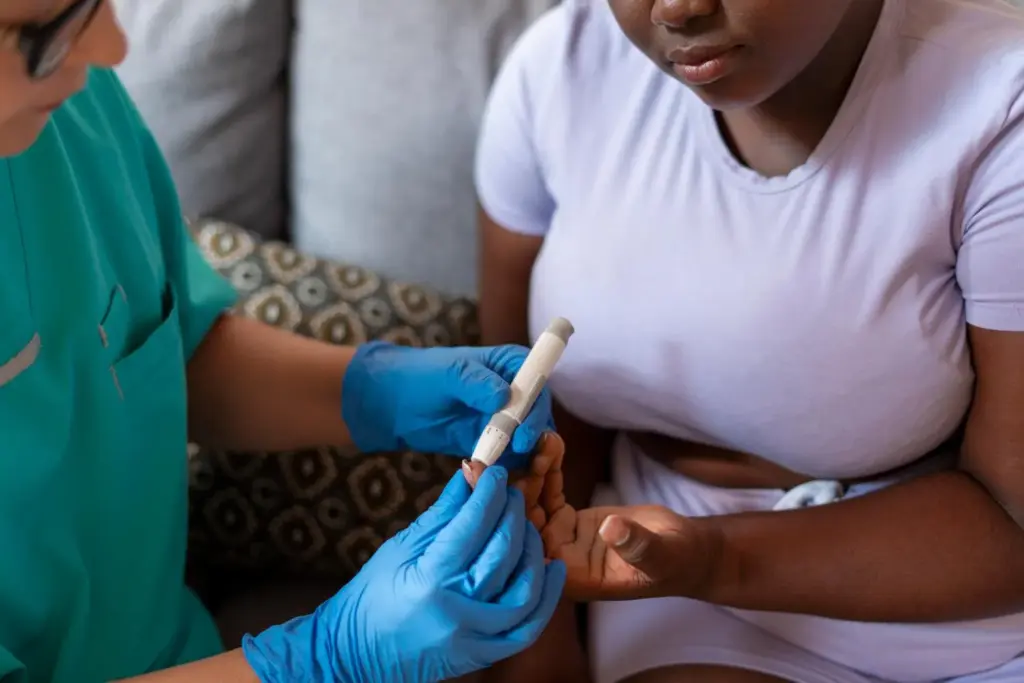
Pregnancy changes what’s considered normal for blood values. Hemoglobin levels below 11 g/dL in the first and third trimesters are a sign of anemia. In the second, it’s below 10.5 g/dL. Ferritin levels are also important because they show how much iron is stored. A ferritin level under 30 ng/mL means you might have iron deficiency.
Checking hemoglobin and ferritin levels is vital for catching anemia early. Knowing what’s normal helps doctors spot problems and treat them. This ensures the health of both the mother and the baby.
Global Prevalence and Impact
Anemia in pregnancy is a big problem worldwide, but it’s worse in places with less resources. It hurts the mom’s health and also affects the baby and the community.
Anemia is common, but it’s more common in some places than others. Studies show that South Asia and Africa have the highest rates of anemia in pregnancy. This is because of poor nutrition, limited healthcare, and tough economic situations.
Statistics Across Different Regions
Anemia in pregnancy isn’t the same everywhere. Some areas face more challenges because of diet, healthcare, and money issues.
- In South Asia, anemia in pregnancy is very common, with rates over 50% in some places.
- Sub-Saharan Africa also sees a lot of anemia, often because of malaria, bad nutrition, and infections.
- But, places with good healthcare and nutrition have fewer cases of anemia in pregnancy.
Higher Risk Populations
Some groups are more likely to get anemia during pregnancy. These include:
- Women from poor families who can’t afford healthy food and healthcare.
- Those with health problems like sickle cell disease or chronic infections.
- Women carrying twins or more, as they need more nutrients.
- Teenage girls who are pregnant, as they are growing and need nutrients for themselves too.
Knowing who is at risk helps us make better plans to fight anemia in pregnancy. By focusing on these groups, we can help improve health for moms and babies everywhere.
Types of Anemia During Pregnancy

Knowing about the types of anemia during pregnancy is key to treating it well. Anemia is not just one condition. It includes several types, each with its own causes and effects on pregnant women.
Pregnancy increases the body’s need for iron and other nutrients. If these needs aren’t met, different anemia types can develop. We’ll look at the most common anemia types during pregnancy.
Iron Deficiency Anemia
Iron deficiency anemia is the most common anemia in pregnancy. It happens when the body doesn’t have enough iron to make hemoglobin. Hemoglobin is a protein in red blood cells that carries oxygen. The increased blood volume in pregnancy makes iron needs higher.
A study on the website shows iron supplements are key in preventing and treating this anemia.
- Symptoms include fatigue, weakness, and pale skin.
- Diagnosis is through blood tests that check hemoglobin and ferritin levels.
- Treatment includes iron supplements and eating more iron-rich foods.
Folate Deficiency Anemia
Folate deficiency anemia happens when there’s not enough folate. Folate is a B vitamin important for preventing birth defects. It’s needed for making red blood cells, and its need goes up during pregnancy.
- Folate is in foods like leafy greens, legumes, and citrus fruits.
- Pregnant women often take folic acid supplements to avoid this anemia.
- Checking folate levels in the blood is how it’s diagnosed.
Vitamin B12 Deficiency Anemia
Vitamin B12 deficiency anemia is less common than iron or folate deficiency but can happen during pregnancy. Vitamin B12 is key for making red blood cells and keeping the nervous system healthy. Women on strict vegetarian or vegan diets are at higher risk because Vitamin B12 is mainly in animal products.
- Symptoms include fatigue, weakness, and changes in the nervous system.
- Diagnosis is by measuring Vitamin B12 levels.
- Treatment might be Vitamin B12 supplements or injections.
Anemia Due to Chronic Diseases
Some pregnant women get anemia from chronic diseases like chronic kidney disease, HIV/AIDS, or other inflammatory conditions. These diseases can stop the body from making red blood cells or keeping hemoglobin healthy.
Managing the chronic disease is key to treating anemia in these cases. This might involve a team of doctors, including obstetricians and specialists in the chronic condition.
In conclusion, knowing about the different types of anemia during pregnancy is vital for proper care. Each type has its causes, symptoms, and treatments. This shows the need for care plans tailored to each woman’s needs.
Causes and Risk Factors for Anemia in Pregnancy
It’s important to know why anemia happens during pregnancy. This condition is caused by many things.
Nutritional Deficiencies
Nutritional issues are a big reason for anemia in pregnancy. Iron deficiency is the main cause because iron makes hemoglobin. Folate and vitamin B12 are also key to avoiding anemia.
Pre-existing Medical Conditions
Some health problems before pregnancy can raise the risk of anemia. Conditions like chronic kidney disease, HIV/AIDS, and malaria can harm red blood cell production.
Multiple Pregnancies
Having twins or more increases the need for iron and other nutrients. This raises the risk of anemia. Women expecting twins need extra prenatal care to manage this risk.
Socioeconomic Factors
Things like healthcare access, diet, and income level also matter. Women with less money might not get enough good food or healthcare, making them more at risk.
|
Risk Factor |
Description |
|---|---|
|
Nutritional Deficiencies |
Lack of essential nutrients like iron, folate, and vitamin B12 |
|
Pre-existing Medical Conditions |
Chronic diseases that affect red blood cell production |
|
Multiple Pregnancies |
Increased demand for nutrients due to multiple fetuses |
|
Socioeconomic Factors |
Limited access to healthcare and nutrient-rich foods |
Identifying and managing the risk factors for anemia in pregnancy is key for the health of mom and baby.
– Healthcare Expert
Recognizing Symptoms of Anemia in Pregnancy
It’s important to know the signs of anemia in pregnancy to avoid problems. Anemia can show up in different ways, some of which might seem like normal pregnancy changes. We’ll talk about the usual signs, tell the difference between normal pregnancy symptoms and anemia, and point out when you need to see a doctor right away.
Common Clinical Manifestations
Symptoms of anemia during pregnancy can range from mild to severe, with common signs including:
- Fatigue and weakness
- Shortness of breath
- Dizziness or lightheadedness
- Pale skin
These happen because your body doesn’t get enough oxygen.
Symptoms Often Mistaken for Normal Pregnancy
Some anemia symptoms, like feeling tired and a bit short of breath, are often seen as normal pregnancy changes. But it’s key to tell the difference between normal pregnancy discomforts and signs of anemia.
Warning Signs Requiring Immediate Attention
Some symptoms need you to see a doctor right away, like:
- Severe shortness of breath
- Chest pain or palpitations
- Severe dizziness or fainting
These could mean you have a serious case of anemia or another problem that needs quick treatment.
|
Symptom |
Normal Pregnancy |
Anemia |
|---|---|---|
|
Fatigue |
Common due to hormonal changes |
Persistent and severe |
|
Shortness of Breath |
Can occur due to the growing fetus |
More pronounced and persistent |
|
Dizziness |
Occasional due to blood pressure changes |
Frequent and severe |
Knowing the difference is key for catching anemia early. Spotting anemia symptoms early is important for the health of both mom and baby. By understanding the usual signs and knowing when they’re not normal, pregnant women can get the care they need quickly.
Diagnostic Approaches for Anemia in Pregnancy
Diagnosing anemia in pregnancy is key. We use several methods to find and treat anemia accurately.
Routine Screening Protocols
We check hemoglobin and ferrititin levels for anemia in pregnancy. These tests spot iron deficiency anemia, the most common type.
Pregnant women should get these tests at their first visit and later as needed. How often depends on their risk and symptoms.
Interpreting Hemoglobin and Ferritin Levels
Understanding hemoglobin and ferritin test results is vital. Hemoglobin levels below a certain point mean anemia. Ferritin levels show iron stores.
|
Indicator |
Normal Pregnancy Values |
Indicative of Anemia |
|---|---|---|
|
Hemoglobin (g/dL) |
≥11 g/dL (first and third trimester), ≥10.5 g/dL (second trimester) | |
|
Ferritin (μg/L) |
≥30 μg/L |
Additional Diagnostic Tests
Sometimes, more tests are needed to find anemia’s cause. These include:
- Complete Blood Count (CBC) to check other blood parts.
- Reticulocyte count to see how the bone marrow works.
- Tests for folate and vitamin B12 to find deficiencies.
These tests help doctors create the right treatment for pregnant women with anemia.
Complications of Untreated Anemia in Pregnancy
Untreated anemia in pregnancy can harm both the mother and the baby. It’s vital to know these risks. This helps us see why early diagnosis and treatment are so important.
Maternal Complications
Anemia left untreated can cause serious problems for the mother. Some major risks include:
- Increased risk of preterm labor: Preterm labor is a big worry. It can cause many problems for both the mother and the baby.
- Higher risk of postpartum hemorrhage: Women with anemia are more likely to bleed a lot after giving birth. This can be very dangerous if not treated right away.
- Cardiac complications: Anemia can also harm the heart. The heart has to work harder without enough red blood cells. This can lead to heart failure.
Fetal and Neonatal Risks
The baby and newborn also face risks from untreated anemia in the mother. Some possible problems include:
- Low birth weight: Babies of anemic mothers often weigh less. This can lead to more health issues for the baby.
- Preterm birth: As mentioned, preterm birth is a risk. It can cause health problems and developmental delays in the baby.
- Increased risk of neonatal mortality: Severe anemia in the mother can increase the risk of the baby dying soon after birth.
Long-term Health Consequences
Untreated anemia during pregnancy can also have long-term effects. These effects can be seen in both the mother and the child. Some of these include:
- Impaired cognitive development in children: Anemic mothers may have children with lower cognitive and behavioral abilities.
- Increased risk of chronic diseases: There’s evidence that anemic mothers may have children at higher risk for diseases like heart disease and diabetes.
- Persistent maternal health issues: Women who had anemia during pregnancy may face ongoing health problems. These can include fatigue and decreased productivity.
Oral Iron Supplementation Protocols
Oral iron supplements are key in treating anemia during pregnancy. They are safe and effective. These supplements help keep iron levels healthy for both mom and baby.
Types of Iron Supplements
There are many oral iron supplements out there. Each has its own type of iron. Here are a few common ones:
- Ferrous Sulfate: This is often chosen because it’s affordable and has a lot of iron.
- Ferrous Gluconate: It’s easier on the stomach, making it a good choice for those with stomach issues.
- Ferrous Fumarate: It has more iron than ferrous gluconate, making it a popular option.
- Iron Complexes: These might cause fewer side effects because of how they’re made.
Recommended Dosages by Trimester
The amount of iron you need changes as pregnancy goes on. Here’s what we usually suggest:
|
Trimester |
Recommended Daily Dosage |
|---|---|
|
First Trimester |
30-60 mg of elemental iron |
|
Second Trimester |
60-120 mg of elemental iron |
|
Third Trimester |
60-120 mg of elemental iron |
Managing Side Effects
Some people might get side effects from iron supplements. These can include nausea, constipation, or stomach pain. Here’s how to handle them:
- Take the supplement with food to ease stomach problems, even if it means a bit less iron is absorbed.
- Switch to a different formulation if the side effects are too bad.
- Consider a slow-release formulation to lessen side effects.
Monitoring Treatment Effectiveness
It’s important to check if iron supplements are working. We look at:
- Hemoglobin levels to see if they’re getting better.
- Ferritin levels to check iron stores.
By watching these levels, we can make changes to the treatment plan. This helps ensure the best health for mom and baby.
Intravenous Iron Therapy for Severe Cases
Intravenous iron therapy is now seen as a key treatment for severe anemia in pregnancy. It’s very helpful when oral iron doesn’t work or can’t be taken.
Indications for IV Iron Administration
IV iron is suggested for pregnant women with severe anemia who don’t get better with oral iron. It’s also for those with very low hemoglobin levels. It’s used when quick anemia correction is needed or oral iron causes stomach problems.
Safety Profile in Pregnancy
IV iron therapy is mostly safe during pregnancy. Research shows it’s okay to use in the second and third trimesters without harming the mother or baby. But, it’s important to watch for any side effects.
Current Administration Guidelines
Guidelines for IV iron therapy include choosing the right patients and adjusting doses. The dose is based on the patient’s weight and hemoglobin level. We follow strict protocols to avoid bad reactions.
Dosing and Monitoring
The dose of IV iron depends on the patient’s weight and anemia level. We check hemoglobin and ferritin regularly. This helps us see how well the treatment is working and adjust it if needed.
Expected Outcomes and Recovery Timeline
Patients can see their hemoglobin levels go up in a few weeks. How fast they get better depends on how severe their anemia is and how well they respond to treatment. Usually, hemoglobin levels start to improve in 2-4 weeks, and we keep checking to make sure iron levels stay good.
|
Parameter |
Pre-Treatment |
Post-Treatment (2-4 weeks) |
|---|---|---|
|
Hemoglobin (g/dL) |
8-9 |
10-12 |
|
Ferritin (ng/mL) |
10-20 |
50-100 |
IV iron therapy is a valuable option for severe anemia in pregnancy. It’s safe and effective when used as recommended.
Dietary Strategies to Combat Anemia in Pregnancy
A well-balanced diet is key to fighting anemia during pregnancy. Focusing on certain nutrients and foods can boost iron levels and health.
Iron-Rich Food Sources
It’s important to eat more iron-rich foods to manage anemia. Iron-rich foods are divided into animal-based (like red meat, poultry, and fish) and plant-based (beans, lentils, and fortified cereals).
- Red meat and poultry are great for heme iron.
- Legumes, such as lentils and chickpeas, are full of non-heme iron.
- Fortified cereals and spinach are also good sources.
Nutrients That Enhance Iron Absorption
Some nutrients help the body use iron better. Vitamin C is very good at improving non-heme iron absorption.
“Eating foods high in vitamin C (like citrus fruits, bell peppers, and tomatoes) with iron-rich foods boosts iron absorption.”
- Add vitamin C-rich foods to meals to improve iron absorption.
- Avoid tea or coffee with meals as they can block iron absorption.
Foods to Limit During Treatment
Some foods and drinks can make it harder for the body to absorb iron. It’s best to limit or avoid these during treatment.
- Tea and coffee can lower iron absorption.
- Foods high in calcium can also block iron absorption.
Sample Meal Plans for Anemic Pregnant Women
Creating a meal plan with iron-rich foods and absorption boosters is easy. Here’s a sample meal plan:
|
Meal |
Foods |
Iron Content |
|---|---|---|
|
Breakfast |
Oatmeal with sliced banana and almond milk |
Moderate |
|
Lunch |
Grilled chicken with spinach and bell peppers |
High |
|
Dinner |
Lentil soup with a side of citrus salad |
High |
By following these dietary tips, pregnant women can manage anemia and stay healthy.
Preventive Measures for Anemia During Pregnancy
Knowing how to prevent anemia is key for a healthy pregnancy. It helps the mother stay healthy and improves the baby’s health too.
Preconception Nutrition and Supplementation
Eating right before getting pregnant is important. Women should eat foods high in iron, folate, and vitamin B12. Red meat, spinach, and fortified cereals are good choices. Taking iron and folic acid supplements before pregnancy can also help.
The says iron supplements are best for women at risk of anemia.
Routine Screening Schedule
Checking for anemia is a big part of prenatal care. Pregnant women should get their hemoglobin and ferritin levels checked at the first visit. Women at higher risk might need more tests.
Finding anemia early means it can be treated quickly. This helps avoid serious problems.
Lifestyle Modifications
Changing your lifestyle can also help prevent anemia. Pregnant women should avoid tea and coffee with meals because they block iron. Eating foods high in vitamin C, like citrus fruits, helps iron absorption. Eating a variety of iron-rich foods is also important.
Education and Awareness
Teaching pregnant women about anemia is vital. Knowing the risks, symptoms, and how to prevent it helps them stay healthy. Doctors should guide them on what to eat and supplements to take.
|
Preventive Measure |
Description |
Benefits |
|---|---|---|
|
Preconception Nutrition |
Consuming a diet rich in iron, folate, and vitamin B12 before pregnancy. |
Reduces the risk of anemia, improves overall health. |
|
Routine Screening |
Regular checks for hemoglobin and ferritin levels during prenatal visits. |
Early detection and treatment of anemia. |
|
Lifestyle Modifications |
Avoiding substances that inhibit iron absorption, increasing vitamin C intake. |
Enhances iron absorption, reduces anemia risk. |
|
Education and Awareness |
Educating pregnant women about anemia risks, symptoms, and prevention. |
Empowers women to make informed health decisions. |
Comprehensive Management Approach by Trimester
<SEP-16286_image_8>
Managing anemia in pregnancy needs a deep understanding of the body’s changes in each trimester. As pregnancy advances, the body’s need for iron and other nutrients grows. This calls for a customized plan to tackle anemia.
First Trimester Interventions
In the first trimester, we focus on catching anemia early and preventing it. We check the woman’s iron levels and hemoglobin at the first prenatal visit. Women at high risk or with past anemia may start iron supplements early. We also give dietary advice to boost iron intake.
Key interventions include:
- Screening for anemia
- Dietary advice on iron-rich foods
- Initiation of iron supplementation if necessary
Second Trimester Adjustments
In the second trimester, iron needs skyrocket because of the growth of red blood cells and fetal iron needs. We keep a close eye on hemoglobin levels and adjust iron supplements as needed. We also look for other anemia causes like folate or vitamin B12 deficiency.
“The second trimester is critical for managing anemia, as the maternal red blood cell mass expands, and fetal demands for iron begin to increase significantly.”
|
Trimester |
Hemoglobin Threshold for Anemia |
Intervention |
|---|---|---|
|
First Trimester |
<11 g/dL |
Iron supplementation, dietary counseling |
|
Second Trimester |
<10.5 g/dL |
Adjust iron supplementation, screen for other deficiencies |
|
Third Trimester |
<11 g/dL |
Continue iron supplementation, monitor for complications |
Third Trimester Considerations
In the third trimester, we focus on managing anemia and getting ready for delivery. We keep iron supplements going and watch for signs of anemia or complications. Women with severe anemia might need intravenous iron or blood transfusions.
The goal is to optimize maternal health and minimize risks during delivery.
Postpartum Follow-up Care
Postpartum care is key for women with anemia during pregnancy. We keep an eye on their hemoglobin levels and offer ongoing support. This includes dietary advice and, if needed, continued iron supplements.
By using a detailed management plan for each trimester and continuing postpartum, we can greatly improve outcomes for women with anemia during pregnancy.
Conclusion
Managing anemia well is key for the health of both mom and baby. We’ve talked about what anemia is, its types, causes, symptoms, how to diagnose it, and how to treat it.
It’s important to catch anemia early and treat it right to avoid serious problems. We’ve shown how oral iron, intravenous iron, and eating right can help manage anemia.
Having a plan for each trimester can really help both mom and baby. Healthcare teams can give better care to women with anemia by knowing the risks and acting fast.
In short, tackling anemia in pregnancy needs a team effort. It’s about finding it early, treating it well, and supporting the mom-to-be. By focusing on her health, we can lower risks and help her have a better pregnancy.
FAQ
What is anemia in pregnancy?
Anemia in pregnancy means you have fewer red blood cells or less hemoglobin. Hemoglobin carries oxygen to your body’s parts.
How common is anemia during pregnancy?
Anemia is a big health problem during pregnancy worldwide. It affects many pregnant people, mostly in poorer countries.
What are the symptoms of anemia in pregnancy?
Symptoms include feeling very tired, weak, and pale. You might also get short of breath or dizzy. Some symptoms can be mistaken for normal pregnancy changes.
How is anemia diagnosed in pregnancy?
Doctors use blood tests to check your hemoglobin and ferritin levels. These tests help find iron deficiency anemia, a common type during pregnancy.
What are the risks of untreated anemia in pregnancy?
Untreated anemia can cause problems for both you and your baby. It can lead to early labor, low birth weight, and more infections.
How is anemia treated during pregnancy?
Treatment includes iron supplements and eating more iron-rich foods. For severe cases, intravenous iron therapy might be needed.
What are the best dietary sources of iron for pregnant individuals?
Good sources of iron are red meat, poultry, fish, beans, lentils, and fortified cereals. Eating foods high in vitamin C with iron can help your body absorb more iron.
Can anemia be prevented during pregnancy?
Yes, you can prevent anemia by eating well before getting pregnant, getting tested regularly, and taking supplements if needed. Making healthy lifestyle choices and learning about iron-rich foods also helps.
How is intravenous iron therapy administered during pregnancy?
Intravenous iron is given in a doctor’s office. The amount and how often you get it depends on how severe your anemia is and your needs.
What are the benefits of managing anemia during pregnancy?
Managing anemia can lower the risk of complications. It improves health for both you and your baby. It also makes pregnancy and afterbirth better.
Are there any long-term health consequences of anemia during pregnancy?
Yes, untreated or severe anemia can harm your health and your child’s in the long run. It can increase the risk of heart disease and developmental problems.
How does pregnancy affect white blood cell count?
Pregnancy can slightly raise your white blood cell count. This is usually a normal response of your body.
What does a high white blood cell count during pregnancy indicate?
A mild increase is normal. But a very high count might mean you have an infection or another health issue that needs a doctor’s check.
References
PMC (PubMed Central) Article 1: https://pmc.ncbi.nlm.nih.gov/articles/PMC11506382/