Are you always tired, dizzy, or have brittle nails? Poor iron absorption might be the reason. It’s a common issue that affects millions of people worldwide.
Iron is key for making hemoglobin, a protein in red blood cells. It carries oxygen to our body’s parts. If we don’t absorb enough iron, we can get iron deficiency. This can make us feel tired, weak, and cause other health issues.
Recent studies show iron deficiency hits over 30% of women under 50. It’s estimated that 2 billion people globally face this problem. In the U.S., up to 25% of people struggle with iron deficiency. This makes it a big public health issue.
Key Takeaways
- Iron deficiency is a widespread condition affecting millions globally.
- Poor iron absorption can lead to symptoms like fatigue, dizziness, and brittle nails.
- Iron is critical for making hemoglobin, which carries oxygen in the blood.
- Up to 25% of Americans are affected by iron deficiency.
- Iron deficiency can lead to serious health problems if left untreated.
The Alarming Statistics of Iron Deficiency
Iron deficiency is more common than many realize, with far-reaching consequences. It affects not just individuals but communities worldwide, making it a significant public health concern.
Let’s examine some key statistics that highlight the prevalence of iron deficiency:
25% of Americans Face Inadequate Iron Levels
Research shows that up to 25% of Americans may have inadequate iron absorption or intake. This is alarming because it means a significant portion of the population is at risk of iron deficiency.
- Inadequate iron intake can lead to a range of health issues, from mild fatigue to severe anemia.
- Poor iron absorption can be due to various factors, including dietary habits and underlying health conditions.
Women Under 50: A High-Risk Population
Women under 50 are at high risk of iron deficiency due to menstruation. The monthly loss of blood can deplete iron stores. It’s essential for women in this demographic to monitor their iron levels closely.
Key factors contributing to iron deficiency in women under 50 include:
- Menstrual blood loss
- Dietary patterns that are low in iron-rich foods
- Increased iron demands during pregnancy
Global Impact: 2 Billion People Affected
The global impact of iron deficiency is staggering, with approximately 2 billion people affected worldwide. This makes iron deficiency one of the most prevalent nutritional disorders globally.
The consequences of iron deficiency are not limited to individual health; they also have broader societal and economic implications.
By understanding the statistics surrounding iron deficiency, we can better address this widespread health issue. We can work towards improving iron status globally.
Understanding Anemia and Iron Deficiency
Iron deficiency and anemia are not the same, but they are related. Anemia means not enough healthy red blood cells to carry oxygen. This can happen for many reasons, including not enough iron.
About 14% of adults have absolute iron deficiency. Another 15% have functional iron deficiency. This shows how complex iron deficiency can be.
Absolute vs. Functional Iron Deficiency
Absolute iron deficiency means the body has no iron left. This can be due to not eating enough iron, losing blood, or needing more iron. Functional iron deficiency means the body can’t use the iron it has. This is often because of inflammation or other health issues.
Knowing the difference between these two types is key for the right treatment. Each needs a different plan, so getting the right diagnosis is very important.
The Relationship Between Iron and Hemoglobin
Iron is essential for making hemoglobin, which carries oxygen in red blood cells. Without enough iron, the body can’t make enough healthy red blood cells. This leads to anemia.
The link between iron and hemoglobin shows why iron is so important for healthy red blood cells. This is why iron deficiency can turn into anemia if not treated.
How Iron Deficiency Progresses to Anemia
When iron stores are low, the body can’t make enough hemoglobin. This means it can’t make healthy red blood cells. This can happen slowly, and early stages might not show symptoms.
“Iron deficiency anemia is a condition where the body lacks sufficient iron to produce hemoglobin, leading to a decrease in the number and size of red blood cells.”
Knowing the signs of iron deficiency can help catch anemia early. This can stop it from getting worse.
Essential Functions of Iron in Your Body
Iron is a key nutrient that helps our bodies work right. It’s involved in making red blood cells and keeping our immune system strong.
Oxygen Transport and Red Blood Cell Production
Iron helps make hemoglobin, a protein in red blood cells. This protein carries oxygen from our lungs to the rest of our body. Without enough iron, we can’t make enough healthy red blood cells.
For more info on iron’s role in health, check out the.
|
Function |
Description |
Impact of Iron Deficiency |
|---|---|---|
|
Oxygen Transport |
Iron is key for hemoglobin, which carries oxygen. |
Less oxygen gets to our tissues and organs. |
|
Red Blood Cell Production |
Iron is needed for healthy red blood cells. |
Anemia makes us feel tired and weak. |
Energy Metabolism and Cellular Function
Iron is also vital for making energy and keeping cells working. It’s part of enzymes and proteins that turn nutrients into energy. Not enough iron can slow down energy making, making us feel less energetic.
Immune System Support and Brain Development
Iron helps our immune system by making white blood cells. These cells fight off infections. Iron also helps our brains grow and work well, affecting how we think and feel. Not enough iron can weaken our immune system and brain function.
In short, iron plays many important roles in our bodies. It’s key for healthy red blood cells, energy, and a strong immune system.
Recognizing Iron Deficiency Symptoms
Iron deficiency can show up in many ways. It’s important to know the signs. Eating foods low in heme iron can lead to this problem. We’ll show you how to spot the common and unusual signs of iron deficiency. This way, you can get help if you need it.
Common Physical Manifestations
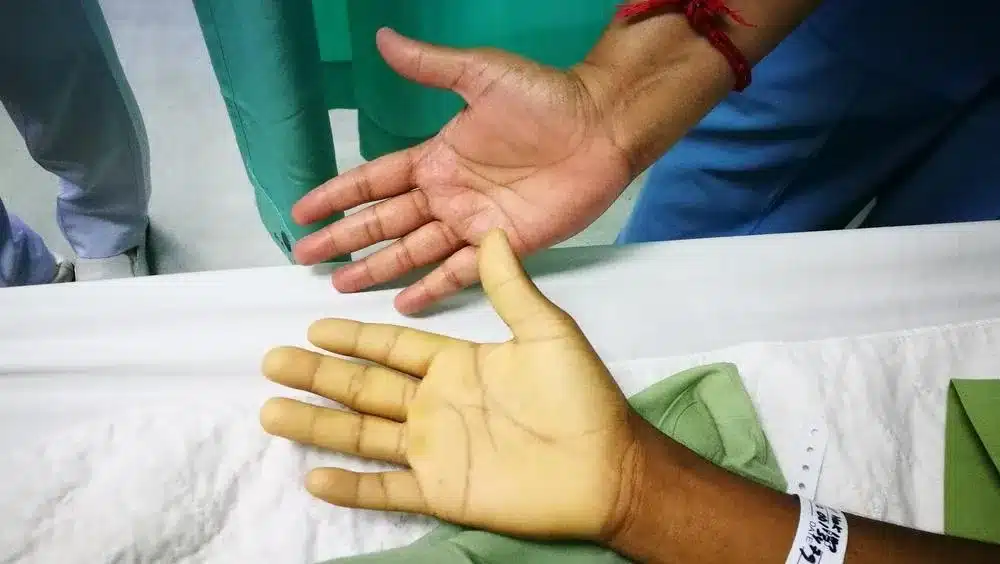
The signs of iron deficiency can be clear. Fatigue and weakness are common because the body’s cells don’t get enough oxygen. You might also notice pale skin, shortness of breath, and dizziness.
In severe cases, people might lose hair and experience restless leg syndrome.
Iron is key for carrying oxygen and supporting the body. Low iron levels mean these functions don’t work right, causing the symptoms.
Cognitive and Emotional Effects
Iron deficiency affects more than just the body. It can mess with your mind and mood. You might feel brain fog, trouble concentrating, and memory problems. It can also cause mood swings, irritability, and even depression.
The connection between iron and brain function is deep. Iron helps make neurotransmitters and supports the brain. Getting enough iron is key for both physical and mental health.
5 Unusual Signs You Might Be Missing
There are unusual signs of iron deficiency that are often missed. These include:
- Unusual cravings: Some people crave non-food items, a condition called pica.
- Spoon-shaped nails: This is called koilonychia, where nails become thin and concave.
- Cracks at the corners of the mouth: Known as angular cheilitis, this can be a sign of iron deficiency.
- A swollen tongue: Iron deficiency can cause the tongue to become inflamed and swollen.
- Cold hands and feet: Poor circulation due to iron deficiency can lead to cold extremities.
Spotting these unusual signs can help you catch iron deficiency early. If you notice several of these symptoms, see a doctor.
The Iron Absorption Process Explained
The process of iron absorption is complex and involves multiple factors within the digestive system. Iron is an essential nutrient that plays a critical role in various bodily functions, including oxygen transport, energy production, and immune function.
How Your Digestive System Processes Iron
Iron absorption mainly happens in the duodenum, the first part of the small intestine. The digestive system breaks down food, releases iron, and absorbs it into the bloodstream. The efficiency of this process can be influenced by various factors, including the type of iron consumed and the presence of other nutrients.
When we eat iron-rich foods, the iron is released during digestion. The acidic stomach environment helps solubilize non-heme iron, making it more available for absorption in the small intestine.
Heme vs. Non-Heme Iron: Absorption Differences
There are two main forms of dietary iron: heme iron and non-heme iron. Heme iron, found in animal products such as meat, poultry, and fish, is more easily absorbed by the body compared to non-heme iron, which is found in plant-based foods like beans, lentils, and fortified cereals. Heme iron absorption rates range from 15% to 35%, while non-heme iron absorption rates are typically lower, ranging from 2% to 10%.
The difference in absorption efficiency between heme and non-heme iron is significant. It affects how much iron the body can utilize from different dietary sources. Understanding these differences can help individuals make informed choices about their diet to optimize iron intake.
The Role of Stomach Acid in Iron Absorption
Stomach acid plays a critical role in iron absorption, mainly for non-heme iron. The acidic environment of the stomach helps convert non-heme iron into a more soluble form. This form is then more easily absorbed in the small intestine. Individuals with reduced stomach acid, such as those taking antacids or acid reducers, may be at risk of impaired iron absorption.
Maintaining a healthy balance of stomach acid is essential for optimal iron absorption. This highlights the importance of considering the broader context of digestive health when addressing iron deficiency.
Chronic Blood Loss: A Primary Cause of Iron Depletion
Chronic blood loss is a main reason for iron deficiency. It happens when the body loses red blood cells that carry iron. This can lead to iron deficiency anemia, causing fatigue, weakness, and shortness of breath.
Menstruation and Its Impact on Iron Stores
Menstruation is a big source of blood loss for women of childbearing age. The monthly blood loss can deplete iron stores over time. Women with heavy or long periods are more at risk of iron deficiency.
We suggest women with heavy bleeding talk to their doctor about their iron levels. They can discuss treatments to reduce this loss.
Gastrointestinal Bleeding: Silent Iron Drainer
Gastrointestinal bleeding is another common cause of iron loss. It can be due to ulcers, gastritis, or even colorectal cancer. Often, this bleeding is not visible, making regular check-ups important.
Other Sources of Blood Loss to Consider
Other causes of chronic blood loss include frequent blood donation, trauma, surgery, and certain medical conditions. It’s key to know these sources and talk to a doctor if you’re worried about iron deficiency.
Understanding chronic blood loss and its effect on iron levels helps prevent deficiency. This includes changing your diet, taking iron supplements, and treating the cause of blood loss.
Gastrointestinal Disorders Affecting Iron Uptake
Gastrointestinal disorders can make it hard for the body to absorb iron. This can lead to a lack of iron over time. The gut is key for absorbing nutrients, and problems here can cause big issues.
Celiac Disease and Intestinal Malabsorption
Celiac disease is an autoimmune disorder that makes the immune system react to gluten. This reaction causes inflammation and damage in the small intestine. This damage stops the intestine from absorbing nutrients, including iron. People with celiac disease often have iron deficiency because of this.
Management of celiac disease involves:
- Following a strict gluten-free diet to heal the intestine.
- Taking iron and other nutrient supplements to make up for what’s missing.
- Checking nutritional status and intestinal health regularly.
Inflammatory Bowel Conditions
Inflammatory bowel disease (IBD), like Crohn’s disease and ulcerative colitis, can also affect iron absorption. The chronic inflammation in the gut can damage the areas where nutrients are absorbed.
Strategies for managing iron deficiency in IBD include:
- Controlling inflammation with medication and lifestyle changes.
- Making sure to get enough iron through diet or supplements.
- Regularly checking iron levels to adjust treatment as needed.
Bariatric Surgery Complications
Bariatric surgery can help with weight loss but can also lead to nutritional deficiencies, including iron deficiency. The changed digestive tract can make it harder to absorb iron.
|
Bariatric Surgery Type |
Impact on Iron Absorption |
Management Strategies |
|---|---|---|
|
Roux-en-Y Gastric Bypass |
Reduced absorption due to bypassed intestinal segment. |
Iron supplementation, vitamin C to enhance absorption. |
|
Sleeve Gastrectomy |
Potential reduction due to decreased stomach acid. |
Monitoring iron levels, dietary adjustments. |
H. Pylori Infection and Reduced Absorption
H. pylori infection can cause chronic gastritis and reduce iron absorption. This is because it lowers stomach acid production. Stomach acid is needed to turn dietary iron into a form that’s easier to absorb.
Treatment involves:
- Antibiotic therapy to get rid of H. pylori.
- Supplementation with iron and vitamin C to help absorption.
Medications That Interfere With Iron Absorption
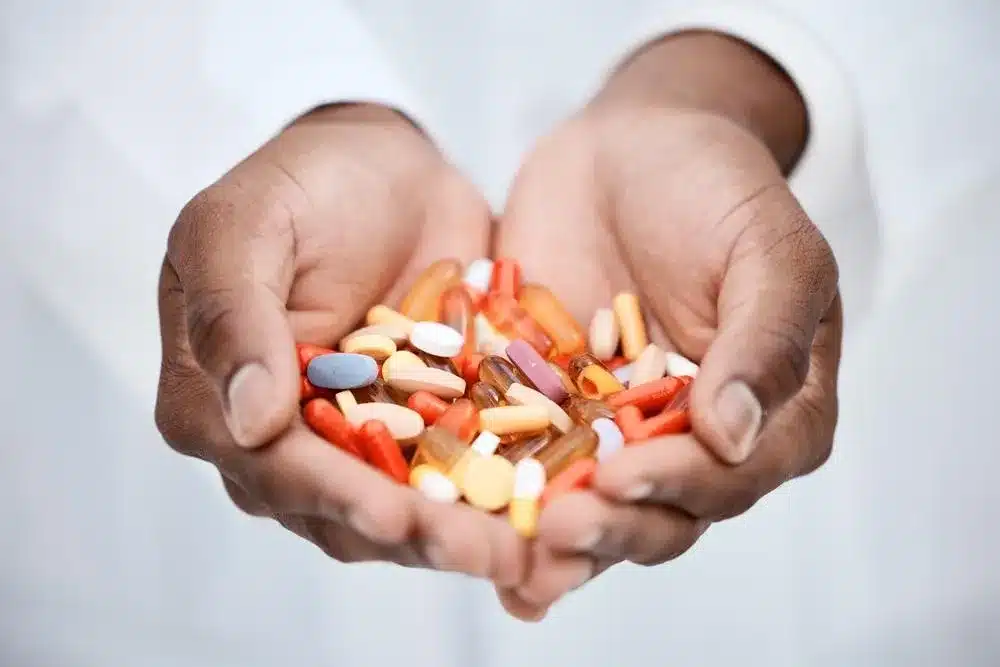
Some medicines can make it hard for our bodies to take in iron. This is a big deal because iron is key for carrying oxygen and making energy. Without enough iron, we might feel tired or weak.
Acid Reducers and Antacids
Medicines that cut down stomach acid, like proton pump inhibitors (PPIs) and antacids, can mess with iron absorption. Our stomach acid helps turn iron into a form our body can use. Without enough acid, this process doesn’t work as well.
Common acid reducers include:
- Omeprazole (Prilosec)
- Lansoprazole (Prevacid)
- Esomeprazole (Nexium)
Antibiotics and Their Effects
Some antibiotics can change the balance of bacteria in our gut. This balance is important for iron absorption. If it gets out of whack, we might not get enough iron, leading to deficiency.
|
Antibiotic Class |
Examples |
Potential Impact on Iron Absorption |
|---|---|---|
|
Fluoroquinolones |
Ciprofloxacin (Cipro), Levofloxacin (Levaquin) |
Alters gut microbiota |
|
Macrolides |
Erythromycin, Azithromycin (Zithromax) |
Changes gut flora composition |
Other Prescription Medications to Watch
Other medicines can also affect how well we absorb iron. These include:
- Cholestyramine (Questran): A bile acid sequestrant that can bind to iron and reduce its absorption.
- Orlistat (Alli, Xenical): A weight loss medication that can impair fat-soluble vitamin absorption, potentially affecting iron uptake indirectly.
Talking to your doctor about your medicines is important if you’re worried about iron levels. They can help find ways to avoid problems and suggest other treatments if needed.
Dietary Factors Limiting Iron Intake and Absorption
What we eat greatly affects how well our body absorbs iron. The right foods can help keep our iron levels up. But, the wrong choices can lead to iron deficiency.
Plant-Based Diets: Challenges and Solutions
Eating plants can make it hard to get enough iron. Non-heme iron in plants isn’t as easily absorbed as heme iron in meat. Yet, it’s not impossible to get enough iron on a plant-based diet.
To improve iron absorption, eat foods high in vitamin C with iron-rich plants. For instance, orange juice with a meal can really help.
Tips for Vegetarians and Vegans:
- Include vitamin C-rich foods in meals to enhance non-heme iron absorption.
- Cook in cast-iron cookware to increase iron intake, specially when cooking acidic foods like tomatoes.
- Avoid consuming tea and coffee with meals, as they can inhibit iron absorption.
Foods and Beverages That Block Iron Absorption
Some foods and drinks can make it harder for our body to absorb iron. Knowing which ones to limit can help keep iron levels healthy.
|
Food/Beverage |
Effect on Iron Absorption |
|---|---|
|
Coffee |
Reduces non-heme iron absorption by up to 60% if consumed with a meal. |
|
Tea |
Can decrease iron absorption due to its tannin content. |
|
Calcium-rich foods |
Inhibit both heme and non-heme iron absorption when consumed together with iron-rich foods. |
|
Phytates (found in whole grains, legumes, nuts, and seeds) |
Can significantly reduce non-heme iron absorption. |
Inadequate Consumption of Iron-Rich Foods
Not eating enough iron-rich foods is a common reason for iron deficiency. Both heme and non-heme iron are important for good iron levels.
Heme Iron Sources: Red meat, poultry, fish, and seafood are great for heme iron, which is easier for the body to absorb.
Non-Heme Iron Sources: Legumes, lentils, fortified cereals, spinach, and other leafy greens are key for those on a plant-based diet.
Adding a variety of iron-rich foods to your diet and being aware of how to improve iron absorption can greatly boost your iron levels.
High-Risk Groups for Iron Absorption Problems
Iron deficiency can hit anyone, but some groups face a higher risk. This is because of their special health needs or conditions. Knowing who’s at risk is key to helping them manage iron deficiency better.
Women During Reproductive Years
Women under 50, and those with heavy periods, are more likely to lack iron. Losing blood each month can slowly drain their iron stores. This can lead to deficiency if they don’t get enough from food or supplements.
Pregnancy and Increased Iron Demands
Pregnant people need more iron because of the growing fetus and increased blood. If they don’t get enough, they might develop iron deficiency.
Children and Adolescents in Growth Phases
Young ones grow fast, and they need iron to support their blood and growth. Getting enough iron is vital for their health.
Older Adults with Changing Nutritional Needs
As people age, their nutritional needs and how they absorb nutrients can change. Things like stomach issues, medicines, and eating less can raise their risk of iron deficiency.
Spotting and understanding these high-risk groups helps doctors give better advice. This can improve their iron levels and health overall.
Diagnostic Approaches for Iron Deficiency
Diagnosing iron deficiency means checking the body’s iron levels and other health signs. It uses specific tests. Finding iron deficiency needs a detailed look at lab tests and health checks.
Complete Blood Count and Iron Panel Tests
A Complete Blood Count (CBC) is often the first test for iron deficiency. It looks at blood components like hemoglobin and hematocrit. These show if you have anemia. An gives more details on iron levels.
The iron panel checks serum iron, total iron-binding capacity (TIBC), and transferrin saturation. These tests show how much iron the body uses and how it carries iron in the blood.
|
Test |
Description |
Significance in Iron Deficiency Diagnosis |
|---|---|---|
|
Serum Iron |
Measures the amount of iron in the blood. |
Low levels indicate depleted iron stores. |
|
Total Iron-Binding Capacity (TIBC) |
Measures the total capacity of the blood to bind iron. |
High levels suggest iron deficiency. |
|
Transferrin Saturation |
Calculates the percentage of transferrin that is saturated with iron. |
Low saturation indicates insufficient iron for erythropoiesis. |
Ferritin Levels and Iron Storage Assessment
Ferritin stores iron, and checking ferritin levels is key. Low ferritin levels show iron deficiency, even before symptoms show.
“Ferritin reflects the stored iron in the body, making it a critical marker for diagnosing iron deficiency.”
—Hematologist
Additional Tests to Identify Underlying Causes
After diagnosing iron deficiency, more tests might be needed. These find the cause of the deficiency. Tests look for bleeding, celiac disease, or other issues.
- Gastrointestinal endoscopy to check for internal bleeding or inflammation.
- Blood tests to diagnose conditions like celiac disease or H. pylori infection.
- Colonoscopy to detect colon cancer or polyps.
When to Consult a Healthcare Provider

If you think you have iron deficiency, see a healthcare provider. They help with tests and treatment plans. Early action helps a lot.
Don’t wait to check your iron levels. Medical advice is key for better health.
Medical Treatments for Iron Deficiency
Medical treatments for iron deficiency aim to restore iron levels and improve health. If left untreated, iron deficiency can cause anemia and serious health problems. There are many effective treatments, from dietary changes to medical interventions.
Oral Iron Supplement Options
Oral iron supplements are often the first treatment for iron deficiency. They come in different forms like ferrous sulfate, ferrous gluconate, and ferrous fumarate. It’s important to choose the right type of iron, dosage, and consider side effects.
- Ferrous Sulfate: It’s a common choice because of its high iron content and low cost.
- Ferrous Gluconate: It’s easier on the stomach, with fewer side effects.
- Ferrous Fumarate: It has more iron than ferrous sulfate, making it a popular choice.
To improve absorption, take oral iron supplements on an empty stomach or with vitamin C. But, some people might get stomach problems like constipation or nausea. Taking it with food or switching types can help.
Intravenous Iron Therapy: When and Why
Intravenous (IV) iron therapy is for those who can’t take oral supplements, have severe deficiency, or need iron fast. IV therapy delivers iron directly into the blood, skipping the stomach.
The benefits of IV iron therapy include:
- Rapid Correction: It quickly boosts iron levels and relieves symptoms.
- Effective for Severe Cases: Great for those with serious deficiency or who can’t take oral supplements.
- Reduced Gastrointestinal Side Effects: It avoids the stomach, reducing side effects from oral supplements.
Addressing Root Causes for Long-term Resolution
While supplements and IV therapy treat iron deficiency, fixing the cause is key for lasting results. This might mean:
- Diagnosing and Treating Underlying Conditions: Like bleeding, celiac disease, or menstrual issues.
- Dietary Adjustments: Eating more iron-rich foods and improving absorption through diet.
- Managing Chronic Blood Loss: Finding and stopping ongoing blood loss to prevent it again.
Managing Side Effects of Iron Treatment
Iron treatments are usually effective but can have side effects. It’s important to manage these to stick with treatment. Common issues include stomach problems like constipation, nausea, and pain.
Ways to handle side effects include:
- Dose Adjustment: Lowering the dose or switching to a different iron type.
- Taking Supplements with Food: This may lower absorption but can ease stomach side effects.
- Supportive Care: Using laxatives or anti-nausea meds as needed.
Optimizing Your Diet for Maximum Iron Absorption
To fight iron deficiency, focus on improving how your body absorbs iron. What you eat greatly affects your iron levels. Making smart food choices is vital for your health.
Top Sources of Highly Absorbable Heme Iron
Heme iron, found in animal products, is better absorbed than non-heme iron. Red meat, poultry, and seafood are great sources. Here are some specific foods:
- Red Meat: Beef, lamb, and liver are packed with heme iron.
- Poultry: Chicken and turkey have heme iron, but less than red meat.
- Seafood: Clams, oysters, and sardines are rich in heme iron and other nutrients.
Plant-Based Iron Sources and Enhancement Strategies
For those on a plant-based diet, non-heme iron sources are available. They need help to be absorbed better. Legumes, beans, lentils, and fortified cereals are good options. To improve absorption:
- Vitamin C: Eating foods high in vitamin C (like citrus fruits, bell peppers, and tomatoes) with non-heme iron boosts absorption.
- Cooking in Cast Iron: Cooking in cast-iron cookware increases iron intake, more so with acidic foods like tomatoes.
Vitamin C and Other Nutrients That Boost Iron Uptake
Certain nutrients help iron absorption. Vitamin C is known for increasing non-heme iron absorption. Vitamin A and beta-carotene also support iron metabolism.
Meal Planning for Iron Efficiency
Effective meal planning can significantly enhance iron intake and absorption. Here are some tips:
- Combine Iron Sources with Enhancers: Pair non-heme iron sources with vitamin C-rich foods.
- Avoid Inhibitors: Know that tea, coffee, and calcium-rich foods can lower iron absorption when eaten with iron-rich foods.
- Diversify Your Diet: Include a variety of iron-rich foods and absorption enhancers to keep iron levels healthy.
By using these dietary strategies, you can improve iron absorption and lower deficiency risk. A well-planned diet, understanding nutrient interactions, is key to healthy iron levels.
Lifestyle Strategies to Improve Iron Status
Keeping iron levels right is key for good health. Making lifestyle changes can really help. Knowing how different things affect iron absorption and health helps us make better choices.
Timing of Supplements for Optimal Absorption
When you take iron supplements matters a lot. It’s best to take them on an empty stomach because food can block absorption. But, if you get stomach problems, try taking them with a little food.
Avoiding Inhibitors of Iron Absorption
Some foods and drinks can stop iron from being absorbed. For example, foods high in calcium like milk and cheese can lower iron absorption. Also, coffee and tea can block iron absorption because of their antioxidants.
Exercise Considerations for Iron Balance
Exercise is good for you, but it can also affect iron levels. Hard workouts can make you lose more iron, which is a big deal for athletes. So, if you work out a lot, keep an eye on your iron levels.
Stress Management and Digestive Health
Too much stress can hurt your digestion and iron absorption. Try stress-reducing activities like meditation, yoga, and deep breathing to help. Also, eating foods high in fiber and probiotics can keep your gut healthy and improve iron absorption.
Lifestyle changes are important for good iron levels. Adjusting when you take supplements, watching what you eat, thinking about exercise, and managing stress can all help. These steps support your iron health.
Conclusion: Taking Control of Your Iron Health
Knowing how important iron is for your health is key. Iron deficiency can cause anemia, affecting millions. By understanding the causes and symptoms, and making dietary and lifestyle changes, you can manage your iron levels.
Eating foods rich in iron is a good start. Adding vitamin C can help your body absorb more iron. But, avoid drinking tea and coffee as they can block iron absorption. If you have iron deficiency, your doctor might suggest supplements or intravenous therapy.
Learning about iron health and anemia management helps you make better health choices. By being proactive, you can boost your iron levels and improve your health. This reduces the risk of iron deficiency complications.
FAQ
What are the common symptoms of iron deficiency?
Symptoms of iron deficiency include feeling tired and weak. You might also have pale skin and feel short of breath. Dizziness and mood changes like irritability and depression are common too.
How is iron deficiency diagnosed?
Doctors use several methods to diagnose iron deficiency. Doctors review your medical history and conduct blood tests to assess your iron levels. These tests check for iron levels and how well your body uses it.
What are the different types of iron deficiency?
There are two main types. Absolute iron deficiency means your body has no iron. Functional iron deficiency means your body has iron but can’t use it well.
Can certain medications interfere with iron absorption?
Yes, some medicines can stop your body from absorbing iron. This includes acid reducers and antibiotics. Always talk to your doctor about how these medicines affect iron.
How can I improve my iron absorption through diet?
Eating foods high in iron helps. Include red meat, poultry, fish, and fortified cereals in your diet. Vitamin C, found in fruits and veggies, boosts iron absorption. Avoid tea, coffee, and milk as they can block iron.
Are there any high-risk groups for iron deficiency?
Yes, some groups are at higher risk. Women, pregnant women, kids, and older adults are more likely to have iron deficiency. This is because their bodies need more iron.
What are the treatment options for iron deficiency?
Treatment includes iron supplements and intravenous iron. Your doctor will help find the best treatment for you. They’ll also guide you on managing any side effects.
Can lifestyle changes help improve iron status?
Yes, making lifestyle changes can help. Take supplements at the right time, exercise, and manage stress. Eating well and staying healthy also supports iron levels.
What is the difference between heme and non-heme iron?
Heme iron, from animal products, is easier for the body to absorb. Non-heme iron, from plants, needs vitamin C to be absorbed better.
Can iron deficiency lead to anemia?
Yes, iron deficiency can cause anemia if not treated. Anemia means your body doesn’t have enough red blood cells to carry oxygen.
How can I prevent iron deficiency?
To prevent iron deficiency, eat a balanced diet with iron-rich foods. Avoid losing too much blood and manage health conditions. Regular health check-ups are also important.
References:
• National Heart, Lung, and Blood Institute. (2024). About 1 in 4 Americans may have inadequate iron intake or absorption. https://www.nhlbi.nih.gov/news/2024/about-1-4-americans-may-have-inadequate-iron-intake-or-absorption
• National Institutes of Health. (n.d.). Iron – Health Professional Fact Sheet. https://ods.od.nih.gov/factsheets/Iron-HealthProfessional/
• JAMA Network. (n.d.). Patient Information: Iron Deficiency. https://jamanetwork.com/journals/jama/fullarticle/2837949
• American Medical Association. (n.d.). What doctors wish patients knew about iron deficiency. https://www.ama-assn.org/public-health/prevention-wellness/what-doctors-wish-patients-knew-about-iron-deficiency
• UNICEF. (n.d.). Nutrition | UNICEF. https://www.unicef.org/nutrition/index_iron_deficiency.html