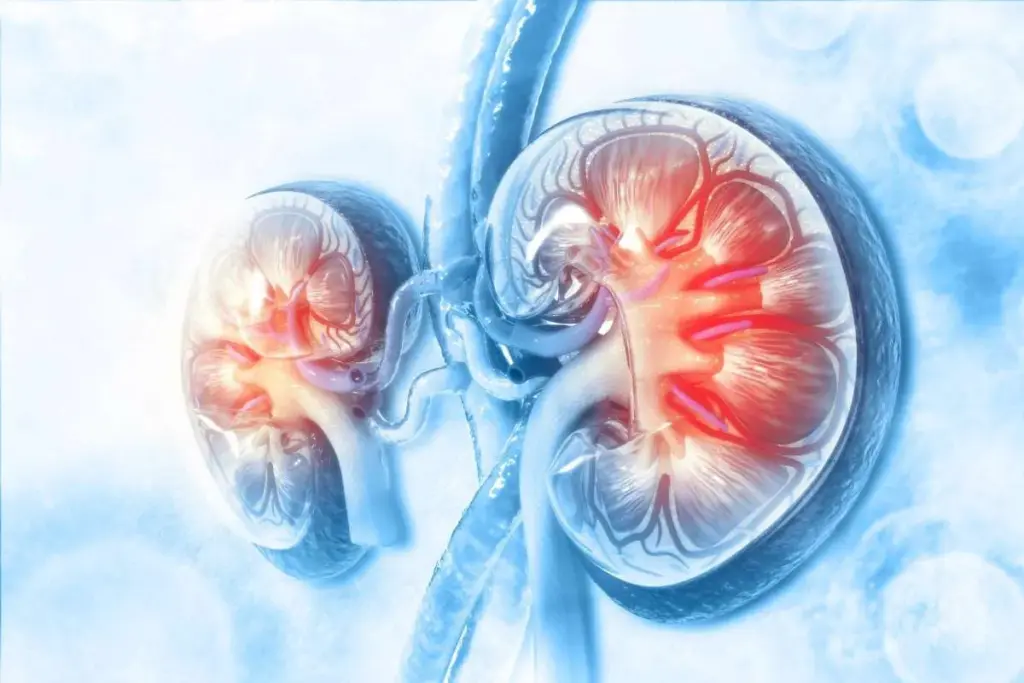
Iron deficiency can show up in many ways, and one of the first signs is often seen on our skin. At Liv Hospital, we know how important it is to spot these signs early. This helps prevent bigger problems. Low iron can cause skin to look pale, feel dry, and bruise easily.
When iron levels go down, our bodies can’t carry oxygen as well. This affects the skin’s health and energy. Knowing the signs of low iron helps people take action to get diagnosed and treated.
Key Takeaways
- Low iron levels can cause visible changes in the skin.
- Early signs include pallor, dryness, and increased bruising.
- Iron plays a key role in keeping skin healthy.
- Spotting these signs early can lead to quick diagnosis and treatment.
- Liv Hospital is dedicated to caring for patients with iron deficiency.
Understanding Iron Deficiency and Its Effects
Iron is key for our bodies to work properly. It helps make hemoglobin, which carries oxygen. Without enough iron, our bodies can’t carry oxygen well.
The Critical Role of Iron in Your Body
Iron is vital for making hemoglobin. This protein is essential for oxygen transport. Without enough iron, our bodies can’t carry oxygen well.
“Iron is a critical component of hemoglobin, and its deficiency can significantly impact the body’s ability to transport oxygen, leading to fatigue, weakness, and other health issues.”
-Experts highlight
Iron also boosts our immune system and helps with hormone production. It’s important for healthy skin, hair, and nails. Low iron can cause fatigue, weakness, and skin changes.
How Low Iron Affects Hemoglobin and Oxygen Transport
Low iron means less hemoglobin. This makes it hard for oxygen to reach our tissues and organs. Without enough oxygen, we can feel tired and weak.
Signs include dizziness, shortness of breath, and pale skin. Severe cases can harm our hearts and brains. Our bodies work harder to get oxygen, straining our hearts.
It’s important to spot iron deficiency early. Knowing how iron helps our bodies can help us stay healthy. We can take steps to keep our iron levels up.
Recognizing Anemia Skin: 10 Visible Signs to Watch For
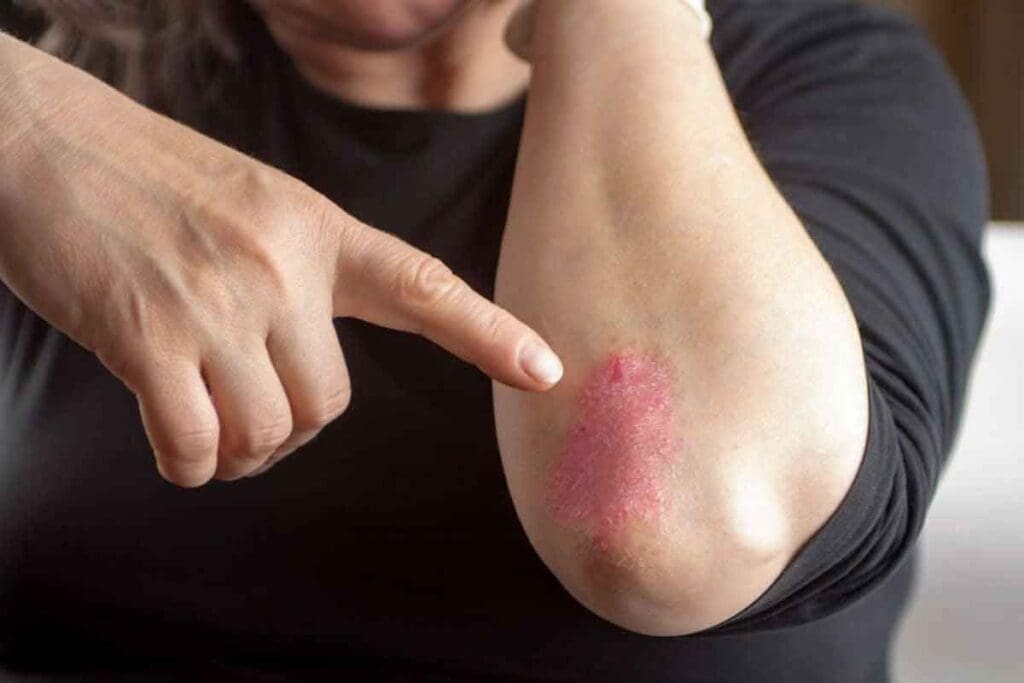
The skin can show signs of anemia, like changes that need attention. These changes happen because iron levels are low. This affects how much oxygen gets to the skin.
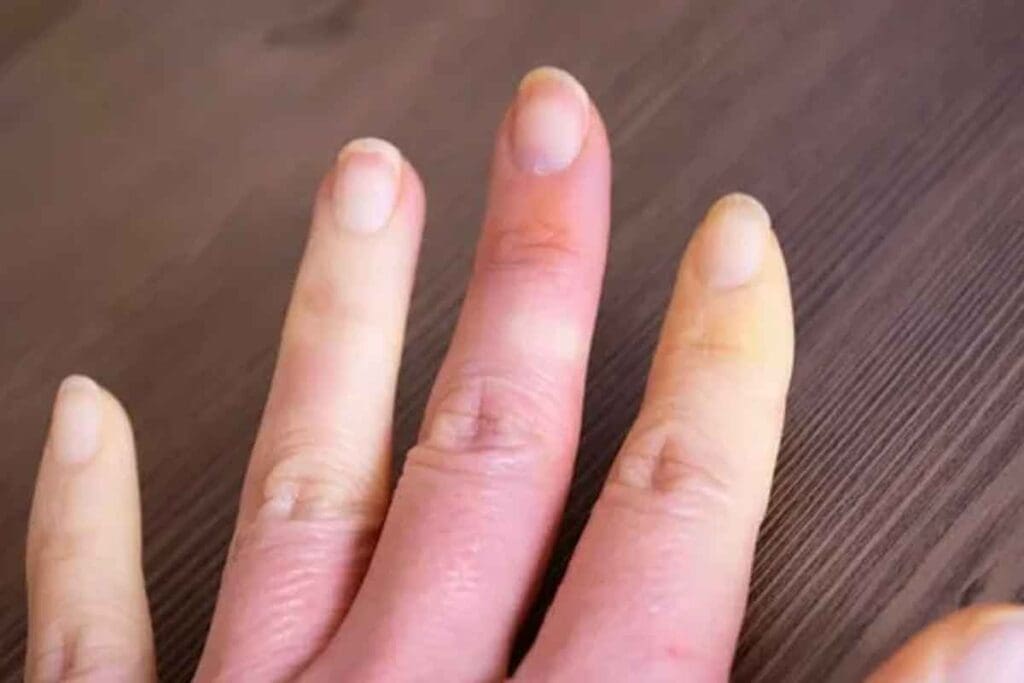
1. Unusual Paleness or Pallor
One common sign is unusual paleness or pallor. This happens when there aren’t enough red blood cells. Paleness is often seen in the face, palms, and nail beds.
2. Dull or Lackluster Complexion
A dull complexion can also be a sign. When the skin doesn’t glow, it might mean iron levels are low. Healthy iron levels are key for a bright complexion.
3. Excessive Dryness and Flaking
Excessive dryness and flaking are signs of anemia too. Low iron makes it hard for the skin to retain moisture. Hydration is important, but iron deficiency must be fixed.
4. Easy Bruising and Slow Healing
Easy bruising and slow healing are other signs. Iron is important for healing, and a lack of it slows down the body’s repair. Unexplained bruising should make you check your iron levels.
Spotting these signs early can lead to getting medical help sooner. Knowing the signs of anemia skin helps keep iron levels healthy. This is important for overall well-being.
Beyond the Skin: Other Critical Symptoms of Low Iron
Low iron can cause many symptoms beyond what you see on your skin. It affects your energy, brain function, and how well you move. Iron is key for these important body functions.
Fatigue and Weakness
Fatigue and weakness are common signs of low iron. When iron is low, your body can’t carry enough oxygen. This makes you feel tired and weak. It can make everyday tasks hard.
Here are some ways low iron can affect you:
- It can make you less productive at work or school.
- You might find it hard to do daily tasks.
- You might not feel like doing things you used to enjoy.
Cognitive Effects and Mood Changes
Low iron can also mess with your brain and mood. Inadequate iron can make it hard to focus, remember things, and make decisions. It can also cause mood swings, irritability, and even depression.
Here are some ways low iron can affect your mind and mood:
- You might have trouble focusing and paying attention.
- You might forget things more often.
- You might feel moody or irritable.
Reduced Exercise Tolerance
Iron is important for how well you do physically. Low iron can make it harder to exercise. Your muscles might not get enough oxygen, making it harder to do physical activities.
Here are some signs you might have low iron:
- You might get out of breath when you exercise.
- You might get muscle cramps or pains.
- It might take longer to recover after exercising.
It’s important to know these symptoms to catch low iron early. If you’re experiencing many of these, see a doctor. They can help figure out what’s going on and how to fix it.
What Can Low Iron Do to Your Body Long-Term?
Chronic iron deficiency can harm our health in many ways. Without enough iron, our bodies can’t work right. This can cause serious health problems over time.
Cardiovascular Strain and Heart Problems
Untreated iron deficiency can hurt our heart. Low iron levels make our heart work harder to get oxygen to our bodies. This can damage our heart, leading to bigger heart problems or even failure.
Iron is key for our heart health. Studies show iron deficiency anemia raises the risk of heart issues. Iron helps make hemoglobin, which carries oxygen to our muscles, including the heart.
Compromised Immune Function
Iron deficiency weakens our immune system. Iron helps our immune cells fight infections. Without enough iron, we get sick more easily.
- Increased risk of infections due to impaired immune function
- Reduced ability to fight off pathogens
- Potential for more severe and prolonged illnesses
Developmental Concerns in Children and Pregnancy
In kids and pregnant women, iron deficiency is very serious. In children, it can cause delays in growth and brain development. Iron is vital for brain health, and a lack can lead to long-term problems.
During pregnancy, iron deficiency raises the risk of preterm labor and low birth weight. It’s vital for pregnant women to keep their iron levels up for their health and baby’s growth.
- Regular prenatal care to monitor iron levels
- Dietary adjustments to include iron-rich foods
- Supplementation if necessary, under medical guidance
How to Check if Your Iron is Low
Checking for iron deficiency is easy with a blood test and some home checks. Doctors use blood tests to find out if you have low iron. These tests look at important signs of iron deficiency.
Essential Blood Tests for Iron Deficiency
To see if you have low iron, blood tests are key. They check serum ferritin and hemoglobin levels. Serum ferritin shows how much iron you have stored. Hemoglobin is a protein in red blood cells that carries oxygen.
“Blood tests are the most reliable method for diagnosing iron deficiency,” as they provide a clear indication of your body’s iron stores and help identify any potential deficiencies early on.
At-Home Assessment Methods and Limitations
While blood tests are the best way to find iron deficiency, some home tests can help. Look out for signs like fatigue, pale skin, and shortness of breath. But, these signs aren’t reliable enough to replace a doctor’s diagnosis.
Home tests can help you know if you might need to see a doctor. But, if you think you’re iron deficient, you should see a healthcare professional. They can give you a proper diagnosis and treatment plan.
“The diagnosis of iron deficiency anemia is based on laboratory tests, mainly a complete blood count (CBC) and serum ferritin level.”
NHS Guidelines
In short, home signs can make you think you need a doctor. But, only blood tests can really tell if you have an iron deficiency. They check serum ferritin and hemoglobin levels.
What to Do if You’re Iron Deficient
Discovering you’re iron-deficient means it’s time to take action. We’ll show you how to tackle iron deficiency. This includes changing your diet, using supplements, and seeking medical help.
Dietary Adjustments
First, focus on your diet. Eating iron-rich foods can boost your iron levels. These include red meat, poultry, fish, beans, lentils, and fortified cereals. Foods high in vitamin C, like citrus fruits and bell peppers, also help iron absorption.
Boosting iron intake through food is key to health. Talk to a healthcare provider or nutritionist to create a diet plan that fits you.
Iron Supplements
Iron supplements are often needed when diet changes aren’t enough. There are different types, like ferrous sulfate, ferrous gluconate, and iron citrate. The right one depends on your iron tolerance and deficiency level.
Always follow a healthcare provider’s advice on iron supplements. They can have side effects and interact with other drugs. Proper dosage and monitoring are essential for effective use.
Seeking Medical Treatment
If symptoms are severe or don’t get better with diet and supplements, see a doctor. Issues like chronic bleeding, celiac disease, or other gut problems may need attention.
A healthcare provider can give a full check-up and suggest the right treatment. Regular check-ups are important to keep track of your iron levels and adjust treatment if needed.
Conclusion
It’s important to notice skin changes and other signs of low iron early. We talked about how low iron can make your skin look different. This includes being paler, having a dull look, dry skin, and bruising easily.
These signs often come with other big symptoms like feeling very tired, weak, and having trouble thinking clearly. If not treated, low iron can cause serious problems. These include heart issues and a weakened immune system.
But, the good news is that iron deficiency anemia can be treated. Knowing the signs of low iron and getting help quickly can stop long-term harm. We urge everyone to watch for changes in their skin and seek medical help if they notice anything unusual.
FAQ
What are the common symptoms of low iron?
Symptoms of low iron include feeling very tired and weak. You might also notice your skin looks pale. Shortness of breath and dizziness are other signs.
Other symptoms include a dull skin look, dryness, and flaking. You might bruise easily and heal slowly too.
How does low iron affect the skin?
Low iron can make your skin look pale and dull. It can also cause dryness and flaking. Easy bruising is another sign.Iron is key for healthy skin. Without enough, you might face various skin issues.
What are the long-term effects of low iron on the body?
Long-term effects include heart problems and weakened immune function. Children and pregnant women might face developmental issues.If not treated, iron deficiency can cause serious health problems.
How can I check if my iron is low?
Blood tests can measure your iron levels. These tests check hemoglobin and ferritin. At-home methods can hint at low iron, but medical tests are needed for sure.
What can I do if I’m iron-deficient?
Eat more iron-rich foods and consider supplements. If needed, see a doctor for treatment. Always talk to a healthcare professional for the right plan.
Can low iron cause cognitive effects and mood changes?
Yes, low iron can affect your mind. You might find it hard to focus, have memory issues, and feel irritable. Iron is important for brain health.
How does iron deficiency affect exercise tolerance?
Iron deficiency makes it hard to carry oxygen to muscles. This leads to fatigue, weakness, and breathlessness during exercise.
What are the risks of untreated iron deficiency?
Untreated iron deficiency can harm your heart and immune system. It can also affect children’s and pregnant women’s development. Seek medical help quickly to avoid serious issues.
Can iron supplements help alleviate symptoms of low iron?
Yes, iron supplements can help with fatigue, weakness, and skin issues. But always talk to a doctor to find the right supplement for you.
References
Zubair, M., et al. (2010). The role of iron in the skin and cutaneous wound healing. (PubMed Central). https://pmc.ncbi.nlm.nih.gov/articles/PMC4091310/