
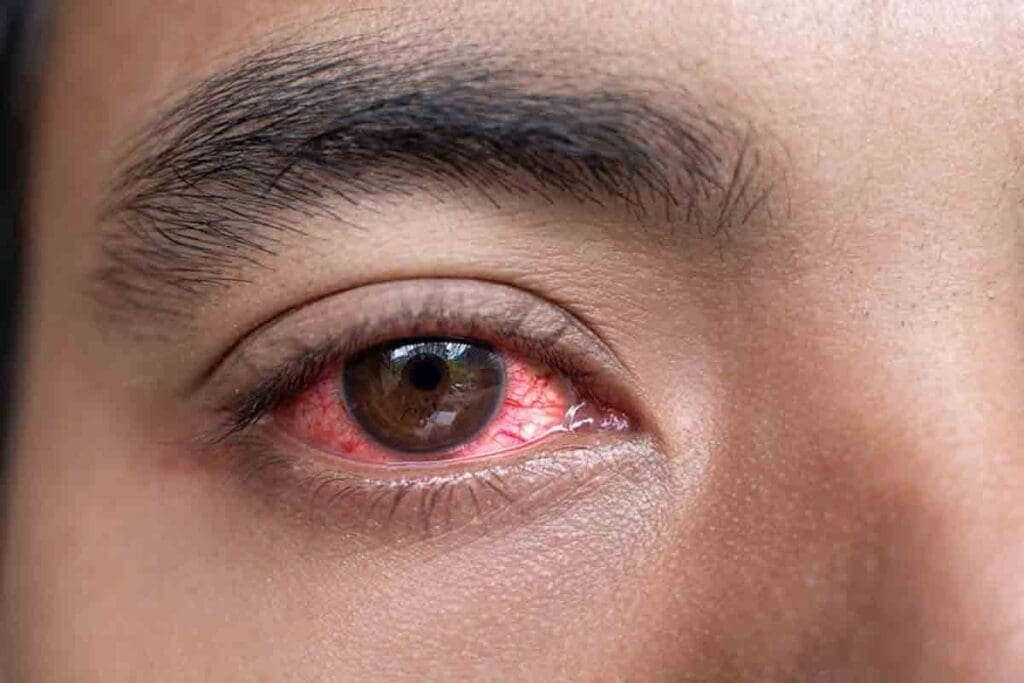
At LivHospital, we know how important it is to spot anemia early. This condition affects over 3 million Americans. Anemic blood color looks different from normal blood. Knowing these differences helps catch anemia early and manage it better.
The hemoglobin color scale is a key tool in clinics. It helps doctors check hemoglobin levels. This way, they can quickly see how severe anemia is by comparing blood colors to a standard scale.
We’ll look into how the hemoglobin color scale works. It’s important for spotting anemic blood color. This helps doctors diagnose and treat anemia more effectively.
Key Takeaways
- Anemia affects a significant portion of the American population.
- The hemoglobin color scale is a useful diagnostic tool.
- Understanding anemic blood color is vital for early detection.
- LivHospital is committed to providing complete care for anemia patients.
- The hemoglobin color scale helps figure out how severe anemia is.
The Normal Color of Blood and Its Components
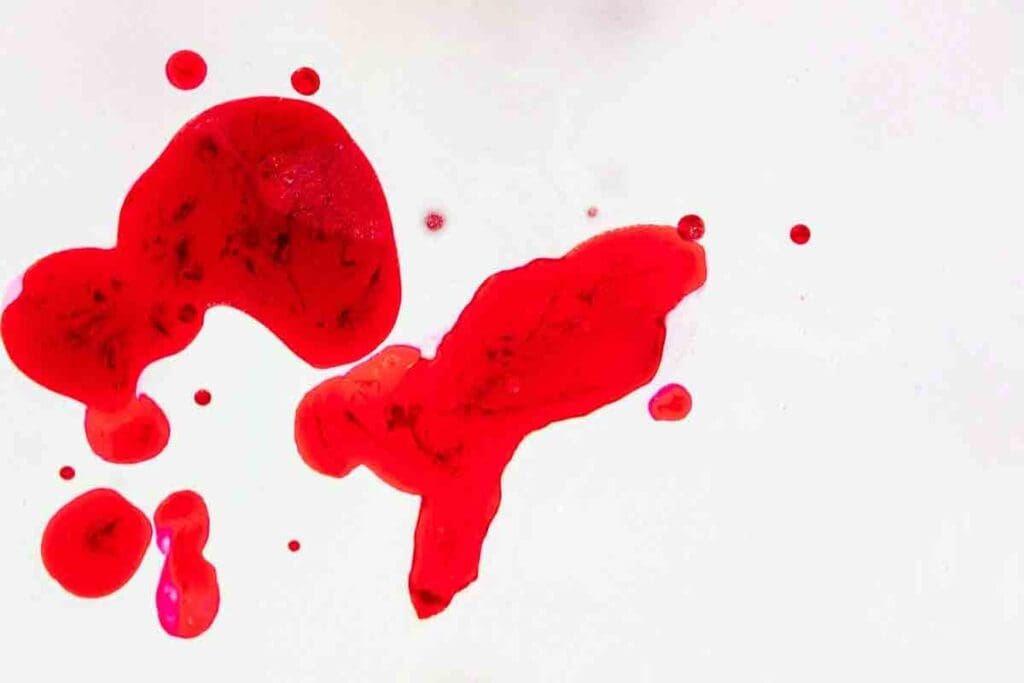
Hemoglobin is the protein that makes blood red. Its levels can change the color’s intensity. We’ll look at how hemoglobin affects blood’s color and other factors that play a role.
The Role of Hemoglobin in Blood Coloration
Hemoglobin is key in red blood cells, carrying oxygen. Its iron makes blood red. More hemoglobin means a deeper red, less means a paler shade.
Factors Affecting Healthy Blood Color
Many things can change blood color, including:
- Oxygenation levels: Blood rich in oxygen is brighter red.
- Hemoglobin concentration: Changes in hemoglobin levels can alter the color.
- Health conditions: Some diseases can change blood color by affecting hemoglobin or red blood cell production.
It’s important to understand these factors to spot health issues early. Knowing what normal blood color is and its variations helps us catch problems sooner.
Anemic Blood Color

Understanding anemic blood color is key to diagnosing and treating anemia. Anemic blood looks paler or lighter because it has less hemoglobin. This color change is a key sign that doctors look for to spot anemia.
Visual Characteristics of Blood in Anemia
Anemia is often seen in lighter-colored blood. Normal blood is rich and red because of its high hemoglobin. On the other hand, anemic blood is paler or washed out. This color change shows the blood’s hemoglobin level.
Comparing Normal vs. Anemic Blood Appearance
Normal and anemic blood look very different. Normal blood is bright red, while anemic blood is much paler. This color difference is important for doctors to diagnose anemia.
The color change between normal and anemic blood comes from hemoglobin levels. Hemoglobin is the protein in red blood cells that carries oxygen. Low hemoglobin levels mean the blood looks less vibrant, hinting at anemia.
The Relationship Between Hemoglobin and Blood Color
It’s important to know how hemoglobin and blood color are connected. Hemoglobin is a protein in red blood cells that carries oxygen. Its amount affects the color of our blood.
How Hemoglobin Creates Blood’s Red Hue
Hemoglobin makes blood red. When it binds with oxygen, it turns into oxyhemoglobin, making blood bright red. Without oxygen, it becomes deoxyhemoglobin, turning blood a deeper red. This cycle is key for healthy blood color.
The structure of hemoglobin helps it bind and release oxygen well. This process is vital for oxygen transport and blood color. The unique properties of hemoglobin make it essential for our blood system.
The Direct Correlation Between Hemoglobin Levels and Color Intensity
Hemoglobin levels directly affect blood color intensity. More hemoglobin means a deeper red, while less means paler blood. This is why anemia, with low hemoglobin, changes blood color.
Studies show that hemoglobin levels change blood color. Athletes or those at high altitudes often have more vibrant red blood. Those with less hemoglobin may have paler blood, showing health issues.
Healthcare professionals use this knowledge to diagnose and treat better. The hemoglobin color scale helps quickly check hemoglobin levels by blood color.
Types of Anemia and Their Distinctive Blood Characteristics
There are many types of anemia, each with its own causes and effects on blood. Knowing these differences is key for the right diagnosis and treatment.
Iron Deficiency Anemia
Iron deficiency anemia is the most common type, hitting women of childbearing age hard. It happens when the body doesn’t have enough iron for hemoglobin. This leads to fewer red blood cells and smaller, paler ones.
Key characteristics: Microcytic (small red blood cells), hypochromic (reduced hemoglobin content).
Hemolytic Anemia
Hemolytic anemia is when red blood cells break down too early. It can be due to infections, medicines, or autoimmune diseases.
Key characteristics: Elevated bilirubin levels, jaundice, and possibly an enlarged spleen.
Aplastic Anemia
Aplastic anemia is rare and serious, where the bone marrow can’t make enough blood cells. It might be caused by toxins, radiation, or certain drugs.
Key characteristics: Pancytopenia (low counts of red and white blood cells and platelets).
Sickle Cell Anemia
Sickle cell anemia is a genetic disorder that messes with hemoglobin production. It makes red blood cells misshapen and they break down early.
Key characteristics: Sickle-shaped red blood cells, chronic hemolysis, and possible vaso-occlusive crises.
| Type of Anemia | Causes | Blood Characteristics |
| Iron Deficiency Anemia | Lack of iron | Microcytic, hypochromic |
| Hemolytic Anemia | Premature RBC destruction | Elevated bilirubin |
| Aplastic Anemia | Bone marrow failure | Pancytopenia |
| Sickle Cell Anemia | Genetic disorder | Sickle-shaped RBCs |
The Hemoglobin Color Scale: Origins and Development
The hemoglobin color scale was made to help quickly check hemoglobin levels. It’s very useful in hospitals where fast and accurate tests are needed.
Historical Methods of Hemoglobin Assessment
Before, checking hemoglobin levels was hard and risky. Early methods included blood tests that needed lab work. These tests took a lot of time and could harm patients.
- Laboratory-based blood tests
- Invasive procedures requiring venipuncture
- Complex analytical techniques
These old methods worked but weren’t good for all situations. They were hard to use in places with less resources or in emergencies.
Creation of Standardized Color References
To make the hemoglobin color scale, people created color references for different hemoglobin levels. They did this by:
- Identifying a range of hemoglobin levels
- Correlating these levels with specific colors
- Standardizing these colors for reference
A key aspect was making sure the colors were accurate and could be trusted.
| Hemoglobin Level (g/dL) | Corresponding Color | Clinical Interpretation |
| 12-15 | Deep Red | Normal |
| 9-11 | Light Red/Pink | Mild Anemia |
| 6-8 | Pale Pink | Moderate Anemia |
| <6 | Very Pale | Severe Anemia |
The hemoglobin color scale has made checking hemoglobin levels easier. It’s a big help in many medical settings. Its creation has greatly improved how we quickly and accurately check for anemia.
Clinical Applications of the Hemoglobin Color Scale
The hemoglobin color scale is key in clinics for fast and accurate hemoglobin checks. It helps doctors quickly spot and track anemia, which is vital in places with limited resources.
Step-by-Step Assessment Process
Using the hemoglobin color scale is easy. Just a drop of blood is put on a special strip or card. Then, the blood color is matched to the scale’s colors. This tells doctors the hemoglobin level.
This method is simple and doesn’t need much training. It can be done right at the bedside or in clinics.
Interpreting Results on the Scale
Figuring out the results is straightforward. The blood color is matched to the closest color on the scale. Each color shows a different hemoglobin level.
By finding the matching color, doctors can see the patient’s hemoglobin level. This is key for diagnosing anemia, tracking treatment, and making important decisions.
Settings Where the Scale Proves Most Valuable
The hemoglobin color scale is very useful in many places. It’s great in primary care, emergency rooms, and community clinics. It’s also perfect for use in places with few labs.
Its portability and simplicity make it great for fieldwork in remote or hard-to-reach areas. It’s also a great tool for teaching doctors about anemia.
This scale offers a fast, reliable, and affordable way to check hemoglobin levels. It helps healthcare systems better diagnose and manage anemia. Its uses keep growing, helping patients get better care in many different settings.
Accuracy and Limitations of Visual Hemoglobin Assessment
The hemoglobin color scale is a quick way to check hemoglobin levels. But, its accuracy is debated. It’s useful for a first look, but it’s not as reliable as lab tests.
Comparison with Laboratory Testing Methods
Labs use automated analyzers for precise hemoglobin tests. These tests are very accurate. The color scale, on the other hand, is more of a guess.
A study showed the color scale is good for a quick check. But, it’s not as precise as lab tests. Here’s a table with some study results:
| Study | Method | Correlation with Lab Results |
| Study A | Hemoglobin Color Scale | 0.85 |
| Study B | Laboratory Testing | 0.99 |
| Study C | Hemoglobin Color Scale | 0.78 |
Factors Affecting Accuracy
Several things can make the color scale less accurate. These include:
- Lighting conditions during assessment
- The observer’s interpretation of color
- The quality of the scale used
A healthcare worker said, “The color scale’s accuracy depends a lot on the lighting. It’s best to use it in standard light for better results.”
“The hemoglobin color scale is a useful tool, but it should be used with an understanding of its limitations.”
When Additional Testing Is Necessary
The color scale is good for a first check. But, sometimes, you need more precise tests. This is true for severe anemia or surgery.
In summary, the hemoglobin color scale has its limits. Yet, it’s useful for initial checks. Healthcare providers need to know its strengths and weaknesses.
Physical Signs of Anemia Beyond Blood Color
Doctors look at more than just blood color to spot anemia. Anemia is when you have low hemoglobin levels. It shows in different ways, so a full check-up is key to finding it.
Palmar Crease Pallor Assessment
One sign of anemia is palmar crease pallor. Doctors check the palmar creases on your hands. If they’re pale or white, it means your hemoglobin is low.
To check this, doctors ask you to stretch out your hands. Then, they look at the color of your palmar creases. This simple check tells a lot about your hemoglobin.
Conjunctival Pallor Evaluation
Conjunctival pallor is another important sign. It’s about looking at the white part of your eyes. If it’s pale, it could mean you have anemia.
Doctors gently pull down your lower eyelid to see the conjunctiva. They compare its color to a healthy one. If it’s too pale, it might mean you have anemia or something else.
Other Clinical Signs of Reduced Hemoglobin
There are more signs of anemia than just palmar and conjunctival pallor. These include:
- Fatigue and weakness
- Shortness of breath
- Dizziness or lightheadedness
- Cold hands and feet
- Headaches
These symptoms happen because your body’s tissues don’t get enough oxygen. Doctors check these signs and do tests to confirm anemia.
| Physical Sign | Description | Clinical Implication |
| Palmar Crease Pallor | Pale or white palmar creases | Significant reduction in hemoglobin |
| Conjunctival Pallor | Pale conjunctiva | Possible anemia or other conditions |
| Fatigue and Weakness | General feeling of tiredness | Insufficient oxygen delivery to tissues |
Anemia Statistics and Impact in the United States
Over 3 million Americans suffer from anemia, making it a big health problem. It affects different people in different ways. This makes it hard to tackle.
Prevalence Across Different Demographics
Anemia hits many groups in the US, with some facing higher risks. For example, women of childbearing age are more at risk because of menstrual blood loss and iron needs during pregnancy.
- Women, mainly those of childbearing age, have a higher rate of anemia.
- Children and teens are also at risk, often in low-income families.
- Older adults face a higher risk due to chronic diseases and poor nutrition.
Studies show anemia hits minority groups and those with lower incomes harder. This calls for special efforts to help them.
Economic and Health Burden
Anemia’s impact on the US economy and health is big. It can cause less productivity, higher healthcare costs, and worse health if not treated.
“Anemia is not just a minor condition; it has profound effects on the quality of life and economic productivity of affected individuals.”
National Screening and Prevention Initiatives
To fight anemia, the US has started many screening and prevention efforts. These aim to find at-risk groups, detect early, and promote prevention.
Some key efforts include:
- Public health campaigns for high-risk groups.
- Screening in doctor’s offices.
- Programs teaching about nutrition and preventing anemia.
By knowing the problem, its costs, and starting effective programs, we can lessen anemia’s impact in the US.
Modern Advances in Hemoglobin Assessment Technology
Modern technology has greatly improved how we measure hemoglobin. This has opened up new ways to diagnose and monitor anemia. These changes are making healthcare better by giving us more accurate and easy-to-use methods for checking hemoglobin levels.
Digital Hemoglobin Meters
Digital hemoglobin meters are a big step up in diagnosing anemia. These small devices let doctors quickly check hemoglobin levels right where they are. Key features include:
- Portability and ease of use
- Rapid results, often in less than a minute
- Minimally invasive, requiring only a small blood sample
- Calibration and quality control features to ensure accuracy
These meters are very useful in places where lab facilities are not available. They are also great for quick screenings.
Smartphone Applications for Anemia Screening
Smartphones have led to apps for screening anemia. These apps use the phone’s camera to check the color of the user’s eyes or nails. This gives an idea of their hemoglobin levels. Some benefits include:
- Non-invasive screening
- Accessibility, as many people own smartphones
- Potential for remote monitoring and telemedicine applications
While not as exact as lab tests, these apps are useful for quick checks. They are helpful in areas with limited healthcare access.
Non-Invasive Hemoglobin Measurement Devices
Non-invasive hemoglobin measurement devices are a new technology. They let us check hemoglobin without taking blood. These devices use light to estimate hemoglobin levels. Advantages include:
- Completely painless and non-invasive
- Potential for continuous monitoring
- Reduced risk of infection or other complications associated with blood sampling
As these technologies get better, we’ll see even more progress in fighting anemia. Adding artificial intelligence and machine learning to these devices will make them even more useful in healthcare.
Conclusion: The Importance of Early Anemia Detection
Spotting anemia early can really change a patient’s outcome. It lets doctors start treatment right away. Knowing how to spot anemic blood is key to catching it early.
The hemoglobin color scale is a big help in finding anemia. It lets doctors see the blood’s color and guess the hemoglobin levels. This makes diagnosing anemia more accurate.
It’s very important to find anemia early. Doing so can stop serious problems, help patients get better, and save money. As medical tech gets better, the hemoglobin color scale will keep being a key tool against anemia.
FAQ
What is the normal color of blood and what determines it?
Blood is usually red because of hemoglobin, a protein in red blood cells. This protein carries oxygen. The iron in hemoglobin makes blood red.
How does anemia affect the color of blood?
Anemia makes blood look lighter or more pale. This happens because there’s less hemoglobin. The color of blood depends on how much hemoglobin it has.
What is the hemoglobin color scale used for?
The hemoglobin color scale helps doctors guess hemoglobin levels. They compare a blood sample’s color to a standard. This helps diagnose anemia.
How accurate is the hemoglobin color scale compared to laboratory tests?
The hemoglobin color scale is useful but not as precise as lab tests. Things like lighting and who looks at the sample can affect its accuracy.
What are some common types of anemia and their causes?
There are several anemias. Iron deficiency anemia is common, often from not enough iron or blood loss. Hemolytic anemia is when red blood cells break down too fast. Aplastic anemia is when the bone marrow doesn’t make enough blood cells. Sickle cell anemia is a genetic disorder that affects hemoglobin.
How is the hemoglobin color scale used in clinical practice?
Doctors use the hemoglobin color scale to estimate hemoglobin levels. They compare a patient’s blood to the scale’s colors. This helps them understand how severe anemia is and what to do next.
What are some physical signs associated with anemia beside blood color?
Signs of anemia include palmar crease pallor and conjunctival pallor. People with anemia often feel tired, weak, and may get short of breath or dizzy. These symptoms show the body can’t carry enough oxygen.
How prevalent is anemia in the United States, and what is its impact?
Anemia is common in the US, affecting many people. It costs a lot and affects health, so there are efforts to screen and prevent it.
What advancements have been made in hemoglobin assessment technology?
New tech includes digital meters and apps for anemia screening. There are also devices that measure hemoglobin without a blood test. These make diagnosing anemia easier and more accurate.
Why is early detection of anemia important?
Finding anemia early is key to preventing problems and improving health. It helps find the cause and start treatment right away.
Reference
- Darshana, L. G. T. (2014). Validation of the WHO Hemoglobin Color Scale Method.



 Departments
 Related Videos
 Our Doctors
 News
News