

Every year, thousands of people worldwide face a serious condition called an aneurysm. But what is an aneurysm? It’s a bulge in a blood vessel that can burst, causing severe problems.
Knowing what causes an aneurysm is vital for staying safe. We’ll look at the risk factors and causes. This will help you protect your health.
Key Takeaways
- An aneurysm is a bulge or ballooning in a blood vessel.
- Rupture of an aneurysm can be life-threatening.
- Understanding triggers is key to prevention.
- Early detection is critical for effective treatment.
- Several risk factors contribute to aneurysm formation.
What Is an Aneurysm?
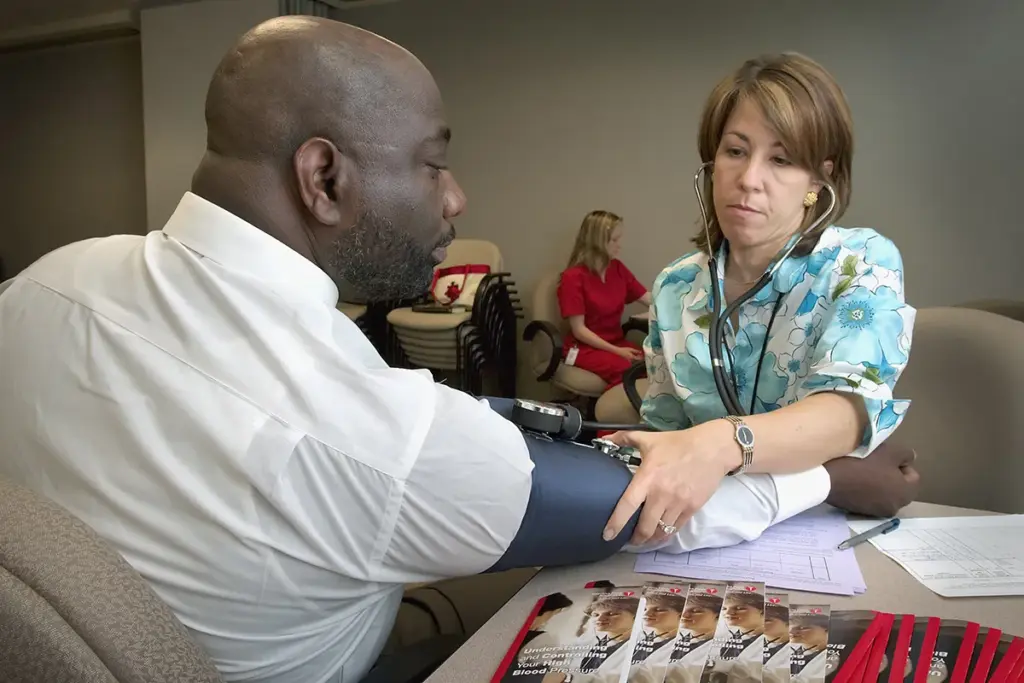
To understand the risks of aneurysms, we need to know what they are and how they form. An aneurysm is a bulge in a blood vessel that can happen anywhere in the body. If it bursts, it can cause severe bleeding, which is very dangerous.
Definition and Medical Explanation
An aneurysm is a bulge in a blood vessel caused by disease or a weak vessel wall. Aneurysms can be true or false. True aneurysms affect all layers of the vessel, while false aneurysms are caused by trauma or infection.
True aneurysms involve all three layers of the blood vessel. False aneurysms, or pseudoaneurysms, happen when there’s a leak in the vessel wall.
“Aneurysms are a significant cause of morbidity and mortality, particular when they rupture. Understanding their nature is key for effective management.”
How Aneurysms Develop in Blood Vessels
Aneurysms form due to factors that weaken blood vessel walls. High blood pressure is a major risk because it strains the vessel walls. Other causes include atherosclerosis, genetic conditions, and infections.
|
Factor |
Description |
Impact on Vessel Wall |
|---|---|---|
|
High Blood Pressure |
Increased pressure against the vessel walls |
Weakens the wall, making it susceptible to bulging |
|
Atherosclerosis |
Buildup of plaque on the inner lining |
Damages the wall, making it prone to aneurysm formation |
|
Genetic Conditions |
Inherited disorders affecting connective tissue |
Compromises the integrity of the vessel wall |
It’s important to recognize symptoms of an aneurysm, like severe headaches, nausea, and vision problems in a brain aneurysm. Early detection and treatment are critical.
Types of Aneurysms and Their Locations

It’s key to know about the different types of aneurysms to treat them well. Aneurysms can happen in many parts of the body. Where they are can change how serious they are.
Brain Aneurysms and the Basilar Artery
Brain aneurysms happen in the brain’s blood vessels. The basilar artery is a major concern because it’s near important brain areas. Basilar artery aneurysms are very serious.
The basilar artery starts from the two vertebral arteries at the brain’s base. Aneurysms here can cause subarachnoid hemorrhage if they burst. Symptoms include double vision, facial weakness, and trouble speaking.
Aortic and Peripheral Aneurysms
Aortic aneurysms are in the aorta, the biggest artery. They can be in the chest (thoracic) or belly (abdominal). Aortic aneurysms often don’t show symptoms until they burst. This makes it important to screen people at risk.
Peripheral aneurysms are in arteries not in the aorta, like the popliteal or femoral arteries. These can cause problems like limb ischemia or embolism if not treated right.
Brain Stem Aneurysms and Their Unique Risks
Aneurysms near the brain stem, like on the basilar artery, are very risky. If they burst, it can lead to serious problems like respiratory failure or death. Treating these aneurysms is very challenging.
It’s vital to find and treat aneurysms early, even in high-risk spots. New imaging and surgery methods are helping patients with these tough conditions.
Genetic Risk Factors for Aneurysm Development
Genetics play a big role in aneurysm development. They affect how our blood vessels work. Knowing these genetic risks helps us find people at high risk and take steps to prevent aneurysms.
Inherited Connective Tissue Disorders
Some inherited disorders can make blood vessels weak. This makes them more likely to get an aneurysm.
For example, Marfan syndrome and Ehlers-Danlos syndrome affect connective tissue. This can lead to problems with blood vessels, including aneurysms.
Family History and Genetic Predisposition
Having a family history of aneurysms is a big risk factor. Research shows that people with a first-degree relative who had an aneurysm are at higher risk.
Genetic mutations can affect how our blood vessels work. Finding these genetic markers helps us understand risk. It also guides how to prevent aneurysms.
To understand genetic risks better, let’s look at some conditions and their risks:
|
Condition |
Risk Level |
Description |
|---|---|---|
|
Marfan Syndrome |
High |
A genetic disorder affecting connective tissue, potentially leading to aortic aneurysms. |
|
Ehlers-Danlos Syndrome |
High |
A group of disorders affecting connective tissue, potentially causing vascular complications. |
|
Family History of Aneurysms |
Moderate to High |
Having a first-degree relative with an aneurysm increases the risk. |
Knowing the genetic causes of aneurysms helps us catch them early. This can lead to better prevention.
By understanding genetic risks, we can identify and manage aneurysms early. This can lower the chance of rupture and its serious effects.
Lifestyle Factors That Can Trigger an Aneurysm
Knowing what lifestyle factors can lead to an aneurysm is key. Some habits and behaviors can raise your risk. Being aware of these can help you take steps to lower your risk.
Smoking and Tobacco Use
Smoking and using tobacco are big risks for aneurysms. The chemicals in tobacco harm blood vessel walls, making them more likely to get an aneurysm. Quitting smoking is a big step to lower your risk of an aneurysm.
A study in a top medical journal showed smokers face a higher risk of aneurysms than non-smokers. It stressed the need for smoking cessation programs to fight vascular diseases.
High Blood Pressure and Its Effects
High blood pressure also raises aneurysm risk. It puts extra strain on blood vessel walls, making them more likely to get an aneurysm. This is a big worry in the brain stem area, where aneurysms can be very dangerous.
Controlling high blood pressure is key to preventing aneurysms. Lifestyle changes and, if needed, medication can help. Keeping your blood pressure in check can lower your risk of severe aneurysm symptoms.
Alcohol and Drug Consumption
Drinking too much alcohol and using drugs can also up your aneurysm risk. These can cause high blood pressure, damage blood vessels, and other heart problems that increase aneurysm risk.
Drinking less and avoiding drugs are important steps to manage aneurysm risk. If you’ve struggled with substance abuse, getting help is vital.
The table below shows lifestyle factors that can lead to an aneurysm and their risks.
|
Lifestyle Factor |
Risk Associated with Aneurysm |
|---|---|
|
Smoking and Tobacco Use |
Damages blood vessel walls, increasing aneurysm risk |
|
High Blood Pressure |
Increases strain on blood vessels, potentially leading to aneurysm formation |
|
Excessive Alcohol Consumption |
Can lead to high blood pressure and vascular damage |
|
Drug Use |
Can cause vascular damage and increase aneurysm risk |
By tackling these lifestyle factors, you can lower your risk of getting an aneurysm and its symptoms.
Medical Conditions That Increase Aneurysm Risk
Some medical conditions can raise the risk of getting an aneurysm. These conditions often harm the blood vessels. This makes them more likely to get an aneurysm.
Atherosclerosis and Arterial Damage
Atherosclerosis is when plaque builds up in arteries, making them hard and narrow. This weakens the walls of the arteries. It makes them more likely to get an aneurysm.
This damage can cut down blood flow. It also raises the chance of heart problems, like an aneurysm bursting.
Infections and Inflammatory Diseases
Some infections and inflammatory diseases can harm blood vessels. For example, syphilis can cause inflammation in the aorta. This can lead to an aneurysm.
Inflammatory diseases, like vasculitis, can also harm blood vessels. This makes them more likely to get an aneurysm.
Polycystic Kidney Disease and Other Conditions
Polycystic kidney disease (PKD) is a genetic disorder. It can cause cysts in the kidneys and increase aneurysm risk. Other conditions, like connective tissue disorders, can also raise the risk.
Here is a summary of medical conditions that increase aneurysm risk:
|
Medical Condition |
Description |
Aneurysm Risk |
|---|---|---|
|
Atherosclerosis |
Buildup of plaque in arteries |
High |
|
Infections (e.g., Syphilis) |
Inflammation in blood vessels |
Moderate to High |
|
Polycystic Kidney Disease (PKD) |
Genetic disorder causing cysts in kidneys |
Moderate |
|
Connective Tissue Disorders |
Disorders affecting connective tissue |
Moderate |
Traumatic Causes of Aneurysms
A severe injury can weaken blood vessels, possibly causing an aneurysm. This is a serious issue, mainly for those who have suffered major physical harm.
Head Injuries and Basilar Skull Fractures
Head injuries, and basilar skull fractures in particular, raise the risk of an aneurysm. The basilar artery, at the brain’s base, is at high risk from such fractures. Damage to this artery can cause a traumatic aneurysm.
Key factors that contribute to aneurysm formation after head injuries include:
- The severity of the head injury
- The presence of a basilar skull fracture
- Damage to blood vessels during the injury
A blown pupil may signal increased pressure inside the skull. This could mean an aneurysm or other serious issues. It’s vital to get medical help right away if you notice this symptom.
Blunt Force Trauma to Other Body Regions
Blunt force trauma isn’t just a head injury risk. Severe chest or abdominal injuries can also damage major blood vessels. This can lead to an aneurysm.
|
Body Region |
Potential Aneurysm Location |
Common Causes |
|---|---|---|
|
Head |
Brain, Basilar Artery |
Head injuries, Basilar skull fractures |
|
Chest |
Aorta |
Blunt force trauma, Car accidents |
|
Abdomen |
Abdominal Aorta, Peripheral arteries |
Severe abdominal trauma, Falls |
It’s important to know how trauma can lead to aneurysms. People who have had severe injuries should get checked by a doctor. This can help prevent and treat aneurysms early on.
Age and Gender as Aneurysm Risk Factors
Age and gender play big roles in who might get an aneurysm. Knowing how they affect risk is key for stopping problems before they start.
How Age Affects Aneurysm Risk
Getting older ups the chance of getting an aneurysm. Most people find out they have one between 30 and 60. It’s also more likely to burst as you get older, so catching it early is very important.
Here are some age-related reasons why aneurysms are more likely:
- Increased blood pressure over time can weaken blood vessel walls.
- Accumulated wear and tear on blood vessels makes them more likely to form an aneurysm.
- Potential for atherosclerosis, where plaque builds up in arteries, raises the risk even more.
Gender Differences in Aneurysm Prevalence
Studies show men and women face different risks for aneurysms. Women are more likely to get brain aneurysms. Hormones and lifestyle differences might explain these gender gaps.
Here are some important gender differences to remember:
- Hormonal factors might affect aneurysm development and rupture.
- Lifestyle and genetic predispositions differ between men and women, affecting risk.
- Monitoring and preventive measures should be adjusted for each gender’s unique risks.
By grasping how age and gender impact aneurysm risk, we can spot who needs early checks and prevention. This can help lower the risk of aneurysm rupture.
Recognizing Brain Aneurysm Symptoms
Knowing the signs of a brain aneurysm is key to better treatment. Most brain aneurysms don’t show symptoms until they burst. But, when they do, it’s a big warning sign.
Warning Signs Before Rupture
Before a brain aneurysm bursts, it might show some signs. These include:
- Headaches: Often described as severe or the “worst headache” ever experienced.
- Nausea and Vomiting: May occur due to increased intracranial pressure.
- Visual Disturbances: Double vision, loss of vision, or sensitivity to light.
- Neck Pain or Stiffness: Can be a sign of irritation of the meninges.
These symptoms can come and go or get worse over time. If you notice any, get medical help right away.
Symptoms of a Ruptured Brain Aneurysm
When a brain aneurysm bursts, symptoms come on fast and are very bad. They can include:
- Thunderclap Headache: A sudden, extremely severe headache often described as “the worst headache of my life.”
- Confusion or Altered Mental State: May result from subarachnoid hemorrhage.
- Seizures: Can occur due to the irritation of the brain by blood.
- Loss of Consciousness: In severe cases, a ruptured aneurysm can lead to loss of consciousness or even coma.
A ruptured brain aneurysm is a medical emergency that needs quick help.
The Significance of a Blown Pupil
A blown pupil, or a dilated pupil that does not react to light, can be a sign of increased intracranial pressure and possible brain herniation, often linked to a ruptured aneurysm. This symptom needs immediate medical check-up.
|
Symptom |
Description |
Significance |
|---|---|---|
|
Severe Headache |
Often described as the worst headache ever |
Potential warning sign before rupture or symptom of rupture |
|
Nausea and Vomiting |
May occur due to increased intracranial pressure |
Warning sign before rupture |
|
Blown Pupil |
Dilated pupil unreactive to light |
Sign of increased intracranial pressure, potentially life-threatening |
Knowing these symptoms can help people get medical help fast. This can improve chances of a good outcome if a brain aneurysm happens.
Symptoms of Other Types of Aneurysms
Aneurysms can happen in different parts of the body. Knowing the signs of aortic and peripheral aneurysms is key for early treatment. These symptoms differ from those of brain aneurysms.
Aortic Aneurysm Warning Signs
An aortic aneurysm is a bulge in the aorta, the main blood vessel. Its symptoms depend on where and how big it is. Common signs include:
- Pain in the chest, back, or abdomen
- A pulsating feeling in the abdomen
- Shortness of breath
- Coughing or hoarseness
A big aneurysm can cause serious symptoms. For example, an aortic aneurysm near the trachea can make breathing hard.
Peripheral Aneurysm Symptoms
Peripheral aneurysms happen in blood vessels not in the aorta or brain. They often affect the popliteal, femoral, or subclavian arteries. Symptoms include:
- Pain or tenderness in the affected limb
- A palpable lump or swelling
- Coldness or discoloration of the skin
- Weakness or numbness in the affected limb
Seeing a doctor is important if you notice these signs. Peripheral aneurysms can cause serious problems like embolism or thrombosis if not treated fast.
Knowing the symptoms of these aneurysms helps in early diagnosis and treatment. This can prevent serious problems. It’s good to know the risk factors and get regular check-ups with your doctor.
Immediate Triggers for Aneurysm Rupture
Knowing what can cause an aneurysm to rupture is key. We’ll look at the things that can suddenly raise the risk of an aneurysm bursting.
Physical Exertion and Strain
Doing too much physical activity can make an aneurysm more likely to burst. Heavy lifting, bending, or hard exercise can add too much pressure on blood vessels.
If you have an aneurysm, talk to your doctor about how much exercise is safe. They might tell you to avoid heavy lifting or hard workouts.
Sudden Blood Pressure Spikes
When blood pressure goes up quickly, it can stress an aneurysm and increase the risk of it bursting. Stress, some medicines, and sudden changes in activity can cause this.
It’s important to keep blood pressure under control. This can be done through lifestyle changes and, if needed, medicine.
Emotional Stress and Its Impact
Stress can also affect an aneurysm. High stress can raise blood pressure and heart rate, putting more strain on blood vessels.
Doing things that help you relax, like meditation, yoga, or deep breathing, can help manage stress. This might lower the risk of an aneurysm bursting.
|
Trigger |
Description |
Preventive Measures |
|---|---|---|
|
Physical Exertion |
Heavy lifting, bending, strenuous exercise |
Consult healthcare provider, avoid heavy lifting |
|
Sudden Blood Pressure Spikes |
Stress, certain medications, sudden physical changes |
Manage blood pressure through lifestyle and medication |
|
Emotional Stress |
High levels of stress leading to increased blood pressure and heart rate |
Engage in stress-reducing activities like meditation or yoga |
Diagnostic Methods for Detecting Aneurysms
To find an aneurysm, doctors look at your medical history and use advanced imaging. These steps help spot aneurysms and figure out the best treatment.
Imaging Techniques
Imaging is key in finding aneurysms. The main methods are:
- CT (Computed Tomography) Scan: Gives detailed views of blood vessels. It shows an aneurysm’s size and where it is.
- MRI (Magnetic Resonance Imaging): Shows the brain and blood vessels clearly. It’s great for finding aneurysms in the brain.
- Angiography: Uses dye in the blood vessels to see the aneurysm and its blood flow.
When to Seek Medical Attention
If you have symptoms like these, get medical help right away:
- Severe headache: It’s often called the worst headache you’ve ever had.
- Nausea and vomiting: These can happen if there’s too much pressure in your head.
- Confusion or altered consciousness: This means the aneurysm might have ruptured or is putting pressure on your brain.
- Double vision or loss of vision: An aneurysm can press on nerves, causing these problems.
If you’re at risk or have these symptoms, get medical help fast. Early action can greatly improve your chances of recovery.
Treatment Options for Unruptured Aneurysms
Unruptured aneurysms are a big worry because they might burst. We look at different treatments to stop this. It’s a tough choice for patients, but we’re here to help.
Monitoring Small Aneurysms
Small aneurysms, under 7mm, might just need watching. We use CT or MRI scans to check their size and shape. This helps us see if they’re getting bigger.
Monitoring Protocol
|
Timeframe |
Imaging Test |
Purpose |
|---|---|---|
|
Initial Diagnosis |
CT or MRI |
Establish baseline size and shape |
|
6-12 months |
CT or MRI |
Monitor for growth or changes |
|
Annually thereafter |
CT or MRI |
Continue monitoring for stability or changes |
Surgical Interventions
Surgical clipping is a common way to treat aneurysms. It involves clipping the aneurysm to stop blood flow. This is a tried and true method.
Benefits and Risks
- Benefits: It works well to stop rupture, it’s a proven method
- Risks: There are surgery risks, possible complications, and a longer recovery
Endovascular Treatments
Endovascular treatments like coiling and flow diversion are less invasive. They use a catheter to reach the aneurysm and block blood flow. This is a newer option.
- Advantages: It’s less invasive, might have fewer complications, and you recover faster
- Considerations: It might not work for all aneurysms, needs special skills
Emergency Treatment for Ruptured Aneurysms
A ruptured aneurysm is a serious medical emergency. It can cause severe bleeding in the brain, leading to a hemorrhagic stroke. Quick medical action is key to save lives and reduce brain damage.
Immediate Medical Response
When a patient arrives at the hospital, they get a fast check-up. This usually includes imaging tests like CT scans or MRI to confirm the aneurysm. The main goal is to keep the patient stable, manage pain, and stop more bleeding.
- Initial Assessment: Quick check of the patient’s condition, including brain function and vital signs.
- Imaging Studies: CT scans, MRI, or angiography to confirm the aneurysm and understand its size and location.
- Stabilization: Steps to keep the patient stable, including managing blood pressure and preventing more bleeding.
Surgical Procedures for Ruptured Aneurysms
Surgery is often needed to treat a ruptured aneurysm. The main goal is to stop the bleeding and prevent further rupture. We consider many factors, like the aneurysm’s location and size, and the patient’s health, to choose the best surgery.
There are two main surgical options:
- Clipping: A neurosurgeon places a clip around the aneurysm’s neck to stop bleeding.
- Coiling: A minimally invasive procedure where coils are inserted into the aneurysm to block blood flow.
Recovery and Rehabilitation
Recovering from a ruptured aneurysm can take a long time and be tough. We focus on giving patients the best care to help them through rehabilitation. This includes physical, emotional, and cognitive support.
Key recovery aspects include:
- Monitoring: Watching for complications like vasospasm or hydrocephalus.
- Rehabilitation Therapy: Physical, occupational, and speech therapy to help regain lost functions and improve life quality.
- Emotional Support: Counseling and support groups to help patients and families deal with the aftermath.
By acting quickly and effectively, we can greatly improve outcomes for patients with ruptured aneurysms.
Conclusion: Preventing and Managing Aneurysm Risk
Knowing about brain aneurysms and their risks is key to staying safe. We’ve looked at why aneurysms happen, like family history, lifestyle, and health issues. These factors play a big role.
We’ve talked about the types of aneurysms, their signs, and how doctors find them. Spotting early signs and getting help fast can lower the risk of a rupture.
To avoid aneurysms, a healthy lifestyle is important. This means managing health problems and knowing about aneurysm risks. These steps can greatly lower the chance of getting an aneurysm or it rupturing.
Healthcare teams are dedicated to top-notch care for aneurysm patients. Together, we aim to better outcomes and improve life quality for those at risk.
FAQ
What is an aneurysm?
An aneurysm is a bulge in a blood vessel. It can be dangerous if it bursts. Aneurysms can happen in any blood vessel. They are often linked to genetics, lifestyle, and health issues.
What are the different types of aneurysms?
There are many types of aneurysms. These include brain, aortic, and peripheral aneurysms. Each type has its own risks and locations. Knowing about these differences is key to prevention and early detection.
What are the risk factors for developing an aneurysm?
Several factors can increase your risk of an aneurysm. These include genetics, lifestyle choices like smoking, and certain health conditions. Age and gender also play a role.
Can traumatic injuries cause aneurysms?
Yes, injuries can lead to aneurysms. Head injuries and skull fractures can damage blood vessels. This damage can cause an aneurysm to form.
What are the symptoms of a brain aneurysm?
Symptoms of a brain aneurysm vary. They can include headaches, nausea, and vision problems. A ruptured aneurysm can cause severe symptoms like sudden headache, vomiting, and loss of consciousness. A blown pupil is also a warning sign.
How are aneurysms diagnosed?
Doctors use CT, MRI, and angiography to diagnose aneurysms. If you’re experiencing symptoms or have concerns, seek medical help.
What are the treatment options for unruptured aneurysms?
Treatment for unruptured aneurysms depends on the size and location. Options include monitoring, surgery, and endovascular treatments. The best treatment varies based on individual factors.
What is the emergency treatment for ruptured aneurysms?
Ruptured aneurysms need immediate treatment. This includes surgery to repair the aneurysm and stop bleeding. Recovery and rehabilitation are also important parts of treatment.
Can aneurysms be prevented?
While some risks can’t be changed, managing lifestyle factors helps. This includes quitting smoking and controlling blood pressure. Monitoring health conditions also reduces risk.
What is the significance of a blown pupil in relation to aneurysms?
A blown pupil can signal a ruptured brain aneurysm, a medical emergency. If you see this, get immediate medical help.
How does age affect aneurysm risk?
Age increases the risk of aneurysms. As we get older, our risk grows. Being aware of this and managing risks is important.
Are there any gender differences in aneurysm prevalence?
Yes, gender differences exist in aneurysm prevalence. Some aneurysms are more common in certain genders. Understanding these differences helps in managing and preventing aneurysms.
National Center for Biotechnology Information. Evidence-Based Medical Insight. Retrieved from https://pmc.ncbi.nlm.nih.gov/articles/PMC7960173/