Did you know that over 500,000 angioplasty procedures happen every year in the United States? This treatment is a big help for people with coronary artery disease. It’s natural to feel nervous about any medical procedure. Knowing what to expect is very important. Detailing how much time does it take to perform angioplasty (usually 30-60 minutes) and the typical Angiography Procedure Time: Steps and Factsangioplasty procedure duration.
Angioplasty is a way to open up blocked or narrowed arteries. It’s a detailed process. The time it takes can change based on how complex the case is and the patient’s health.
Key Takeaways
- Angioplasty is a minimally invasive procedure to treat coronary artery disease.
- The duration of angioplasty can vary based on several factors.
- Understanding the angioplasty procedure duration helps patients prepare.
- Complexity of the case affects the overall treatment time.
- Patient’s overall health is a significant factor in determining the procedure time.
What Angioplasty Is and Why It’s Performed

Angioplasty is a big step forward in heart care. It helps open blocked arteries. This is often due to coronary artery disease. The goal is to get blood flowing to the heart again, easing pain and shortness of breath, and lowering heart attack risk.
Definition and Purpose of Angioplasty
Angioplasty, or PTA, is a small procedure to open arteries. It’s done to get blood flowing to the heart muscle. This improves heart function and lessens symptoms of coronary artery disease. It aims to make life better for those with heart issues.
Common Conditions Requiring Angioplasty
Many heart problems need angioplasty. These include coronary artery disease and heart attacks. The choice to do angioplasty depends on the patient’s health and test results.
Brief Overview of the Procedure
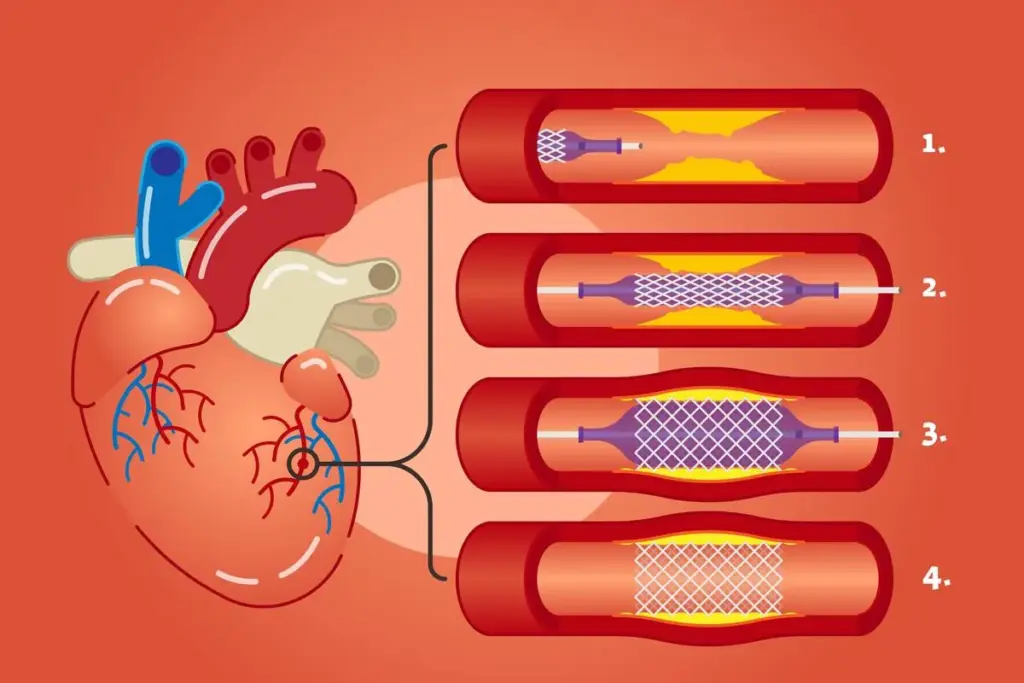
In an angioplasty, a thin tube is put into the blocked artery. A balloon on the tube is then inflated. This pushes aside plaque and stretches the artery, improving blood flow. Often, a stent is placed to keep the artery open. Advanced imaging helps guide the procedure for the best results.
Angioplasty Procedure Duration: A Complete Timeline

Knowing how long an angioplasty takes is key for those about to undergo it. The time needed can change based on the procedure’s complexity and the patient’s health.
Average Duration in Minutes
An angioplasty can last from 30 minutes to several hours. Usually, a simple angioplasty takes 30 to 60 minutes. But, more complex cases might need more time.
Typical Time Ranges for Standard Cases
For common cases, the time for an angioplasty is usually set. Here are some typical times:
- Simple angioplasty: 30-60 minutes
- Angioplasty with stent placement: 45-90 minutes
- Complex angioplasty: 1-2 hours or more
Duration Breakdown by Procedure Phase
The angioplasty process has several phases, each with its own time. Here’s a general overview:
- Preparation Phase: 15-30 minutes
- Catheter Insertion and Navigation: 10-30 minutes
- Balloon Inflation and Stent Deployment: 5-15 minutes
- Closure and Immediate Post-Procedure Care: 15-30 minutes
Understanding these phases and their times helps patients prepare for their angioplasty.
Pre-Procedure Preparation Time Requirements
Getting ready for angioplasty is a big step. It involves several important steps to make sure everything goes well. Knowing what to expect can make you feel more at ease.
Pre-admission Testing Timeline
Before the angioplasty, you’ll have some tests. These might include blood tests, ECGs, and chest X-rays. Your doctor will decide what tests you need. These tests usually happen a few days before your procedure.
|
Test Type |
Typical Timeframe |
|---|---|
|
Blood Tests |
1-3 days before procedure |
|
Electrocardiogram (ECG) |
1-7 days before procedure |
|
Chest X-ray |
1-30 days before procedure |
Day-of-Procedure Preparation
On the day of your angioplasty, you’ll go to the hospital. You’ll change into a gown and remove jewelry. An IV line will also be put in. Getting ready usually takes 30 minutes to an hour.
Anesthesia and Initial Setup Time
After getting ready, you’ll get local anesthesia. This numbs the area for the catheter. Then, the team will set up everything. This takes about 15-30 minutes.
Knowing how long these steps take helps everyone plan better. It makes the day of your angioplasty less stressful.
Step-by-Step Angioplasty Process and Timing
Knowing the steps of angioplasty helps patients understand what happens during the procedure. We’ll explain each step and how long they take.
Arterial Access Time (Femoral vs. Radial Approach)
The first step is getting into the artery. This can be done through the groin or wrist. The femoral approach is traditional, while the radial approach is newer and might be less painful. It takes about 5 to 15 minutes, depending on the patient and the doctor.
Catheter Navigation to Blockage Site
After getting into the artery, the next step is finding the blockage. This uses special imaging and can take 10 to 30 minutes. The time depends on the blockage’s complexity and the doctor’s skill.
Balloon Inflation and Stent Deployment Duration
The key part is using a balloon to open the artery and then placing a stent. The balloon inflation takes 1 to 2 minutes, and the stent deployment is quick. But, the whole process can take 5 to 20 minutes, depending on the situation.
Closure and Immediate Post-Procedure Care
After the stent is in place, the last step is closing the artery. For wrist access, a simple bandage is used. For the groin, a device or pressure might be needed. This takes 5 to 10 minutes. Then, the patient is watched for a bit before being moved to a recovery area.
The whole angioplasty process can take 30 minutes to over an hour. On average, it’s about 45 minutes to 1 hour. Knowing these details can help patients feel more prepared for their angioplasty.
Different Types of Angioplasty and Their Time Frames
Angioplasty procedures vary a lot in complexity and time needed. It’s important for doctors and patients to know these differences. This helps in planning and managing expectations.
Simple Balloon Angioplasty Duration
Simple balloon angioplasty uses a balloon to widen a blocked artery. It’s a quicker procedure compared to others.
This procedure usually takes 30 to 60 minutes. It’s short because it involves fewer steps than other methods.
Bare Metal Stent Placement Time
Bare metal stent (BMS) placement uses a stent to keep the artery open. It’s a bit more complex than simple balloon angioplasty.
The time for BMS placement is usually 45 to 90 minutes. The complexity of the lesion and how easy it is to place the stent affect this time.
Drug-Eluting Stent Procedure Length
Drug-eluting stents (DES) release medication to prevent the artery from getting blocked again. They are more advanced than BMS.
The time for DES placement is similar to BMS, from 45 to 90 minutes. The main difference is the preparation and the complexity of the lesion, which can sometimes make the procedure longer.
Complex Multi-vessel Angioplasty Timing
Complex multi-vessel angioplasty treats multiple blockages in different arteries at once. It’s more complex and takes longer.
This procedure can take 1.5 to 3 hours or more. The time depends on how many vessels are treated and how complex the blockages are.
|
Type of Angioplasty |
Typical Duration (minutes) |
Factors Influencing Duration |
|---|---|---|
|
Simple Balloon Angioplasty |
30-60 |
Complexity of the lesion |
|
Bare Metal Stent Placement |
45-90 |
Ease of stent delivery, lesion complexity |
|
Drug-Eluting Stent Procedure |
45-90 |
Preparation, lesion complexity |
|
Complex Multi-vessel Angioplasty |
90-180+ |
Number of vessels treated, complexity of blockages |
Knowing the different types of angioplasty and their times helps doctors plan better. This improves patient care and outcomes.
Emergency vs. Elective Angioplasty Time Differences
Angioplasty timing changes a lot depending on if it’s an emergency or planned. It’s important for doctors and patients to know these differences.
Door-to-Balloon Time in Heart Attack Cases
In heart attack emergencies, the goal is to open the blocked artery fast. The door-to-balloon time is key. It should be under 90 minutes to protect the heart.
Streamlined Protocols for Emergency Procedures
Emergency angioplasty needs a team working together. We have special steps to make it quicker:
- Rapid assessment and activation of the catheterization lab
- Pre-prepared equipment and personnel
- Efficient communication among the healthcare team
These steps help us treat patients quickly and well.
Planned Procedure Scheduling and Duration
Elective angioplasty is planned ahead, so it’s not as urgent. The time needed can change based on the blockage and the patient’s health.
|
Procedure Type |
Average Duration |
Typical Time Range |
|---|---|---|
|
Simple Angioplasty |
30 minutes |
15-60 minutes |
|
Angioplasty with Stenting |
45 minutes |
30-90 minutes |
Knowing the time differences helps patients prepare and understand what to expect.
Patient-Specific Factors Affecting Angioplasty Length
The time needed for angioplasty can change a lot for each patient. We look at many things about the patient to figure out how long it will take.
Age and Overall Health Considerations
A patient’s age and health are big factors in how long angioplasty takes. Older patients or those with health problems might need more time. This is because they might need extra care and possibly more complicated treatments.
For example, people with diabetes or kidney disease might have harder-to-treat blood vessels. Their heart health, like if they have high blood pressure, also plays a role in how complex the procedure is.
Anatomical Variations Impact on Procedure Time
How different each patient’s body is can also change how long angioplasty takes. The size, shape, and twists of the arteries being treated matter a lot. These differences can make the procedure easier or harder to do.
Patients with very twisted or small arteries might need more time. We use special imaging to see these differences and plan the best way to treat them.
Previous Cardiac Procedures and Their Effect on Duration
Patients who have had heart surgeries before might have a different angioplasty time. If they have stents or grafts, it can make the procedure longer.
|
Previous Procedure |
Potential Impact on Angioplasty Duration |
|---|---|
|
CABG |
May require longer time due to altered anatomy |
|
Previous Angioplasty |
May have existing stents that need consideration |
|
No Previous Procedures |
Typically straightforward, unless other complicating factors |
Complexity of Arterial Blockages
The type of blockage in the arteries is also very important. Hard-to-treat blockages, like chronic total occlusions, take more time and special skills to fix.
We look at the blockage’s size, where it is, and how hard it is to treat. Using new technologies and methods, like drug-eluting stents, can help in these tough cases.
Hospital Recovery Time Following Angioplasty
It’s important for patients and their families to know about the hospital recovery after angioplasty. The time after the procedure is key for watching for any problems and helping the patient get better.
Standard Hospital Stay Duration
Most angioplasty patients leave the hospital within 24 hours. But, each case is different. Some might need to stay longer. This depends on their health before the procedure and if any problems came up during or after.
Extended Observation Requirements
Some patients need to stay longer for more watching. This is usually if there are worries about their health or if problems happened. We make sure they get the care and watching they need during this time.
Discharge Criteria and Timing
When it’s time to go home, it’s based on certain things. These include stable vital signs, no complications, and being able to take care of themselves at home. We also give them clear instructions on what to do after they leave and when to come back for check-ups.
The American Heart Association says, “Good care after the procedure is key for a good recovery and avoiding future heart problems.” We aim to give our patients the best care to help them through their recovery.
At-Home Recovery Timeline After Angioplasty
After angioplasty, knowing the recovery process is key for a smooth healing. When you get home, sticking to a recovery plan is vital. This helps avoid problems and aids in healing well.
First 24-48 Hours Post-Discharge
Rest is most important in the first 24-48 hours after you leave the hospital. Try to avoid hard work, like lifting heavy things or bending. You might feel sore or bruised where the catheter was, but this should get better over time.
First Week Recovery Milestones
In the first week, you can start doing more. You might be able to walk a bit within a few days. But, don’t drive, do hard exercise, or lift heavy things for at least 3-5 days. Or, as your doctor tells you.
Complete Recovery Duration
How long it takes to fully recover varies. It depends on the procedure’s complexity, your health, and following the doctor’s orders.
Return to Work and Normal Activities Schedule
When you can go back to work depends on your job and how you’re healing. Most people can go back to desk jobs in 1-2 weeks. But, if your job is very active, it might take 2-4 weeks or longer.
Remember to follow your doctor’s advice on medicine, check-ups, and any signs of trouble.
Potential Complications That Extend Procedure Time
Angioplasty is usually safe but can face complications that make it longer. It’s important for doctors and patients to know about these issues. This helps manage expectations and improve results.
Arterial Dissection Management
Arterial dissection is a serious issue where the artery wall tears. Prompt recognition and management are key to avoid more problems. We use advanced imaging to spot the dissection and figure out the best fix, which might include more stents.
Addressing Acute Stent Thrombosis
Acute stent thrombosis is a rare but serious issue where a blood clot forms in the stent. Immediate action is needed to keep blood flowing. We use balloon angioplasty or anti-clotting meds to handle this and keep the procedure time down.
Managing Unexpected Bleeding
Unexpected bleeding during angioplasty can make the procedure longer. Effective bleeding management is vital. We use hemostatic agents and adjust meds to control bleeding and keep the artery open.
Additional Imaging Requirements
Sometimes, we need more imaging during angioplasty to understand the anatomy or check the procedure’s success. Advanced imaging modalities like IVUS or OCT give us important details. They might make the procedure longer but improve the results.
Knowing and preparing for these complications helps us manage angioplasty better. This way, we can reduce delays and improve patient care. The key to successful angioplasty is skilled doctors, advanced tech, and a thorough approach to patient care.
Hospital and Facility Variations in Angioplasty Duration
Different hospitals and facilities have unique features that affect angioplasty time. The time needed for angioplasty can vary based on several factors related to the healthcare provider.
High-Volume vs. Low-Volume Centers
High-volume centers do a lot of angioplasty procedures. They have efficient processes and skilled staff. This leads to shorter angioplasty time frames. On the other hand, low-volume centers might have longer times due to less practice and less specialized staff.
Research shows high-volume centers have:
- Shorter door-to-balloon times in emergencies
- More efficient lab operations
- Better results from more experience
Academic vs. Community Hospital Timing Differences
Academic hospitals, involved in research and training, have different angioplasty length profiles than community hospitals. Academic centers might have longer times due to trainees. Community hospitals focus on quick and efficient procedures.
Key differences include:
- Trainees in academic hospitals can increase procedure time
- Community hospitals have more standardized procedures
- Academic centers have the latest technology and techniques
Catheterization Lab Efficiency Factors
The efficiency of the catheterization lab is key to the angioplasty time frame. Important factors include:
- Experienced staff and well-coordinated teams
- Advanced imaging and equipment
- Effective scheduling and preparation
Understanding these variations helps patients and healthcare providers make better choices. This can impact the overall angioplasty length.
Technological Advances Shortening Angioplasty Time
Medical technology has made angioplasty faster. We’ve seen big changes in how it’s done. Now, it’s quicker and more efficient.
Modern Imaging Systems and Time Savings
Modern imaging systems are key in making angioplasty quicker. Tools like digital subtraction angiography give clear images of arteries. This helps doctors work faster and more accurately.
Key Features of Modern Imaging Systems:
- High-resolution imaging
- Real-time image processing
- Reduced radiation exposure
- Improved contrast agent visualization
Advanced Catheter Designs and Navigation Speed
New catheter designs have improved navigation speed. These designs are more flexible and easier to control. This makes moving through arteries faster and more precise.
Benefits of Advanced Catheter Designs:
- Faster navigation through complex anatomy
- Improved ability to cross chronic total occlusions
- Enhanced procedural safety
- Reduced risk of complications
Automated Systems and Procedure Efficiency
Automated systems are making angioplasty more efficient. Robotic-assisted systems, for example, offer precise control. This reduces the operator’s effort and may shorten procedure times.
|
Automated System Feature |
Benefit |
|---|---|
|
Robotic-assisted catheter control |
Enhanced precision and reduced operator fatigue |
|
Automated stent deployment |
Faster and more accurate stent placement |
|
Integrated imaging and navigation |
Improved visualization and procedural efficiency |
Future Innovations That May Further Reduce Duration
Future technologies promise to make angioplasty even faster. Advances in artificial intelligence, machine learning, and nanotechnology are on the horizon. They could lead to even more efficient procedures.
As technology advances, angioplasty will get faster, safer, and more effective. We’re excited to bring these innovations to our patients, ensuring the best care possible.
Conclusion
We’ve looked into angioplasty, from the procedure to recovery. Knowing how long angioplasty takes is key for those getting ready for it.
The time it takes for angioplasty changes a lot. It depends on the procedure’s complexity, the patient’s health, and the type of angioplasty. It can last from 30 minutes to several hours.
Recovery time after angioplasty is also important. Some patients go home the same day, while others stay longer. At home, rest is needed for a few days. Most people get back to normal in about a week.
Knowing what affects angioplasty time and recovery helps patients prepare better. This knowledge lets them make informed choices about their care. It leads to better results and an easier recovery.
FAQ
How long does an angioplasty procedure typically take?
An angioplasty can take anywhere from 30 minutes to 2 hours. This depends on how complex the case is and the techniques used.
What factors can influence the length of an angioplasty procedure?
Several things can affect how long an angioplasty takes. These include the patient’s health, the shape of their arteries, past heart procedures, and how blocked the arteries are.
How long does it take to recover from angioplasty in the hospital?
After angioplasty, most people stay in the hospital for 24 to 48 hours. But, this can change based on the patient’s health and any complications.
What is the typical recovery time at home after angioplasty?
Most people take a week to 10 days to fully recover at home. They can usually go back to work and normal activities in 3 to 7 days.
How do emergency angioplasty procedures differ in timing from elective ones?
Emergency angioplasties, like those during a heart attack, happen quickly. They focus on getting the balloon in the artery fast. Elective procedures are planned and can take longer.
Can technological advancements impact the duration of angioplasty procedures?
Yes, new tech like better imaging and advanced catheters make angioplasty faster. New innovations will likely make it even quicker.
What are some possible complications that can make an angioplasty longer?
Issues like artery damage, stent problems, unexpected bleeding, and needing more images can make the procedure longer.
How does the type of angioplasty affect the procedure duration?
Different angioplasty types, like simple balloon or stent placement, have different times. This is because of the techniques and complexity involved.
What is the significance of door-to-balloon time in emergency angioplasty?
Door-to-balloon time is very important in emergency angioplasty. It’s the time from arrival to when the balloon is inflated. Faster times mean better results.
How do high-volume centers compare to low-volume centers in terms of angioplasty procedure time?
High-volume centers are often more efficient, leading to shorter times. But, this can vary based on many factors.
References
National Center for Biotechnology Information. Evidence-Based Medical Insight. Retrieved from https://pubmed.ncbi.nlm.nih.gov/26916439/