

Going through surgery can be scary, even more so for a complex procedure like Anterior Cervical Disc Fusion (ACDF). As a top healthcare provider, we want to reassure you. ACDF is a proven and effective treatment for many cervical spine issues.
ACDF is a surgery for problems like degenerative disc disease and herniated discs. It also fixes instability in the cervical spine. Recent stats show ACDF is used in over 61% of cervical spine surgeries. This makes it a common and trusted option for those with these issues.
At Liv Hospital, we’re all about top-notch healthcare and support for our international patients. Our team of experts works hard to ensure you get the best care. We use advanced medical techniques and focus on personalized care for each patient.
Key Takeaways
- ACDF is a common surgery for cervical spine problems.
- The surgery helps with degenerative disc disease and herniated discs.
- Liv Hospital offers expert care and advanced techniques for ACDF surgery.
- Personalized support is provided to ensure successful outcomes for international patients.
- ACDF accounts for a significant percentage of cervical spine surgeries.
What You Need to Know About ACDF Surgery
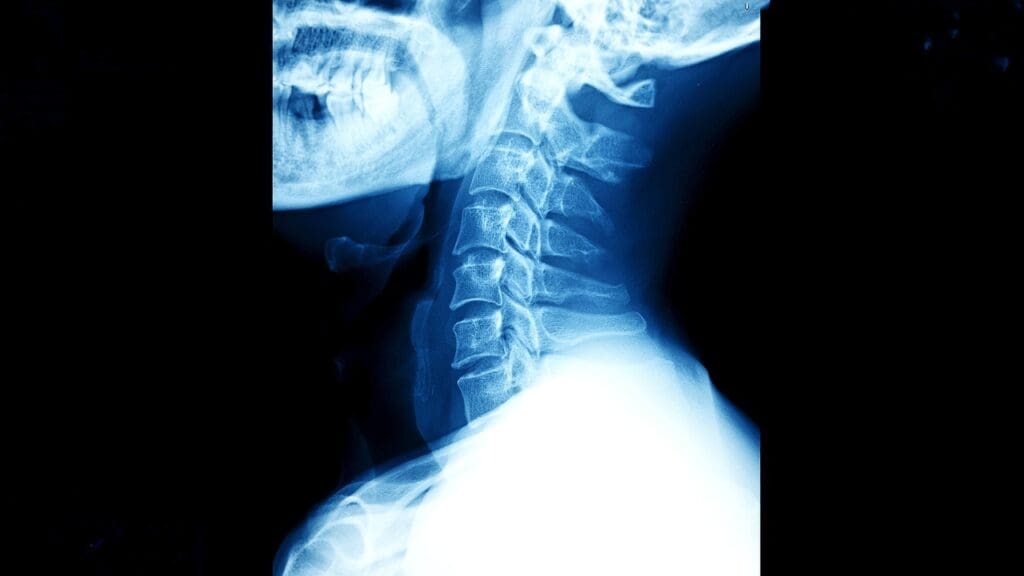
Understanding ACDF surgery is key for those looking into treatments for cervical spine issues. We’ll cover the main points of this surgical method.
Defining ACDF and Its Purpose
ACDF stands for Anterior Cervical Discectomy and Fusion. It’s a surgery to treat neck pain and other symptoms from cervical spine problems. ACDF spine fusion mainly helps with degenerative disc disease, herniated discs, and spine instability. It removes the bad disc and fuses the vertebrae to stabilize the spine, reduce pain, and enhance life quality.
A leading medical expert says, “ACDF is a highly effective treatment for cervical spine disorders, giving significant relief to those with chronic neck pain.”
“The success rate of ACDF surgery is remarkably high, with about 77% of patients seeing symptom improvement after a year.”
The Medical Meaning Behind ACDF Abbreviation
The ACDF cervical spine surgery term is complex. “Anterior” means the surgery is done from the front. “Cervical” points to the neck area treated. “Discectomy” is the removal of the damaged disc. And “Fusion” is the joining of two vertebrae to stabilize the spine. This surgery shows the progress in spinal surgery, providing a good option for certain cervical spine conditions.
Fact 1: ACDF Is the Leading Treatment for Cervical Spine Disorders
ACDF surgery is the top choice for many cervical spine issues. Its success rate is high, making it very popular. We’ll look into why it’s so widely used and its benefits.
Statistical Prevalence in Spine Surgery
ACDF is a key part of spine surgery, used in many cervical spine surgeries. Research shows it’s a big part of these procedures.
Why ACDF Accounts for Over 61% of Cervical Procedures
ACDF is chosen often because it works well for many problems. It helps with degenerative disc disease and herniated discs. It also offers long-term relief and spine stability, making it a top pick.
Comparison to Alternative Treatments
ACDF has some big advantages over other treatments. These include:
- Higher success rates in treating severe cervical spine conditions
- Minimally invasive options available, reducing recovery time
- Ability to address multiple levels of the spine in a single procedure
These benefits make ACDF a favorite among surgeons and patients alike.
Evolution of the Procedure
ACDF has seen a lot of improvements over time. New techniques and tools have made it safer and more effective. This has led to better results and fewer complications.
New research and technology have driven ACDF’s growth. This ensures patients get the best care possible.
So, ACDF stays a top choice for cervical spine issues. It offers a reliable and effective solution for patients.
Fact 2: Common Conditions Treated with ACDF Surgery
Anterior Cervical Discectomy and Fusion (ACDF) is a surgery for several common neck problems. It helps treat pain and discomfort in the neck. Knowing what ACDF fixes can help patients understand its role in neck health.
Degenerative Disc Disease of the Cervical Spine
Degenerative disc disease happens when cervical spine discs wear out. This leads to pain and less mobility. ACDF surgery removes the bad disc and fuses the vertebrae together. It helps ease pain and makes the spine stable.
This disease can be caused by aging, genetics, and lifestyle. As discs wear down, they can hurt nearby nerves. This causes pain and discomfort.
Herniated Discs and Nerve Compression
A herniated disc is when the soft center leaks out. This can press on nerves, causing neck and arm pain. ACDF surgery removes the bulging part and eases nerve pressure.
Nerve compression is a serious issue that can cause a lot of pain and disability. ACDF surgery can help relieve these symptoms.
Cervical Spine Instability and Trauma
Cervical spine instability means the spine can’t stay in place. This is often due to injury or wear and tear. ACDF surgery fuses the vertebrae together. This reduces pain and prevents more damage.
| Condition | Treatment with ACDF | Benefits |
|---|---|---|
| Degenerative Disc Disease | Removal of damaged disc and fusion of vertebrae | Pain alleviation, spinal stabilization |
| Herniated Discs | Removal of herniated disc portion | Relief from nerve compression symptoms |
| Cervical Spine Instability | Fusion of affected vertebrae | Spinal stabilization, pain reduction |
Understanding what ACDF surgery treats can help patients choose their treatment. It shows how ACDF is a versatile and effective solution for many neck problems.
Fact 3: The Anterior Cervical Disc Fusion Procedure Step-by-Step
The ACDF procedure is a detailed process that surgeons follow to treat cervical spine disorders. It’s known for its success in treating many spinal conditions.
Why Surgeons Choose the Anterior Approach
Surgeons like the anterior approach for ACDF because it’s direct. It lets them access the spine without touching the spinal cord or nerve roots. This reduces the chance of nerve damage and gives a clear view of the area.
By making an incision in the front of the neck, surgeons can easily remove bad discs and stabilize the spine.
The Surgical Process Explained
The ACDF surgery has several key steps, including discectomy and fusion.
Discectomy Phase
In the discectomy phase, the surgeon takes out the damaged or herniated disc. This is key to relieving pressure on the spinal cord and nerve roots. It helps to ease pain, numbness, and weakness in the neck and arms.
Fusion Technique
After discectomy, the surgeon does the fusion technique. They prepare the vertebrae for fusion and put in a graft or implant to stabilize the spine. This step helps the vertebrae grow together, providing long-term stability to the spine.
Grafts and Instrumentation Used in ACDF
The success of ACDF surgery depends on the grafts and tools used. Grafts, which can be from the patient or donated, help the vertebrae fuse. Plates and screws may be used to add extra stability during healing.
The choice of graft and tools depends on the patient’s health, the extent of the spinal disorder, and the surgeon’s preference.
Fact 4: Single-Level vs. Multi-Level ACDF Procedures
ACDF operations can be tailored to fit each patient’s needs. They range from single-level to multi-level fusions. This flexibility is key in addressing each patient’s unique condition.
Anterior Cervical Discectomy and Fusion C6-C7
Single-level ACDF procedures, like Anterior Cervical Discectomy and Fusion C6-C7, are common. They address specific issues at one cervical spine level. This involves removing a damaged disc and fusing the adjacent vertebrae. It stabilizes the area and relieves nerve pressure.
A study in the Journal of Neurosurgery: Spine shows single-level ACDF’s high success rate. It treats cervical radiculopathy or myelopathy well. The study stresses the importance of choosing the right patient and surgical technique.
| Procedure | Success Rate | Complication Rate |
|---|---|---|
| Single-Level ACDF | 85-90% | 5-10% |
| Multi-Level ACDF | 80-85% | 10-15% |
Complex Cases: ACDF C4-C7 and Other Multi-Level Fusions
Multi-level ACDF procedures, like ACDF C4-C7, are more complex. They address issues at multiple cervical spine levels. These procedures are needed for widespread disc degeneration or multiple herniated discs.
“Multi-level ACDF procedures require meticulous planning and execution, but they offer a viable solution for patients with complex cervical spine disorders.” – Dr. Neurosurgeon
Choosing between single-level or multi-level ACDF should be a careful decision. It should be made after thorough consideration and consultation with a healthcare professional.
Fact 5: Success Rates and Effectiveness of ACDF Spine Fusion
Understanding ACDF spine fusion’s success rates is key. This surgery is used to treat many cervical spine problems. Its results have been studied a lot.
Clinical Outcomes and Patient Satisfaction
ACDF surgery results are mostly good. Most patients see big improvements in their symptoms.
The 77% Improvement Rate After One Year
A study found that 77% of patients got better a year after ACDF surgery. This shows ACDF works well for cervical spine issues.
Long-Term Results
Long-term studies show ACDF fusion lasts. Patients keep getting better for years. This means the surgery’s benefits last a long time.
Factors That Influence Surgical Success
Many things affect ACDF fusion success. These include:
- Patient Selection: Choosing the right patients based on health and diagnosis.
- Surgical Technique: The surgeon’s skill and the techniques used.
- Post-Operative Care: Good follow-up care for healing and recovery.
ACDF spine fusion is a good choice for cervical spine problems. While results vary, most are positive. It’s a valuable treatment option.
Fact 6: Recovery Timeline After Cervical ACDF Surgery
The recovery time after cervical ACDF surgery is key. Knowing what to expect helps patients heal well and get back to their daily lives.
Hospital Stay and Immediate Post-Op Care
Patients usually stay in the hospital for 1-2 days after surgery. Medical staff watch for any problems and help manage pain. A study on Diva Portal shows good care is vital for a smooth recovery.
First Six Weeks: Activity Restrictions and Healing
In the first six weeks, patients should not lift heavy, bend, or twist. They should do gentle exercises to help healing and keep the spine mobile. Following these rules is key for the best recovery.
Long-Term Recovery and Return to Normal Activities
Recovering fully from ACDF surgery can take months. Most people can get back to their usual activities in 3-6 months. It’s important to start with gentle activities and then gradually increase them, keeping up with exercises to strengthen the neck.
| Recovery Stage | Timeline | Activities |
|---|---|---|
| Hospital Stay | 1-2 days | Rest, pain management |
| Initial Recovery | 1-6 weeks | Gentle exercises, avoid heavy lifting |
| Long-Term Recovery | 3-6 months | Gradual return to normal activities |
Fact 7: ACDF Operations: Risks and Complications
It’s important for patients to know the risks of Anterior Cervical Discectomy and Fusion (ACDF) surgery. ACDF is a good treatment for many cervical spine problems. But, like any surgery, it has its own risks and complications.
Common Side Effects and Minor Complications
After ACDF surgery, some people might have swallowing difficulties and voice changes. These usually go away in a few weeks. Others might feel mild pain or discomfort at the surgery site.
Minor issues can include infection, hematoma, or reaction to the anesthesia. These are rare but important to watch for. If you notice any signs, get medical help right away.
Serious Complications to Be Aware Of
Though rare, serious problems can happen. These include nerve damage, spinal cord injury, or failure of the bone to fuse (pseudoarthrosis). For more info on life after ACDF surgery, check out life after three-level cervical fusion surgery.
Warning Signs: When to Seek Medical Attention
Watch for signs of trouble. Look out for increasing pain, swelling, redness, or drainage at the site. Also, fever or neurological symptoms like numbness or weakness are red flags. If you see these, get help fast.
Knowing the risks of ACDF surgery helps patients make better choices. Always talk to your doctor about any worries or questions you have.
Conclusion: Making Informed Decisions About ACDF Spine Surgery
Understanding Anterior Cervical Disc Fusion (ACDF) surgery is key for those thinking about it. We’ve covered seven important facts about ACDF spine surgery. This includes what the surgery is, its benefits, and possible risks.
The ACDF medical term stands for a surgical method for cervical spine issues. Knowing how ACDF works and what affects its success helps patients make smart choices.
ACDF surgery is a top choice for treating problems like degenerative disc disease and herniated discs. Many patients see big improvements in their symptoms after the surgery.
Thinking about AFDC surgery means looking at both the good and bad sides. Knowing the possible side effects and how to avoid them helps patients recover better and get the best results.
In the end, making good choices about ACDF spine surgery needs a deep understanding of it. We hope this article has given you the info and confidence to explore your treatment options.
What is Anterior Cervical Discectomy and Fusion (ACDF) surgery?
ACDF is a surgery for the neck. It treats problems like worn-out discs and unstable neck bones. The damaged disc is removed, and the bones are fused together.
What does the ACDF abbreviation stand for?
ACDF stands for Anterior Cervical Discectomy and Fusion. It’s a neck surgery done from the front.
Why is ACDF considered the leading treatment for cervical spine disorders?
ACDF is top because it works well for many neck problems. It helps with long-term pain relief and stability.
What conditions are commonly treated with ACDF surgery?
ACDF treats neck pain, numbness, and weakness. It’s for issues like worn-out discs and unstable neck bones.
What is the difference between single-level and multi-level ACDF procedures?
Single-level ACDF fixes one neck level. Multi-level, like ACDF C4-C7, treats more areas. It’s more complex and takes longer to heal.
What is the success rate of ACDF spine fusion?
ACDF has a high success rate. Most people see big improvements in their neck and life quality. But, results can vary.
What is the typical recovery timeline after cervical ACDF surgery?
Recovery starts with a short hospital stay. Then, several weeks of rest are needed. Most people get back to normal in a few months.
What are the typical risks and complications of ACDF operations?
Risks include pain and swelling. Serious issues like infection and nerve damage are rare but possible.
What are the warning signs that necessitate medical attention after ACDF surgery?
Watch for increasing pain, numbness, and swallowing trouble. Also, fever or redness at the surgery site means infection.
How is ACDF surgery performed?
The surgery starts with a neck incision. The bad disc is taken out, and the bones are fused with grafts and hardware.
What is the role of grafts and instrumentation in ACDF surgery?
Grafts and hardware stabilize the spine. They help the bones fuse, giving long-term relief from neck pain.