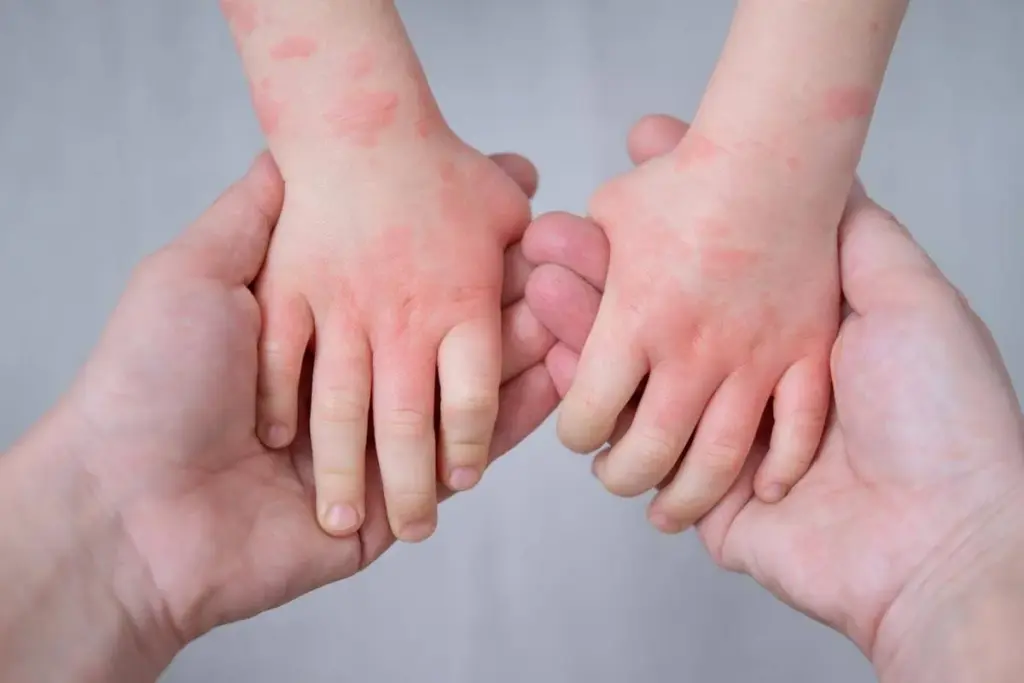
Did you know millions of people worldwide have chronic urticaria? This condition causes recurring hives that can really affect life quality. The Louisiana State University Agricultural Center says eating a balanced diet with fruits and veggies can help with health issues. We’re looking into how bananas might help with hives and why it’s key to understand this condition. Answering whether bananas help hives and detailing how antihistamine hives rash medications treat the reaction effectively.
We’ll check out how bananas and other natural remedies can ease rashes and symptoms of chronic urticaria. By learning about the causes and treatments, we hope to offer useful tips for those looking for relief.
Key Takeaways
- A balanced diet can help alleviate symptoms of chronic urticaria.
- Bananas may offer relief from hives due to their nutritional properties.
- Understanding the causes of hives is key for effective treatment.
- Natural remedies can play a big role in managing chronic urticaria.
- Exploring different treatment options can help find relief.
Understanding Hives and Their Causes
[PLACE THE IMAGE HERE]
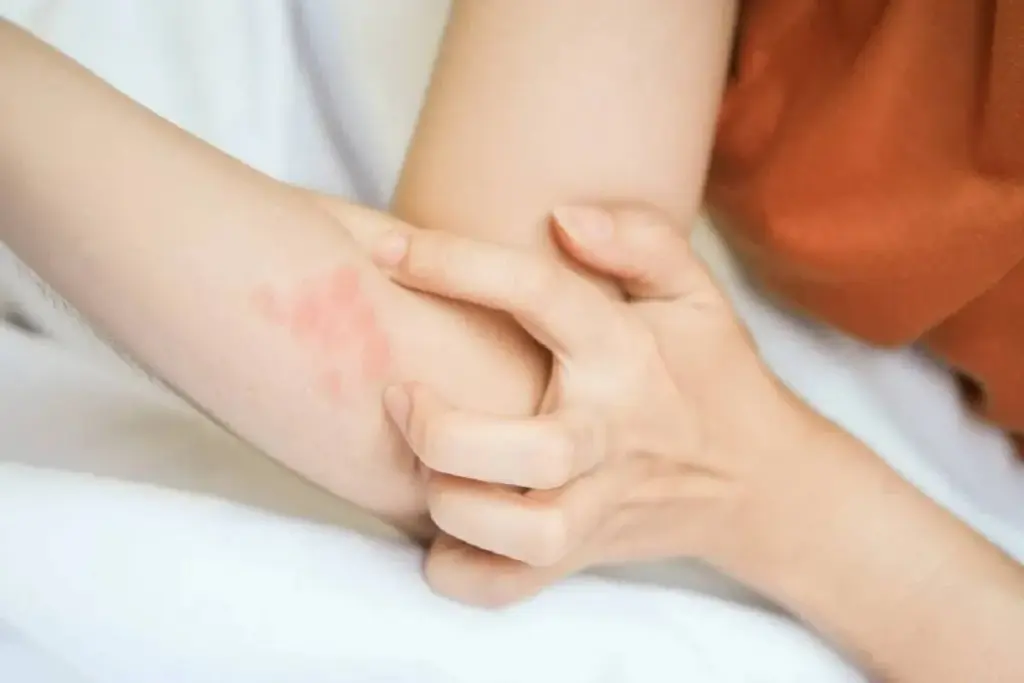
Hives, or urticaria, are a common skin condition. They are itchy, raised welts that can cause discomfort and distress. We will explore the intricacies of hives, including their definition, triggers, and the role of allergens.
What Are Hives?
Hives are a skin reaction that manifests as itchy, raised patches or welts. They can be acute or chronic hives, lasting more than six weeks. Understanding their causes and management options is key to improving quality of life.
Common Triggers for Hives
Several factors can trigger hives, including:
- Allergic reactions to foods, insect bites, or medications
- Infections and illnesses
- Environmental factors such as temperature extremes or sunlight
- Stress and emotional factors
Identifying and understanding these triggers is essential for effective management.
Role of Allergens in Hives
Allergens play a significant role in triggering hives in many individuals. Common allergens include certain foods, pollen, and latex. When an individual with an allergy comes into contact with an allergen, their body releases histamine, leading to hives symptoms. Understanding allergens can help in devising strategies for avoidance and treatment, potentially involving urticaria medication.
A study on beekeeping production systems highlights the importance of understanding allergens and their impact on human health. It shows the broader implications of allergic reactions and the need for effective management strategies.
The Body’s Reaction to Antihistamines

Antihistamines can change how the body reacts to hives. They are key in treating hives, helping to ease symptoms.
How Antihistamines Work
Antihistamines fight histamine, a chemical from the immune system during allergies. When an allergen enters, histamine is released. This causes blood vessels to widen, leading to hives symptoms like redness and itching. By blocking histamine receptors, antihistamines lessen these symptoms, giving relief.
Effects of Antihistamines on Hives
Antihistamines have a big impact on hives. They not only ease symptoms but also help manage the condition long-term. Regular use of antihistamines can greatly improve life for those with chronic hives. Here’s a summary of their effects:
|
Effect |
Description |
|---|---|
|
Symptom Relief |
Reduces itching, redness, and swelling |
|
Prevention |
Can prevent hives from occurring if taken regularly |
|
Improved Quality of Life |
Enhances daily functioning and comfort for those with chronic hives |
Common Antihistamines Used for Hives
Many antihistamines are used for hives, including:
- Diphenhydramine (Benadryl)
- Loratadine (Claritin)
- Cetirizine (Zyrtec)
- Fexofenadine (Allegra)
These drugs differ in how they make you feel. Some are better for daytime use. It’s important to talk to a healthcare professional to find the right one for you.
Nutritional Benefits of Bananas
Bananas are packed with vitamins and minerals that help with skin health. They are good for those with urticaria and other skin issues. Let’s look at how bananas can improve your skin.
Vitamins and Minerals in Bananas
Bananas are full of important vitamins and minerals. They have a lot of potassium, which helps keep fluids balanced in the body. This is good for people with hives from allergies.
They also have vitamin C, which protects the skin from damage. This vitamin fights off free radicals.
The Louisiana State University Agricultural Center says bananas have vitamin B6 and manganese too. Vitamin B6 keeps the skin healthy. Manganese is an antioxidant that helps the skin stay healthy.
|
Nutrient |
Amount per Medium Banana |
Benefit to Skin Health |
|---|---|---|
|
Potassium |
422 mg |
Maintains fluid balance, reducing the severity of hives |
|
Vitamin C |
10.3 mg |
Protects skin from oxidative stress and damage |
|
Vitamin B6 |
0.5 mg |
Supports overall skin health and immune function |
|
Manganese |
0.3 mg |
Acts as an antioxidant, protecting skin cells |
Antioxidants and Their Role in Skin Health
Bananas have antioxidants like dopamine and catechins. These help keep the body healthy, including the skin. They reduce oxidative stress, which can cause skin problems like urticaria.
Eating bananas can help lessen the severity of skin welts. It also supports the skin’s healing process.
How Bananas May Impact Hives
The link between bananas and hives is getting more attention. Studies are looking into how bananas might help with inflammation. Hives are itchy, raised welts on the skin. To understand bananas’ effect on hives, we need to look at their nutrients and anti-inflammatory powers.
Potential Anti-Inflammatory Properties
Bananas are packed with vitamins and minerals that might help with hives. They have antioxidants and other nutrients that fight inflammation. This could make hives less severe.
Nutritional Benefits: Bananas are full of vitamin C, potassium, and fiber. These help boost the immune system and cut down on inflammation.
Bananas and Allergic Reactions
While bananas are usually safe, some people might be allergic to them. For those with a banana allergy, eating bananas can make hives worse. But for those without an allergy, bananas might help because of their anti-inflammatory effects.
|
Nutrient |
Benefit |
Impact on Hives |
|---|---|---|
|
Vitamin C |
Boosts immune system |
May reduce severity of hives |
|
Potassium |
Reduces inflammation |
Can help alleviate symptoms |
|
Fiber |
Supports digestive health |
May help in overall skin health |
Learning how bananas affect hives can help us find better ways to treat them. Bananas aren’t a magic cure for hives, but they could be part of a bigger treatment plan. This plan might include antihistamines and other treatments.
Alternative Natural Remedies for Hives
For those with hives, there are natural remedies beyond bananas. We’ll look at other fruits and herbal remedies that might help ease hives.
Other Fruits Known to Help
Some fruits have anti-inflammatory properties. They might help manage hives.
- Berries: Berries like strawberries, blueberries, and raspberries are full of antioxidants. They may reduce inflammation.
- Citrus Fruits: Oranges, lemons, and grapefruits are packed with vitamin C. Vitamin C boosts the immune system and might lessen hives severity.
Eating these fruits can be good. But, it’s key to avoid any fruit that makes hives worse for you.
Herbal Remedies for Rash Relief
Herbal remedies have long been used to ease hives and skin irritations.
- Calendula: Calendula is known for its anti-inflammatory and antimicrobial effects. It can be applied to the skin to soothe irritations.
- Licorice Root: Licorice root is used for its anti-inflammatory properties. It helps with various skin conditions.
“Herbal remedies like calendula and licorice root have been used for centuries to soothe skin irritations and may offer relief for hives sufferers.”
Before trying new remedies, talk to a healthcare professional. This is important if you’re using them with treatments for chronic hives or welts.
When to Consult a Doctor About Hives
Hives are usually not serious, but sometimes they need a doctor’s check-up. They can be short-term or last a long time. Knowing when to see a doctor is key to managing them well.
Signs That Require Medical Attention
If you notice any of these signs, you should see a doctor:
- Difficulty breathing or swallowing
- Rapid heartbeat or palpitations
- Dizziness or fainting
- Hives that last more than a few days or recur frequently
- Painful or itchy hives that interfere with daily activities
These symptoms might mean a serious allergic reaction or another health issue. The Journal of Allergy and Clinical Immunology says seeing a doctor quickly is important for severe symptoms.
|
Symptom |
Possible Indication |
Recommended Action |
|---|---|---|
|
Difficulty Breathing |
Severe Allergic Reaction |
Seek Immediate Medical Help |
|
Recurring Hives |
Chronic Urticaria |
Consult a Doctor for Diagnosis |
|
Painful or Itchy Hives |
Allergic Reaction or Skin Condition |
Discuss Symptoms with a Healthcare Provider |
Importance of Diagnosing Underlying Causes
Finding out why you have hives is important for treatment. A doctor can figure out if it’s an allergy, infection, or something else. Knowing the cause helps decide the right treatment, like urticaria medication.
“Identifying and managing the underlying causes of hives can significantly improve the quality of life for individuals suffering from this condition.”
– American Academy of Allergy, Asthma, and Immunology
Ask your doctor these questions:
- What are the possible causes of my hives?
- How long do hives typically last in cases like mine?
- What trigger hives, and how can I avoid these triggers?
Knowing the cause and treatment helps manage symptoms and prevent hives.
Lifestyle Changes to Prevent Hives
Lifestyle changes are key in managing and preventing hives. Making smart choices about diet and stress can help a lot. We’ll look into these changes to help those with hives.
Dietary Adjustments for Hives Sufferers
Changing your diet can really help with hives. Some foods can make hives worse, while others can help. Staying away from trigger foods is a big step. Foods like shellfish, nuts, and dairy can be culprits.
Keeping a food diary can help figure out which foods cause hives. Eating foods that fight inflammation is also good. Omega-3 rich foods like salmon and flaxseeds can help. Antioxidant foods like berries and leafy greens also help fight stress.
|
Food Category |
Examples |
Benefit |
|---|---|---|
|
Anti-inflammatory Foods |
Salmon, Flaxseeds |
Reduces inflammation |
|
Antioxidant-rich Foods |
Berries, Leafy Greens |
Combats oxidative stress |
|
Trigger Foods |
Shellfish, Nuts, Dairy |
Avoid to prevent hives |
Stress Management Techniques
Stress can trigger hives. So, finding ways to manage stress is important. Mindfulness and meditation can help lower stress. Regular practice can help handle stress better and reduce hives.
Other ways to manage stress include yoga and deep breathing exercises. These not only lower stress but also improve overall health. It’s key for those with hives to find a stress management method that works for them and use it daily.
- Mindfulness and meditation
- Yoga
- Deep breathing exercises
By making dietary changes and managing stress, people can prevent hives and improve their life quality.
Combining Treatments for Optimal Relief
Using both medical treatments and natural remedies can help those with hives feel better. It’s important to tackle hives from different angles. This means treating the symptoms and finding the root cause.
Using Antihistamines with Natural Remedies
Antihistamines are a key part of treating hives. They help stop itching and make rashes less visible. Adding natural remedies to antihistamines can make them work even better.
Eating foods full of antioxidants, like berries or spinach, can help fight inflammation. Adding these foods to your diet with antihistamines can boost their power.
“Using a combination of conventional and alternative therapies can lead to better outcomes for patients with chronic hives.”
An Allergist
Importance of a Holistic Approach
Treating hives means looking at the whole picture. This includes diet, stress, and the environment. A broad approach helps find and fix the main causes.
|
Treatment Component |
Description |
Benefits |
|---|---|---|
|
Antihistamines |
Medical treatment to reduce itching and rash |
Quick relief from symptoms |
|
Dietary Changes |
Incorporating anti-inflammatory foods |
Reduces overall inflammation |
|
Stress Management |
Techniques like meditation or yoga |
Reduces stress, a common hives trigger |
By mixing medical treatments, lifestyle changes, and natural remedies, people can manage their hives better. This approach can greatly improve their life quality.
Conclusion: Bananas and Other Remedies for Hives
Understanding urticaria and managing its symptoms is key for those with chronic hives. Bananas, full of vitamins and minerals, might help because of their anti-inflammatory effects. They can make welts on skin less uncomfortable.
Managing Chronic Hives
Handling chronic hives needs a full approach, including diet changes and stress control. Try different natural remedies, like other fruits and herbs, to see what works for you.
Seeking Professional Guidance
If your hives don’t go away or are very bad, see a doctor. They can find out why you have them. We aim to give top-notch healthcare and support to all our patients.
FAQ
What are hives, and what causes them?
Hives, also known as urticaria, are itchy, raised welts on the skin. They can be caused by many things, like allergic reactions, infections, and environmental factors.
How do antihistamines work to treat hives?
Antihistamines block the release of histamine. This chemical makes blood vessels leak, causing hives symptoms like itching, redness, and swelling.
Can bananas help alleviate hives symptoms?
Yes, bananas may help with hives symptoms. They have anti-inflammatory properties and lots of vitamins and minerals. These can soothe the skin and reduce inflammation.
What other natural remedies can help with hives relief?
Other natural remedies include fruits like berries and citrus fruits. Herbal remedies like chamomile and calendula can also help.
When should I seek medical attention for hives?
Seek medical attention for hives if they are severe, last a long time, or come with other symptoms. This includes trouble breathing, rapid heartbeat, or dizziness.
How can I prevent hives from occurring?
To prevent hives, avoid known allergens and manage stress. Making dietary changes to reduce allergic reactions can also help.
Can I use antihistamines with natural remedies to treat hives?
Yes, using antihistamines with natural remedies like bananas can help. But, always talk to a healthcare professional before trying this.
How long do hives typically last?
Hives can last from a few hours to several days or weeks. It depends on the cause.
What is chronic urticaria, and how is it treated?
Chronic urticaria is when hives come back for more than six weeks. Treatment includes antihistamines, lifestyle changes, and other therapies to manage symptoms and find the cause.
References
The Lancet. Evidence-Based Medical Insight. Retrieved from https://www.thelancet.com/journals/lancet/article/PIIS0140-6736(15)00149-X/fulltext