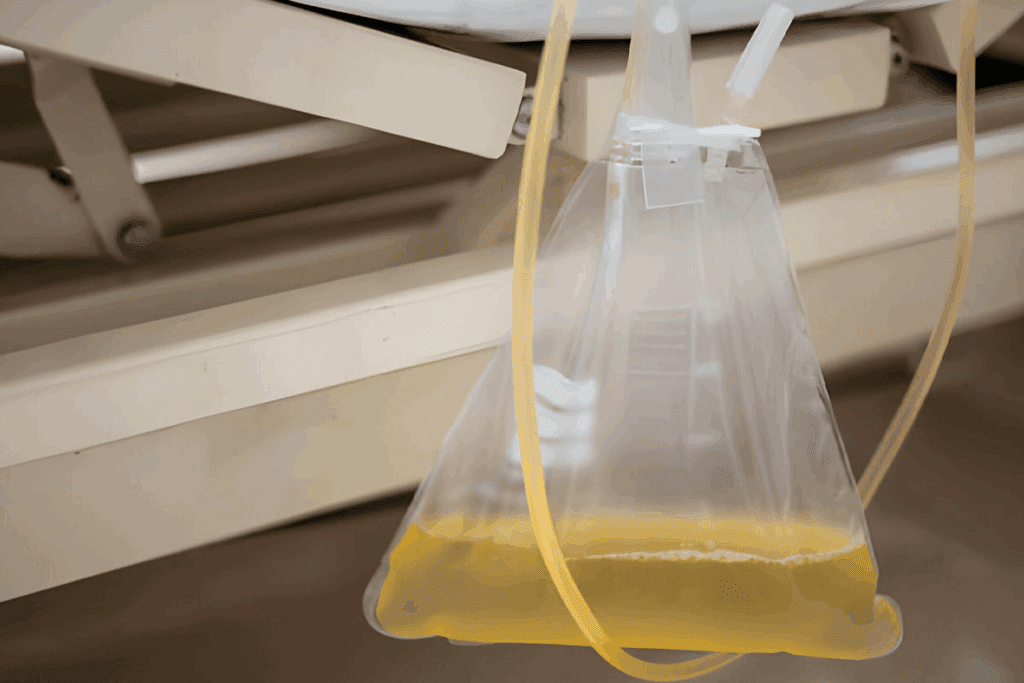
It’s important to know the difference between anuria and oliguria. These conditions show serious kidney problems that need quick medical help.
Understand anuria vs oliguria with our simple guide. Learn the shocking differences in urine output, causes, and treatments.
At Liv Hospital, we stress the need to spot and diagnose these issues early. Oliguria means making less than 400 mL of urine a day but more than 100 mL. Anuria is when you make less than 100 mL of urine a day.
It’s key to tell these conditions apart to treat them right and avoid big problems. Our team focuses on each patient’s needs, giving them the best care for kidney issues.
Key Takeaways
- Anuria and oliguria are signs of kidney function decline.
- Oliguria is when you make 100-400 mL of urine a day.
- Anuria is making less than 100 mL of urine a day.
- Spotting and diagnosing these early is key to good treatment.
- Doing a full check-up is needed to tell these conditions apart.
Understanding Urine Production and Kidney Function
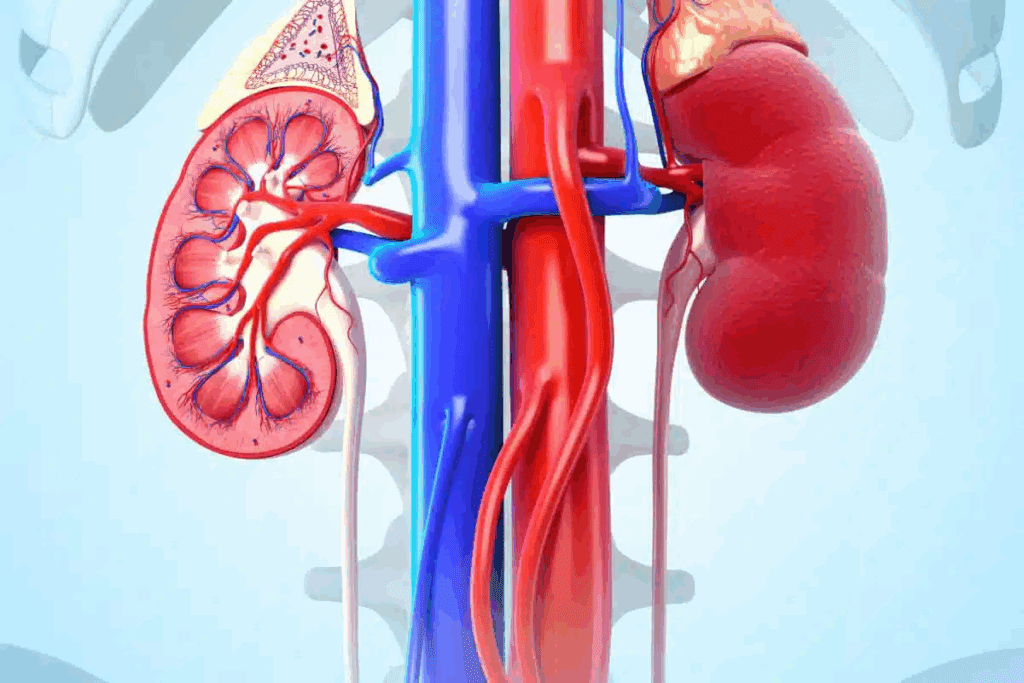
The kidneys are key to our health, filtering waste and excess fluids. They help keep our body’s fluids and electrolytes balanced. Knowing how they work is key to diagnosing and treating issues like oliguria and polyuria.
Normal Urine Output Ranges
How much urine we make changes with age, weight, and health. Adults and kids usually make about 0.5 ml/kg/hour of urine. For adults, this means making 800 – 2,000 mL of urine each day.
This info helps spot problems like oliguria (less urine) or polyuria (more urine).
Here are urine output ranges for different ages:
- Adults: 800 – 2,000 mL/day
- Children: 0.5 – 2 mL/kg/hour
- Infants: 1 – 2 mL/kg/hour
The Role of Kidneys in Urine Production
The kidneys filter waste, excess water, and impurities from the blood. They also control electrolytes, keep acid-base balance, and make hormones for bone and red blood cells. Urine production involves:
- Filtration: The kidneys filter the blood to remove waste and excess substances.
- Reabsorption: Useful substances like glucose, amino acids, and ions are reabsorbed into the bloodstream.
- Secretion: Additional waste products are secreted into the filtrate.
- Concentration: The kidneys concentrate or dilute the urine based on the body’s needs.
When we talk about oliguria vs polyuria, it’s important to know both are extremes. Oliguria might mean kidney or fluid issues. Polyuria could point to diabetes insipidus or drinking too much water. Knowing these signs helps manage kidney health.
Anuria and Oliguria: Definitions and Clinical Significance

It’s important to know what anuria and oliguria mean for diagnosis and treatment. These terms are related but describe different urine output issues. Each has its own clinical importance.
Clinical Definition of Oliguria
Oliguria means you’re not making much urine. In adults, it’s when you make less than 400 mL/day but more than 100 mL/day. It can show problems like dehydration, kidney issues, or blockages in the urinary tract.
Clinical Definition of Anuria
Anuria is when you make less than 100 mL/day of urine. It means your kidneys are not working well or there’s a big blockage. It’s a sign of serious illness or kidney damage.
“The difference between oliguria and anuria is big. It affects how we diagnose, treat, and predict outcomes.” – A leading nephrologist
Measurement Standards in Different Age Groups
How we measure oliguria and anuria changes with age. For kids, it’s based on their weight. Infants make less than 0.5 mL/kg/h, and older kids make less than 1 mL/kg/h. Knowing these helps doctors diagnose and treat better.
Understanding these conditions is key for good care. The exact definitions help doctors make the right choices. They’re not just interesting facts but essential for patient care.
The Spectrum of Urinary Output Disorders
Urinary output disorders include polyuria, oliguria, and anuria. Each has its own symptoms and treatments. Knowing about these conditions helps doctors give the right care.
Polyuria: Excessive Urine Production
Polyuria means making too much urine, over 3 liters a day. It can happen due to diabetes, drinking too much water, or some medicines. It’s important to find out why someone has polyuria to treat it right.
People with polyuria often pee a lot, wake up to pee, and feel thirsty. Doctors need to check what’s causing it through tests and talking to the patient.
Oliguria: Reduced Urine Output
Oliguria is when you pee less than 400 mL a day. It can mean your kidneys are not working well. Finding out why someone has oliguria quickly is key to stop kidney damage.
Oliguria can be caused by many things. Doctors must do tests and scans to figure out why.
Anuria: Minimal to No Urine Production
Anuria means you pee very little, less than 100 mL a day. It’s a sign of serious kidney problems or blockages. Anuria is a serious issue that needs quick action to fix.
People with anuria might feel tired, swollen, and confused. Doctors must act fast to avoid more problems.
It’s important for doctors to know about polyuria, oliguria, and anuria. Accurate diagnosis and quick action can greatly help patients.
Key Differences Between Anuria and Oliguria
It’s important to know the differences between anuria and oliguria for good patient care. Both involve less urine, but they are different in volume, severity, and what they mean for the future.
Volume Distinctions
The main difference is in how much urine is made. Oliguria means less than 400 mL in 24 hours for adults, but not zero. Anuria is when almost no urine is made, usually less than 50 mL in 24 hours.
This big difference in urine amount is key for diagnosis and treatment. Oliguria might mean less kidney problem than anuria, which is a bigger issue.
Clinical Severity Comparison
Anuria is usually more serious than oliguria. It often means a big blockage or kidney failure that needs quick help. Oliguria is serious too, but it can mean many things, like mild dehydration or serious kidney injury.
When we look at how serious these are, we must think about the cause and the patient’s situation. For example, oliguria after surgery might just be from not enough fluids. But anuria could mean something very bad, like a blockage in the kidney’s blood supply.
Prognostic Implications
Anuria usually means a worse outlook because it’s linked to serious kidney damage or blockages. Oliguria’s outlook depends on why it’s happening and how long it lasts.
It’s very important to catch and treat these problems early. Watching patients with oliguria closely for signs of getting worse is key. Quick action can make a big difference in how well they do.
In short, anuria and oliguria both mean less urine, but they are different in how much, how serious, and what they mean for the future. Knowing these differences helps us give the right care to each patient.
Pathophysiology of Reduced Urine Output
Reduced urine output, known as oliguria or anuria, is a sign of kidney trouble. It shows the kidneys are not working right. The kidneys help keep our body balanced by controlling fluids, electrolytes, and waste.
It’s important to know how the kidneys filter blood to make urine. This helps us understand why some people have less urine than others. Knowing this helps doctors find better ways to treat these problems.
Kidney Filtration Process
The kidneys filter blood through tiny units called glomeruli. This process is complex and can be affected by many things. Blood pressure, how much fluid we have, and what’s in our blood can all play a part.
The glomerular filtration rate (GFR) shows how well the kidneys are working. It measures how much fluid is filtered from the kidneys into the Bowman’s capsule each minute.
Mechanisms Leading to Oliguria
Oliguria means making less than 400 mL of urine in 24 hours for adults. It can happen for many reasons. For example, not enough blood flow to the kidneys can cause it.
Other reasons include heart problems or kidney damage. Knowing these reasons helps doctors find the right treatment.
Mechanisms Leading to Anuria
Anuria is when you make less than 50 mL of urine in 24 hours. It’s a sign of serious kidney trouble. Causes can include very low blood flow, blocked urine paths, or kidney damage.
Understanding these causes is key to treating anuria. It helps doctors find the right treatment for each patient.
The table below shows the main differences between oliguria and anuria:
| Characteristics | Oliguria | Anuria |
|---|---|---|
| Urine Output | <400 mL/24 hours | <50 mL/24 hours |
| Causes | Hypovolemia, hypotension, cardiac failure, ATN, glomerulonephritis | Severe hypoperfusion, bilateral urinary tract obstruction, cortical necrosis |
| Severity | Moderate kidney impairment | Severe kidney impairment |
By understanding oliguria and anuria, doctors can create better treatments. This helps improve patient care and outcomes.
Causes of Anuria and Oliguria
Anuria and oliguria have many causes. These include prerenal, renal, and postrenal factors. Knowing these causes helps in diagnosing and treating the conditions.
Prerenal Causes
Prerenal causes happen when blood flow to the kidneys is reduced. This leads to less urine being made. Common causes include:
- Dehydration
- Hypovolemia (low blood volume)
- Heart failure
- Severe blood loss
These issues cause the kidneys to not get enough blood. This leads to less urine being made.
Renal Causes
Renal causes damage the kidney tissues. This makes it hard for the kidneys to filter waste and make urine. Examples are:
- Acute kidney injury (AKI)
- Chronic kidney disease (CKD)
- Nephrotoxic substances
- Severe infections
These problems directly harm the kidneys. This results in less urine being made.
Postrenal Causes
Postrenal causes are about blockages in the urinary tract. This stops urine from flowing normally. Common causes include:
- Urinary tract obstruction
- Kidney stones
- Tumors
- Benign prostatic hyperplasia (BPH)
Fixing the blockage is key to getting urine flowing right again.
| Cause Category | Examples | Mechanism |
|---|---|---|
| Prerenal | Dehydration, Hypovolemia | Reduced blood flow to kidneys |
| Renal | AKI, CKD, Nephrotoxicity | Direct kidney damage |
| Postrenal | Obstruction, Kidney stones | Urinary tract blockage |
Knowing the causes of anuria and oliguria helps doctors create better treatment plans. This improves patient care and outcomes.
Progression from Oliguria to Anuria
It’s important to know when oliguria might turn into anuria. If oliguria isn’t treated quickly, it can lead to anuria. This shows a serious problem with the kidneys and needs urgent medical help.
Warning Signs of Worsening Kidney Function
There are signs that kidney function is getting worse. These include persistent oliguria, rising serum creatinine levels, and imbalances in electrolytes. We need to watch these signs closely to stop things from getting worse. Early detection helps us act fast and might stop anuria from happening.
Other signs include too much fluid, high blood pressure, and symptoms like nausea and tiredness. These signs mean the kidneys are not working right and we need to act quickly.
Timeline and Progression Factors
How fast oliguria turns into anuria can vary. It depends on the cause and how well treatment works. The severity of the problem, other health issues, and how fast we act all play a role.
Knowing these factors helps doctors figure out who’s at risk. This lets us focus on helping those who need it most.
Intervention Points to Prevent Progression
To stop oliguria from turning into anuria, we need to catch problems early and act fast. We can do this by managing fluids, keeping electrolytes balanced, and fixing the kidney problem.
- Optimizing fluid management to prevent dehydration or fluid overload.
- Monitoring and managing electrolyte imbalances to prevent complications.
- Addressing the underlying cause, whether it be prerenal, renal, or postrenal, to restore kidney function.
By acting at these key moments, we can stop anuria from happening. This helps keep the kidneys working well.
Clinical Presentation and Symptoms
It’s key for doctors to know the signs of oliguria and anuria to treat them well. These conditions show different symptoms that need quick medical help.
Common Symptoms of Oliguria
Oliguria means not making much urine. It shows as decreased urine volume and dark-colored urine. Sometimes, it causes swelling or edema from holding too much fluid.
People with oliguria might feel fatigue, shortness of breath, and confusion. This is because their kidneys or other body parts are not working right.
Signs and Symptoms of Anuria
Anuria means hardly any urine is made. Its symptoms are more serious than oliguria’s. People with anuria might have severe fluid overload, leading to pulmonary edema and hypertension.
They might also feel nausea, vomiting, and altered mental status. This is because toxins build up when the kidneys can’t clear them.
Associated Systemic Manifestations
Oliguria and anuria can show signs of bigger problems. These include electrolyte imbalances, acid-base disturbances, and inflammatory responses. Spotting these symptoms helps doctors find the real cause and treat it right.
Diagnostic Approach to Reduced Urine Output
Figuring out why someone isn’t making much urine is a detailed process. It uses many tools and methods. When someone has trouble making urine, we need to find out why and how to help them.
Initial Assessment and History Taking
First, we take a close look at the patient’s medical history and do a physical check-up. We look for things like recent surgeries, medicines, or health issues that might cause urine problems. Important parts of the history are how much fluid they drink, how much urine they make, and any pain or blood in their urine.
Laboratory Investigations
Lab tests are key in figuring out why someone isn’t making much urine. We check serum creatinine to see how well the kidneys are working. We also look at electrolytes and do a urinalysis to find out if there are problems like protein or blood in the urine. These tests help us figure out if the problem is with the kidneys or something else.
| Laboratory Test | Purpose | Interpretation |
|---|---|---|
| Serum Creatinine | Assess renal function | Elevated levels indicate impaired renal function |
| Electrolytes | Evaluate for imbalances | Abnormal levels may indicate specific renal or prerenal issues |
| Urinalysis | Examine for casts, proteinuria, or hematuria | Presence of certain findings can point to specific causes |
Imaging Studies
Imaging tests are often needed to find out why someone isn’t making much urine. A renal ultrasound is often the first imaging test to check for blockages, kidney size, and how the kidneys look. Other tests like CT scans or retrograde pyelography might be used in certain cases to get more information.
By using what we learn from history, lab tests, and imaging, we can find out why someone isn’t making much urine. Then, we can make a plan to help them.
Treatment Strategies for Oliguria
Treating oliguria needs a detailed plan. This includes giving fluids, using medicine, and finding the cause. It’s key to stop oliguria from getting worse and help patients get better.
Fluid Management
Fluid management is very important. It’s about checking how much fluid a patient has and giving them more if needed. Crystalloids are usually the first choice for fluids.
A study in the Journal of Critical Care Medicine showed early fluid help is vital. It leads to better results for patients with oliguria.
“Early fluid resuscitation is key in treating oliguria. It helps keep the kidneys working and stops damage.”National Kidney Foundation
Medication Interventions
Sometimes, medicine is needed to treat oliguria. Diuretics help increase urine flow in patients with oliguria, mainly when there’s too much fluid.
| Medication | Dosage | Indications |
|---|---|---|
| Furosemide | 20-80 mg IV | Fluid overload, oliguria |
| Hydrochlorothiazide | 25-100 mg PO | Mild fluid retention |
Addressing Underlying Causes
Finding and fixing the cause of oliguria is vital. This might mean fixing blockages, managing health issues, or changing medicines that cause oliguria.
With a full treatment plan that includes fluids, medicine, and fixing the cause, doctors can manage oliguria well. This helps patients get better.
Management of Anuria
Anuria, where little to no urine is produced, is a serious condition. It needs quick and thorough treatment to avoid more problems.
Emergency Interventions
First, we must tackle any life-threatening issues. Emergency steps include:
- Restoring fluid balance and ensuring adequate circulation
- Relieving any obstruction in the urinary tract
- Administering medications to support blood pressure and cardiac function
These actions are key to stabilizing the patient and setting the stage for more treatment.
Renal Replacement Therapy
When anuria is due to severe kidney damage, renal replacement therapy (RRT) might be needed. RRT can be:
| Therapy Type | Description | Indications |
|---|---|---|
| Hemodialysis | Uses a machine to filter blood outside the body | Acute kidney injury, severe electrolyte imbalances |
| Continuous Renal Replacement Therapy (CRRT) | Provides continuous filtration and fluid removal | Critically ill patients with fluid overload |
| Peritoneal Dialysis | Uses the peritoneum in the abdomen as a membrane to filter waste | Patients requiring gentle, continuous dialysis |
RRT is vital for managing anuria, mainly when other treatments don’t work.
Long-term Management Approaches
For those with ongoing anuria, long-term care is essential. This includes:
- Ongoing renal replacement therapy
- Management of underlying conditions contributing to anuria
- Nutritional support and fluid management
Managing anuria long-term needs a team effort. This team includes nephrologists, nurses, dietitians, and more.
Conclusion
It’s important for healthcare providers to know the difference between anuria and oliguria. Anuria means very little to no urine is made. Oliguria is when not enough urine is made. Both can show kidney problems.
We’ve looked at the main differences between anuria and oliguria. This includes what they are, why they matter, and the range of urine output issues. We’ve also talked about their causes, how they work, and how to diagnose them.
Managing anuria and oliguria well is key. For oliguria, it’s important to manage fluids and find the cause. For anuria, quick action and treatments like dialysis might be needed.
Healthcare providers can help by spotting early signs and knowing how to move from oliguria to anuria. This helps prevent worse problems and improves care for patients. Knowing the difference helps in giving better treatment, which is good for patients.
FAQ
What is the main difference between anuria and oliguria?
Anuria means very little to no urine is made, usually under 50 mL a day for adults. Oliguria is when you make less urine, often under 400 mL a day for adults.
How are oliguria and anuria measured in different age groups?
The way we measure these conditions changes with age. For kids, oliguria is under 0.5 mL/kg/h. For adults, it’s under 400 mL a day. Anuria is the same across ages, meaning very little to no urine.
What are the causes of anuria and oliguria?
These conditions can come from different sources. Prerenal causes include dehydration and shock. Renal causes are kidney problems like injury or disease. Postrenal causes are blockages in the urinary tract.
How do the clinical presentations of oliguria and anuria differ?
Oliguria means you make less urine. Anuria means almost no urine. Both can lead to fluid overload and electrolyte imbalances.
What is the diagnostic approach to reduced urine output?
First, we check how much urine you make. Then, we do blood tests and imaging like ultrasounds to find the cause.
How is oliguria treated?
We treat oliguria by making sure you drink enough water. We also use medicine and fix any blockages to help you make more urine.
What are the management strategies for anuria?
For anuria, we act fast to prevent serious problems. We might use dialysis to balance fluids and electrolytes. We also work on fixing the underlying cause.
Can oliguria progress to anuria?
Yes, if we don’t treat oliguria, it can turn into anuria. How fast it happens depends on the kidney damage and how quickly we act.
What is polyuria, and how does it differ from oliguria and anuria?
Polyuria means you make too much urine, over 3 liters a day for adults. It’s different from oliguria and anuria because you make way more urine than usual.
What are the prognostic implications of anuria versus oliguria?
Anuria is usually worse than oliguria because it means your kidneys are failing badly. Quick and right treatment is key for both conditions.
References
National Health Service (NHS). Anuria and Oliguria: Differentiation and Prompt Medical Intervention. Retrieved from https://www.nhs.uk/conditions/acute-kidney-injury/



 Departments
 Related Videos
 Our Doctors
 News
News