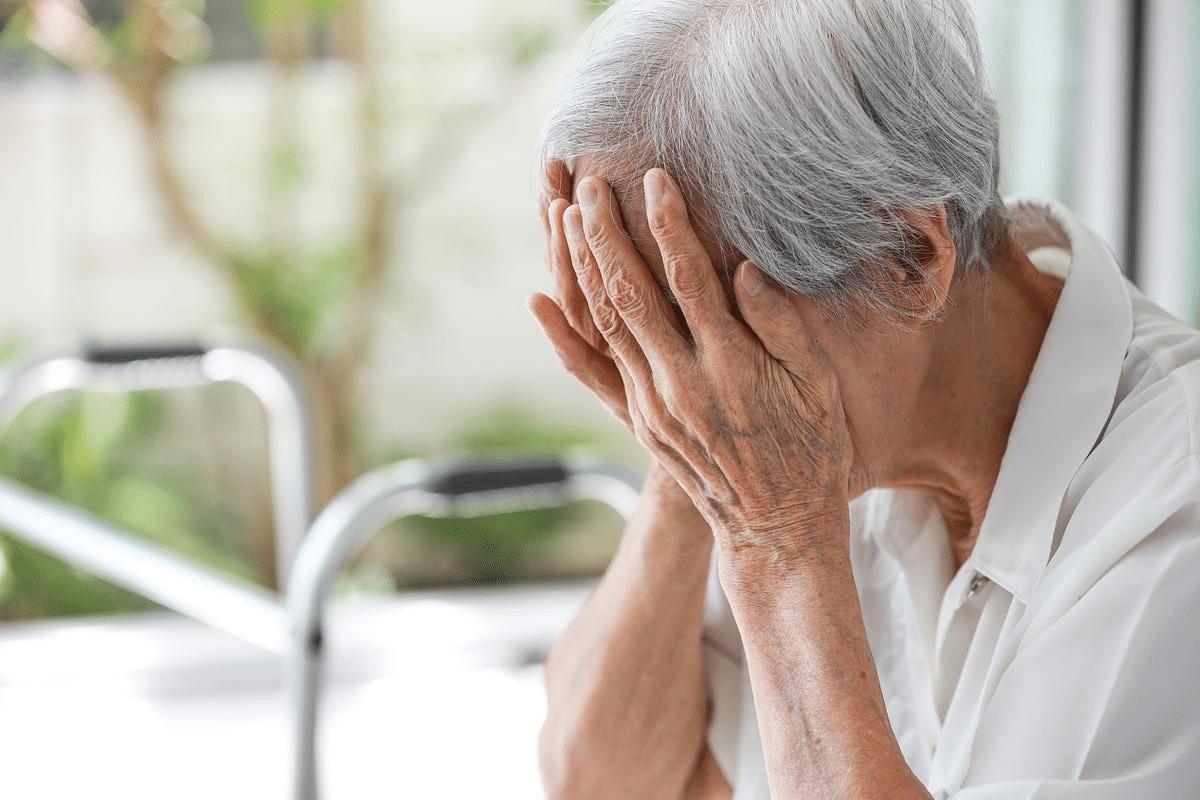
Anxiety disorders are a big mental health issue for seniors. They affect about 28% of older adults worldwide. As more people get older, it’s more important to manage anxiety in seniors well.anxiety in older people
Many older adults don’t get help for their anxiety, even though it can be treated. The best treatment usually includes talk therapy, medicine, or both. It depends on what each person needs.
We understand how complex anxiety and older adults can be. We want to help by giving detailed advice on managing severe anxiety. We focus on getting professional help and making lifestyle changes. Our goal is to help older adults live happy, fulfilling lives.
Key Takeaways
- Anxiety affects a significant portion of the older adult population worldwide.
- Effective treatment options are available, including talk therapy and medication.
- Personalized treatment plans are key for managing severe anxiety.
- Lifestyle changes are important for managing anxiety.
- Getting professional help is vital for treating anxiety in older adults.
Understanding Anxiety in Older People
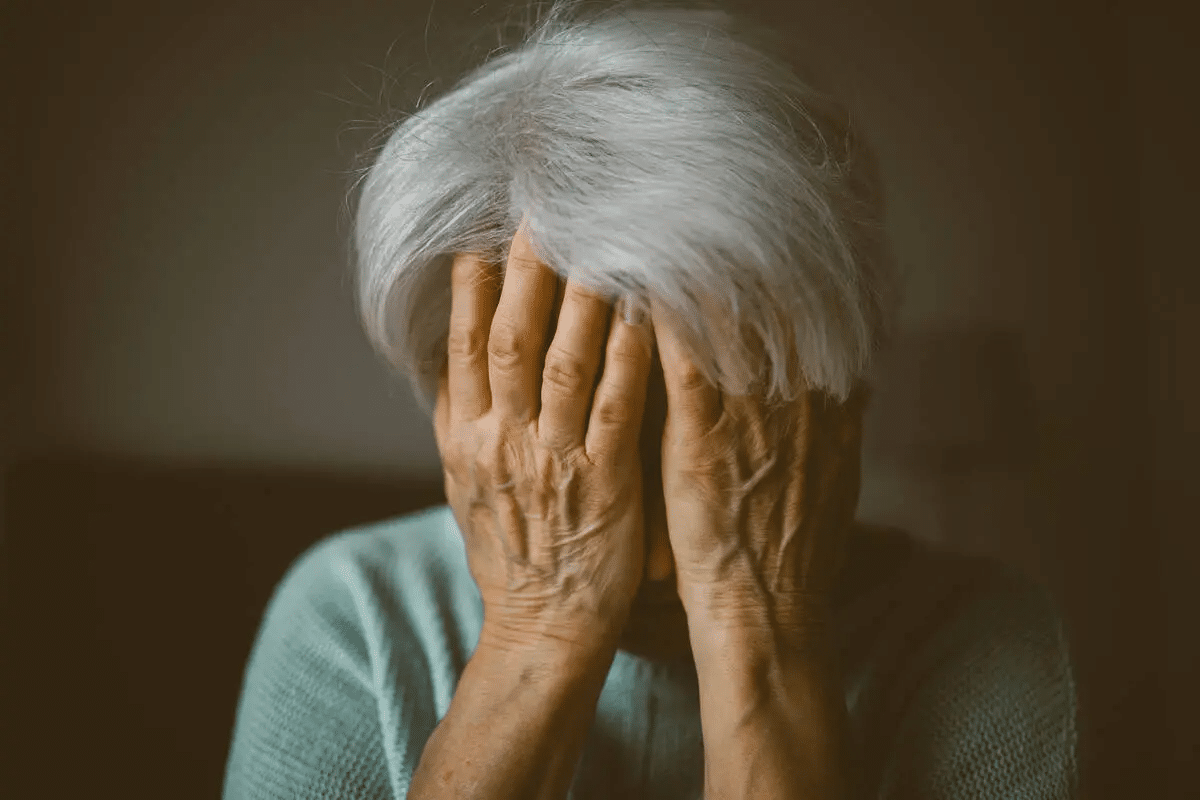
As the world’s population ages, anxiety in older adults is becoming more common. More people are reaching older age, highlighting the need to tackle mental health issues like anxiety.
Prevalence and Global Statistics
The World Health Organization says anxiety is a big problem for those over 70. Around 28% of older adults worldwide experience anxiety symptoms. This is not just occasional worry but a constant feeling of fear or unease that affects daily life.
Impact on Quality of Life and Independence
Anxiety can greatly affect an older adult’s quality of life and independence. It can make them less likely to do things they used to enjoy. It also strains relationships and makes everyday tasks harder. This can lead to a loss of autonomy, making anxiety worse.
Unique Challenges for Seniors with Anxiety
Older adults with anxiety face special challenges. These include other health problems, memory loss, and feeling isolated. These issues make diagnosing and treating anxiety more complex. Healthcare providers need to take a detailed and personalized approach to help.
Recognizing Symptoms of Severe Anxiety in Seniors

It’s key to know the signs of severe anxiety in seniors to help them live better. As we get older, anxiety can show up differently. So, it’s important to spot the signs that are specific to older adults.
Physical Manifestations
Anxiety in older adults often shows up as physical symptoms. Seniors might have a racing heart, trouble breathing, or stomach issues. These signs can be mistaken for other health problems of aging, making it hard to diagnose.
Cognitive and Emotional Signs
Seniors with severe anxiety also show cognitive and emotional signs. They might feel constant worry, fear, or unease. They could also have trouble concentrating or remembering things.
Behavioral Changes
Behavioral changes are another important sign of severe anxiety in seniors. They might avoid certain situations or places that make them anxious. They could also seem restless, agitated, or easily irritated.
Distinguishing from Dementia Symptoms
It can be tough to tell if a senior has anxiety or dementia. Both can cause memory problems or confusion. But, anxiety usually starts quickly, and the person knows they’re anxious. Dementia’s symptoms come on more slowly, and the person might not realize it.
Knowing how to spot severe anxiety in seniors helps healthcare providers and caregivers. They can then offer the right support.
Common Types of Anxiety Disorders in Older Adults
Anxiety disorders in older adults come in many forms. Each has its own traits and effects. Knowing about these disorders helps us care for and support them better.
Generalized Anxiety Disorder
Generalized Anxiety Disorder (GAD) is common in older adults. It’s marked by constant worry about many things, like health or money. This worry is hard to stop and can make people feel restless or irritable. GAD can really hurt daily life and happiness.
Panic Disorder
Panic Disorder affects older adults too. It’s when they have repeated panic attacks. These are intense fears or discomforts that last just minutes. Symptoms include fast heartbeats, sweating, and fear of losing control. Panic Disorder can be very scary and may cause people to avoid certain situations.
Social Anxiety
Social Anxiety Disorder makes people fear being judged in social situations. Older adults with this fear might stay away from social events. This can make them feel lonely and alone, which can make their anxiety worse.
Post-Traumatic Stress Disorder in Elderly
Post-Traumatic Stress Disorder (PTSD) can happen at any age, including in older adults. It comes after a traumatic event. Symptoms include flashbacks, severe anxiety, and thoughts about the trauma. Older adults with PTSD might have experienced trauma long ago, and age can make symptoms worse.
It’s key to understand these anxiety disorders to treat them well. Using both medicine and therapy can greatly improve life for older adults with anxiety.
- Generalized Anxiety Disorder is the most prevalent among older adults.
- Panic Disorder involves recurrent panic attacks and can lead to significant distress.
- Social Anxiety can result in avoidance of social interactions, leading to isolation.
- PTSD can be triggered or worsened by age-related factors and life events.
Risk Factors and Causes of Anxiety in Older People
Older adults face many challenges that can lead to anxiety. These challenges can make anxiety worse or start it.
Medical Conditions and Comorbidities
Older adults often have chronic health issues. These can affect their mental health a lot. For example, heart disease, diabetes, and chronic pain can cause anxiety. Also, having more than one health problem can make diagnosing and treating anxiety harder.
Common medical conditions associated with anxiety in older adults include:
- Cardiovascular disease
- Diabetes
- Chronic obstructive pulmonary disease (COPD)
- Chronic pain
- Neurodegenerative diseases like Alzheimer’s and Parkinson’s
Medication Side Effects and Interactions
Older adults often take many medicines. This can cause side effects and interactions that may lead to anxiety. Some medicines, like corticosteroids and certain antidepressants, can make anxiety worse.
Healthcare providers need to carefully check medication lists to avoid side effects and interactions that could make anxiety worse.
Social Isolation and Loss
Feeling alone and losing loved ones can make anxiety worse in older adults. Losing a spouse, friends, or having trouble moving can make people feel lonely and anxious.
Strategies to fight social isolation include:
- Encouraging participation in community activities
- Using technology to stay connected with family and friends
- Supporting the development of new social connections
Gender Differences in Anxiety Risk
Studies show that older men and women face anxiety differently. Women tend to experience anxiety more than men. The reasons for this are complex and involve many factors.
It’s important to understand these differences. This helps in creating specific plans to help older men and women with anxiety.
Professional Assessment and Diagnosis
Diagnosing anxiety in older adults needs a detailed and special method. As we get older, anxiety can show up in different ways. It might mix with other health problems or changes in thinking.
Specialized Geriatric Mental Health Evaluation
A specialized geriatric mental health evaluation is key for diagnosing anxiety in older adults. This check-up looks at the person’s medical history, current health, and mental health signs. We use this detailed method to meet each patient’s unique needs.
Screening Tools for Elderly Anxiety
There are screening tools to spot anxiety in older adults. These include questionnaires and rating scales to measure anxiety levels. For example, the Geriatric Anxiety Inventory (GAI) is a tool made for older adults.
Distinguishing Anxiety from Other Conditions
It’s hard to tell if an older adult has anxiety or another condition like dementia or depression. A thorough check is needed to tell them apart.
When to Seek Immediate Help
It’s important to know when an older adult with anxiety needs help right away. Look for severe anxiety, suicidal thoughts, or big changes in behavior or health. We stress the need for quick professional help in these cases.
Pharmacological Treatments for Elderly Anxiety
For many older adults, medicine can help with anxiety. As we get older, our bodies change. This can affect how medicines work. So, it’s important to think about these changes when choosing a treatment.
Antidepressants for Older Adults
Antidepressants are often used for anxiety in older adults. Selective serotonin reuptake inhibitors (SSRIs) are usually the first choice. They have fewer side effects than older antidepressants. But, it’s key to watch patients closely because SSRIs can sometimes make anxiety worse at first.
- Commonly prescribed SSRIs include sertraline and escitalopram.
- Dosage adjustments may be necessary due to age-related changes in metabolism.
Anti-Anxiety Medications and Special Considerations
Benzodiazepines, like alprazolam and lorazepam, help with severe anxiety but are used with caution in older adults. They can cause cognitive impairment, falls, and dependence. If used, they should be at the lowest dose for the shortest time.
- Assess the patient’s risk factors for falls and cognitive decline.
- Consider alternative treatments before initiating benzodiazepines.
Managing Medication Side Effects
It’s important to manage side effects of medicines for anxiety in older adults. Common side effects include nausea, dry mouth, and drowsiness. We should teach patients about these side effects and tell them to report any problems quickly.
- Regular follow-up appointments to monitor side effects and adjust dosages.
- Patient education on managing common side effects.
Medication Interactions and Reduced Dosing
Older adults often take many medicines, which can lead to drug interactions. We must check their medication list to avoid these problems. Sometimes, we need to adjust the doses to prevent bad effects.
- Regular medication reviews to identify possible interactions.
- Dose adjustments based on age-related changes in drug metabolism.
By carefully thinking about these points and working with healthcare providers, older adults can get help for anxiety. This can be done while keeping risks low.
Psychotherapeutic Approaches for Older Adults with Anxiety
Older adults with anxiety can find help through various psychotherapies. These therapies are made to meet the special needs of seniors. They aim to improve mental health and quality of life.
Cognitive Behavioral Therapy Adaptations
Cognitive Behavioral Therapy (CBT) is a great talk therapy for anxiety. For seniors, CBT is adjusted to fit any physical or mental challenges. Key adaptations include:
- Simplifying concepts and using clear language
- Incorporating memory aids and homework assignments
- Focusing on practical, real-life applications
These changes help seniors get the most out of CBT. It helps them manage anxiety by changing negative thoughts and behaviors.
Relaxation and Mindfulness Techniques
Relaxation and mindfulness techniques are great for anxiety. Deep breathing exercises, progressive muscle relaxation, and mindfulness meditation reduce stress and promote calm.
These methods can be done in groups or alone. They can be adjusted for different mobility and cognitive levels.
Group Therapy Benefits
Group therapy is very beneficial for older adults with anxiety. It includes:
- Social support and connection
- Opportunities to share experiences and learn from others
- Reduced feelings of isolation
Group therapy works well with other therapies like CBT or relaxation techniques.
Teletherapy Options for Limited Mobility
Teletherapy is a good choice for seniors with mobility issues or those in remote areas. It involves therapy sessions over video or phone calls. This way, they can get support from home.
Teletherapy is getting more popular. It’s great for seniors who can’t easily go to in-person therapy sessions.
Complementary and Alternative Treatments
Complementary and alternative treatments offer a holistic approach to managing anxiety in older adults. They focus on physical, emotional, and social health. These therapies can be used alongside conventional treatments to enhance overall well-being and provide additional support.
Exercise and Physical Activity Programs
Regular exercise is a powerful tool in managing anxiety. Physical activity programs tailored for older adults can help reduce symptoms of anxiety. Activities such as brisk walking, swimming, and cycling are excellent options. We recommend at least 30 minutes of moderate-intensity exercise per day.
- Brisk walking
- Swimming
- Cycling
- Resistance training
Yoga and Tai Chi for Anxiety Management
Yoga and tai chi are mind-body practices that combine physical movement with deep breathing and meditation techniques. These practices have been shown to reduce anxiety by promoting relaxation and improving mood. Many yoga and tai chi classes are designed for older adults, focusing on gentle movements and breathing exercises.
Nutritional Approaches and Supplements
A well-balanced diet rich in fruits, vegetables, whole grains, and lean proteins can help support mental health. Certain nutrients, such as omega-3 fatty acids, vitamin D, and magnesium, have been linked to reduced anxiety symptoms. While supplements can be beneficial, it’s essential to consult with a healthcare provider before adding any new supplements to your regimen.
- Increase consumption of omega-3 rich foods
- Ensure adequate vitamin D levels
- Include magnesium-rich foods in your diet
Music and Art Therapy
Creative therapies like music and art therapy can provide an outlet for expression and stress relief. Engaging in creative activities can help reduce anxiety by promoting relaxation and improving mood. Many community centers and healthcare facilities offer music and art therapy programs for older adults.
By incorporating these complementary and alternative treatments into their care plan, older adults with anxiety can experience improved overall well-being and enhanced anxiety management.
Creating Support Systems for Anxious Older Adults
Helping older adults manage anxiety starts with a supportive environment. A good support system meets their physical, emotional, and social needs. This improves their quality of life greatly.
Family Education and Involvement
Teaching family about anxiety in older adults is key. It helps them understand and support their loved ones better. Family involvement leads to better care and anxiety management.
“Family support is not just about being present; it’s about understanding and responding to the needs of our loved ones,” says Medical Expert, a geriatric psychiatrist. Family education programs offer valuable insights and strategies for supporting anxious older adults.
Caregiver Training and Support
Caregivers are vital in supporting older adults with anxiety. Giving them specialized training helps them manage anxiety symptoms better. This improves the care they provide.
- Understanding anxiety disorders
- Effective communication techniques
- Stress management for caregivers
Community Resources and Support Groups
Community resources and support groups are key. They help older adults feel less isolated and lonely. They connect with others facing similar challenges.
Support groups can be found at local centers, healthcare providers, or online. These groups offer a safe space to share and learn from others.
Home Environment Modifications
Changing the home environment can reduce anxiety in older adults. Simple changes like reducing clutter and improving lighting can help a lot.
Creating a calm and safe living space is important. This includes removing hazards, installing safety features, and ensuring good ventilation and comfort.
Conclusion
Treating anxiety in older adults needs a full plan. This plan includes professional help, lifestyle changes, and support. We’ve looked at how common anxiety is, its signs, who’s at risk, and how to treat it.
Older adults can manage their anxiety with the right mix of medicines, therapy, and other treatments. It’s important to understand their special challenges. Then, we can tailor treatments to fit their needs.
Healthcare providers have a big role in helping older adults with anxiety. By using a complete approach, we can help them live better lives. This way, they can stay independent and happy.
FAQ
What are the most common symptoms of severe anxiety in older adults?
Older adults with severe anxiety may show physical signs like a fast heartbeat and sweating. They might also feel shaky, have trouble focusing, and get easily upset. Avoiding certain situations is another common sign.
How is anxiety in older adults diagnosed?
Doctors use a detailed mental health check-up to spot anxiety in older adults. They look for signs and use special tools to make sure it’s not something else like dementia or depression.
What are the treatment options for anxiety in older adults?
There are several ways to treat anxiety in older adults. Doctors might prescribe medicine or suggest therapy like cognitive behavioral therapy (CBT). Exercise, yoga, and healthy eating can also help.
How can family members and caregivers support older adults with anxiety?
Family and caregivers can help by learning about anxiety and getting involved. They can also get training, use community resources, and make the home environment more calming.
Can anxiety in older adults be treated without medication?
Yes, many older adults can manage anxiety without medicine. This can be done through therapy, lifestyle changes, and other treatments. But sometimes, medicine is needed for severe cases.
What are the benefits of group therapy for older adults with anxiety?
Group therapy offers many benefits for older adults with anxiety. It provides support, a chance to share experiences, and learn from others. This can really help in managing anxiety.
How does social isolation contribute to anxiety in older adults?
Social isolation can make anxiety worse in older adults. It reduces support, makes them feel lonely, and can make anxiety symptoms worse.
What role do medical conditions play in causing anxiety in older adults?
Medical issues can cause anxiety in older adults. This can be through symptoms or the emotional impact of dealing with chronic illness.
Are there any specific anxiety disorders more common in older adults?
Yes, certain anxiety disorders like Generalized Anxiety Disorder (GAD) and PTSD are common in older adults. Each needs a special approach to manage.
How can teletherapy help older adults with limited mobility?
Teletherapy is very helpful for older adults who can’t move around easily. It lets them get therapy from home, avoiding travel and physical barriers.
References
World Health Organization. Evidence-Based Medical Guidance. Retrieved from
https://www.who.int/news-room/fact-sheets/detail/mental-health-of-older-adults