
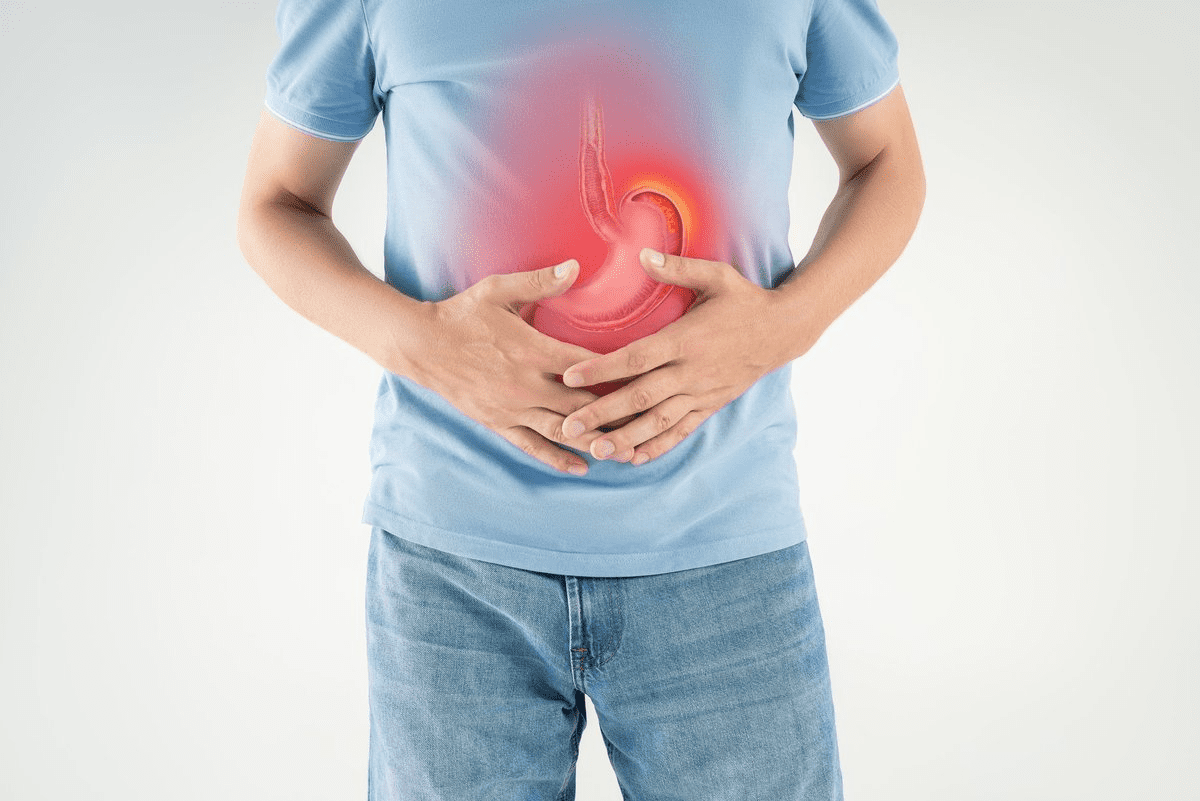
The link between anxiety and stomach health is fascinating. Recent studies have shown a clear connection. People with anxiety disorder are more likely to get peptic ulcers.
Research shows a strong link between peptic ulcer and anxiety. Those with anxiety are 2.2 times more likely to get peptic ulcers. At Liv Hospital, we use the latest diagnostic tools and holistic care. We focus on both mental health and digestive health.
Key Takeaways
- Individuals with generalized anxiety disorder are 2.2 times more likely to develop peptic ulcers.
- The connection between anxiety and stomach ulcers is supported by recent research.
- Comprehensive care addressing both psychological and digestive health is key.
- Liv Hospital offers patient-centered care combining advanced diagnostics and holistic strategies.
- Understanding the link between anxiety and ulcers can lead to better treatment outcomes.
What Are Stomach Ulcers? Understanding the Basics

Gastric ulcers, or stomach ulcers, are sores in the stomach lining. They cause discomfort and pain. These ulcers are part of peptic ulcer disease, which also includes duodenal ulcers in the small intestine.
Definition and Types of Ulcers
Stomach ulcers are open sores on the stomach’s inside lining. The main types are:
- Gastric ulcers: Ulcers in the stomach.
- Duodenal ulcers: Ulcers in the duodenum, the small intestine’s first part.
- Peptic ulcers: Both gastric and duodenal ulcers together.
Common Symptoms of Stomach Ulcers
Stomach ulcer symptoms vary but include:
- Persistent stomach pain or discomfort.
- Bloating and feeling full.
- Nausea and vomiting.
- Loss of appetite.
- Weight loss.
These symptoms can also be signs of other conditions. It’s important to see a healthcare professional for a correct diagnosis.
Traditional Causes of Ulcers
Traditionally, stomach ulcers are linked to two main causes:
- Helicobacter pylori (H. pylori) infection: A bacterial infection that damages the stomach lining.
- Nonsteroidal anti-inflammatory drugs (NSAIDs): Long-term use of NSAIDs can irritate the stomach lining, causing ulcers.
Knowing these basics helps understand how anxiety can affect ulcer development. Managing both conditions can improve health outcomes.
The Science Behind Anxiety and Physical Health

Anxiety affects our physical health in many ways. It’s not just a mental issue; it impacts our body, like our digestive system.
How Anxiety Affects the Body
Anxiety sets off a chain of physical reactions. It activates our “fight or flight” response, releasing stress hormones. These hormones get our body ready to face or run from danger, affecting our digestive system.
Stress hormones can change how we digest food. They reduce blood flow to the digestive tract, slow digestion, and change the gut microbiota. This can cause stomach problems, from mild to severe like ulcers.
The Gut-Brain Connection
The gut and brain talk to each other through the vagus nerve. This connection is key in how anxiety and ulcers are linked. Research shows that our gut microbiota affects our brain, and stress can upset this balance, causing stomach issues.
“The gut microbiota is vital for a healthy balance between the gut and brain. Changes in this balance can lead to anxiety and stomach problems.”
People with anxiety often have an unbalanced gut microbiota. This imbalance can make their anxiety worse and increase the risk of ulcers.
Stress Response and Digestive Function
Stress from anxiety affects our digestion. When stressed, our body sends less blood to digestion and more to muscles. This can weaken the stomach lining, making it more likely to get ulcers.
Physiological Response | Effect on Digestive System |
Increased Stress Hormones | Reduced blood flow to digestive tract, slowed digestion |
Altered Gut Microbiota | Imbalance in gut bacteria, potentially leading to gastrointestinal issues |
Reduced Protective Stomach Lining | Increased risk of stomach ulcers |
It’s important to understand how anxiety affects our physical health. Knowing about the gut-brain connection and how stress impacts digestion helps in finding treatments for anxiety-related ulcers.
The Anxiety Ulcer Connection: What Research Shows
Research is showing that anxiety can lead to peptic ulcers. It’s not just a coincidence. The link between anxiety and ulcers is real.
Statistical Evidence: 2.2x Greater Risk with Generalized Anxiety
People with generalized anxiety disorder face a higher risk of getting peptic ulcers. They are 2.2 times more likely to get ulcers than those without anxiety. This shows how important it is to look at both the mind and body when treating ulcers.
Danish Cohort Study Findings
A Danish study looked at how stress affects ulcers. It followed a big group for years, watching for ulcers and anxiety levels. The study found that stress is a big risk factor for ulcers. It shows we need to treat both mental and physical health together.
Korean Health Survey Results
Korean health surveys also shed light on the anxiety-ulcer link. They looked at many people and found anxiety and ulcers are connected. People with more anxiety were more likely to get ulcers. This supports the idea that mental and stomach health are linked.
Study | Population | Key Finding |
Danish Cohort Study | Large cohort followed over several years | Psychological stress increases peptic ulcer risk |
Korean Health Survey | Wide demographic surveyed | Correlation between anxiety and ulcer incidence |
Generalized Anxiety Study | Individuals with generalized anxiety disorder | 2.2x greater risk of developing peptic ulcers |
These studies together show a strong link between anxiety and peptic ulcers. As we learn more, it’s clear treating anxiety is key to preventing and treating ulcers.
How Anxiety Can Lead to Stomach Ulcers
It’s important to know how anxiety affects our stomach. Anxiety can harm our digestive system, leading to stomach ulcers.
Physiological Mechanisms
Anxiety and ulcers are linked through complex body processes. When we feel anxious, our body’s stress response kicks in. This releases hormones and chemicals that can mess with our digestion.
Key physiological changes include:
- Increased production of stomach acid
- Reduced protective mechanisms in the stomach lining
- Altered gut motility and blood flow
Increased Stomach Acid Production
Anxiety makes our stomach produce more acid. This is a big factor in getting ulcers. Too much acid can damage the stomach lining, causing ulcers.
The process involves:
- Stimulation of the vagus nerve, which controls stomach acid secretion
- Release of stress hormones like cortisol, which can enhance acid production
Impact on Stomach Lining Protection
Anxiety also weakens the stomach’s protective lining. Normally, the stomach has defenses against acid. But anxiety can wear down these defenses, making ulcers more likely.
Factors Affecting Stomach Lining Protection | Normal Condition | Anxiety-Induced Condition |
Stomach Mucus Production | Adequate protection against acid | Reduced mucus production |
Blood Flow to Stomach Lining | Normal, supporting healing | Reduced, impairing healing |
Regeneration of Stomach Cells | Efficient regeneration | Impaired regeneration |
Knowing how anxiety affects our stomach is key to preventing and treating ulcers.
The Role of H. Pylori in Anxiety-Related Ulcers
To understand H. pylori’s role in anxiety-related ulcers, we must examine its impact on the stomach. Helicobacter pylori (H. pylori) lives in the stomach lining. It plays a big part in peptic ulcers and can make anxiety symptoms worse.
What is Helicobacter Pylori?
Helicobacter pylori is a stomach bacterium linked to many stomach problems. It damages the stomach lining, causing ulcers and possibly stomach cancer. Most people get it as kids and keep it unless treated.
Prevalence in 50-75% of Global Population
About 50-75% of people worldwide have H. pylori. Its spread changes based on where you live, your income, and age. In poor areas, up to 90% of people may have it. This makes it a big health issue, mainly in places with bad sanitation.
Interaction Between Anxiety, Stress, and H. Pylori
The link between anxiety, stress, and H. pylori is complex. Studies show that people with H. pylori and high anxiety or stress are more likely to get ulcers. Stress and anxiety can weaken the immune system, making it harder to fight off H. pylori. This can increase inflammation and ulcer risk.
H. pylori can also mess with the gut-brain axis, making anxiety and stress worse. This shows why treating both the infection and the psychological factors is key for anxiety-related ulcers.
Different Anxiety Disorders and Their Impact on Ulcer Risk
It’s important to know how different anxiety disorders can affect stomach ulcers. Each anxiety disorder has its own way of impacting our health. This knowledge helps in preventing and treating ulcers more effectively.
Generalized Anxiety Disorder and Ulcers
Generalized Anxiety Disorder (GAD) makes people worry a lot about everyday things. Studies show that people with GAD are more likely to get stomach ulcers. This is because their anxiety can make more stomach acid, which can harm the stomach lining and cause ulcers.
Key Findings:
- Increased stomach acid production
- Higher risk of ulcer development
- Impact on the gut-brain axis
Panic Disorder’s Elevated Ulcer Risk
Panic disorder also raises the risk of stomach ulcers. The intense fear or discomfort in panic disorder can really affect the digestive system.
The physiological response during a panic attack can cause nausea and stomach pain. These symptoms can lead to ulcers if not managed well.
Anxiety Disorder | Ulcer Risk | Key Factors |
Generalized Anxiety Disorder | High | Increased stomach acid, gut-brain axis impact |
Panic Disorder | Elevated | Physiological response during panic, nausea, abdominal discomfort |
Social and Specific Phobias | Moderate | Stress response, avoidance behaviors |
Social and Specific Phobias’ Connection to Digestive Health
Social and specific phobias can also affect our digestive health, even if they seem less severe. The stress and anxiety from these phobias can change how we eat and stress our digestive system.
Knowing how these anxiety disorders relate to ulcer risk helps in creating better treatments. For example, using relaxation techniques or therapy can help manage stress.
The Bidirectional Nature of Anxiety and Ulcers
Anxiety and ulcers have a complex relationship. Anxiety can make ulcers worse, and ulcers can also make anxiety worse. This is a two-way street.
How Ulcers Can Trigger Anxiety
Ulcers can be very painful and uncomfortable. This can lead to increased stress and anxiety. The fear of complications or needing ongoing treatment can also raise anxiety levels.
The symptoms of ulcers, like stomach pain, can be scary. This can make anxiety even worse.
People with ulcers often worry about their condition and how it affects their life. They might worry about future health problems. This worry can turn into general anxiety or health-related anxiety.
The Cycle of Anxiety and Digestive Symptoms
Anxiety and ulcers create a vicious cycle. Anxiety can make ulcer symptoms worse, which in turn can make anxiety worse. It’s hard to stop this cycle without help.
Stress and anxiety can make the stomach produce more acid. This can irritate the ulcer and make symptoms worse. This creates a loop where anxiety about symptoms makes symptoms worse, and vice versa.
Breaking the Anxiety-Ulcer Cycle
To break this cycle, we need to tackle both physical and mental health. Treatment strategies might include medicine for the ulcer and therapy for anxiety.
We suggest a plan that includes lifestyle changes like stress management and diet changes. Cognitive-behavioral therapy (CBT) can also help with anxiety. By treating both the ulcer and anxiety, people can improve their health and well-being.
Diagnosing Ulcers in Patients with Anxiety
When anxiety and ulcers happen together, finding the right diagnosis is key. It’s hard to tell if someone has ulcers or anxiety because their symptoms can look the same.
Distinguishing Between Anxiety Symptoms and Ulcer Symptoms
Anxiety can make you feel sick to your stomach, causing pain and changes in how you go to the bathroom. These feelings can be like ulcers or hide them. Doctors have to look closely at each patient to figure out what’s going on.
Doctors need to know about your health history and how long you’ve been feeling sick. They also look at what makes your pain better or worse. For example, pain from ulcers usually hurts more when you eat, but anxiety can make you feel pain anywhere.
When to Seek Medical Attention
If you have bad stomach pain, throw up blood, or see black stools, get help right away. These are warning signs that need quick doctor visits.
Even if you think your pain is from anxiety, it’s important to see a doctor. They can check for ulcers and other problems. Finding and treating ulcers early can really help, even if you also have anxiety.
Diagnostic Procedures
To find ulcers, doctors use:
- Endoscopy to see inside your stomach
- Tests for H. pylori infection
- Imaging studies sometimes
We suggest that people with anxiety and suspected ulcers get a full check-up. This way, we can treat both problems and make you feel better.
Treatment and Prevention Strategies for Anxiety-Related Ulcers
Managing anxiety-related ulcers needs a mix of medical care, psychological help, and lifestyle changes. The link between anxiety and ulcers is complex. So, we need a plan that tackles both the physical and mental sides.
Medical Treatments
Doctors use various treatments for anxiety-related ulcers. Antibiotics are often given to fight H. pylori infection, which can cause ulcers. Medicines that lower stomach acid, like PPIs and H2-receptor antagonists, also help heal ulcers and ease symptoms.
Psychological Interventions
Psychological help is key in managing anxiety-related ulcers. Cognitive-behavioral therapy (CBT) is very effective. It helps people change their negative thoughts and behaviors, lowering anxiety and the chance of ulcers.
Lifestyle Modifications
Changing your lifestyle is important for treating and preventing anxiety-related ulcers. Stress management techniques like meditation, yoga, and deep breathing can reduce anxiety. Eating less spicy food, avoiding caffeine and alcohol, and eating more fruits, vegetables, and whole grains also helps.
Preventive Approaches
To prevent anxiety-related ulcers, managing anxiety and keeping your gut healthy is key. Regular health check-ups can catch H. pylori infections early. Also, using stress-reduction methods and living a healthy lifestyle can lower the risk of ulcers.
With a treatment plan that includes medical care, psychological help, and lifestyle changes, you can manage anxiety-related ulcers. This improves your overall well-being.
Conclusion: Managing Both Anxiety and Ulcers for Better Health
Managing both anxiety and ulcers is key for good health. Anxiety and ulcers are linked through the gut-brain axis. People with anxiety are more likely to get stomach ulcers, often due to Helicobacter pylori.
Effective management needs a full plan. This includes treating ulcers and anxiety. It also means using stress-reducing techniques and changing diets.
Knowing the connection between anxiety and ulcers helps us act early. We can live healthier by eating right, seeing doctors when needed, and following treatment plans. Anxiety can lead to ulcers, but with Helicobacter pylori, the risk is higher.
By focusing on both body and mind, we can live better. We must care for our physical and mental health to get the best results.
FAQ
Can anxiety cause stomach ulcers?
Yes, anxiety can lead to stomach ulcers. Studies show that people with anxiety are more likely to get peptic ulcers.
What is the connection between H. pylori and anxiety-related ulcers?
H. pylori infection is a big reason for peptic ulcers. It can make anxiety and stress worse, leading to more ulcers.
How does anxiety affect the body to lead to stomach ulcers?
Anxiety can mess with digestion, make more stomach acid, and hurt the stomach lining. This increases the risk of ulcers.
Can ulcers cause anxiety?
Yes, ulcers can make anxiety worse. This creates a cycle where anxiety makes ulcers worse, and ulcers make anxiety worse.
What are the symptoms of stomach ulcers that I should look out for if I have anxiety?
Look out for stomach pain, nausea, vomiting, and weight loss. If you have anxiety, it’s key to know the difference between anxiety and ulcer symptoms. See a doctor if you’re unsure.
How are anxiety-related ulcers diagnosed?
Doctors use a full approach to diagnose ulcers in anxious patients. This includes looking at medical history, doing a physical exam, and using tests like endoscopy and biopsy.
What are the treatment options for anxiety-related ulcers?
Treatments include antibiotics for H. pylori, therapy like CBT, and lifestyle changes. Stress management and diet changes are also important.
Can anxiety disorders other than generalized anxiety disorder increase the risk of ulcers?
Yes, other anxiety disorders like panic disorder can also raise ulcer risk. Knowing your specific anxiety disorder is key to managing it well.
How can I prevent anxiety-related ulcers?
To prevent ulcers, manage your anxiety, eat well, avoid NSAIDs, and get regular check-ups for H. pylori.
Is there a bidirectional relationship between anxiety and ulcers?
Yes, anxiety and ulcers have a two-way relationship. Anxiety can lead to ulcers, and ulcers can make anxiety worse.
Can Helicobacter pylori infection cause anxiety?
H. pylori infection doesn’t directly cause anxiety. But, it can lead to ulcers, which can then trigger or worsen anxiety.
References:
National Center for Biotechnology Information. Evidence-Based Medical Guidance. Retrieved from https://pubmed.ncbi.nlm.nih.gov/12461190/



 Departments
 Related Videos
 Our Doctors
 News
News