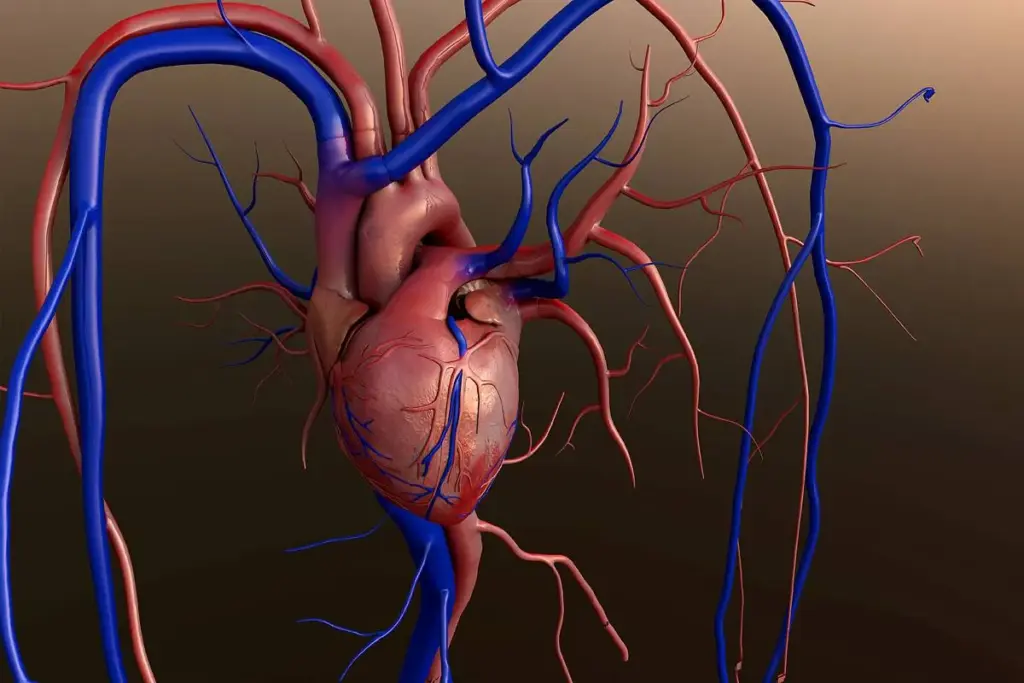
Nearly 40,000 aortic valve replacements happen every year in the United States. This shows how common and important aortic surgery is. Learn how the aortic surgery procedure is performed. Get the crucial and powerful steps involved in repairing the aorta.
Aortic problems like aneurysms and valve issues need careful surgery. The aortic surgery procedure uses different methods. These include aortic valve replacement and aortic aneurysm repair.
It’s key for both patients and doctors to understand aortic surgery. By diving into the details of aortic surgery, we can see the progress and complexity in this area.
Key Takeaways
- Aortic surgery is a critical intervention for various aortic conditions.
- The aortic surgery procedure includes techniques like valve replacement and aneurysm repair.
- Annual statistics show a significant number of aortic valve replacements.
- Understanding aortic surgery is essential for patients and medical professionals.
- Aortic conditions require precise and effective surgical interventions.
Understanding the Aorta and Its Importance
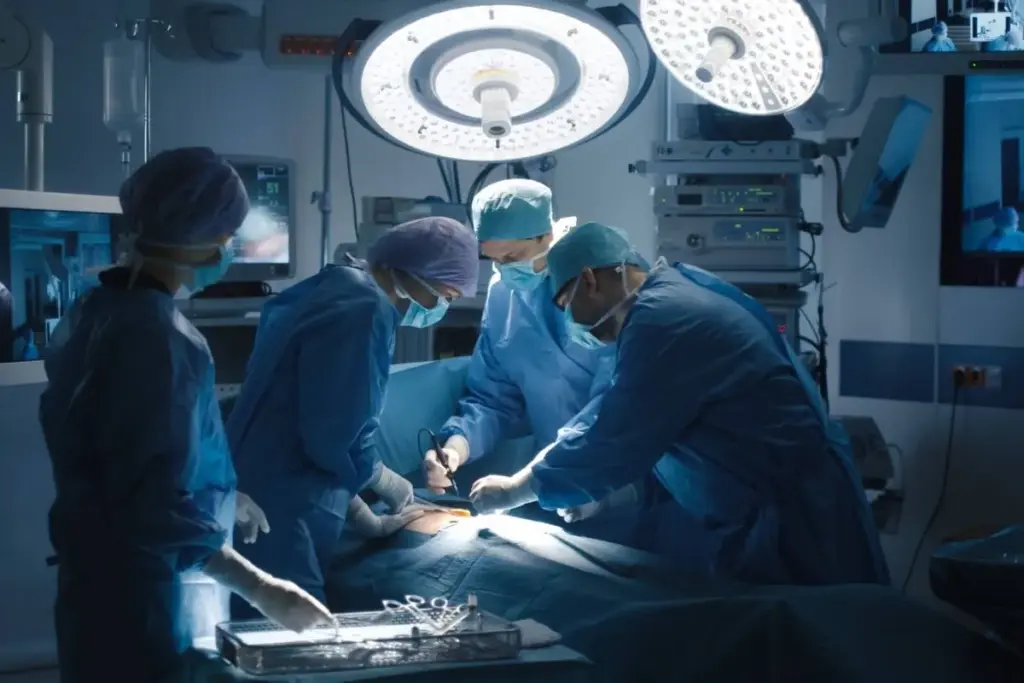
Knowing about the aorta’s anatomy is key to understanding heart health and why aortic surgery is needed. The aorta is a major artery that starts at the heart and goes down to the belly. There, it splits into smaller arteries.
Anatomy of the Aorta
The aorta has different parts: the ascending aorta, the aortic arch, and the descending aorta. The ascending aorta comes from the left ventricle of the heart. The aortic arch curves back and to the left, supplying blood to the head and upper limbs. The descending aorta goes down through the chest and belly.
The aorta’s wall has three layers: the intima, media, and adventitia. The intima is the innermost layer. The media has smooth muscle and elastic fibers. The adventitia is the outermost layer, adding support.
Common Aortic Conditions Requiring Surgery
Several conditions can affect the aorta, needing surgery. These include:
- Aortic Aneurysms: A localized enlargement of the aorta that can occur at any segment.
- Aortic Dissection: A tear in the intimal layer of the aorta, allowing blood to flow between the layers of the aortic wall.
- Aortic Valve Disease: Conditions affecting the aortic valve, which can lead to stenosis or regurgitation.
These conditions highlight the aorta’s importance and the need for quick medical action when they happen.
Types of Aortic Conditions Requiring Surgical Intervention
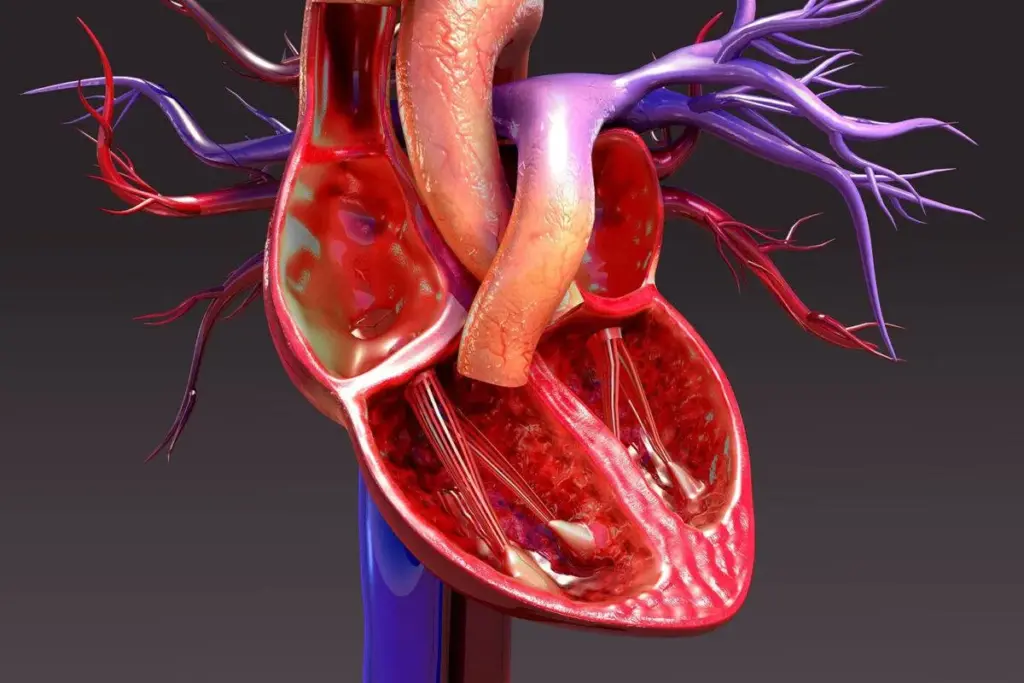
Many aortic problems need quick diagnosis and surgery to avoid serious issues. The aorta carries blood from the heart to the body. It can face several issues that affect health and life.
Aortic Aneurysms
An aortic aneurysm is when the aorta gets too big. It can happen in the chest or belly. Most people don’t notice it until it bursts. Surgery is needed for big or fast-growing aneurysms.
Aortic Dissection
Aortic dissection is when the aorta’s inner layer tears. This lets blood move between the layers. It can cause a lot of pain, organ failure, and even death. Surgery is often needed, mainly for the top part of the aorta.
Aortic Valve Disease
The aortic valve helps blood flow from the heart to the aorta. Problems like stenosis (narrowing) or regurgitation (leakage) can harm the heart. Surgery, like replacing or fixing the valve, is often needed to fix it.
Aortic Stenosis and Regurgitation
Aortic stenosis is when the valve gets too narrow, blocking blood flow. On the other hand, aortic regurgitation is when the valve leaks, letting blood flow back. Both can lead to heart failure. Severe cases often need a new valve.
In summary, many aortic issues need surgery to avoid serious problems. It’s important for doctors to know about these conditions to give the right care.
Pre-Surgical Evaluation and Preparation
Pre-surgical evaluation is a detailed process. It includes diagnostic imaging, laboratory tests, and patient preparation. These steps help make sure the patient is ready for aortic surgery.
This phase is key in finding out any risks or complications for aortic surgery. A team of healthcare experts works together. They check the patient’s health and create a custom surgical plan.
Diagnostic Imaging
Diagnostic imaging is very important in this phase. CT scans, MRI, and echocardiography give clear images of the aorta and nearby areas. This helps surgeons plan the best surgery.
Laboratory Tests
Laboratory tests check the patient’s health and find any issues that might affect surgery. These tests include blood work, electrocardiograms, and more. They help see how well the heart is working and the patient’s overall health.
Patient Preparation
Patient preparation is a big part of getting ready for surgery. It includes teaching the patient about the surgery, talking about risks and benefits, and giving instructions on what to do before surgery. This includes what to eat and how to manage medications.
By carefully checking the patient’s condition and getting them ready for surgery, doctors can lower risks. This helps make sure the surgery goes well for the patient.
The Aortic Surgery Procedure: Step-by-Step
Aortic surgery is a critical procedure that requires careful planning and execution. It involves several complex steps, each essential for the operation’s success.
Surgical Team Composition
The surgical team is made up of many healthcare professionals. They include:
- Cardiothoracic surgeons
- Anesthesiologists
- Perfusionists
- Nurses and surgical technicians
Working together, the team ensures the surgery goes smoothly.
Operating Room Setup
The operating room is equipped with the latest technology. This helps the surgical team perform their tasks effectively. The room has:
|
Equipment |
Purpose |
|
Cardiopulmonary bypass machine |
To keep blood flowing and oxygenated during surgery |
|
Transesophageal echocardiography (TEE) |
For monitoring the heart in real-time |
|
Surgical instruments |
Tools needed for the procedure |
Anesthesia Administration
Anesthesia is given to keep the patient comfortable and to help with the surgery. The anesthesiologist watches the patient’s vital signs closely during the procedure.
Initial Surgical Access
The first step is making an incision to expose the aorta. The approach depends on the type of aortic surgery.
Key considerations for initial access include the location and size of the incision. These are decided based on the patient’s anatomy and the surgery’s needs.
Understanding these steps helps patients see the complexity and precision of aortic surgery.
Open Heart Aortic Surgery Technique
The open heart aortic surgery technique is a lifesaving intervention for various aortic conditions. This complex procedure involves accessing the aorta through the chest. Surgeons can then repair or replace the affected area.
Sternotomy Approach
The sternotomy approach is a common method used in open heart aortic surgery. It involves making an incision in the sternum to access the heart and aorta. This technique provides a clear view and direct access to the aortic area, enabling surgeons to perform the necessary repairs.
Thoracotomy Approach
Another approach is the thoracotomy, which involves making an incision between the ribs to access the aorta. This method is less invasive than a sternotomy and can be used for certain types of aortic repairs. The choice between sternotomy and thoracotomy depends on the patient’s condition and the surgeon’s preference.
Cardiopulmonary Bypass Process
A critical component of open heart aortic surgery is the cardiopulmonary bypass (CPB) process. CPB involves diverting blood circulation and oxygenation away from the heart and lungs. This allows surgeons to operate on a heart that is not beating.
“Cardiopulmonary bypass is a sophisticated technology that has revolutionized cardiac surgery, enabling complex procedures to be performed with greater safety and precision.”
The CPB machine takes over the function of the heart and lungs. It maintains blood circulation and oxygenation throughout the body during the surgery.
By utilizing the open heart aortic surgery technique, surgeons can effectively treat a range of aortic conditions, from aneurysms to dissections. The choice of surgical approach and the use of cardiopulmonary bypass are critical factors that contribute to the success of the procedure.
Aortic Valve Replacement Surgery
Aortic valve replacement surgery is key in treating aortic valve disorders. It replaces the damaged valve with a new one. This helps blood flow normally and relieves symptoms of aortic valve disease.
Mechanical vs. Biological Valves
Choosing between mechanical and biological valves is important. Mechanical valves last long but need lifelong blood thinners to prevent clots.
Biological valves are made from animal tissue and clot less often. They don’t need long-term blood thinners but might need to be replaced.
- Mechanical valves are durable but require lifelong anticoagulation.
- Biological valves have a lower risk of clotting but may need replacement.
Valve Replacement Steps
The steps in aortic valve replacement surgery are:
- Administering anesthesia to ensure patient comfort.
- Accessing the heart through a sternotomy or thoracotomy.
- Connecting the patient to a cardiopulmonary bypass machine.
- Replacing the diseased valve with a prosthetic one.
Valve-Sparing Techniques
In some cases, valve-sparing techniques are used instead of replacement. These methods fix the native valve to keep it working. This avoids the need for a prosthetic valve.
Valve-sparing techniques are good for younger patients or those with specific conditions. The choice depends on the valve damage and the patient’s health.
Aortic Aneurysm Repair Technique
Aortic aneurysm repair techniques have improved a lot. Surgeons now have many options to treat this serious condition. The choice depends on the aneurysm’s size, location, and the patient’s health.
Graft Replacement Method
The graft replacement method is a common technique. It involves replacing the aorta’s diseased part with a synthetic graft.
Graft replacement is usually done through open surgery. This allows surgeons to see and fix the aneurysm directly. The graft is sewn in place for a strong and lasting repair.
“The use of graft replacement in aortic aneurysm repair has been a cornerstone in vascular surgery, providing a reliable way to prevent rupture and improve patient outcomes.” –
Aortic Surgery Expert
Bentall Procedure
The Bentall procedure treats aortic aneurysms at the aortic root. It replaces the aortic valve, root, and ascending aorta with a composite graft.
- The Bentall procedure is great for complex aortic root issues.
- It replaces the diseased aortic valve and root with one graft.
- It needs careful planning and execution for the best results.
David Procedure
The David procedure, or valve-sparing root replacement, fixes the aortic root while keeping the native aortic valve.
This method is good for those with aortic root aneurysms who don’t want to take anticoagulation therapy. The David procedure reimplants the aortic valve in a graft, keeping it functional.
By keeping the native valve, the David procedure offers a more natural repair. It might reduce the need for long-term anticoagulation and improve life quality.
Endovascular Aortic Surgery
Endovascular aortic surgery is a big step forward in treating aortic diseases. It’s a less invasive option compared to traditional open surgery. This method has changed how we manage aortic conditions, making treatment safer and more efficient for patients.
EVAR (Endovascular Aortic Repair)
EVAR is a minimally invasive way to fix an abdominal aortic aneurysm (AAA). A stent-graft is inserted through the femoral arteries, guided by imaging. It’s placed at the aneurysm site, stopping it from growing or rupturing.
The benefits of EVAR are:
- Lower risk of complications than open surgery
- Shorter hospital stay and recovery
- Less pain after surgery
- Smaller scars from smaller incisions
TEVAR (Thoracic Endovascular Aortic Repair)
TEVAR is similar to EVAR but for the thoracic aorta. It treats thoracic aortic aneurysms and other issues. A stent-graft is placed in the thoracic aorta to block off the diseased area.
TEVAR is great for complex thoracic aortic problems. It’s a less invasive option than open surgery.
Advantages Over Open Surgery
Endovascular aortic surgery, including EVAR and TEVAR, has many benefits. It has lower risks, shorter hospital stays, and less pain. It also means smaller scars and quicker recovery times.
Key benefits of endovascular aortic surgery include:
- Less invasive, causing less tissue damage
- Lower risk of complications during and after surgery
- Quicker recovery and return to normal life
Patient Selection Criteria
Not every patient is right for endovascular aortic surgery. The right candidates have the right anatomy and no major health issues. They also need suitable access vessels.
Patients go through detailed evaluations, like CT angiography, to see if they’re good candidates for endovascular repair.
Minimally Invasive Aortic Surgery Approaches
Minimally invasive aortic surgery has changed how we treat aortic conditions. It makes recovery faster and reduces trauma. This method is popular because it can lower the risk of complications and improve results.
Advances in technology and understanding of less invasive surgery have driven these changes. These methods aim to make incisions smaller, reduce tissue damage, and speed up healing.
Mini-Sternotomy
Mini-sternotomy makes a smaller cut in the sternum to reach the aorta. It’s great for aortic valve replacement and other aortic root procedures.
- Less damage to the chest wall
- Quicker recovery times
- Less pain after surgery
Mini-Thoracotomy
Mini-thoracotomy makes a small cut between the ribs to access the aorta. It’s often used for aortic aneurysm repair and other descending aorta procedures.
Benefits of mini-thoracotomy include:
- Smaller incision size
- Lower risk of complications
- Quicker return to normal activities
Robotic-Assisted Techniques
Robotic-assisted aortic surgery is the newest in minimally invasive surgery. It uses robotic systems for precise and controlled procedures.
Robotic-assisted techniques offer several advantages, including:
- Improved precision
- Enhanced visualization
- Shorter recovery time
The use of these minimally invasive methods in aortic surgery is a big step forward. As technology improves, these techniques will likely get even better. This means safer and more effective treatments for patients.
Aortic Arch Surgery
Surgery on the aortic arch is very complex. It’s a key part of the aorta that supplies blood to the brain and upper body. Because of its importance, surgeons use special techniques to operate here.
Cerebral Protection Strategies
Keeping the brain safe is the main goal during aortic arch surgery. Deep hypothermic circulatory arrest (DHCA) and selective cerebral perfusion (SCP) are used. DHCA cools the body to lower the brain’s need for oxygen. SCP keeps blood flowing to the brain.
These methods help protect the brain and lower the risk of stroke. The choice of method depends on the patient’s health, the surgery’s extent, and the surgeon’s approach.
Arch Replacement Techniques
Aortic arch replacement means removing the bad part and putting in a new one. The method used depends on the disease’s extent. It might be a total replacement or a smaller fix.
The new graft is sewn into place, and the big branches are reattached. This needs careful stitching to avoid leaks and keep the aorta strong.
Hybrid Procedures
Hybrid procedures mix traditional surgery with endovascular methods. For aortic arch surgery, this might mean opening the arch and then using a stent graft. It’s a way to treat complex problems with less surgery.
Hybrid methods can reduce the size of the incision and lower complication risks. But, they need careful planning and teamwork between surgeons and endovascular specialists.
Aortic Root Replacement
When the aortic root is affected, a replacement surgery might be needed. This surgery has changed a lot over time. It’s a complex operation that needs a deep understanding of the heart and a lot of skill.
Indications for Root Replacement
Doctors decide on aortic root replacement when there are big problems like aneurysms or dissections. These issues can be dangerous. Indications include:
- Aortic root aneurysm
- Aortic dissection involving the root
- Severe aortic valve disease
- Endocarditis affecting the aortic root
Each case is looked at carefully to see if surgery is needed and how much.
Surgical Techniques
There are different ways to do aortic root replacement surgery. The choice depends on the patient’s health, the disease’s extent, and the surgeon’s experience.
The Bentall procedure is a common method. It replaces the aortic root and valve with a single graft. It’s good for complex cases.
“The Bentall procedure has become a cornerstone in the surgical management of aortic root pathology, providing a lasting solution for complex conditions.”
Composite Graft Options
Composite grafts replace both the aortic valve and the top part of the aorta. They come in different types to fit different patients and problems.
|
Graft Type |
Description |
Advantages |
|
Mechanical Composite Graft |
Includes a mechanical valve |
Durable, long-lasting |
|
Biological Composite Graft |
Includes a bioprosthetic valve |
Lower risk of anticoagulation-related complications |
Choosing a graft depends on the patient’s age, lifestyle, and other health issues.
Emergency Aortic Dissection Treatment
Dealing with emergency aortic dissections is a big challenge in heart medicine. Aortic dissections happen when there’s a tear in the aorta’s inner layer. This allows blood to flow between the layers, which can lead to serious problems.
Acute Type A Dissection Management
Acute Type A aortic dissection is a serious emergency that needs quick surgery. First, doctors work to stabilize the patient. Then, they perform surgery to fix the aorta and possibly the aortic valve.
Key steps in managing Acute Type A dissection include:
- Rapid diagnosis using imaging techniques like CT or MRI
- Stabilizing the patient with antihypertensive therapy
- Surgical repair of the aortic dissection
Type B Dissection Approaches
Type B aortic dissections affect the descending aorta and are treated differently. Doctors usually start with medicine to control blood pressure and watch the patient closely. For some cases, they might use endovascular repair.
|
Management Strategy |
Type A Dissection |
Type B Dissection |
|
Initial Approach |
Surgical Repair |
Medical Management |
|
Endovascular Repair |
Less Common |
Considered for Complicated Cases |
Time-Critical Considerations
In emergency aortic dissections, time is very important. Waiting too long to treat can increase the risk of death. So, a quick and coordinated effort from emergency teams is key.
The importance of timely intervention cannot be overstated. Quick and right treatment can greatly improve a patient’s chances of survival.
Intraoperative Monitoring and Support
Intraoperative monitoring is key for anesthesiologists and surgeons during aortic surgery. It lets the team quickly respond to any changes in the patient. This ensures the best results for the patient.
Hemodynamic Monitoring
Hemodynamic monitoring is vital during aortic surgery. It checks the patient’s heart and blood flow. Arterial blood pressure monitoring uses an arterial line for real-time data. Central venous pressure monitoring helps check the patient’s volume and heart function.
Neurological Monitoring
Neurological monitoring is essential to catch any early signs of brain injury. Tools like electroencephalography (EEG) and somatosensory evoked potentials (SSEP) are used. They help spot brain problems early, allowing for quick action.
Blood Conservation Strategies
Blood conservation is a big part of aortic surgery care. Techniques like careful surgery and cell salvage devices are used. Antifibrinolytic agents like tranexamic acid also help reduce blood loss.
Good intraoperative monitoring and support are key to aortic surgery success. By watching the patient’s heart and brain closely, and using blood-saving methods, the team can improve patient outcomes.
Post-Operative Care and Recovery
After aortic surgery, post-operative care is key for a good outcome. The recovery process includes important steps that doctors carefully manage. This ensures the best results for patients.
Intensive Care Management
Right after surgery, patients go to the ICU for close watch. ICU staff keep an eye on vital signs, manage pain, and look for complications. This ICU time is critical for quick action if needed.
The ICU stay time varies based on the patient’s health and surgery complexity. During this time, many monitoring tools and methods are used. They track the patient’s progress and adjust care as needed.
Pain Management
Effective pain management is vital in post-operative care. Patients get pain meds, and the dose is adjusted based on their needs. The goal is to keep them comfortable without opioid side effects.
Managing pain also includes non-medication methods like positioning and breathing exercises. A mix of methods helps control pain well.
Rehabilitation Process
The rehabilitation process starts early, often in the hospital. A team of healthcare pros, including physical and occupational therapists, work together. They help the patient regain strength and mobility.
Rehab programs are made for each patient’s needs. They may include exercises for heart health, muscle strength, and flexibility. The goal is to get patients back to normal activities safely and quickly.
Follow-Up Protocol
After hospital discharge, a follow-up protocol is set to monitor recovery. Follow-up visits with the surgical team check on healing and remove sutures or staples.
Patients also get advice on lifestyle changes and medication management for long-term health. Following this protocol is key for a smooth recovery.
Conclusion: Advances in Aortic Surgery
Aortic surgery has seen big changes in recent years. New techniques and technologies have made treatments better. This has lowered the risk of complications and death.
The future of aortic surgery is bright. Research and new methods are making procedures safer and more precise. This means patients have better treatment choices.
It’s key for heart doctors to keep up with new methods. This way, they can give the best care to patients with aortic issues. It helps improve patients’ lives and chances of living longer.
The progress in aortic surgery shows the need for more research and learning. This will help make treatments even better and more focused on the patient.
FAQ
What is aortic surgery?
Aortic surgery is a set of procedures to treat the aorta. This includes fixing aneurysms, dissections, and valve diseases.
What are the different types of aortic conditions that require surgery?
Aortic conditions needing surgery include aneurysms, dissections, and valve diseases. This includes stenosis and regurgitation.
How is aortic surgery performed?
Aortic surgery uses various methods. These include open heart surgery and endovascular repair. The choice depends on the condition and patient needs.
What is the difference between open heart aortic surgery and endovascular aortic surgery?
Open heart surgery makes a big incision for direct access. Endovascular surgery uses a stent graft through small incisions.
What is aortic valve replacement surgery?
This surgery replaces a bad aortic valve. It uses mechanical or biological valves, or repairs the valve.
What is the Bentall procedure?
The Bentall procedure fixes an aortic aneurysm or dissection. It replaces the aortic root and valve with a graft.
What is the David procedure?
The David procedure repairs the aorta without replacing the valve. It reimplants the valve into a graft.
How is aortic dissection treated?
Aortic dissection treatment varies by severity. It may include emergency surgery, medication, or both.
What is the importance of intraoperative monitoring during aortic surgery?
Monitoring during surgery is key. It ensures patient safety and the best outcomes.
What is the typical recovery process after aortic surgery?
Recovery includes intensive care, pain management, and rehabilitation. Follow-up care is also important for a smooth recovery.
What are the benefits of minimally invasive aortic surgery?
Minimally invasive surgery offers smaller incisions and less trauma. It leads to faster recovery times.
What is the role of cardiopulmonary bypass in aortic surgery?
Cardiopulmonary bypass is vital in open heart surgery. It stops the heart and takes over its function during the procedure.
How is aortic arch surgery performed?
Aortic arch surgery is complex. It includes cerebral protection and arch replacement. Hybrid procedures are also used.
What are the indications for aortic root replacement?
Aortic root replacement is needed for aneurysms, dissections, and valve diseases. It treats diseases affecting the aortic root.
What is endovascular aortic repair (EVAR)?
EVAR is a minimally invasive procedure. It repairs abdominal aortic aneurysms with a stent graft through small incisions.
What is thoracic endovascular aortic repair (TEVAR)?
TEVAR is a minimally invasive procedure. It repairs thoracic aortic aneurysms or dissections with a stent graft through small incisions.
References
National Center for Biotechnology Information. Evidence-Based Medical Insight. Retrieved from https://pubmed.ncbi.nlm.nih.gov/11899171/