Blood cancer includes leukemia, lymphoma, and myeloma. It’s a big health problem worldwide. At Liv Hospital, we know how important it is to understand if these diseases can be cured.
Discoveries in treatments have changed how we fight blood cancer. Targeted therapy and immunotherapy have made a big difference. Now, some patients with chronic myeloid leukemia can live almost as long as anyone else.
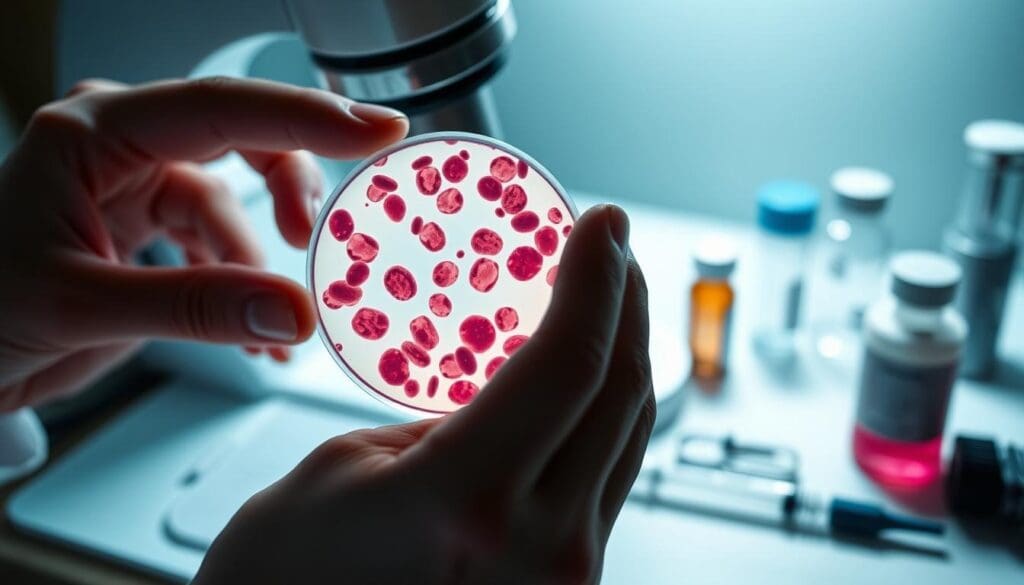
We at Liv Hospital are dedicated to top-notch, patient-focused care. We make sure everyone gets the best treatment and support. Many patients often ask, “are blood cancers curable?” Understanding the stages and available treatments of blood cancer helps patients make better choices for their health and feel more confident about their recovery journey.
Key Takeaways
- Blood cancer includes leukemia, lymphoma, and myeloma.
- Recent advancements have improved survival rates.
- Targeted therapy and immunotherapy are transforming outcomes.
- Some types of blood cancer offer near-normal life expectancy.
- Liv Hospital provides patient-centered care with the latest medical advances.
Understanding Blood Cancer Types and Their Characteristics
Blood cancer comes in three main types: leukemia, lymphoma, and myeloma. Each affects different parts of the blood and immune system. Knowing these differences is key to understanding blood cancer.
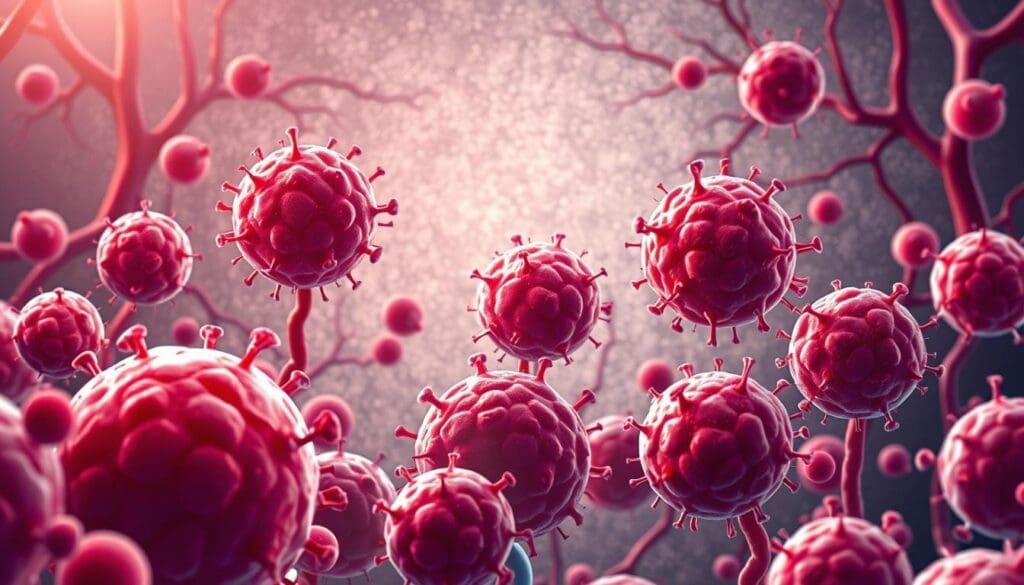
Leukemia: Cancer of the Blood and Bone Marrow
Leukemia is a blood cancer that affects the blood and bone marrow. It’s marked by too many white blood cells. These cells take over, making it hard for the body to fight off infections.
Acute leukemia grows fast and needs quick treatment. Chronic leukemia develops slower but is just as serious.
“Diagnosing leukemia involves blood tests, bone marrow biopsies, and more,” says a top hematologist.
Lymphoma: Cancer of the Lymphatic System
Lymphoma starts in the lymphatic system, a key part of the immune system. It happens when lymphocytes grow out of control. There are two main types: Hodgkin lymphoma and non-Hodgkin lymphoma.
- Hodgkin lymphoma has Reed-Sternberg cells.
- Non-Hodgkin lymphoma is more common and varied.
Myeloma: Cancer of Plasma Cells
Myeloma, or multiple myeloma, is a cancer of plasma cells in the bone marrow. Plasma cells help fight infections by making antibodies. In myeloma, cancerous plasma cells take over the bone marrow.
Symptoms of myeloma include bone pain, tiredness, and more infections. Treatment often combines different therapies, like targeted treatments and immunotherapy.
Learning about each blood cancer type is vital for finding the right treatment. Each needs a special approach. Research is always working to help patients more.
Are Blood Cancers Curable? Current Treatment Landscape
Medical research has made big strides in treating blood cancers. We’ve moved from old methods to new, targeted ones. This has led to better survival rates and quality of life for patients.
Conventional Treatments: Chemotherapy, Radiation, and Surgery
Chemotherapy is key in fighting blood cancers like leukemia and lymphoma. Chemotherapy uses drugs to kill cancer cells. But, it can harm healthy cells too, causing side effects.
Radiation therapy is used for lymphomas. It uses rays to kill cancer cells. Radiation therapy aims to target cancer without harming healthy tissues too much.
Stem Cell Transplantation and Its Success Rates
Stem cell transplantation is a big help for some blood cancer patients. It replaces bad bone marrow with healthy stem cells. Stem cell transplantation can cure some blood cancers, but success depends on the patient’s health and the donor match.
Breakthrough Therapies: Targeted Treatments and Immunotherapy
Targeted therapies have changed blood cancer treatment. They aim at specific cancer molecules, sparing normal cells. For example, TKIs have greatly helped CML patients by targeting the BCR-ABL protein.
Immunotherapy uses the body’s immune system to fight cancer. Immunotherapies like CAR-T cell therapy have shown great results in treating some lymphomas and leukemias.
Treatment Challenges and Ongoing Research
Despite progress, treating blood cancers is tough. There’s resistance to treatments, relapse, and managing side effects. Research is ongoing to find new ways to fight these challenges. Clinical trials are key in this effort, giving patients access to new treatments.
We’re dedicated to improving blood cancer treatment through research and collaboration. Together, we can make a difference for patients worldwide.
Blood Cancer Survival Rates: What the Statistics Tell Us
Blood cancer survival rates have improved a lot thanks to new treatments. Now, patients with blood cancer have a better outlook. Survival rates depend on the type, stage, and individual factors. For more info, check out Blood Cancer Facts and Statistics.
Leukemia Survival Rates by Subtype
Leukemia survival rates have gotten better with new treatments. Chronic myeloid leukemia (CML) now has a high 5-year survival rate, thanks to targeted therapies. For example, tyrosine kinase inhibitors have greatly improved CML patient outcomes. On the other hand, acute lymphoblastic leukemia (ALL) survival rates vary based on age and genetics.
Lymphoma Survival Outcomes: Hodgkin vs. Non-Hodgkin
Lymphoma survival rates differ between Hodgkin lymphoma (HL) and non-Hodgkin lymphoma (NHL). Hodgkin lymphoma has a high cure rate, mainly when caught early. The 5-year survival rate for HL is high, showing the success of current treatments. In contrast, non-Hodgkin lymphoma has various subtypes with different survival rates.
Multiple Myeloma: Long-term Prognosis
Multiple myeloma is a blood cancer with malignant plasma cells in the bone marrow. While it’s tough to cure, new treatments have improved survival rates. The patient’s age, health, and treatment response are key to their prognosis.
Factors Affecting Survival: Age, Health Status, and Genetic Markers
Several factors impact blood cancer survival rates. Age is a big factor, with older patients facing tougher challenges. The overall health status and presence of comorbidities also matter. Plus, genetic markers help predict outcomes and guide treatment.
Staging and Prognosis of Blood Cancers
Staging blood cancers accurately is key to predicting patient outcomes and treatment plans. It shows how far the disease has spread. This information helps choose the best treatment and forecast the patient’s future.
We will look at the different staging systems for blood cancers like leukemia, lymphoma, and multiple myeloma.
Leukemia Staging Systems and Classification
Leukemia staging is complex and depends on the type. For acute lymphoblastic leukemia (ALL), age, white blood cell count, and genetic issues are important. In acute myeloid leukemia (AML), genetic features are key for classification and predicting outcomes.
These systems help us understand how severe the disease is. This helps us choose the right treatment. Lymphoma Staging: The Ann Arbor System
The Ann Arbor system is used for Hodgkin lymphoma and non-Hodgkin lymphoma. It divides lymphoma into four stages based on lymph node involvement and symptoms. Knowing the stage helps doctors predict outcomes and plan treatments.
Multiple Myeloma Staging: The Revised International Staging System
The Revised International Staging System (R-ISS) has changed multiple myeloma staging. It considers serum albumin, beta-2 microglobulin, and genetic markers for prognosis. Accurate staging is essential for planning treatment.
The Impact of Early Detection on Treatment Success
Early detection of blood cancers greatly improves treatment success. Early diagnosis means the disease is more treatable, leading to better survival rates. Regular check-ups and awareness of symptoms are key to early detection.
In conclusion, understanding blood cancer staging is critical for planning treatments and predicting outcomes. Accurate staging allows healthcare providers to tailor treatments to each patient. This improves treatment success.
Conclusion: Living with Blood Cancer and Future Directions
Blood cancer includes types like leukemia, lymphoma, and myeloma. Each has its own traits and treatment ways. While not all can be cured, many can be treated, and research gives us hope for better results.
Treatment advances have changed how we manage blood cancers. Many patients now live long, healthy lives. New therapies like targeted treatments and immunotherapy are leading this progress.
Dealing with blood cancer needs a full plan. This includes the latest treatments and care support. Looking ahead, research and new treatments promise to make things even better for patients. We’re dedicated to top-notch healthcare and supporting patients every step of the way.
We must keep investing in research and new ideas. This will help us understand blood cancer better and find better treatments. Our commitment to progress means a brighter future for those with blood cancer. Together, we aim to make treatment options and care better.
FAQ
Is blood cancer curable?
Blood cancer’s curability depends on the type, stage, and individual factors. Thanks to new treatments, many blood cancers are now treatable. Some can even be cured.
What are the main types of blood cancer?
The main types are leukemia, lymphoma, and myeloma. Each affects different parts of the body and has unique characteristics.
Can leukemia be treated?
Yes, leukemia can be treated. The treatment depends on the subtype and stage. Chemotherapy and targeted therapies have shown great success.
Are there different staging systems for blood cancers?
Yes, each blood cancer type has its own staging system. For example, lymphoma uses the Ann Arbor System. Multiple myeloma uses the Revised International Staging System.
How does early detection impact blood cancer treatment?
Early detection greatly improves treatment outcomes. It allows for timely intervention, increasing the chances of successful treatment.
What are the survival rates for blood cancer?
Survival rates vary by type, subtype, and stage. Thanks to better treatments, survival rates have improved over time.
Is there a cure for blood cancer?
Some blood cancers can be cured, while others are managed as chronic conditions. Ongoing research aims to improve treatment outcomes.
What are the treatment challenges for blood cancer?
Challenges include resistance to therapies, relapse, and managing side effects. Research focuses on overcoming these to improve patient outcomes.
Can blood cancer be fatal?
Yes, blood cancer can be fatal if not treated promptly. But, with modern treatments, many patients achieve remission or manage their condition.
What is the role of stem cell transplantation in blood cancer treatment?
Stem cell transplantation is a curative option for some blood cancers. It replaces damaged stem cells with healthy ones, regenerating a healthy blood system.
References
Makkar, H., Kumar, A., Dutta, P., Kumar, M., & Dutta, S. (2023). Acute myeloid leukemia: novel mutations and their clinical relevance. PMC (National Institutes of Health, NCBI). https://pmc.ncbi.nlm.nih.gov/articles/PMC10017594/