At Liv Hospital, we know how scary a brain tumor diagnosis can be. Patients and their families often ask if it’s hereditary. We’re here to help and offer support.
Genetic factors do play a part in brain tumors. But, it’s important to know that most are not hereditary. We’ll look into the genetic aspects of brain tumors.
We aim to educate and help international patients. We’ll talk about the hereditary parts and risks of brain tumors. This will give you a full picture of this complex issue.
Key Takeaways
- Understanding the role of genetic factors in brain tumor development
- Recognizing the difference between hereditary and non-hereditary brain tumors
- Exploring the latest scientific research on genetic aspects of brain tumors
- Liv Hospital’s commitment to providing advanced, trustworthy, and patient-centered care
- Empowering patients with knowledge to make informed decisions about their care
The Basics of Brain Tumors

Brain tumors come in different types and have various risks. They can be primary or metastatic. Primary tumors start in the brain, while metastatic ones spread from other parts of the body.
Types of Brain Tumors
Brain tumors vary in nature, being either benign or malignant. The most common types include:
- Gliomas: These tumors start in the brain’s glial cells. They can be less aggressive or more aggressive.
- Meningiomas: These tumors grow in the meninges, the brain and spinal cord’s covering. Most are benign.
- Medulloblastomas: These malignant tumors mainly affect children. They start in the cerebellum or posterior fossa.
- Pituitary Adenomas: These benign tumors happen in the pituitary gland. They can affect hormone production.
Each brain tumor type has its own risk factors. These include genetic predisposition and environmental exposures.
Prevalence and Statistics
Brain tumors can happen to anyone, but the risk factors for brain cancer change with age. Most cases are found in people over 65. This shows how important brain cancer age is as a risk factor.
About 5 percent of gliomas are caused by genetics. This shows a hereditary link in some cases. Knowing these statistics and risk factors helps with early detection and treatment.
Here are some key brain tumor statistics:
- Brain tumors occur in about 29 per 100,000 people each year.
- Meningiomas make up about 30% of all primary brain tumors.
- The five-year survival rate for brain tumors is around 70%. But it depends on the tumor type and stage at diagnosis.
Understanding brain tumors, including their types and how common they are, helps us grasp their complexity. This knowledge is key for better diagnosis and treatment. It also highlights the need for ongoing research into brain tumor risk factors and effective management strategies.
Brain Tumors Genetic Factors Explained
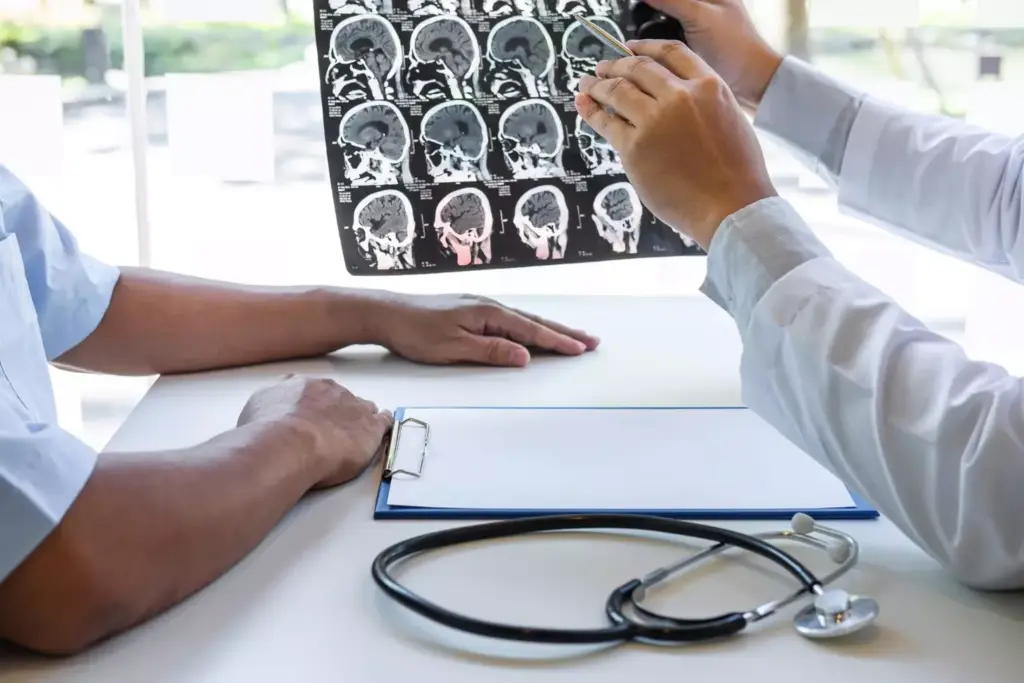
It’s important to know the genetic factors behind brain tumors. This helps us understand the risk and causes. We’ll look at how genetic mutations lead to brain tumors.
Genetic Mutations and Tumor Formation
DNA mutations are key in brain tumor formation. These changes can happen in many genes, affecting how cells grow and divide. If a mutation affects a gene that controls cell growth, it can cause cells to grow out of control, leading to a tumor.
How DNA Mutations Lead to Tumor Formation
DNA mutations can come from many sources, like environmental factors and genetics. When a mutation happens in a gene that’s important for cell function, it can cause a tumor. The process is:
- A mutation in a gene that controls cell growth or DNA repair.
- The cell’s repair mechanisms fail to fix the mutation.
- Cells start to divide uncontrollably, growing into a tumor.
Sporadic vs. Hereditary Mutations
Not all genetic mutations that cause brain tumors are inherited. Some happen randomly, without a family history. But, some genetic syndromes, like neurofibromatosis, Li-Fraumeni syndrome, and tuberous sclerosis, raise the risk of brain tumors.
Key Differences:
- Sporadic Mutations: These happen by chance and aren’t passed down.
- Hereditary Mutations: These are inherited and greatly increase brain tumor risk.
Knowing if a brain tumor is from a sporadic or hereditary mutation is key. It helps us understand the risk and what steps to take next.
Debunking Myths About Brain Tumor Heritability
It’s important to know the truth about brain tumors and family history. Many people wonder if brain tumors can run in families. We want to clear up the facts and debunk common myths.
Common Misconceptions
There are many myths about brain tumors and family history. Let’s look at a few:
- Myth: All brain tumors are hereditary. Reality: Most brain tumors happen without a family history.
- Myth: Having a family member with a brain tumor means you’re at high risk. Reality: While family history can raise your risk, it doesn’t mean you’ll definitely get a brain tumor.
Understanding Actual Hereditary Risk
The risk of brain tumors from family history is actually quite low. Studies show only a small part of brain tumors are linked to genes. But, some genetic syndromes can make the risk higher.
In summary, while genes can play a role in brain tumor risk, most are not inherited. Knowing the real risks and myths helps people understand their own risk better.
Hereditary Syndromes Associated with Brain Tumors
Genetic predisposition to brain tumors is often linked to certain hereditary syndromes. We will explore these in detail to better comprehend their implications. These syndromes can significantly increase the risk of developing brain tumors. Understanding them is key for early detection and management.
Neurofibromatosis Types 1 and 2
Neurofibromatosis types 1 and 2 are genetic disorders that predispose individuals to develop tumors in the nervous system, including the brain. Neurofibromatosis Type 1 (NF1) is characterized by changes in skin coloring and the growth of tumors along nerves in the skin, brain, and other parts of the body. Neurofibromatosis Type 2 (NF2) is less common and mainly associated with tumors on nerves responsible for hearing and balance.
Both NF1 and NF2 are caused by mutations in specific genes that play a role in regulating cell growth. Individuals with a family history of these conditions are at a higher risk of developing brain tumors.
Li-Fraumeni Syndrome
Li-Fraumeni syndrome is a rare genetic disorder that significantly increases the risk of developing several types of cancer, including brain tumors. This condition is caused by mutations in the TP53 gene, which is vital for preventing cancer by stopping cells with damaged DNA from dividing.
Individuals with Li-Fraumeni syndrome are advised to undergo regular screening for various cancers, including brain tumors. This is to enable early detection and treatment.
Tuberous Sclerosis Complex
Tuberous sclerosis complex (TSC) is a genetic disorder characterized by the growth of non-cancerous tumors in various parts of the body, including the brain. TSC is caused by mutations in either the TSC1 or TSC2 gene, which are involved in regulating cell growth and division.
The condition can lead to a variety of health issues, including epilepsy, developmental delay, and behavioral problems. It also increases the risk of brain tumors.
Other Genetic Conditions
Besides neurofibromatosis, Li-Fraumeni syndrome, and tuberous sclerosis complex, other genetic conditions can also increase the risk of brain tumors. These include Von Hippel-Lindau disease, Turcot syndrome, and Gorlin syndrome, among others. Each of these conditions has its unique genetic and clinical features.
Understanding these hereditary syndromes is essential for assessing individual risk. It helps in implementing appropriate surveillance and preventive measures.
Specific Gene Mutations Linked to Brain Tumor Risk
Brain tumors have a complex genetic makeup, with over 25 gene mutations playing a key role. These mutations can greatly increase the risk of brain tumors. Knowing how they work is key to finding high-risk individuals and creating new treatments.
The 25+ Identified Gene Mutations
Research has found many gene mutations linked to brain tumor risk. The TP53, PTEN, and NF1 genes are among the most important. They help control cell growth and division, and mutations can cause cells to grow out of control.
Other significant mutations include those in the IDH1 and IDH2 genes, common in gliomas. The BRAF gene mutation is also linked to certain brain tumors, like pilocytic astrocytomas.
| Gene | Function | Associated Brain Tumor Type |
|---|---|---|
| TP53 | Tumor suppressor gene | Glioma, Medulloblastoma |
| PTEN | Tumor suppressor gene | Glioblastoma |
| NF1 | Tumor suppressor gene | Neurofibromas, Gliomas |
| IDH1/IDH2 | Metabolic enzymes | Gliomas |
| BRAF | Oncogene | Pilocytic astrocytoma |
How These Mutations Affect Brain Cells
These gene mutations can harm brain cells in different ways, leading to tumors. For example, mutations in TP53 and PTEN can mess up cell cycle control. This lets damaged cells grow without stop.
Also, mutations in IDH1 and IDH2 can cause harmful substances to build up. This can start tumors. Knowing how these mechanisms work is key to making treatments that really work.
Non-Genetic Risk Factors for Brain Cancer
Non-genetic factors like age and environmental exposures also raise the risk of brain cancer. While genes are important, knowing about these other risks helps in preventing and managing brain cancer.
Age as a Primary Risk Factor
Age is a big risk factor for brain cancer, with most cases found in adults over 50. The risk grows with age. It’s key for older adults to watch for symptoms and know the risks. Regular health checks and screenings are a good idea.
Radiation Exposure
Radiation is another major risk for brain cancer. This includes head radiation therapy, some industrial exposures, and nuclear fallout. Try to avoid unnecessary radiation. Always talk to your doctor about the risks and benefits of radiation therapy.
Other Environmental Factors
Exposure to certain chemicals and pollutants may also increase brain cancer risk. While more research is needed, it’s wise to avoid known carcinogens. Be mindful of your surroundings at work and home. Try to reduce contact with harmful substances.
In summary, while genes matter, non-genetic factors like age, radiation, and environmental exposures are also key. Understanding and reducing these risks can help prevent and detect brain cancer early.
Assessing Personal Risk Based on Family History
When looking at your risk for brain cancer, your family’s health history matters a lot. Knowing your family’s medical past can give you important clues about your own risk.
When to Be Concerned About Family History
If your family has a history of brain tumors or certain genetic syndromes, you might wonder does brain cancer run in families. Most brain tumors happen by chance, but some are linked to genes. You should pay attention if:
- You have first-degree relatives (parents, siblings, or children) with brain tumors.
- There’s a family history of rare genetic syndromes like Neurofibromatosis Type 1 or 2, Li-Fraumeni syndrome, or Tuberous Sclerosis Complex.
- A family member got a brain tumor when they were young.
Knowing these signs can help you understand your risk better.
Patterns That Suggest Hereditary Risk
Some family history patterns might mean you’re at higher risk for brain tumors. These include:
| Pattern | Description |
|---|---|
| Multiple Cases | Many family members have brain tumors across different generations. |
| Early-Onset Cases | Family members get brain tumors when they’re younger than usual. |
| Multiple Primary Tumors | A family member has more than one brain tumor. |
| Rare Tumor Types | There’s a family history of uncommon brain tumor types. |
Spotting these patterns can lead to genetic testing or counseling to check your brain cancer risk factors.
Talking to your doctor about your family history is key. They can tell if your family’s past suggests a genetic risk. This can lead to more tests or steps to prevent brain cancer.
Understanding your family history and the signs of genetic risk can help you manage your health. While a family history of brain tumors doesn’t mean you’ll get one, knowing your risk helps you make smart health choices.
It’s wise to talk to a healthcare expert. They can give you advice tailored to your family history and risk. They can help you figure out are brain tumors hereditary and what steps to take next.
Genetic Testing and Counseling for Brain Tumor Risk
Genetic testing and counseling can give you important insights if you worry about brain tumors. It’s key to know your genetic risk to prevent and detect early. This knowledge is a big step towards staying healthy.
Who Should Consider Genetic Testing
Genetic testing is a good idea for those with a family history of brain tumors or cancers. Specific genetic syndromes like Neurofibromatosis Type 1 and 2 raise your risk. If a close relative got a brain tumor young, you might want to get tested.
Also, if you’ve had many cancers or been exposed to radiation, testing can help. It can show your risk of getting brain tumors.
The Genetic Counseling Process
Genetic counseling is a big part of testing. It’s a talk with a genetic counselor to understand your test. Genetic counselors help you make smart health choices.
In counseling, they’ll look at your family health, explain the test, and talk about risks and benefits. It’s a chance to ask questions and grasp how the results might affect your health.
Understanding Test Results
It’s important to get what your test results mean. A positive result means you might have a higher risk of brain tumors. But, it doesn’t mean you’ll definitely get one.
A negative result doesn’t mean you’re safe from all risks. Many brain tumors aren’t caused by known genes. Your counselor will help make sense of your results and suggest how to stay healthy.
Knowing your genetic risk can help you manage your health better. You might need regular check-ups, lifestyle changes, or other steps based on your risk.
Prevention and Management Strategies for High-Risk Individuals
Preventing and managing brain tumors in high-risk people needs a detailed plan. We will look at different ways to lower the risk and better outcomes for these individuals.
Surveillance Recommendations
For those with a genetic risk for brain tumors, regular checks are key. A first MRI scan and then more scans as a doctor advises are recommended. Finding tumors early can greatly help treatment success.
- Baseline MRI scan
- Regular follow-up scans as advised by a healthcare provider
- Monitoring for any changes in tumor size or characteristics
Lifestyle Modifications
Genetics are a big part of brain tumor risk, but lifestyle changes can help. Eating well, with lots of fruits, veggies, and omega-3s, and avoiding harmful chemicals and radiation is advised.
“A healthy lifestyle can contribute to overall well-being and may play a role in reducing the risk of brain tumors.”
Important lifestyle changes include:
- Eating a balanced diet
- Exercising regularly
- Avoiding smoking and excessive alcohol consumption
Treatment Considerations for Hereditary Brain Tumors
Treating hereditary brain tumors needs a custom plan. We look at the tumor type, size, location, and the person’s health. Treatments might be surgery, radiation, or chemotherapy.
- A multidisciplinary team of healthcare professionals
- Advanced diagnostic imaging and genetic testing
- Tailored treatment protocols to address the specific needs of the individual
By being proactive and detailed, high-risk individuals can get early detection and effective management. This can greatly improve their outcomes.
Conclusion
Understanding if brain tumors are hereditary is key to knowing our risk. By looking into genetic factors, we get a better picture of brain cancer risks. This helps us understand how to prevent them.
Genetic testing and counseling are vital for those with a family history of brain tumors. We’ve seen how certain genes and syndromes can raise the risk. While some risks can’t be changed, we can lower them with early detection and healthy living.
Our institution is dedicated to top-notch healthcare for everyone, including international patients. We keep up with the latest in neuro-oncology. This way, we help people understand their risks and make smart health choices.
Are brain tumors hereditary?
Most brain tumors aren’t directly passed down through genes. But, some can be linked to inherited genetic conditions. We’ll look into how genes play a role in brain tumor development.
What percentage of brain tumors are considered hereditary?
Studies show about 5-10% of brain tumors have a genetic link. But, this number can change based on the tumor type and the study population.
How do DNA mutations lead to brain tumor formation?
DNA mutations can mess up cell growth and division, causing tumors. In brain tumors, these mutations often affect genes that control cell growth or DNA repair.
What is the difference between sporadic and hereditary mutations?
Sporadic mutations happen randomly or due to environmental factors. Hereditary mutations, on the other hand, are passed down from parents. These can raise the risk of certain brain tumors.
Are there any genetic syndromes associated with an increased risk of brain tumors?
Yes, conditions like neurofibromatosis types 1 and 2, Li-Fraumeni syndrome, and tuberous sclerosis complex increase brain tumor risk. People with these conditions should know their higher risk.
What are the non-genetic risk factors for brain cancer?
Age is a big risk factor, with most cases in people over 50. Childhood radiation exposure also raises risk. Environmental factors, like certain chemicals, might also play a part.
How can I assess my personal risk based on family history?
If your family has a history of brain tumors or cancers, talk to a healthcare professional. They can advise on genetic testing or counseling.
Who should consider genetic testing for brain tumor risk?
Those with a family history of brain tumors or cancers, or known genetic syndromes, should think about genetic testing. People with a personal history of brain tumors might also benefit.
What is the process of genetic counseling for brain tumor risk?
Genetic counseling involves discussing your family and medical history with a professional. They help you understand your risk and make informed decisions about your care.
How can high-risk individuals prevent or manage brain tumors?
High-risk individuals should have regular check-ups and imaging tests. Eating well and avoiding radiation can also help. Treatment options like surgery or chemotherapy depend on the situation.
What are the benefits of genetic testing for brain tumor risk?
Genetic testing can spot those at higher risk of brain tumors early. This can lead to better outcomes. It also gives valuable info for family planning.
How can I reduce my risk of developing a brain tumor?
While preventing brain tumors is not guaranteed, a healthy lifestyle and avoiding radiation can help. Being aware of your family history is also important.
References
Cancer Research UK. (n.d.). Brain tumours: Risks and causes. Retrieved from https://www.cancerresearchuk.org/about-cancer/brain-tumours/risks-causes