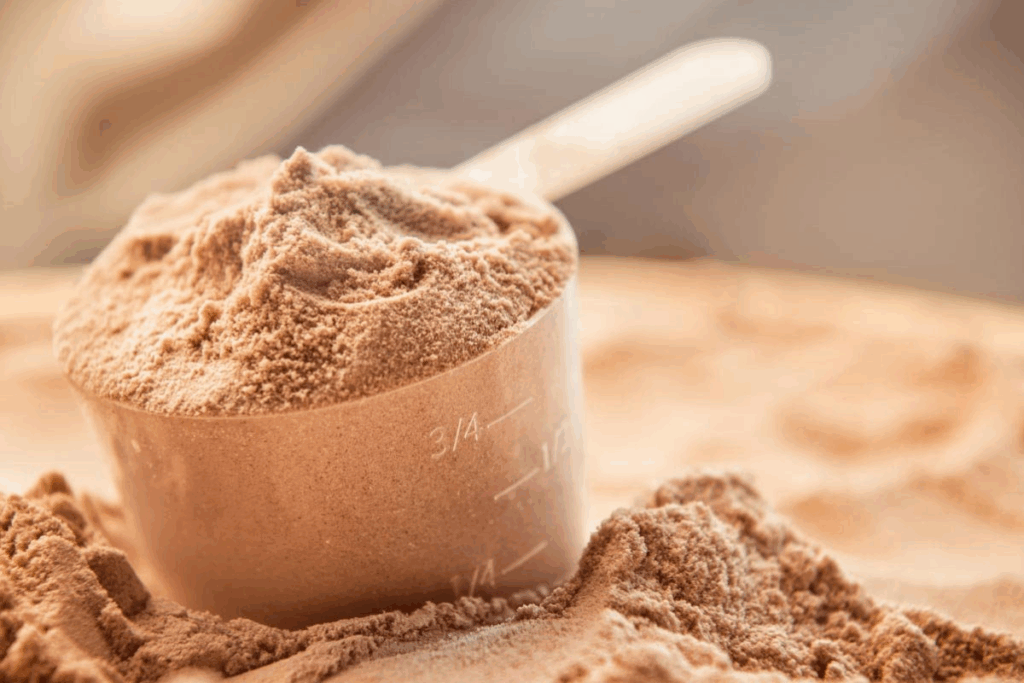
Protein powder has become a staple in the fitness world, widely used for muscle building and recovery. But, recent studies have raised concerns about its safety and health risks are protein shakes bad for you.
Research shows that too much protein powder might harm kidney and liver function. As healthcare providers, we aim to guide you through these findings. This way, you can make informed decisions about your health.
At Liv Hospital, we offer trusted, evidence-based healthcare expertise. We help you navigate the complex world of supplements. Our goal is to provide you with all the information you need to ensure your well-being.
Key Takeaways
- Excessive protein powder consumption may harm kidney and liver function.
- Recent studies have highlighted the health risks of protein supplements.
- It’s important to consider the safety and health effects of protein powder.
- Liv Hospital provides evidence-based guidance on supplement safety.
- Making informed decisions about protein powder use is vital for your health.
The Rising Popularity of Protein Supplements

More people want protein supplements for fitness and muscle building. This has led to a big increase in protein powder products. These products meet different needs of consumers.
Market Growth and Consumer Trends
The protein supplement market has grown a lot in recent years. This growth is because more people care about health and fitness. They look for products that help them reach their fitness goals.
Some key trends driving this growth include:
- Increased participation in fitness activities and sports
- Growing awareness of the importance of protein in diet
- Rise of social media influencing consumer preferences
- Expansion of product offerings catering to different dietary needs
Common Types of Protein Powders on the Market
There are many types of protein powders, each with its own benefits. Some of the most popular types include:
- Whey Protein: Made from milk, whey protein is high quality and absorbs quickly.
- Casein Protein: Also from milk, casein protein is absorbed slowly, giving a steady flow of amino acids.
- Plant-Based Proteins: These include pea, rice, and hemp proteins. They are great for vegans and those who can’t have dairy.
- Collagen Protein: It’s good for skin, hair, and joint health.
Knowing about these types helps people choose the right one for their needs and goals.
Understanding Protein Powder Composition

To know if protein powders are safe and work well, we need to look at what’s in them. Protein powders aren’t just protein; they have many ingredients. These can change how nutritious and safe they are.
Key Ingredients in Commercial Protein Powders
Commercial protein powders have different proteins like whey, casein, soy, and plant-based ones like pea and rice. Whey protein is known for its full amino acid profile and quick absorption. Plant-based proteins are good for those who follow certain diets.
The quality of these proteins can differ a lot between brands. Some brands process their proteins a lot, which might change their nutritional value.
Additives, Sweeteners, and Fillers
Many protein powders also have additives, sweeteners, and fillers to make them taste better and mix well. Thickeners like xanthan gum and emulsifiers like lecithin are common. While safe for most, they can be a problem for some people.
Artificial sweeteners are used to make flavors better without extra calories. But, there are debates about their health effects. Some protein powders also have fillers like maltodextrin, which can raise blood sugar.
It’s key to understand what’s in protein powders to make smart choices. By checking the ingredient list and nutrition label, we can see how good or bad a protein powder is for us.
Are Protein Shakes Bad for You? Examining the Evidence
Protein supplements are getting more popular, but safety concerns are rising. We hear a lot about their benefits and risks. It’s hard to know what’s true.
Scientific Research on Protein Supplement Safety
Many studies have looked into protein supplement safety. They’ve given us insights into their health effects. A big review of 17 studies found no harm to the liver or kidneys in healthy people.
Key Findings from Research:
Study | Sample Size | Duration | Key Findings |
Journal of the International Society of Sports Nutrition | 100 | 12 weeks | No adverse effects on liver or kidney function |
Nutrition & Metabolism | 50 | 6 months | Improved muscle mass without significant side effects |
American Journal of Clinical Nutrition | 200 | 1 year | No significant increase in kidney stone risk |
Debunking Common Myths About Protein Supplements
Despite the facts, myths about protein supplements are common. Let’s look at a few:
- Myth: Protein shakes cause kidney damage. Reality: Most research shows no harm to healthy kidneys.
- Myth: High protein intake leads to bone loss. Reality: Studies suggest it can actually help bone health.
- Myth: Protein supplements are only for bodybuilders. Reality: They can help anyone increase protein intake, including older adults and those with certain health issues.
By looking at the evidence and debunking myths, we can understand protein shake safety better. Always talk to a healthcare professional before adding supplements to your diet.
Heavy Metal Contamination in Protein Products
Heavy metals in protein products worry many people. Metals like lead, arsenic, and cadmium can harm health, even in small amounts. We’ll look at what research says about these metals in protein powders. We’ll also talk about rules and tests to keep products safe.
Research Findings on Heavy Metal Content
Some protein powders have heavy metals, studies show. For example, many powders have lead, arsenic, and cadmium, but mostly within safe limits. But, long-term use is a worry. Key research findings include:
- Different amounts of heavy metals in various protein powders.
- More heavy metals in plant-based than animal-based powders.
- Need for stricter tests to meet safety standards.
Regulatory Standards and Testing Protocols
Rules for heavy metals in protein vary by place. In the U.S., the FDA has guidelines. But, following these rules can be hit-or-miss. Effective regulatory standards should include:
- Clear limits on heavy metals in protein products.
- Regular, strict tests for makers.
- Clear labels about test results and compliance.
To avoid heavy metals, choose products tested by outside groups. Also, look for clear labels about testing and results.
Common Side Effects of Protein Supplements
Protein supplements can have side effects that people should know about. They are usually safe but can cause problems in some. This is more likely if you take too much or have certain sensitivities.
Digestive System Issues
One common side effect is problems with the digestive system. These can include:
- Bloating and gas
- Diarrhea or constipation
- Stomach cramps
These issues often depend on the protein type in the supplement. For example, whey protein or lactose can cause stomach discomfort in some.
“Some protein powders can be hard on the digestive system, particularlly those containing lactose or other common allergens.”
Blood Sugar Regulation Problems
Protein supplements can also affect blood sugar, mainly in people with diabetes or those sensitive to blood sugar changes.
Some protein powders, like those with added sweeteners or carbs, can raise blood sugar levels. It’s best to pick unsweetened or naturally sweetened options to avoid this.
Protein Type | Effect on Blood Sugar |
Whey Protein | Minimal impact |
Casein Protein | Slow release, minimal impact |
Plant-Based Proteins with Added Sugars | Potential to cause a spike |
Allergic Reactions and Sensitivities
Allergic reactions to protein supplements can happen, mainly in those with known allergies to certain proteins.
Common allergens include:
- Dairy (lactose or whey)
- Soy
- Nuts (in some plant-based proteins)
Symptoms can range from mild (hives, itching) to severe (anaphylaxis). If you have any symptoms, stop using it and see a doctor.
Knowing these side effects helps you make better choices about using protein supplements. This way, you can reduce the risks.
Impact on Kidney and Liver Function
Protein supplements are becoming more popular. But, it’s important to know how they affect our kidneys and liver. These organs are key in processing proteins. Too much protein can put a strain on them.
Research on Organ Health and Protein Processing
Research has looked into how much protein is safe for our organs. For people with kidney or liver problems, too much protein can make things worse. But, for those who are healthy, the effects are not as clear.
A study in the Journal of the American Society of Nephrology found a link between high protein and kidney disease in women. But, this link was not seen in men (1). Another study in the Journal of Nutrition found that high protein diets might make kidneys bigger and work harder. But, the long-term effects are not fully understood (2).
Risk Factors for Adverse Effects
Some people are more at risk from protein supplements. This includes those with kidney or liver disease, diabetes, and those on certain medicines. It’s important for these individuals to talk to a doctor before starting protein supplements.
Risk Factor | Description | Precaution |
Pre-existing Kidney Disease | High protein intake may strain kidney function. | Consult a healthcare provider. |
Liver Disease | Protein metabolism may be affected. | Monitor liver function tests. |
Diabetes | Protein supplements may affect blood sugar levels. | Monitor blood glucose levels closely. |
Knowing these risks and taking steps to avoid them can help protect our kidneys and liver. This way, we can enjoy the benefits of protein supplements safely.
Optimal Protein Intake: How Much Is Too Much?
Knowing the optimal protein intake is key to getting the most from protein supplements. It also helps avoid risks. The right amount of protein depends on your age, sex, weight, and how active you are.
Daily Recommended Amounts for Benefits
For most adults, the daily protein need is about 0.8 grams per kilogram of body weight. But, if you’re active or trying to build muscle, you might need 1.2 to 2.2 grams per kilogram.
Staying within these ranges helps keep your muscles healthy, feel full, and boosts overall health. It’s important to figure out your protein needs based on your health goals and how active you are.
Signs of Excessive Protein Consumption
While protein is good, too much can be bad. Signs you might be eating too much protein include bloating, gas, and diarrhea. It can also strain your kidneys, which is a concern for those with kidney problems.
Other signs include gaining weight from too many calories and not getting enough of other important nutrients.
Harmful Metabolites and Intestinal Health
Eating too much protein, mainly from animal sources, can create harmful metabolites in your gut. These can harm your intestinal health, causing constipation or upsetting your gut bacteria balance.
Also, a diet too rich in protein might not have enough fiber. Fiber is vital for healthy gut bacteria and digestion.
In summary, finding the right balance in protein intake is essential. By knowing the daily recommended amounts and watching for signs of excessive protein consumption, you can make smart choices about your protein intake.
Plant-Based vs. Animal-Based Protein Powders
More people are choosing protein supplements, leading to a debate between plant-based and animal-based powders. The decision depends on safety and heavy metal content.
Comparative Safety Profiles
Plant-based proteins like pea, rice, and hemp are often safer and easier to digest. Animal-based proteins, such as whey and casein, are more bioavailable and have a complete amino acid profile.
Key differences in safety profiles include:
- Allergenicity: Plant-based proteins are less likely to cause allergies.
- Digestibility: They are easier on the stomach.
- Bioavailability: Animal-based proteins are more easily absorbed by the body.
Heavy Metal Content Differences
Heavy metal content is a key safety factor in protein powders. Studies show both types can have heavy metals, but levels differ.
Protein Type | Average Heavy Metal Content (mcg/kg) |
Plant-Based | 1500 |
Animal-Based | 800 |
Heavy metal levels can change based on the source and how it’s made.
When picking between plant-based and animal-based powders, think about your needs and safety. Knowing the safety and heavy metal differences helps you choose wisely.
How to Choose Safer Protein Supplements
There are many protein supplements out there. It’s important to know how to pick a safe one. We should be careful about the supplements we choose because they can affect our health a lot.
Third-Party Testing and Certifications
Looking for products that have gone through third-party testing is a good start. This means independent groups have checked the product for purity and safety. Look for certifications from trusted organizations like NSF International or the International Society for Sports Nutrition (ISSN).
Some important certifications to look for are:
- NSF Certified for Sport: This means the product is free from banned substances.
- Informed-Choice: It shows the product has been tested for banned substances in sports.
- NSF Certified Dietary Supplement: This indicates the product is safe and contains what it claims.
Reading Labels Effectively
Reading the label is key when picking a protein supplement. Look for clear information on the protein source and manufacturing process. Be cautious of products with proprietary blends that don’t list exact ingredient amounts.
Here’s what to look for on the label:
- Protein Source: Know if the protein comes from whey, casein, plants, or a mix.
- Additives and Fillers: Watch out for unnecessary additives or artificial ingredients.
- Allergen Information: Make sure the product is safe for you if you have allergies.
Minimizing Risk When Using Protein Supplements
Even safe products can have risks. To lower these risks, follow the recommended dosage and use the product consistently. If you have any bad reactions, stop using it and talk to a doctor.
Here are more tips to reduce risk:
- Rotate Your Protein Sources: This helps avoid overexposure to one protein type.
- Stay Hydrated: Drinking enough water is important when taking protein supplements.
- Consult a Professional: Always talk to a doctor before starting a new supplement, even if you’re healthy.
By being informed and careful, we can choose better protein supplements. This way, we can enjoy the benefits while avoiding risks.
Alternatives to Protein Powder Supplements
Protein powders are popular, but whole foods are a better choice. They offer a natural and effective way to get the protein you need. Many people are choosing whole foods over supplements, and it’s a smart move.
Whole Food Protein Sources
Whole foods give you protein and other important nutrients for health. The best sources include lean meats, fish, eggs, dairy, legumes, and nuts.
Lean meats like chicken, turkey, and lean beef are great for protein. Fish such as salmon and tuna are not only protein-rich but also full of omega-3s.
Natural Protein-Rich Meal Ideas
Adding protein-rich foods to your meals is easy and tasty. Here are some ideas:
- Start your day with a breakfast burrito filled with scrambled eggs, black beans, and avocado.
- Enjoy a grilled chicken salad with mixed greens, nuts, and a variety of vegetables.
- For a quick snack, try Greek yogurt with berries and a sprinkle of almonds.
By adding these whole food protein sources and meal ideas to your diet, you can get all the protein you need. This method not only gives you essential nutrients but also makes your meals more interesting.
Conclusion: Making Informed Decisions About Protein Supplements
Exploring protein supplements can be tricky. It’s key to make smart choices for our health. Knowing the good and bad about protein powder helps us pick the right one for us.
Protein supplements can be good if used right. We need to look at what’s in them and if they’re safe. Studies show the importance of testing and certifications.
Knowing the risks and benefits of protein powder is important. It affects our health, from digestion to our organs. Being aware helps us enjoy the benefits without harm.
Our aim is to help people make better choices about what they eat. Understanding protein supplements well lets us make choices that are good for us.
FAQ
Is protein powder unhealthy?
Protein powder can be unhealthy if you take too much or if it has contaminants like heavy metals. But, if you pick it wisely and use it in the right amount, it’s safe and helpful.
Is it safe to take protein powder every day?
Taking protein powder daily is safe if you stick to the right amount and choose a tested product. But, remember to eat well and not just rely on supplements.
What are the side effects of protein supplements?
Side effects can include stomach issues, blood sugar problems, and allergies. Watch how your body reacts and adjust your use as needed.
Are protein powders good for you?
Protein powders are good for those who need more protein, like athletes or people with special diets. Just make sure to pick a quality product and use it in moderation.
How much protein does protein powder have?
Protein powder’s protein content varies by type and brand. Usually, a serving has 15-30 grams. Always check the label for the exact amount.
What are the dangers of protein powder?
Dangers include heavy metals, too much sugar or additives, and risks to kidneys and liver. Choosing a trusted brand and watching your diet can help avoid these risks.
How can I minimize the risks associated with protein supplement consumption?
To reduce risks, pick a tested and certified protein powder, follow the serving size, and eat well. Also, be aware of allergens and watch how your body reacts.
Are plant-based protein powders safer than animal-based ones?
Plant-based powders might have less risk of heavy metals than some animal-based ones. But, always choose a reputable brand and check for testing and certifications, no matter the source.
What are some alternatives to protein powder supplements?
Instead of supplements, try whole foods like lean meats, fish, eggs, dairy, legumes, and nuts. You can also add protein-rich foods to your meals, like Greek yogurt with nuts or berries.
Do protein powders have sugar?
Some have added sugars, while others are sugar-free. Always read the label to know the sugar content and pick what fits your diet.
Are protein shakes bad for you?
Protein shakes aren’t inherently bad. But, relying too much on them or using contaminated or overly added products can harm your health. Choose a quality protein powder and use it in moderation as part of a balanced diet.
References
National Center for Biotechnology Information. Protein Powder: Health Effects and Safety Concerns. Retrieved from https://pmc.ncbi.nlm.nih.gov/articles/PMC10079511/



 Departments
 Related Videos
 Our Doctors
 News
News