
Respiratory infections, like upper respiratory tract infections (URIs), are a big health issue worldwide. It’s key to know if they are contagious to keep yourself and others safe.
The CDC says respiratory viruses can cause fever, chills, tiredness, cough, runny nose, and headaches. If you have these symptoms, it’s important to stay home. This helps stop the infection from spreading. For more tips on what to do when you’re sick, check out the CDC’s advice on precautions when sick.
Key Takeaways
- Respiratory infections are contagious and can spread through various transmission pathways.
- Symptoms may include fever, chills, fatigue, cough, runny nose, and headache.
- Staying home and away from others when experiencing symptoms is key.
- You can return to normal activities after at least 24 hours of overall symptom improvement without fever.
- Take extra precautions for the next 5 days after returning to normal activities.
- Watch your symptoms and seek emergency medical care if you see emergency warning signs.
Understanding Respiratory Infections and Their Transmission

Respiratory infections are contagious and spread easily. It’s important to know how they spread to stop them. These infections, like the common cold and flu, affect many people and can disrupt daily life.
Types of Common Respiratory Infections
These infections come from viruses and bacteria. Dr. Kavitha Bagavathy says they often hit the nose and throat. They can also affect the ears and sinuses.
Examples include the common cold, strep throat, and sinus infections. These are contagious and spread in many ways.
“Knowing about different respiratory infections helps us prevent them,” Dr. Bagavathy says. The common cold is usually from viruses, while strep throat comes from bacteria.
How Respiratory Infections Spread
Respiratory infections spread in several ways. Direct contact, like shaking hands or sharing utensils, is one. Indirect contact through surfaces or objects is another.
When someone coughs or sneezes, they release droplets that can carry infections. Aerosol particles can also spread pathogens over long distances.
Dr. Bagavathy points out that hand contact is a big way infections spread. She stresses the importance of washing hands often and not touching your face.
To stop respiratory infections, we need to practice good hygiene. Avoid close contact with sick people and keep our surroundings clean.
Are Respiratory Infections Contagious? The Science Explained
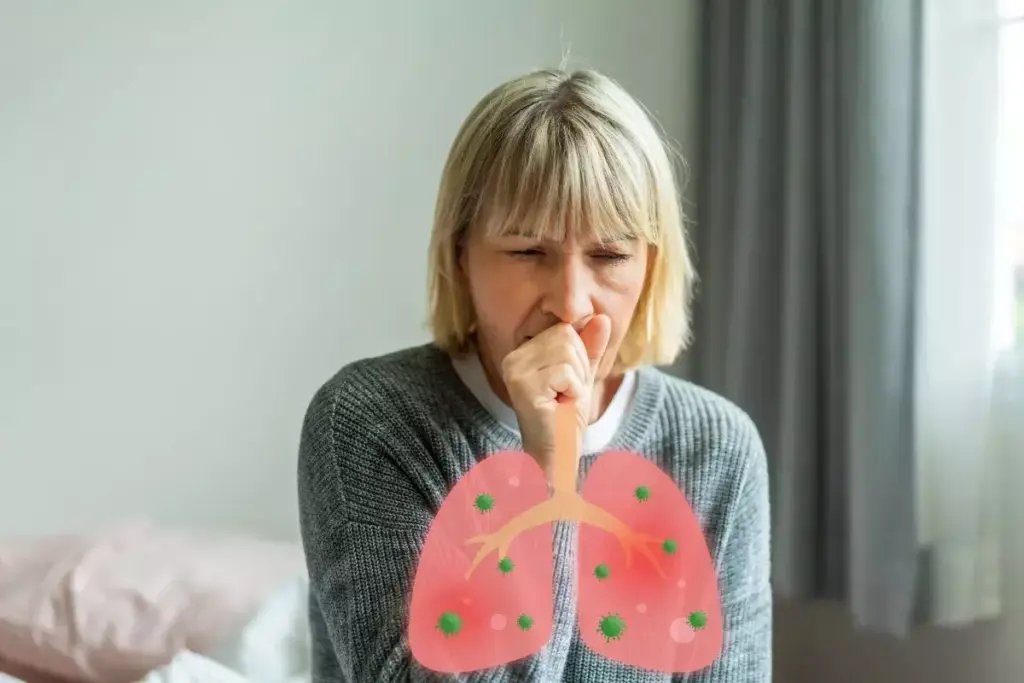
It’s important to know how contagious respiratory infections are. This knowledge helps us fight them better.
Contagious Period and Peak Transmission Times
Respiratory infections spread most in the first few days of symptoms. The CDC says people are most contagious on days 2-3. They can stay contagious for up to two weeks.
When symptoms are worst, it’s key to take action. Wear masks, wash hands, and stay away from others. This helps stop the spread.
Asymptomatic Carriers and Silent Spread
People who don’t show symptoms can spread infections too. In some places, more than 70% of cases are from these carriers. They can spread the virus without showing any signs.
This shows why we need to keep up with prevention. Vaccines, masks, and good hygiene are key, even if you don’t feel sick.
Viral vs. Bacterial Respiratory Infections
Viral and bacterial infections are different. Viral ones, like the common cold and flu, spread easily. They can spread through the air and close contact. For more on this, check out Keck Medicine’s blog.
Bacterial infections, like pneumonia, spread less easily but can be contagious. Knowing the type helps us treat and prevent them better.
Understanding how and when infections spread helps us fight them. Knowing the difference between viral and bacterial infections is also key.
Prevention and Management of Contagious Respiratory Infections
To stop the spread of contagious respiratory infections, like upper respiratory tract infections (URTI), good hygiene is key. Wash your hands often with soap and water. Also, throw away tissues properly. Wearing a mask when you’re sick can help stop the spread of viral URI.
Dr. Bagavathy advises to sneeze or cough into your elbow to avoid spreading viruses. Keep a safe distance from people, mainly those with weak immune systems. If you’re feeling sick, staying home helps prevent spreading the infection to others.
Remember, yellow phlegm or mucus doesn’t mean you’re contagious. Viral URI can spread before symptoms show. So, it’s important to keep up with preventive actions all the time.
By following these tips, we can lower the chance of getting and spreading respiratory infections. Good hygiene, wearing masks when needed, and staying home when sick are simple steps. These actions help prevent the spread of contagious respiratory infections, including those with yellow mucus or phlegm.
FAQ
Is a viral upper respiratory tract infection contagious?
Yes, viral upper respiratory tract infections are contagious. They spread through respiratory droplets, direct contact, and touching contaminated surfaces.
How contagious is upper respiratory infection?
Upper respiratory infections are very contagious, mainly in the first few days. The contagious period can change based on the infection type and the person’s health.
Are URI contagious?
Yes, upper respiratory infections (URIs) are contagious. They spread through respiratory droplets, close contact, and contaminated surfaces.
Infections of the respiratory system. In S. Baron (Ed.), Medical Microbiology (4th ed.). University of Texas Medical Branch at Galveston. NCBI Bookshelf. https://www.ncbi.nlm.nih.gov/books/NBK8142/