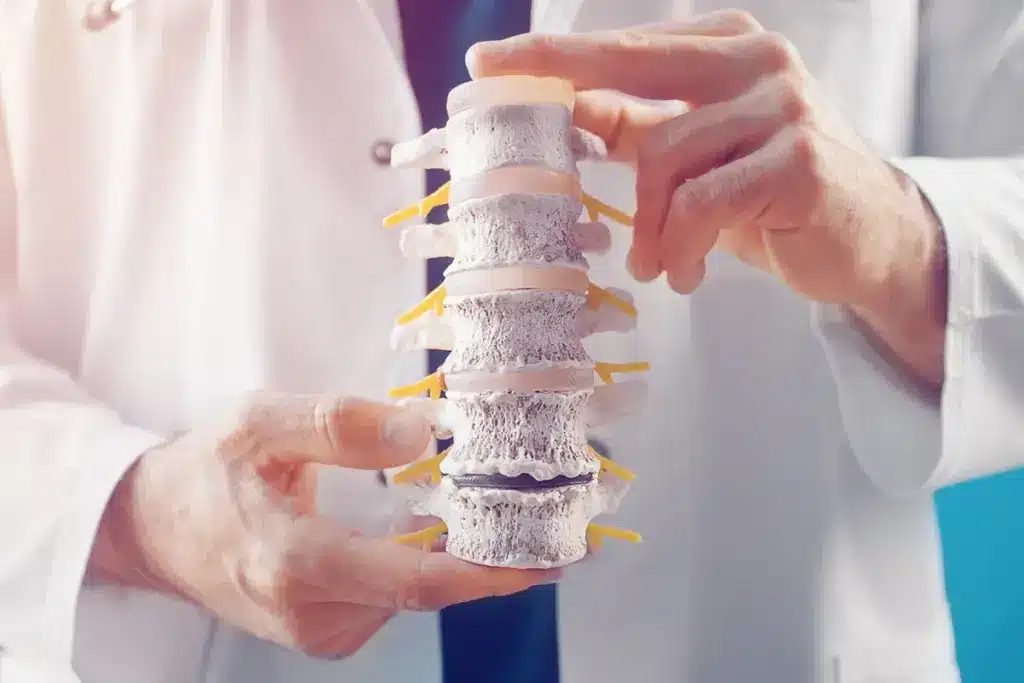
arthritis in back Osteoarthritis of the spine is a common problem worldwide, causing a lot of pain. It affects about 27 million adults in the United States. Many of these people have it in their spine.
It’s important to see the right doctor for this condition. Doctors like orthopedic specialists and rheumatologists can help. They can diagnose and treat osteoarthritis of the spine.
Key Takeaways
- Understanding the role of different doctors in treating osteoarthritis of the spine.
- Recognizing the importance of seeking medical help for spinal osteoarthritis.
- Identifying the specialists who can diagnose and manage osteoarthritis of the spine.
- Learning about the various treatment options available for osteoarthritis of the spine.
- The significance of early diagnosis in managing osteoarthritis effectively.
Understanding Osteoarthritis of the Spine
It’s important to understand osteoarthritis of the spine to manage it well. This condition causes pain and stiffness in the joints between vertebrae.
What Causes Spinal Osteoarthritis
Spinal osteoarthritis happens when the spine’s joints wear out over time. Aging, being overweight, and past injuries can make it worse.
- Aging: The risk goes up with age because of all the wear and tear.
- Obesity: Being overweight adds more stress to the spine.
- Previous Injuries: Trauma to the spine can start or speed up osteoarthritis.
Common Symptoms of Spine Osteoarthritis
The signs of spine osteoarthritis can differ but often include:
- Pain and stiffness in the neck or lower back.
- Less flexibility and range of motion.
- Pain that gets worse with activity and feels better with rest.
How Osteoarthritis Affects the Vertebrae
Osteoarthritis in the spine can cause bone spurs and cartilage loss between vertebrae. This leads to pain and less mobility.
Staying active and keeping a healthy weight can help with osteoarthritis symptoms, studies show.
When to Seek Medical Help for Spine Osteoarthritis
Knowing when to get help for osteoarthritis of vertebrae can stop long-term harm. Spine osteoarthritis, or vertebral osteoarthritis, affects the spine’s joints and discs. It can cause chronic pain and limit how well you can move.
Early Warning Signs of Spinal OA
Look out for early signs like constant back pain, morning stiffness, and trouble moving. If you notice these, seeing a doctor is key.
Red Flag Symptoms Requiring Immediate Attention
Some symptoms need quick doctor visits. These include sharp pain, numbness or tingling, loss of bladder or bowel control, and trouble walking. These could mean your osteoarthritis in the spine is getting worse.
Impact of Delayed Treatment
Waiting too long can make pain worse, damage joints more, and lower your quality of life. Getting medical help early can control symptoms, slow the disease, and improve your life with vertebral osteoarthritis.
Primary Care Physicians: Your First Point of Contact
Primary care physicians are key in diagnosing and treating osteoarthritis of the spine. They are often the first doctors people see when they notice symptoms.
The Role of PCPs in Initial Diagnosis
Primary care physicians can handle many health issues, including osteoarthritis of the spine. They start by taking a detailed medical history and doing a physical exam. This helps them understand the patient’s spine condition and find the cause of symptoms.
“A thorough initial assessment is key to finding the right treatment for osteoarthritis of the spine.”
What to Expect During Your First Visit
At the first visit, the doctor will ask about your symptoms, health history, and lifestyle. They might also check your movement, reflexes, and muscle strength. Sometimes, they’ll order X-rays or an MRI to confirm the diagnosis.
It’s important to share all your symptoms and concerns with the doctor. This helps them create a good treatment plan for you.
When Your PCP Will Refer to Specialists
If the primary care physician thinks you need more specialized care, they’ll refer you to a specialist. This could be a rheumatologist, orthopedic specialist, or pain management doctor, based on your needs.
“While primary care physicians can manage many cases of osteoarthritis, some patients may need a specialist’s help to manage their condition effectively.”
Rheumatologists: Specialists in Arthritis in Back and Joint Conditions
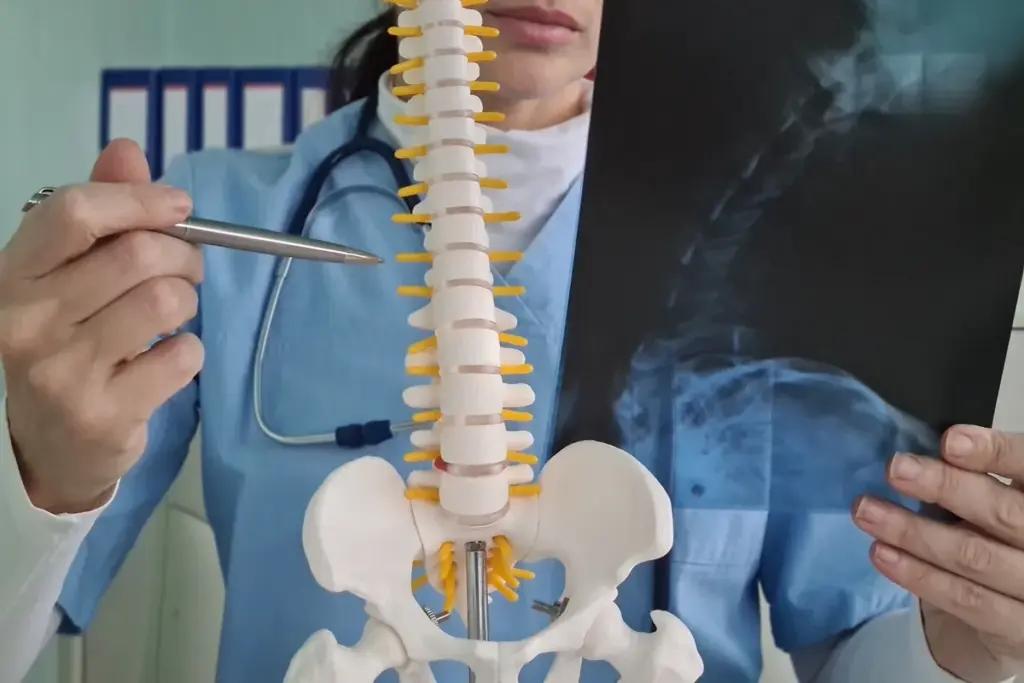
Rheumatologists are doctors who specialize in treating arthritis and other rheumatic diseases. They focus on osteoarthritis of the spine. They are key for those with back arthritis, as they can diagnose and manage the condition well.
How Rheumatologists Diagnose Spinal Osteoarthritis
To diagnose spinal osteoarthritis, doctors use a few steps. They look at the patient’s medical history, do a physical exam, and run tests. Rheumatologists know how to spot osteoarthritis and tell it apart from other conditions.
The steps to diagnose include:
- Looking at the patient’s medical history to understand their symptoms and health
- Doing a physical exam to check joint movement and pain
- Using X-rays, MRI, or CT scans to see the spine
- Running lab tests to check for other conditions
Medical Management Approaches
Rheumatologists use different ways to treat osteoarthritis of the spine. These include:
|
Management Approach |
Description |
|---|---|
|
Medications |
Prescribing NSAIDs, analgesics, or corticosteroids to manage pain and inflammation |
|
Lifestyle Modifications |
Recommending weight loss, exercise, and physical therapy to improve joint function |
|
Intra-articular Injections |
Administering corticosteroid or hyaluronic acid injections to reduce inflammation and improve joint lubrication |
When to See a Rheumatologist vs. Other Specialists
Knowing when to see a rheumatologist is important. If you have ongoing back pain or think you might have osteoarthritis, start with your primary care doctor. But if your condition is complex, a rheumatologist can offer the needed expertise.
Understanding the role of rheumatologists in treating arthritis in the back and osteoarthritis of the spine helps patients get the right care.
Orthopedic Specialists: Experts in Musculoskeletal Conditions
Orthopedic specialists lead in treating musculoskeletal issues, like osteoarthritis of the spine. They are key in handling OA spine, using both surgery and non-surgical methods.
The Orthopedic Approach to Spine Osteoarthritis
Orthopedic specialists start by fully checking a patient’s condition. They look at joint damage, medical history, and lifestyle factors. They then create a treatment plan that might include medicine, physical therapy, and lifestyle changes.
Surgical Options for Advanced Cases
For severe osteoarthritis of the spine, surgery might be needed. Orthopedic doctors are skilled in many surgeries, like spinal fusion and discectomy. The right surgery depends on the patient’s needs and condition.
|
Surgical Procedure |
Description |
Benefits |
|---|---|---|
|
Spinal Fusion |
A procedure that involves fusing two or more vertebrae together. |
Stabilizes the spine, reduces pain. |
|
Laminectomy |
A surgery that involves removing part or all of the lamina. |
Relieves pressure on the spinal cord or nerves. |
|
Discectomy |
A procedure that involves removing a damaged or herniated disc. |
Reduces pressure on spinal nerves, alleviates pain. |
Recovery and Rehabilitation After Orthopedic Interventions
Recovery and rehabilitation are key after treating osteoarthritis of the spine. Patients usually go through physical therapy and lifestyle changes. Orthopedic specialists work with physical medicine and rehabilitation doctors for a full recovery plan.
Knowing the role of orthopedic specialists in treating OA spine helps patients make better choices. Whether through surgery or other treatments, these experts help patients find relief from OA spine symptoms.
Neurologists and Neurosurgeons: Addressing Nerve Complications
Neurologists and neurosurgeons are key in dealing with nerve problems from spinal osteoarthritis. They offer vital care to those affected.
Neurological Symptoms of Spinal Osteoarthritis
Spinal osteoarthritis can cause nerve-related symptoms. These include numbness, tingling, and weakness in the arms or legs. This happens because the degenerative changes narrow the spinal canal or foramina, putting pressure on nerves.
These symptoms occur because the degenerative changes narrow the spinal canal or foramina. This puts pressure on the spinal cord or nerve roots.
Diagnostic Procedures Used by Neurologists
Neurologists use several tests to check the nerve impact of spinal osteoarthritis. These include:
- Electromyography (EMG) to check muscle electrical activity and find nerve damage.
- Nerve Conduction Studies (NCS) to measure nerve electrical signals’ speed and strength.
- Magnetic Resonance Imaging (MRI) to see the spine and find nerve compression or damage.
When Neurosurgical Intervention May Be Necessary
If conservative treatments don’t work, or if there’s significant nerve damage, surgery might be needed. Surgical options include:
|
Procedure |
Description |
Benefits |
|---|---|---|
|
Laminectomy |
Removes part or all of the lamina to relieve nerve pressure. |
Reduces nerve pressure, easing pain and symptoms. |
|
Spinal Fusion |
Fuses two or more vertebrae together. |
Stabilizes the spine, reducing pain and preventing nerve damage. |
It’s important to know the role of neurologists and neurosurgeons in managing spinal osteoarthritis. They offer critical care to ease symptoms and improve life quality.
Pain Management Specialists: Focused Relief for Chronic Pain
Pain management specialists help those with spine osteoarthritis. They offer many ways to ease chronic pain. This helps patients feel better and live better lives.
Types of Pain Interventions for Spine OA
Specialists use different methods to fight chronic pain from spine osteoarthritis. They might use medicine, interventional procedures, or other treatments. Each plan is made just for the patient.
Medication Management Strategies
Medicine is key in fighting pain from spine osteoarthritis. Specialists might give out painkillers, anti-inflammatory drugs, or muscle relaxants. These help reduce pain and discomfort.
Interventional Procedures for Pain Relief
Along with medicine, there are interventional procedures for pain relief. These methods can be very effective in managing chronic pain.
Injections and Nerve Blocks
Injections and nerve blocks put medicine right where it’s needed. They offer fast and effective pain relief. They’re great for those who haven’t found relief with other treatments.
Radiofrequency Ablation
Radiofrequency ablation is a small procedure that uses radio waves to stop pain nerves. It can give long-lasting pain relief to those with spine osteoarthritis.
|
Procedure |
Description |
Benefits |
|---|---|---|
|
Injections and Nerve Blocks |
Deliver medication directly to the affected area |
Quick and effective pain relief |
|
Radiofrequency Ablation |
Disables nerves that transmit pain signals |
Long-term pain relief |
Physical Medicine and Rehabilitation Physicians (PM&R)
Physical Medicine and Rehabilitation Physicians lead the fight against spinal osteoarthritis. They work to restore function, boost quality of life, and cut down on pain for those with spine osteoarthritis.
The Rehabilitation Approach to Spine Osteoarthritis
PM&R doctors take a whole-body approach to treating spine osteoarthritis. They focus on non-surgical methods. This means they check the patient’s health, find out what they can’t do, and create a plan just for them.
Physical Therapy Prescriptions and Oversight
Physical therapy is a big part of the treatment plan. PM&R doctors write up special exercise plans to help with flexibility, strength, and movement. They also watch over the therapy to make sure it’s working and tweak it if needed.
Functional Improvement Strategies
Getting better at everyday tasks is a main goal of rehab. PM&R doctors use many ways to help patients do more. This includes managing pain, suggesting special tools, and changing daily habits.
|
Strategy |
Description |
Benefit |
|---|---|---|
|
Pain Management |
Techniques to reduce pain |
Improved comfort |
|
Adaptive Equipment |
Tools to aid daily activities |
Increased independence |
|
Lifestyle Modifications |
Changes to daily habits |
Enhanced overall well-being |
Knowing about osteoarthritis of the spine and the rehab options helps patients. With PM&R doctors’ help, they can move forward in their treatment journey.
Complementary and Alternative Medicine Practitioners
Complementary and alternative medicine practitioners offer many treatments for arthritis in the back. These therapies can work alongside traditional treatments. They help give a full care plan for those with osteoarthritis of vertebrae.
Chiropractors and Spinal Manipulation
Chiropractors use spinal manipulation to help improve joint mobility and reduce pain. This method is great for those with osteoarthritis of the spine. It keeps the spine flexible and less stiff.
Acupuncture for Pain Management
Acupuncture is a CAM method that helps manage chronic pain from arthritis in the back. It involves putting fine needles into certain body points. This can help stimulate healing and lessen pain.
Massage Therapy and Osteopathic Treatment
Massage therapy and osteopathic treatment also help with osteoarthritis of vertebrae. They relax muscles, improve blood flow, and boost overall health.
Integrating Alternative Approaches with Conventional Medicine
It’s important to mix CAM therapies with traditional medicine. A healthcare professional should guide this. This mix can lead to better symptom control and a better life quality for those with arthritis in the back.
Some benefits of CAM therapies include:
- Less pain and stiffness
- Better mobility and flexibility
- Improved overall health
Adding these alternative methods to their care plan can help those with osteoarthritis of vertebrae. They can get a more complete treatment and better results.
Diagnostic Process and Tests for Vertebral Osteoarthritis
Healthcare professionals use many tools to diagnose vertebral osteoarthritis. This process helps them understand how severe the condition is. It also helps them choose the best treatment.
Physical Examination Techniques
A detailed physical exam is the first step. Doctors check how well you can move and if it hurts. They also look for tenderness or stiffness in your spine.
Imaging Studies
Imaging tests are key in diagnosing vertebral osteoarthritis. These include:
X-rays and Their Limitations
X-rays are often the first test used. They show bone spurs and joint narrowing. But, they can’t see early cartilage or soft tissue changes.
MRI and CT Scan Benefits
MRI and CT scans give more detailed images. MRI is great for soft tissues like cartilage and discs. CT scans show bone details better than X-rays.
Laboratory Tests and Their Role
Laboratory tests help rule out other conditions. Blood tests look for inflammation or other issues.
|
Diagnostic Tool |
Purpose |
Benefits |
|---|---|---|
|
Physical Examination |
Assess range of motion, tenderness |
Identifies limitations and pain |
|
X-rays |
Initial imaging for bone changes |
Reveals bone spurs, joint space narrowing |
|
MRI/CT Scans |
Detailed imaging of soft tissues and bones |
Visualizes cartilage, discs, and bone structures |
|
Laboratory Tests |
Rule out other conditions |
Identifies markers of inflammation |
Treatment Options for Osteoarthritis of the Spine
Treatment for osteoarthritis of the spine includes many options. These range from simple changes to surgery. The right treatment depends on how bad the symptoms are, the joint damage, and the patient’s health.
Non-Surgical Approaches
Non-surgical treatments are often the first step. They include making lifestyle changes, physical therapy, and taking medicines.
Medications and Supplements
Many medicines can help with osteoarthritis symptoms. Over-the-counter pain relievers like acetaminophen and NSAIDs are common. For more pain, prescription medications might be needed. Some people also try supplements like glucosamine and chondroitin sulfate.
Physical Therapy and Exercise
Physical therapy is key in managing spine osteoarthritis. It includes customized exercise programs to boost flexibility and strength. It also uses physical modalities like heat, cold, and electrical stimulation.
Minimally Invasive Procedures
For those who don’t get better with non-surgical methods, there are minimally invasive options. These include corticosteroid injections to cut down inflammation and radiofrequency ablation to block pain signals.
Surgical Interventions for Advanced Cases
In severe cases, surgery might be needed. Options include spinal fusion to stabilize the spine and laminectomy to ease pressure on nerves or the spinal cord.
Self-Management Strategies
Patients can also help manage their osteoarthritis. They can make lifestyle changes like staying healthy and not smoking. They should also self-monitor their symptoms and how treatments work.
Conclusion: Creating Your Spine Care Team
Managing spine osteoarthritis well needs a team of different doctors. Knowing who treats this condition is key to a good team.
Your first doctor is usually your primary care physician. They help figure out what’s wrong and send you to specialists if needed. Doctors like rheumatologists, orthopedic specialists, neurologists, and pain management doctors are all important for different parts of treatment.
Having a team of doctors helps those with spine osteoarthritis get a treatment plan made just for them. This team effort helps patients deal with the challenges of this condition. It makes their lives better and their health outcomes better too.
When you’re looking for help for your spine osteoarthritis, knowing who’s on your care team is important. Each specialist has a role in making your treatment plan complete.
FAQ
What kind of doctor treats osteoarthritis of the spine?
Many doctors can help with osteoarthritis of the spine. This includes primary care doctors, rheumatologists, and orthopedic specialists. Also, neurologists, neurosurgeons, pain management doctors, and physical medicine and rehabilitation doctors can assist.
What is osteoarthritis of the spine?
Osteoarthritis of the spine is a condition that affects the spine’s joints and discs. It causes pain, stiffness, and limited movement.
What are the symptoms of osteoarthritis of the spine?
Symptoms include back pain, stiffness, and limited mobility. You might also feel numbness or tingling in your arms or legs. Muscle weakness is another symptom.
How is osteoarthritis of the spine diagnosed?
Doctors use physical exams, X-rays, MRI, or CT scans to diagnose it. They also do lab tests to rule out other conditions.
What are the treatment options for osteoarthritis of the spine?
Treatment options include physical therapy, pain management, and lifestyle changes. For severe cases, doctors might suggest minimally invasive procedures or surgery.
Can osteoarthritis of the spine be managed without surgery?
Yes, many cases can be managed without surgery. This is done through physical therapy, pain management, and lifestyle changes.
When should I see a specialist for osteoarthritis of the spine?
See a specialist if your symptoms get worse. Also, if you have sudden severe pain, numbness, tingling, or muscle weakness.
What is the role of a rheumatologist in treating osteoarthritis of the spine?
Rheumatologists specialize in arthritis and joint conditions. They can diagnose and manage osteoarthritis of the spine. They often use medical management approaches.
Can alternative therapies help manage osteoarthritis of the spine?
Yes, alternative therapies like chiropractic care, acupuncture, massage therapy, and osteopathic treatment can help. They can improve your quality of life.
How can I create a complete spine care team?
Your spine care team can include a primary care doctor, specialists like rheumatologists or orthopedic specialists, and alternative therapy practitioners. They work together to manage your condition.
What is the importance of seeking timely medical help for osteoarthritis of the spine?
Getting medical help quickly is key. It helps prevent delayed treatment and improves your quality of life.
Who can diagnose vertebral osteoarthritis?
Many healthcare professionals can diagnose vertebral osteoarthritis. This includes primary care doctors, rheumatologists, orthopedic specialists, and others. They use physical exams, imaging studies, and lab tests to diagnose.
References
National Center for Biotechnology Information. Evidence-Based Medical Insight. Retrieved from https://pubmed.ncbi.nlm.nih.gov/26100547/