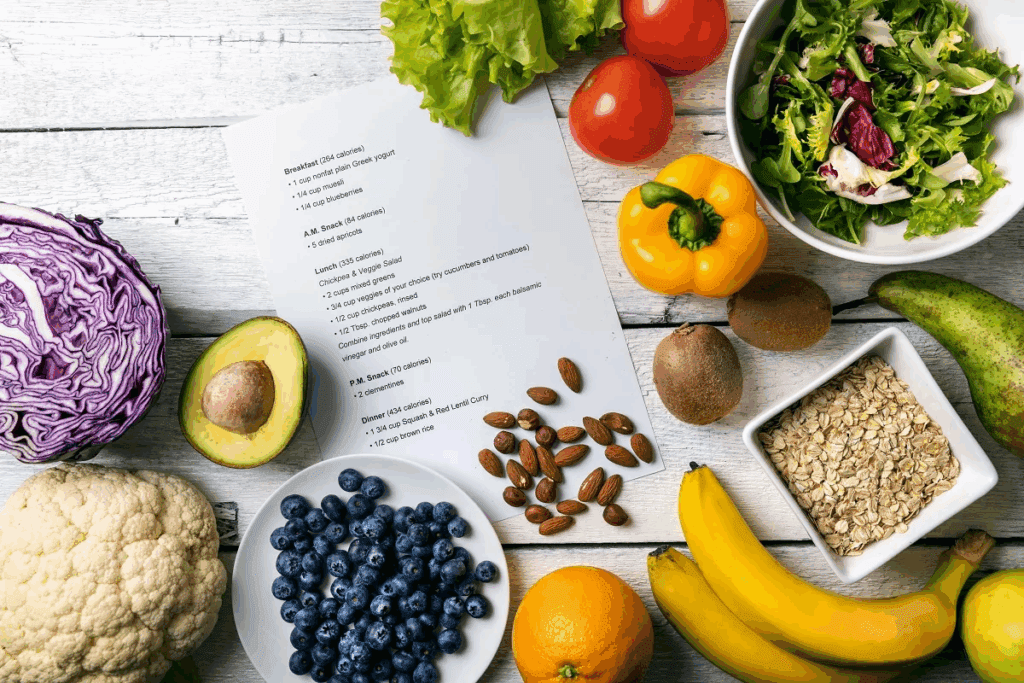
Getting better at sports isn’t just about working harder. It’s also about eating the right foods. Studies show that athletes who eat well perform better, recover faster, and last longer.
Proper nutrition is vital for peak performance. A good nutrition plan gives you the energy and health you need. We’ll look at the key foods for athletes to perform and recover well.
Knowing about nutrition plans for athletes can change your game. Eating the right foods can help you reach your goals.
Get the best ‘athlete diet‘ plan. Our simple, 7-day meal plan gives you the powerful, proven, and amazing foods for peak performance.
Key Takeaways
- A well-balanced nutrition plan is key for athletes.
- Good nutrition boosts performance, recovery, and endurance.
- Meal plans made by experts can greatly improve sports skills.
- Knowing the best foods for athletes is vital for top performance.
- A balanced diet gives you the energy and health you need.
The Fundamentals of Athletic Nutrition
Athletic nutrition is key for athletes, affecting both performance and recovery. A good diet fuels athletes, helps them recover, and keeps them healthy.
Studies show that knowing about nutrition is vital for athletes. Learning about athletic nutrition helps athletes make better food choices. This leads to better performance and health.
Current Research on Sports Nutrition
Research highlights the role of carbs, protein, and healthy fats for athletes. A balanced diet with these nutrients is vital for top performance.
“Nutrition is a critical component of athletic performance. Adequate nutrition supports energy production, aids in recovery, and promotes overall health.” Nutrition and Athletic Performance Report
Studies reveal that a balanced diet boosts performance and recovery. Athletes with the right mix of carbs, protein, and fats do better than those who don’t.
| Macronutrient | Role in Athletic Performance | Recommended Intake |
|---|---|---|
| Carbohydrates | Primary source of energy | 55-65% of total daily calories |
| Protein | Muscle repair and recovery | 15-20% of total daily calories |
| Healthy Fats | Energy source and hormone regulation | 20-30% of total daily calories |
How Proper Nutrition Enhances Performance
Good nutrition boosts athletic performance by giving the energy needed, supporting muscles, and helping recovery. A diet full of essential nutrients helps athletes perform better, lowers injury risk, and keeps them healthy.
Eating complex carbs like sweet potatoes gives lasting energy. Protein-rich foods like Greek yogurt help muscles recover. Drinking enough water is also key, as dehydration can hurt performance.
By grasping and applying athletic nutrition principles, athletes can greatly improve their performance. They can reach their goals and stay healthy and well.
Understanding the Athlete Diet Requirements
Athletes need the right nutrients to perform well. A balanced diet is key for their performance, recovery, and health.
They should eat a mix of carbs, protein, and healthy fats. The diet’s exact mix depends on the sport, athlete’s needs, and training.
Macronutrient Balance for Athletes
Athletes’ diets usually have 45-65% carbs, 10-35% protein, and 20-35% fats. Carbohydrates give energy for intense activities. Protein helps muscles recover, and healthy fats support health and energy.
| Macronutrient | Percentage of Total Calories | Examples of Food Sources |
|---|---|---|
| Carbohydrates | 45-65% | Sweet potatoes, whole grains, fruits |
| Protein | 10-35% | Lean meats, fish, eggs, dairy |
| Fats | 20-35% | Nuts, seeds, avocados, olive oil |
Finding the right balance of macronutrients is vital for athletes. For example, endurance athletes need more carbs to keep their energy up.
Knowing and following the right macronutrient balance boosts an athlete’s performance and recovery. It’s not just about eating enough calories. It’s about eating the right kinds of calories for their athletic needs.
The 7 Best Foods for Athletic Performance
To reach the top of athletic performance, it’s key to eat the right foods. These foods give lasting energy and help muscles recover. Athletes need a diet full of important nutrients. Eating the right foods can really boost their performance and health.
1. Sweet Potatoes: Complex Carbohydrates for Sustained Energy
Sweet potatoes are packed with complex carbs for long-lasting energy. They also have vitamins A and C, potassium, and fiber. This makes them a great choice for athletes.
Nutritional Benefits: Rich in vitamins A and C, potassium, and fiber.
2. Salmon: Omega-3 Fatty Acids and Lean Protein
Salmon is known for its omega-3 fatty acids, which fight inflammation and are good for the heart. It’s also a top source of lean protein for muscle repair.
Nutritional Benefits: High in omega-3 fatty acids, lean protein.
3. Eggs: Complete Protein for Muscle Recovery
Eggs are a complete protein, meaning they have all nine essential amino acids for muscle repair and growth. They also have vitamins and minerals like vitamin D and choline.
Nutritional Benefits: Complete protein, rich in vitamins and minerals.
4. Greek Yogurt: Protein-Rich Recovery Food
Greek yogurt is full of protein, making it perfect for athletes to recover. It also has probiotics for gut health and calcium for bones.
Nutritional Benefits: High in protein, probiotics, calcium.
The table below shows the nutritional benefits of these top foods for athletes:
| Food | Key Nutrients | Benefits for Athletes |
|---|---|---|
| Sweet Potatoes | Complex Carbohydrates, Vitamins A & C, Potassium, Fiber | Sustained Energy, Nutrient-Rich |
| Salmon | Omega-3 Fatty Acids, Lean Protein | Reduced Inflammation, Muscle Repair |
| Eggs | Complete Protein, Vitamins, Minerals | Muscle Recovery, Growth |
| Greek Yogurt | Protein, Probiotics, Calcium | Recovery, Gut Health, Bone Health |
Adding these foods to an athlete’s diet can greatly improve energy, recovery, and performance. By choosing nutrient-rich foods, athletes can better their nutrition and reach their goals.
Hydration Strategies for Athletes
Athletes need good hydration plans to perform well and avoid dehydration. Drinking enough water is key for top performance. It helps control body temperature, moves nutrients, and gets rid of waste.
Calculating Your Fluid Requirements
To stay hydrated, athletes must figure out how much water they need. This depends on the exercise type, how hard it is, the weather, and how much they sweat.
Here’s how to figure out your water needs:
- Check your weight before and after working out to see how much you sweat.
- Keep track of how much water you drink while exercising.
- Change your hydration plan based on what you learn.
Electrolyte Replacement During Exercise
Electrolytes like sodium and potassium are lost in sweat. They need to be replaced to stay hydrated and avoid muscle cramps.
The table below shows how much electrolyte is in common sports drinks:
| Sports Drink | Sodium (mg/L) | Potassium (mg/L) |
|---|---|---|
| Gatorade | 460 | 210 |
| Powerade | 450 | 150 |
| NutraBio | 520 | 230 |
In summary, good hydration plans are vital for athletes to do their best. By figuring out how much water they need and replacing electrolytes, athletes can stay hydrated and get better results.
Meal Timing: When to Eat for Optimal Performance
When athletes eat can greatly affect their performance and recovery. Eating the right foods at the right time boosts endurance and strength. It also improves overall athletic performance.
Pre-Training Nutrition Strategies
Eating the right foods before training is key. We suggest a meal with complex carbs, lean protein, and healthy fats 1-3 hours before exercise. For example, whole-grain toast, avocado, and eggs provide energy and support muscles.
Key Pre-Training Nutrition Tips:
- Eat a balanced meal 1-3 hours before exercise.
- Choose complex carbohydrates for sustained energy.
- Include lean protein to support muscle function.
- Stay hydrated by drinking water or a sports drink.
During-Exercise Nutrition for Long Events
For long events over 60 minutes, nutrition during exercise is vital. Eating easy-to-digest carbs keeps energy up. Sports drinks, gels, or energy bars are good choices. It’s also important to drink water or sports drinks regularly.
During-Exercise Nutrition Considerations:
- Consume 30-60 grams of carbohydrates per hour.
- Choose easily digestible carbohydrate sources.
- Monitor hydration levels and drink according.
Post-Exercise Recovery Window
The first 60 minutes after exercise is key for recovery. Eating carbs and protein during this time helps refill glycogen and repair muscles. Studies show eating balanced meals within an hour after training boosts glycogen and muscle repair.
Post-Exercise Recovery Strategies:
- Consume a mix of carbohydrates and protein within 60 minutes.
- Choose foods or supplements with a 3:1 or 4:1 carb to protein ratio.
- Examples include a protein shake with a banana or a meal with grilled chicken, brown rice, and veggies.
Pre-Workout Meal Planning Guide
To get the most out of your workout, eating the right meal before is key. The right food can boost your endurance, strength, and overall performance.
Endurance Sports Pre-Workout Meals
Endurance athletes, like runners, cyclists, or swimmers, need specific foods. They should eat complex carbs, moderate protein, and little fat. This keeps their energy up for a long time.
Recommended foods include:
- Whole grain bread or pasta
- Fruits like bananas or berries
- Lean proteins such as chicken or turkey
Strength Training Pre-Workout Nutrition
Strength training athletes need a different diet. Their meals should be high in protein for muscle repair and growth. They also need complex carbs for energy.
Examples of suitable pre-workout meals for strength training include:
- Grilled chicken with quinoa and vegetables
- Lean beef with brown rice and steamed broccoli
- Eggs with whole grain toast and avocado
Team Sports Pre-Game Fuel
Team sports athletes, like soccer or basketball players, need a balanced diet. Their meals should be eaten 1-3 hours before the game. They should include carbs, protein, and healthy fats.
Sample pre-game meals for team sports athletes:
| Meal Component | Food Examples |
|---|---|
| Carbohydrates | Whole grain wraps, fruits |
| Protein | Grilled chicken, lean turkey |
| Healthy Fats | Nuts, avocado |
Post-Workout Recovery Nutrition
Post-workout recovery nutrition is key for athletes. After a tough workout, they need the right food to recover and get ready for the next session.
The Science of Glycogen Replenishment
Glycogen replenishment is vital after a workout. Glycogen is a complex carb stored in muscles and the liver. Eating carbs after exercise helps refill these stores. Studies show eating carbs within 60 minutes boosts glycogen replenishment.
Effective glycogen replenishment strategies include eating high-glycemic carbs like white bread or fruit. Also, doing cooldown activities helps blood flow to muscles.
Protein Synthesis and Muscle Repair
Protein synthesis is also key for recovery. Exercise damages muscle fibers, and protein helps fix and grow them. Eating protein after exercise boosts muscle repair and strength.
Athletes need enough protein, more so after strength training or intense exercise. The amount varies, but 15 to 30 grams of protein within 60 minutes is recommended.
Recovery Meal and Snack Ideas
Choosing the right recovery meal or snack is important. Athletes should aim for a mix of carbs and protein. Good options include a banana with peanut butter, a protein shake with fruit, or lean protein, complex carbs, and healthy fats.
- A smoothie bowl with Greek yogurt, berries, and granola
- Grilled chicken breast with quinoa and steamed vegetables
- A turkey and avocado wrap with mixed greens
By using these recovery nutrition tips, athletes can recover better, perform better, and reach their training goals.
Carbohydrates: The Foundation of an Athlete Diet
For athletes, carbs are more than just energy. They are the base of their diet. They play a key role in how well athletes perform and recover.
“Carbohydrates are the body’s preferred energy source,” sports nutritionists say. “They are key for athletes wanting to do their best.” This is because carbs turn into glucose, which powers the muscles.
Complex vs. Simple Carbohydrates
It’s important for athletes to know the difference between complex and simple carbs. Complex carbs, like whole grains and fruits, give long-lasting energy. Simple carbs, like sugars, give quick energy but aren’t as nutritious.
Complex Carbohydrates: Foods like whole grains, legumes, and starchy veggies give energy that lasts.
Simple Carbohydrates: Foods like fruits, dairy, and refined sugars give quick energy.
Best Carbohydrate Sources for Athletes
Athletes should eat high-quality carbs to boost their performance. Some top choices include:
- Whole grains like brown rice, quinoa, and whole-wheat bread
- Fruits such as bananas, apples, and berries
- Vegetables like sweet potatoes, broccoli, and carrots
- Legumes, including beans, lentils, and peas
Carb-Loading Strategies for Competition
Carb-loading helps athletes fill up their glycogen stores before big events. This means eating lots of carbs a few days before.
To carb-load right, start eating more carbs 2-3 days before. Stick to complex carbs. Also, cut back on training to keep glycogen levels up.
“Carb-loading can significantly enhance endurance performance by maximizing muscle glycogen stores,” according to a study on athletic nutrition.
By using these carb strategies, athletes can boost their performance and reach their goals.
Protein: Building and Repairing Athletic Bodies
Athletes need enough protein to grow and repair muscles. It’s key for their performance and recovery. Protein helps the body bounce back after exercise and meet new challenges.
Calculating Your Protein Requirements
Finding the right protein amount is important for athletes. They should eat 1.2 to 2.0 grams of protein for every kilogram of their weight each day. The exact amount depends on their training type and intensity.
To figure out your protein needs, multiply your weight in kilograms by the recommended grams per kilogram. For example, a 70 kg athlete needing 1.6 grams/kg/day would need about 112 grams of protein daily.
Animal-Based Protein Sources
Animal proteins are complete because they have all the amino acids needed for muscle repair and growth. Here are some examples:
- Lean Meats: Chicken, turkey, and lean beef are great choices.
- Fish and Seafood: Salmon, tuna, and shrimp are not only high in protein but also in omega-3s.
- Eggs and Dairy: Eggs, milk, and Greek yogurt are rich in protein and versatile.
Plant-Based Protein Options
For those on a plant-based diet, it’s important to eat a variety of protein sources. This ensures they get all the essential amino acids. Here are some key options:
- Legumes: Beans, lentils, and peas are high in protein and fiber.
- Nuts and Seeds: Almonds, chia seeds, and hemp seeds are protein-rich and full of healthy fats.
- Whole Grains: Quinoa and brown rice are whole grains that add to daily protein intake.
- Plant-Based Protein Powders: Made from pea, rice, or hemp protein, these are easy for post-workout recovery.
By knowing and using these protein sources, athletes can support their training, improve performance, and recover better.
Healthy Fats: Essential for Athletic Performance
Healthy fats are key for athletes, helping the heart and reducing inflammation. We’ll look at their benefits and how to add them to an athlete’s diet.
Omega-3 Rich Foods for Reduced Inflammation
Omega-3 fatty acids fight inflammation, great for athletes who train hard. Foods like salmon and walnuts reduce muscle soreness and speed up recovery.
Eating omega-3 rich foods twice a week is a good start. Here’s a table of top sources:
| Food | Omega-3 Content (g) |
|---|---|
| Salmon (3 oz) | 1.8 |
| Walnuts (1 oz) | 2.5 |
| Sardines (3 oz) | 1.3 |
Monounsaturated Fats for Heart Health
Monounsaturated fats are vital for athletes’ heart health. They lower bad cholesterol and raise good cholesterol. Avocados and olive oil are full of these fats.
Adding these foods to your diet is easy. Try avocado slices in your meals or olive oil for cooking.
Fat Timing in the Athlete’s Diet
When to eat fats matters for athletes. Eating them at the right time boosts energy and helps recover. It’s best to eat fats with meals to better absorb vitamins.
For athletes, it’s about finding the right balance. A varied diet with healthy fats supports performance and health.
7-Day Complete Meal Plan for Athletes
A good meal plan is key for athletes to fuel their bodies and aid in recovery. Different athletes need different foods based on their activities and goals. Here, we offer a 7-day meal plan for endurance, strength training, and team sport athletes.
Endurance Athlete Meal Plan
Endurance athletes need lots of complex carbs to keep their energy up. Here’s a meal plan for them:
| Day | Breakfast | Lunch | Dinner |
|---|---|---|---|
| Monday | Oatmeal with banana and almond butter | Grilled chicken with quinoa and vegetables | Salmon with sweet potatoes and green beans |
| Tuesday | Whole-grain toast with avocado and eggs | Turkey and avocado wrap with mixed greens | Beef stir-fry with brown rice and broccoli |
| Wednesday | Greek yogurt with berries and granola | Chicken Caesar salad | Pork chop with roasted vegetables and quinoa |
| Thursday | Smoothie bowl with banana, spinach, and almond milk | Grilled chicken breast with brown rice and steamed vegetables | Grilled shrimp with quinoa and asparagus |
| Friday | Whole-grain cereal with milk and sliced banana | Turkey and cheese sandwich on whole-grain bread with carrot sticks | Chicken and vegetable skewers with quinoa |
| Saturday | Pancakes made with whole-grain flour and topped with berries and maple syrup | Grilled chicken wrap with mixed greens and hummus | Beef and vegetable stew with whole-grain bread |
| Sunday | Breakfast burrito with scrambled eggs, black beans, and avocado | Chicken and quinoa bowl with roasted vegetables | Grilled salmon with roasted sweet potatoes and green beans |
Strength Training Meal Plan
Strength training athletes need a lot of protein to build and repair muscles. Here’s a meal plan for them:
| Day | Breakfast | Lunch | Dinner |
|---|---|---|---|
| Monday | Scrambled eggs with turkey sausage and whole-grain toast | Grilled chicken breast with quinoa and steamed broccoli | Lean beef with roasted vegetables and brown rice |
| Tuesday | Protein smoothie with banana, spinach, and almond milk | Turkey and avocado wrap with mixed greens | Grilled chicken with sweet potatoes and green beans |
| Wednesday | Oatmeal with almond butter and banana slices | Chicken Caesar salad | Pork chop with roasted vegetables and quinoa |
| Thursday | Avocado toast on whole-grain bread with poached eggs | Grilled chicken breast with brown rice and steamed asparagus | Grilled shrimp with quinoa and roasted vegetables |
| Friday | Greek yogurt with mixed berries and granola | Turkey and cheese sandwich on whole-grain bread with carrot sticks | Chicken and vegetable skewers with quinoa |
| Saturday | Breakfast burrito with scrambled eggs, black beans, and salsa | Grilled chicken wrap with mixed greens and hummus | Beef and vegetable stew with whole-grain bread |
| Sunday | Whole-grain pancakes with mixed berries and maple syrup | Chicken and quinoa bowl with roasted vegetables | Grilled salmon with roasted sweet potatoes and green beans |
Team Sport Athlete Meal Plan
Team sport athletes need a balanced diet to support their energy and recovery. Here’s a meal plan for them:
| Day | Breakfast | Lunch | Dinner |
|---|---|---|---|
| Monday | Oatmeal with banana and honey | Grilled chicken with quinoa and mixed vegetables | Salmon with brown rice and steamed asparagus |
| Tuesday | Whole-grain toast with avocado and eggs | Turkey and cheese wrap with carrot sticks | Beef stir-fry with brown rice and broccoli |
| Wednesday | Greek yogurt with mixed berries and granola | Chicken Caesar salad | Pork chop with roasted sweet potatoes and green beans |
| Thursday | Smoothie bowl with banana, spinach, and almond milk | Grilled chicken breast with quinoa and steamed vegetables | Grilled shrimp with quinoa and roasted asparagus |
| Friday | Whole-grain cereal with milk and sliced banana | Turkey and avocado sandwich on whole-grain bread | Chicken and vegetable skewers with quinoa |
| Saturday | Pancakes made with whole-grain flour and topped with berries and maple syrup | Grilled chicken wrap with mixed greens and hummus | Beef and vegetable stew with whole-grain bread |
| Sunday | Breakfast burrito with scrambled eggs, black beans, and salsa | Chicken and quinoa bowl with roasted vegetables | Grilled salmon with roasted sweet potatoes and green beans |
By following these meal plans, athletes can fuel their bodies right for their needs. This helps improve performance and aids in recovery.
Conclusion: Fueling Your Athletic Success
Proper nutrition is key for athletes to succeed. A balanced diet with the right foods, water, and timing boosts performance. This way, athletes can reach their goals by fueling their bodies right.
We’ve looked at the basics of athletic nutrition. This includes the right mix of macronutrients, staying hydrated, and when to eat. Adding the 7 best foods for athletes to their diet helps meet energy needs and aids in recovery. No matter your sport, a good nutrition plan can lead to success.
Knowing how to fuel your body is vital for better performance. By following the right nutrition principles, you can improve your skills. With the right foods and nutrients, you can achieve your athletic dreams.
FAQ
What is the importance of proper nutrition for athletes?
Proper nutrition is key for athletes to perform well. It gives them the energy and helps them recover and stay healthy.
What are the essential components of an athlete’s diet?
Athletes need a balanced diet. This includes carbs, protein, and healthy fats in the right amounts.
What are the best foods for athletic performance?
Foods like sweet potatoes, salmon, eggs, and Greek yogurt are great. They offer nutrients, energy, and help muscles recover.
How do I calculate my fluid requirements for hydration?
To figure out how much water you need, think about your weight, the weather, and how hard you’re working out.
What is the importance of meal timing for athletes?
Eating at the right times is important. It helps athletes perform better and recover faster. This includes eating before, during, and after exercise.
What are the best carbohydrate sources for athletes?
Good carbs for athletes are whole grains, fruits, and veggies. They give energy. Sports drinks and energy gels offer quick energy.
How much protein do athletes need?
Athletes need enough protein to build and fix muscles. How much depends on their weight, how hard they work out, and their goals.
What are the benefits of healthy fats for athletes?
Healthy fats like omega-3s and monounsaturated fats are good for the heart. They reduce inflammation and give athletes lasting energy.
Can a balanced meal plan improve athletic performance?
Yes, a balanced meal plan can help athletes perform better. It helps them recover and reach their training goals.
What is the role of nutrition plans for athletes?
Nutrition plans help athletes get the right food for their needs. They ensure athletes have the fuel they need for performance and recovery.
How does athlete meal planning vary for different sports?
Meal planning changes for different sports. It depends on the sport, like endurance, strength training, or team sports. Each sport has its own nutrition needs.
References
https://pmc.ncbi.nlm.nih.gov/articles/PMC10848936



 Departments
 Related Videos
 Our Doctors
 News
News