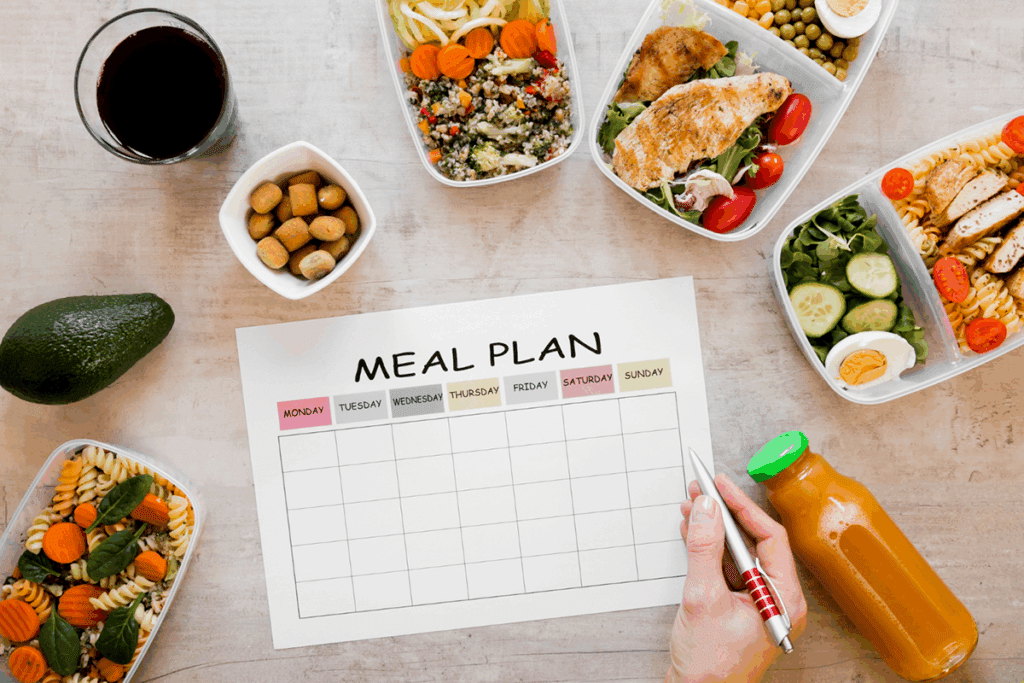
Optimal athlete nutrition needs careful attention to the right mix of nutrients and when to eat them. A well-thought-out meal plan is key for optimal training performance.Get the best ‘athlete food plan.’ Our simple, 7-day guide gives you the powerful, proven, and amazing foods for peak performance.
A balanced diet is vital for athletes to reach their top performance. The right mix of nutrients and timing can prevent injuries, improve digestion, and keep energy levels up.
We will look at the 7 best athlete meal plans for better training performance. By using proven dietary strategies and focusing on each athlete’s needs, we help them reach their full capacity.
Key Takeaways
- A well-structured meal plan is essential for top athletic performance.
- Getting the right balance and timing of nutrients is critical for peak performance.
- A balanced diet helps prevent injuries and boosts digestion.
- Having a steady energy supply comes from a well-planned diet.
- Custom meal plans are vital for athletes to achieve their best results.
The Science of Athletic Nutrition
Athletic nutrition is a science that boosts an athlete’s training and performance. Good nutrition is key for athletes. It affects their energy, recovery, and how well they do.
How Nutrition Impacts Training Performance
Nutrition is vital for athletes to perform at their best. Carbohydrates are a main energy source for athletes. They can be used in different ways, making them great for various sports.
Research shows athletes need 50 to 70 percent of their calories from carbs. This helps them perform better.
Nutrition affects athletes in many ways. It helps with energy, recovery, and health. Athletes need a diet that fits their training needs.
The Athlete’s Metabolic Demands
Athletes need more energy than regular people because of their hard training. Their bodies work harder to recover and function. Knowing this helps create good nutrition plans.
The needs of athletes vary by sport and training intensity. Endurance athletes need different nutrition than strength athletes. Customizing nutrition plans is key for top performance.
Essential Macronutrients for Athletic Excellence

For athletes aiming for top performance, knowing about carbs, protein, and fats is key. These three are the base of a good athlete meal plan. Each one plays a special role in boosting athletic performance.
Carbohydrates: Fueling Performance
Carbs are the main energy source for high-energy activities. They are stored in muscles as glycogen, which turns into glucose for energy during exercise. Athletes should eat 50-70% carbs daily. This is vital for long events, keeping energy up and performance high.
Choose complex carbs like whole grains, fruits, and veggies. They give lasting energy and are full of fiber and nutrients.
Protein: Recovery and Muscle Synthesis
Protein is key for muscle repair and growth, keeping athletes full between meals. It’s made of amino acids, the muscle’s building blocks. Athletes need more protein for muscle repair after hard workouts.
How much protein depends on the athlete’s needs and training. Focus on high-quality sources like lean meats, fish, eggs, and dairy.
Fats: Sustained Energy and Hormone Production
Fats offer long-lasting energy and help with vitamin absorption. They’re also important for hormone production, aiding growth and recovery. Even though fats are high in calories, they’re vital for energy balance and nutrient absorption.
Encourage athletes to eat healthy fats like nuts, seeds, avocados, and olive oil. These fats support heart health and provide steady energy.
Strategic Nutrition Timing for Athletes
Timing your nutrition can make a big difference in your athletic performance. It’s not just about what you eat, but when you eat it too.
Nutrition timing helps your body respond better to exercise. It boosts performance, aids in recovery, and helps reach your athletic goals.
Pre-Workout Nutrition (1-2 Hours Before)
Eating before exercise is key. Aim for a meal with carbs and protein 1-2 hours before. This gives your muscles the energy they need.
A study in the Journal of the International Society of Sports Nutrition found that eating carbs and protein before exercise improves endurance. It also reduces muscle damage.
Intra-Workout Fueling Strategies
If you’re doing long or intense workouts, fueling during exercise is vital. Carbs help keep your blood sugar up and prevent fatigue. The right carbs depend on how long and hard you’re working out.
“Consuming easily digestible carbohydrates during prolonged exercise can help maintain energy levels and support overall performance.”
Post-Workout Recovery Window
After exercise, eat protein and carbs to help your muscles recover. This is the best time for your body to take in nutrients.
A study in the Journal of Applied Physiology showed that eating protein and carbs within 30-60 minutes after exercise helps a lot. It speeds up recovery and muscle repair.
Timing your nutrition around workouts can improve your performance and recovery. It helps you reach your training goals more effectively.
The Complete Athlete Food Plan Framework
Every athlete needs a special diet to boost their performance. Each one has different needs based on their sport, how hard they train, and personal factors.
Calculating Your Athletic Caloric Needs
Figuring out how many calories an athlete needs is key. Athletes need a certain amount of energy for their training. This amount can vary a lot from one athlete to another.
A 7-day meal plan for athletes might be around 2,300 kcal. But, this can change based on how hard they train, how long they train, and their goals. For example, they might want to lose or gain weight.
Athlete Type | Daily Caloric Needs | Training Intensity |
Endurance Athlete | 2,500-3,000 kcal | High |
Strength Athlete | 2,000-2,500 kcal | Medium to High |
Team Sport Athlete | 2,200-2,800 kcal | Variable |
Adjusting Macros for Different Training Phases
Athletes need to change their macronutrient intake with different training phases. For example, they might need more carbs when training hard.
Adjusting Macronutrients:
- Increase carbohydrates during high-intensity training phases.
- Adjust protein intake based on muscle repair and growth needs.
- Balance fats to support hormone production and sustained energy.
Meal Frequency and Portion Control
How often and how much athletes eat is very important. Eating regularly helps keep energy up and aids in recovery.
For the best performance, athletes should:
- Eat 3-5 main meals and 2-3 snacks a day.
- Adjust portion sizes based on their caloric needs.
- Choose foods that are full of nutrients to support health and performance.
Endurance Athlete Meal Plan
Endurance athletes, like marathon runners and cyclists, need a special diet. This diet helps them perform better and recover faster. It’s all about the right mix of nutrients.
Ideal For: Marathon Runners, Cyclists, Swimmers
This meal plan is for those who do long events. They need lots of carbs for energy, some protein for muscle repair, and healthy fats for lasting energy.
Macronutrient Breakdown (65% Carbs, 15% Protein, 20% Fat)
Endurance athletes should eat 65% carbs, 15% protein, and 20% fat. This mix fuels their long activities, helps muscles heal, and keeps them healthy.
Nancy Clark, a sports nutrition expert, says carbs are key for these athletes. They make up most of their daily calories.
“The athlete’s diet should emphasize complex carbohydrates such as whole grains, fruits, and vegetables, which provide sustained energy and essential nutrients.”
Sample Daily Meal Schedule
Here’s what a daily meal plan for an endurance athlete might look like:
Meal | Time | Food |
Breakfast | 7:00 AM | Oatmeal with banana and almond butter |
Pre-workout Snack | 9:00 AM | Energy bar and sports drink |
Lunch | 12:00 PM | Grilled chicken with quinoa and steamed vegetables |
Post-workout Recovery | 3:00 PM | Protein shake with fruit and chocolate milk |
Dinner | 6:00 PM | Salmon with sweet potato and green beans |
This meal plan balances carbs, protein, and fats. It helps athletes stay energized and recover well. By sticking to this plan, they can reach their best performance.
Strength and Power Athlete Meal Plan
Strength and power athletes need a special diet. It should have the right mix of carbs, protein, and fats. This diet helps them grow muscle, recover, and have energy.
Ideal For: Weightlifters, Sprinters, Football Players
These athletes do intense workouts that push their muscles and energy hard. A diet made just for them can boost their performance and help them recover. They need a diet full of the right nutrients to fuel their workouts and help them get better.
Macronutrient Breakdown (50% Carbs, 30% Protein, 20% Fat)
A good meal plan for them has 50% carbs, 30% protein, and 20% fats. This mix helps them make energy, build muscle, and perform well in sports.
- Carbohydrates (50%): Give energy for intense workouts and help muscles work right.
- Protein (30%): Key for fixing and growing muscles, and for recovery.
- Fats (20%): Help make hormones and give lasting energy.
Sample Daily Meal Schedule
Here’s a daily meal plan for strength and power athletes:
- Breakfast: Oatmeal with banana, almond butter, and eggs (500 calories, 60g carbs, 30g protein, 15g fat).
- Mid-Morning Snack: Greek yogurt with berries and honey (200 calories, 30g carbs, 20g protein, 5g fat).
- Lunch: Grilled chicken breast with brown rice and steamed vegetables (600 calories, 80g carbs, 50g protein, 10g fat).
- Pre-Workout Snack: Apple slices with peanut butter (150 calories, 20g carbs, 8g protein, 8g fat).
- Post-Workout Shake: Protein shake with milk, banana, and honey (300 calories, 40g carbs, 25g protein, 5g fat).
- Dinner: Grilled salmon with quinoa and roasted vegetables (600 calories, 60g carbs, 50g protein, 20g fat).
- Before Bed Snack: Cottage cheese with cucumber slices (150 calories, 5g carbs, 25g protein, 0g fat).
This meal plan gives about 2500 calories. It has the right mix of nutrients for strength and power athletes.
Team Sport Athlete Meal Plan
Team sport athletes need a balanced diet to fuel their activities. This diet should support their energy needs and help with muscle recovery. Athletes in sports like basketball, soccer, and hockey require specific nutrition.
Ideal For: Basketball, Soccer, Hockey Players
These athletes do high-intensity activities that need endurance, strength, and agility. Their meal plan must meet these needs. A balanced diet is key for better performance and injury prevention.
Macronutrient Breakdown (55% Carbs, 25% Protein, 20% Fat)
The ideal meal plan has 55% carbs, 25% protein, and 20% fat. Carbs are vital for energy. Protein helps with muscle repair, and fats keep energy levels up and hormones balanced.
Sample Daily Meal Schedule
Here’s a daily meal plan for team sport athletes:
- Breakfast: Oatmeal with fruit and nuts, providing complex carbohydrates and protein.
- Lunch: Grilled chicken with quinoa and vegetables, a mix of protein, complex carbs, and fiber.
- Snack: Yogurt with berries, adding more protein and carbs.
- Dinner: Grilled salmon with sweet potatoes and green veggies, rich in protein, complex carbs, and healthy fats.
Drinking water is also important. Athletes should drink water all day, more so during and after workouts.
CrossFit and HIIT Athlete Meal Plan
For athletes doing CrossFit and HIIT, a good meal plan is key. It helps them perform better and recover faster. These intense workouts need a diet that gives the right amount of energy and nutrients.
Ideal For: CrossFit Athletes, Functional Fitness Enthuasiasts
CrossFit and HIIT workouts are tough and varied. They need athletes to eat well to stay strong. The meal plan helps them get the energy they need for workouts and helps them recover.
Macronutrient Breakdown (45% Carbs, 30% Protein, 25% Fat)
Getting the right mix of nutrients is important for CrossFit and HIIT athletes. They should eat 45% carbs for energy, 30% protein for muscle repair, and 25% fat for energy and hormones.
Macronutrient | Percentage | Role |
Carbohydrates | 45% | Fuel for high-intensity workouts |
Protein | 30% | Muscle recovery and synthesis |
Fats | 25% | Sustained energy and hormone production |
Sample Daily Meal Schedule
Here’s a daily meal plan for CrossFit and HIIT athletes:
- Breakfast: Overnight oats with banana and almond milk, topped with nuts and seeds (400 calories, 60g carbs, 25g protein, 15g fat)
- Pre-Workout Snack: Apple slices with almond butter (150 calories, 20g carbs, 4g protein, 8g fat)
- Lunch: Grilled chicken breast with quinoa and steamed vegetables (500 calories, 60g carbs, 40g protein, 10g fat)
- Post-Workout Shake: Whey protein with berries and water (200 calories, 20g carbs, 30g protein, 0g fat)
- Dinner: Grilled salmon with sweet potato and green beans (500 calories, 60g carbs, 35g protein, 15g fat)
“Nutrition is a critical component of any training program. By fueling your body with the right foods, you can optimize your performance and support your recovery.” – Expert Nutritionist
By sticking to this meal plan, CrossFit and HIIT athletes can meet their nutritional needs. This supports their training and boosts their performance.
Plant-Based Athlete Meal Plan
A well-structured plant-based meal plan is key for athletes to perform well and recover fast. Plant-based athletes must eat the right mix of nutrients to meet their training needs.
Meeting Protein Requirements Without Animal Products
Plant-based athletes often worry about getting enough protein. But, there are many plant-based protein sources that offer all the amino acids needed for muscle repair and growth. These include:
- Legumes (lentils, chickpeas, black beans)
- Nuts and seeds (almonds, chia seeds, hemp seeds)
- Whole grains (quinoa, brown rice)
- Soy products (tofu, tempeh)
By mixing different protein sources in their diet, plant-based athletes can easily get enough protein. For instance, a meal of lentils with quinoa gives a complete protein profile.
Macronutrient Breakdown
A good diet for plant-based athletes should have 60% carbs, 20% protein, and 20% fat. This mix supports energy, muscle recovery, and health.
Carbohydrates: Eat whole, unprocessed foods like fruits, veggies, whole grains, and legumes. These foods give lasting energy and are full of fiber, vitamins, and minerals.
Protein: Include a variety of plant-based protein sources in your meals to meet protein needs.
Fats: Add healthy fats from nuts, seeds, avocados, and olive oil to support hormone production and health.
Sample Daily Meal Schedule
Here’s a sample meal plan for a plant-based athlete:
- Breakfast: Overnight oats with almond milk, chia seeds, and berries
- Snack: Apple slices with almond butter
- Lunch: Quinoa salad with black beans, avocado, and mixed vegetables
- Pre-Workout Snack: Banana with peanut butter
- Post-Workout: Smoothie bowl with protein-rich plant milk, spinach, banana, and almond butter topping
- Dinner: Lentil soup with whole grain bread and a side salad
Following this meal plan helps plant-based athletes fuel their bodies for training and recovery.
Competition-Day Meal Plan
On competition day, athletes need a special meal plan to perform their best. They must plan their meals before, during, and after the event. This ensures they have the energy needed to excel.
Pre-Competition Nutrition (3-4 Hours Before)
It’s key to eat right before the competition to have enough energy. We suggest a meal high in carbs, moderate in protein, and low in fat 3-4 hours ahead. This meal should be easy to digest to prevent stomach issues during the event. Good options include oatmeal with fruit and nuts, or a turkey sandwich on whole-grain bread with veggies.
During-Event Fueling Strategy
Keeping energy levels up during the competition is vital. Athletes can use sports drinks and energy gels for quick carbs. The right fueling depends on the event’s type and length. For longer events, aim for 30-60 grams of carbs per hour.
Post-Competition Recovery Protocol
Recovery is essential after the event to refill energy and repair muscles. We recommend a mix of carbs and protein within 30-60 minutes. A banana with peanut butter and a protein shake are good choices. Drinking 16-20 ounces of water for every pound lost is also important.
Following a structured meal plan on competition day helps athletes perform better and recover faster. It’s about making smart food choices to meet their nutritional needs at every stage.
Recovery-Focused Athlete Meal Plan
A recovery-focused athlete meal plan helps athletes during tough training or injury recovery. It boosts the body’s healing, cuts down inflammation, and fills up energy stores.
Ideal For: Injury Recovery, High-Volume Training Periods
Athletes needing to recover from injuries or doing lots of training need special nutrition. This meal plan is great for these times. It gives the right nutrients to fix muscles, refill energy, and keep the body strong.
Nutritional Strategies for Recovery:
- Eat enough protein to fix and grow muscles
- Add anti-inflammatory foods to lessen muscle pain and swelling
- Use complex carbs to fill up energy stores
- Drink plenty of water to stay hydrated
Anti-Inflammatory Foods and Healing Nutrients
Anti-inflammatory foods and nutrients are key for recovery. They help fight off oxidative stress and swelling, speeding up recovery.
“Nutrition is a critical component of the recovery process, and by incorporating anti-inflammatory foods and healing nutrients, athletes can significantly enhance their body’s natural healing processes.”
Some important anti-inflammatory foods are:
- Fatty fish like salmon, full of omega-3s
- Turmeric with curcumin
- Ginger for its anti-inflammatory effects
- Berries for antioxidants
Food | Nutritional Benefit |
Salmon | Rich in omega-3 fatty acids, reducing inflammation |
Turmeric | Contains curcumin, a potent anti-inflammatory compound |
Ginger | Has anti-inflammatory properties that aid in recovery |
Sample Daily Meal Schedule
Here’s a daily meal plan for athletes focusing on recovery:
- Breakfast: Overnight oats with berries and almond milk
- Snack: Apple slices with almond butter
- Lunch: Grilled chicken breast with quinoa and steamed vegetables
- Snack: Greek yogurt with honey and walnuts
- Dinner: Baked salmon with sweet potato and green beans
This meal plan is flexible and can be tailored to fit individual needs and tastes. By choosing nutrient-rich foods and anti-inflammatory nutrients, athletes can aid their recovery and boost their performance.
Conclusion: Personalizing Your Athletic Nutrition Strategy
A good nutrition plan is key for top athletic performance. Athletes must tailor their nutrition to fit their needs and goals. This means looking at the sport, training intensity, and nutritional needs.
Having a personalized nutrition plan is essential. It ensures athletes get the right fuel for their best performance. Whether you’re running marathons, lifting weights, or playing team sports, a custom athlete meal plan is vital.
By following the advice in this article, athletes can craft a nutrition plan that meets their needs. It’s all about considering individual factors for better performance. A solid nutrition plan helps athletes gain an edge and succeed in their sports.
FAQ
What is the importance of a balanced diet for athletes?
A balanced diet is key for athletes to perform well. It gives them the nutrients they need to fuel their bodies and recover. This helps them stay healthy and perform at their best.
What are the three essential macronutrients for athletes?
For athletes, the three main nutrients are carbohydrates, protein, and fats. Each one is important for different reasons. They help fuel performance, support recovery, and help with hormone production.
How does nutrition timing impact athletic performance?
Timing your nutrition is very important for athletes. It affects how well you perform and recover. Eating the right foods at the right time helps fuel your body and aids in recovery.
What is the ideal meal plan for endurance athletes?
Endurance athletes need a diet rich in carbohydrates, protein, and fats. Aim for 65% carbs, 15% protein, and 20% fat. Focus on complex carbs, lean proteins, and healthy fats to support long activities.
How do I calculate my athletic caloric needs?
To figure out your caloric needs, consider your training intensity, duration, and frequency. Also, think about your age, sex, and body composition. This helps determine the right amount of calories for performance and recovery.
What is the recommended meal plan for strength and power athletes?
Strength and power athletes need a diet with 50% carbs, 30% protein, and 20% fat. Eat lean proteins, complex carbs, and healthy fats. This supports muscle growth and energy production.
How can plant-based athletes meet their protein requirements?
Plant-based athletes can get enough protein from foods like legumes, beans, lentils, and tofu. Make sure to eat a variety of these foods to meet your protein needs.
What is the importance of recovery nutrition for athletes?
Recovery nutrition is vital for athletes. It helps refill energy stores, repair muscles, and aid in recovery. Focus on anti-inflammatory foods and healing nutrients for overall health and well-being.
How can athletes personalize their nutrition strategy?
Athletes can tailor their nutrition by considering their goals, nutritional needs, and dietary preferences. Working with a healthcare professional or registered dietitian can help create a personalized plan.
What is the role of meal frequency and portion control in an athlete’s diet?
Meal frequency and portion control are key for athletes. They help manage energy intake, support muscle growth, and aid in recovery. Aim for balanced, nutrient-dense meals to support health and performance.
Reference
National Center for Biotechnology Information. Evidence-Based Medical Guidance. Retrieved from https://pubmed.ncbi.nlm.nih.gov/26920237/