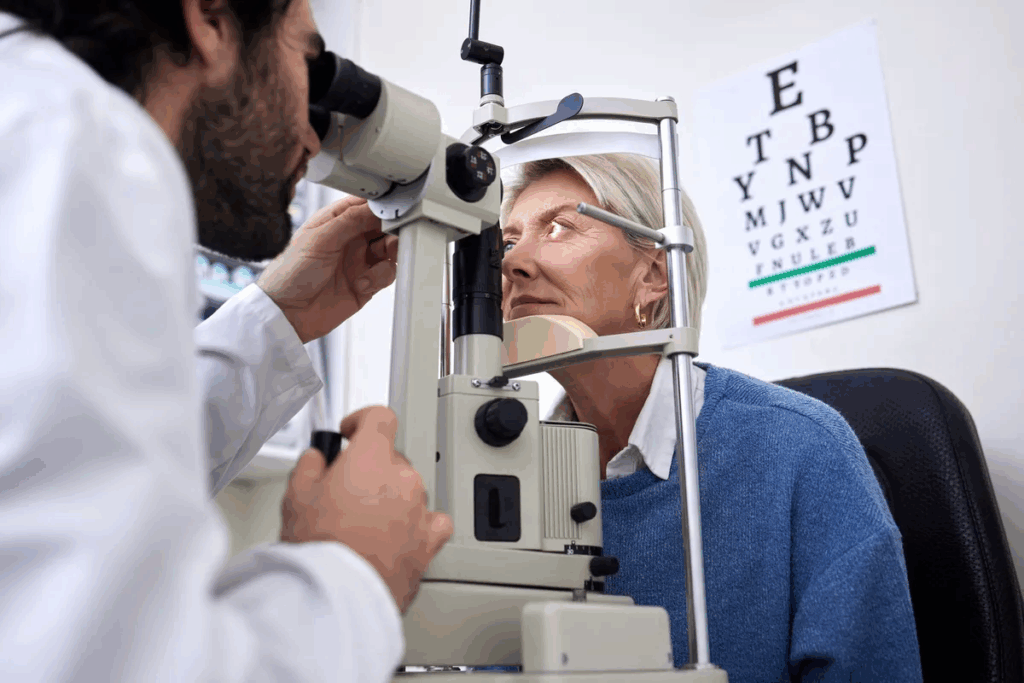
Autoimmune eye conditions are a big threat to our vision, affecting millions globally. They happen when our immune system attacks our eyes by mistake. This can lead to permanent blindness if not caught and treated early.Discover 5 key facts about autoimmune conjunctivitis. Learn the symptoms and essential management tips for this serious condition.
It’s important to understand these conditions well. Many diseases first show up in our eyes, even before other symptoms. Getting regular eye exams is key to spotting these issues early.
We’ll give you a detailed guide on symptoms, risk factors, and treatment for autoimmune eye disorders. This will help you understand and manage these complex conditions better.
Key Takeaways
- Autoimmune eye conditions can lead to severe vision consequences if left untreated.
- Regular eye exams are essential for early detection and management.
- Understanding the symptoms and risk factors is key for timely action.
- Effective treatment options are available for managing autoimmune eye disorders.
- Early diagnosis and treatment can greatly improve outcomes.
The Connection Between Autoimmunity and Eye Health

It’s important to understand how autoimmunity affects eye health. Autoimmune diseases happen when the body’s immune system attacks its own tissues. This can harm many parts of the body, including the eyes.
Every part of the eye can be affected by autoimmune diseases. Autoimmune responses can cause inflammation and damage in ocular tissues. This leads to symptoms like dry eye syndrome, autoimmune conjunctivitis, and uveitis.
How Autoimmune Responses Affect Ocular Tissues
Autoimmune responses can harm ocular tissues in different ways. For example, autoimmune conjunctivitis makes the conjunctiva inflamed. Uveitis affects the uveal tract, which can cause serious vision problems if not treated.
Autoimmune diseases can severely affect the eyes. This shows why eye care is so important for patients with these conditions. Regular checks and early treatment can greatly improve their outcomes.
Prevalence of Ocular Manifestations in Autoimmune Diseases
Research shows that up to 70 percent of patients with autoimmune diseases have eye problems. This high rate emphasizes the need for early detection of eye conditions in these patients. Conditions like rheumatoid arthritis, lupus, and thyroid disease often affect the eyes. It’s vital for doctors to watch these patients closely.
“The eye is a complex organ, and its involvement in autoimmune diseases can lead to significant morbidity. Understanding these connections is key to providing optimal care.”
Healthcare providers can offer better care by understanding the link between autoimmunity and eye health. They can manage autoimmune eye conditions more effectively. This includes treating eye symptoms and addressing the underlying disease.
Risk Factors for Developing Autoimmune Eye Conditions

Autoimmune eye problems come from a mix of genetics, environment, and other autoimmune diseases. Knowing these risks helps us spot who’s at higher risk. This can help prevent or lessen the impact of these eye conditions.
Genetic Predisposition
Genetics are key in getting autoimmune diseases, including eye ones. Some genes make people more likely to get conditions like autoimmune uveitis or thyroid eye disease. Studies link certain HLA alleles with higher risks of eye autoimmune diseases.
Environmental Triggers
Things around us can start autoimmune reactions in people who are genetically prone. These can be infections, chemicals, or other things that can start or make an autoimmune reaction worse. For example, molecular mimicry between microbes and our body’s tissues can cause autoimmune responses. Knowing what triggers these reactions helps us find ways to lower the risk of eye autoimmune diseases.
Comorbid Autoimmune Disorders
Having other autoimmune diseases increases the risk of eye problems. People with diseases like rheumatoid arthritis or systemic lupus erythematosus are more likely to get eye issues. Managing both the disease and eye problems together is important.
Understanding the risks, like genetics, environment, and other autoimmune diseases, helps us find and help those at risk. This knowledge helps us create better treatments for these complex conditions.
Common Symptoms Across Autoimmune Eye Disorders
It’s important to know the symptoms of autoimmune eye disorders early. These diseases can affect the eyes in many ways. Both patients and doctors need to be aware of these signs.
Early Warning Signs
The first signs of autoimmune eye disorders are often subtle but very important. Common early symptoms include:
- Dry or red eyes: Feeling like your eyes are dry or red is a sign.
- Foreign-body sensation: It feels like there’s something in your eye.
- Photophobia: Being very sensitive to light can be uncomfortable.
These symptoms might start off mild but can get worse if not treated. Seeing an eye doctor is key if you notice these signs.
Progressive Symptoms
As these disorders get worse, symptoms can get more serious. You might notice:
- Eye pain: Pain in or around your eyes.
- Blurred vision: Trouble seeing things clearly.
- Floaters: Seeing spots or floaters in your vision.
These signs mean the condition is getting worse. You need to see a doctor to stop it from getting worse.
Emergency Warning Signs
Some symptoms are emergencies and need quick help. These include:
- Sudden vision loss: Losing vision in one or both eyes.
- Severe eye pain: Sudden, intense pain.
If you see these signs, get help right away. This can prevent permanent vision loss.
Knowing these symptoms can help manage autoimmune eye disorders better. Early treatment is key to keeping your vision and improving your life.
Dry Eye Syndrome (Keratoconjunctivitis Sicca)
Dry eye syndrome is a common problem in autoimmune diseases. It affects millions of people worldwide. This condition causes inflammation in the eyes due to the immune system’s dysfunction.
Pathophysiology and Autoimmune Mechanisms
Dry eye syndrome is caused by the immune system attacking the eyes. This leads to less tear production and changes in tear composition. The inflammation makes the tear film not work right, causing dryness and irritation.
“The immune system’s attack on the lacrimal gland and ocular surface is a hallmark of dry eye syndrome in autoimmune diseases,” as noted by recent studies. Understanding these mechanisms is key to finding effective treatments.
Clinical Presentation and Diagnosis
Symptoms of dry eye syndrome include dryness, grittiness, and blurred vision. Clinical diagnosis involves a detailed eye exam and tests to check tear production and eye surface damage. Tests like tear breakup time and Schirmer’s test help determine how severe the dry eye is.
People with dry eye syndrome can have different levels of symptoms. Getting an accurate diagnosis is important for finding the right treatment.
Management Approaches
Managing dry eye syndrome requires a variety of methods. Lifestyle changes like avoiding dry environments and using humidifiers can help. Taking breaks from screens also helps.
- Artificial tears and anti-inflammatory medications are often used to help symptoms and reduce inflammation.
- Punctal plugs help keep tears in the eyes, improving eye health.
- In severe cases, procedures like cauterizing the punctum may be needed.
Understanding dry eye syndrome helps healthcare providers give better care. By managing the condition well, people can live better lives despite their symptoms.
Autoimmune Conjunctivitis: Types and Treatments
Autoimmune conjunctivitis happens when the immune system attacks the conjunctiva. This leads to inflammation and symptoms. It’s a condition where the body’s immune response goes wrong.
Pathogenesis of Immune-Mediated Conjunctival Inflammation
The cause of autoimmune conjunctivitis is complex. Autoimmune responses start with genetics and environment. This leads to autoantibodies and immune cells attacking the conjunctiva.
This inflammation brings out cytokines and chemokines. These chemicals attract more immune cells. This creates a cycle of inflammation.
Clinical Variants
Autoimmune conjunctivitis shows up in different ways. Each form has its own signs. These include:
- Cicatricial pemphigoid, which can cause scarring and vision loss.
- Stevens-Johnson syndrome, a severe condition caused by drugs, leading to skin and mucous membrane damage.
- Atopic keratoconjunctivitis, linked to asthma and eczema.
Diagnostic Approach
Diagnosing autoimmune conjunctivitis needs a detailed eye exam. This includes a slit-lamp biomicroscopy. Tests may also include:
- Serological tests for autoantibodies.
- Conjunctival biopsy to check for inflammation and scarring.
Treatment Strategies
Treating autoimmune conjunctivitis aims to reduce inflammation and manage symptoms. Treatment plans include:
- Topical corticosteroids for acute inflammation.
- Immunosuppressive agents for long-term management.
- Lubricating eye drops to help with dryness and discomfort.
Understanding autoimmune conjunctivitis helps doctors create effective treatment plans. These plans are tailored to each patient’s needs.
Uveitis: Inflammation of the Uveal Tract
Uveitis is a serious eye disease caused by inflammation in the uveal tract. This can lead to severe vision problems if not treated right. The uveal tract includes the iris, ciliary body, and choroid, all key to eye health. Inflammation here can come from autoimmune issues, infections, or injuries.
Classification and Types
Uveitis is divided by where the inflammation is in the uveal tract. The main types are:
- Anterior Uveitis: Affects the iris and ciliary body, often linked to autoimmune diseases.
- Intermediate Uveitis: Hits the vitreous and peripheral retina, common in young adults.
- Posterior Uveitis: Affects the choroid and retina, and can cause big vision loss.
- Panuveitis: Involves all layers of the uvea, a more widespread issue.
Clinical Presentation
Symptoms of uveitis vary by type and severity. Common signs include:
- Eye pain and redness
- Blurred vision
- Sensitivity to light
- Floaters
Getting a full eye check is key to diagnosing uveitis. Tests like slit-lamp exams, fluorescein angiography, and optical coherence tomography are used.
Complications and Vision Loss Risk
Uveitis can cause serious problems, including:
Complication | Description |
Cataract Formation | Inflammation can make the lens cloudy, needing surgery. |
Glaucoma | High eye pressure from inflammation or steroids. |
Macular Edema | Fluid in the macula, causing vision blur. |
Retinal Detachment | Severe inflammation can detach the retina, needing quick treatment. |
Quick treatment is vital to avoid vision loss. About 30,000 new cases of legal blindness from uveitis happen each year in the U.S., showing the need for good management.
“Early diagnosis and treatment of uveitis are critical to preventing long-term vision loss and improving patient outcomes.”
Management Strategies
Managing uveitis requires a few steps, including:
- Corticosteroids: To cut down inflammation, given topically, by injection, or orally.
- Immunosuppressive Therapy: For long-term or severe cases, to lessen steroid side effects.
- Biologic Agents: Targeted treatments for certain uveitis types, providing new options.
Regular follow-ups are key to keep track of the disease and adjust treatments as needed.
Scleritis and Episcleritis
Inflammatory eye conditions like scleritis and episcleritis can really hurt your vision and daily life. They affect the outer layers of the eye. These conditions are often linked to autoimmune diseases.
Differentiating Between Conditions
Scleritis and episcleritis are two different eye problems. Scleritis hurts the sclera, causing severe pain and redness. It can even lead to vision loss if not treated right.
Episcleritis, on the other hand, affects the thin layer on top of the sclera. It’s usually less severe, causing just redness and irritation.
A clinical expert says, “The difference between scleritis and episcleritis is key for proper treatment.” Knowing the difference helps doctors choose the right treatment.
Associated Systemic Autoimmune Diseases
Scleritis and episcleritis can be linked to diseases like rheumatoid arthritis and lupus. These diseases can make the eye problems worse. For example, people with rheumatoid arthritis are more likely to get scleritis.
- Rheumatoid arthritis
- Systemic lupus erythematosus
- Granulomatosis with polyangiitis
Finding the underlying disease is vital for good care. It helps doctors treat both the eye and body problems better.
Clinical Features and Diagnosis
Scleritis causes a lot of eye pain, redness, and tenderness. Episcleritis is less painful, with just redness and some discomfort. Doctors use exams, patient history, and sometimes tests like ultrasound to diagnose.
Clinical Feature | Scleritis | Episcleritis |
Eye Pain | Severe | Mild to Moderate |
Redness | Present | Present |
Tenderness | Yes | No |
Treatment Approaches
Treatment for scleritis and episcleritis varies based on the severity and cause. Episcleritis might just need eye drops and watching. Scleritis often needs stronger treatments like NSAIDs, corticosteroids, or immunosuppressants, depending on the disease.
Custom treatment plans are essential for managing these conditions well. It’s also important to watch for side effects of the medicines.
Thyroid Eye Disease (Graves’ Ophthalmopathy)
Thyroid Eye Disease (TED), also known as Graves’ ophthalmopathy, is a complex autoimmune condition. It affects the tissues around the eye. It is closely linked to Graves’ disease, an autoimmune disorder that causes hyperthyroidism. We will explore the intricacies of TED, including its pathophysiology, clinical manifestations, and management strategies.
Pathophysiology and Autoimmune Mechanisms
The pathophysiology of Thyroid Eye Disease involves a complex interplay of autoimmune responses. Autoantibodies target the thyroid gland and orbital tissues, leading to inflammation and swelling. This results in the characteristic symptoms of TED, including exophthalmos and periorbital edema. The autoimmune mechanism is believed to involve the thyroid-stimulating hormone receptor (TSHR), which is present in both the thyroid gland and orbital tissues.
Clinical Manifestations
The clinical manifestations of TED can vary significantly among patients. Common symptoms include bulging eyes (exophthalmos), double vision (diplopia), and eyelid retraction. In severe cases, TED can lead to vision loss due to optic nerve compression. We will discuss the range of clinical presentations and their implications for patient management.
Disease Activity Assessment
Assessing the activity of Thyroid Eye Disease is key for determining the right treatment approach. The Clinical Activity Score (CAS) is a widely used tool for evaluating disease activity. It involves assessing signs and symptoms such as pain, redness, and swelling. Accurate disease activity assessment guides treatment decisions, ensuring that patients receive the most effective care.
Management Options
The management of Thyroid Eye Disease involves a multidisciplinary approach. This includes medical, surgical, and rehabilitative treatments. Medical management often includes corticosteroids to reduce inflammation. In some cases, surgical intervention may be necessary to address complications such as orbital decompression or strabismus surgery. We will outline the various management options available for TED, highlighting the importance of personalized treatment plans.
Conclusion
It’s key to know about autoimmune eye conditions for quick diagnosis and treatment. We’ve talked about different eye problems like dry eye, autoimmune conjunctivitis, and uveitis. We’ve also covered their symptoms, risk factors, and how to manage them.
Autoimmune eye diseases can cause serious vision loss if not treated right. Getting regular eye exams is important to catch these issues early. Knowing the signs helps people get help fast, lowering the chance of serious problems.
Handling autoimmune eye conditions well needs a full plan, including medicine and lifestyle changes. We stress the need for ongoing checks and care to avoid vision loss. By tackling autoimmune eye issues, we can make life better for those dealing with them.
FAQ
What are autoimmune eye conditions?
Autoimmune eye conditions happen when the body’s immune system attacks the eye tissues. This leads to inflammation and can cause serious vision problems.
How do autoimmune responses affect ocular tissues?
Autoimmune responses can cause inflammation in different parts of the eye. This includes the conjunctiva, uvea, sclera, and lacrimal gland. It can lead to conditions like dry eye syndrome, uveitis, and scleritis.
What are the risk factors for developing autoimmune eye conditions?
Risk factors include genetic predisposition, environmental triggers, and other autoimmune disorders. These can increase the chance of getting autoimmune eye conditions.
What are the common symptoms of autoimmune eye disorders?
Symptoms include redness, pain, dryness, blurred vision, and sensitivity to light. In severe cases, vision loss can occur. The symptoms vary based on the condition.
How is dry eye syndrome related to autoimmune diseases?
Dry eye syndrome is often linked to autoimmune diseases. The immune system attacks the lacrimal gland. This reduces tear production, causing dry, irritated eyes.
What is uveitis, and how is it managed?
Uveitis is inflammation of the uveal tract, often caused by autoimmune diseases. Treatment involves reducing inflammation with corticosteroids. In some cases, immunosuppressive therapy is used to prevent vision loss.
How do thyroid eye disease and autoimmune diseases relate?
Thyroid eye disease, or Graves’ ophthalmopathy, is closely related to autoimmune thyroid diseases. The immune system mistakenly attacks the eye tissues. This causes inflammation and bulging of the eyes.
Can autoimmune eye conditions be treated?
Yes, treatments are available. These include medications to reduce inflammation and immunosuppressive therapy. In some cases, surgery is needed to manage symptoms and prevent damage.
How important are regular eye exams in managing autoimmune eye conditions?
Regular eye exams are very important. They help detect and manage autoimmune eye conditions early. This can prevent vision loss and maintain eye health.
Are there any lifestyle changes that can help manage autoimmune eye conditions?
Yes, making lifestyle changes can help. Using humidifiers, wearing protective eyewear, and eating a balanced diet can alleviate symptoms. This includes symptoms of dry eye syndrome.
What is the role of genetic predisposition in autoimmune eye diseases?
Genetic predisposition is a big factor in autoimmune eye diseases. Certain genetic markers can increase the risk of developing these conditions.
How do comorbid autoimmune disorders affect the risk of autoimmune eye conditions?
Having other autoimmune disorders can increase the risk of autoimmune eye conditions. The underlying autoimmune process can affect multiple parts of the body, including the eyes.
References
National Center for Biotechnology Information. Autoimmune Eye Conditions: Symptoms and Management. Retrieved from https://pmc.ncbi.nlm.nih.gov/articles/PMC8593335/