
Recurrent aphthous stomatitis, or painful mouth ulcers, affects up to 25% of people. When these ulcers are paired with joint pain, extreme fatigue, and digestive issues, it might mean an autoimmune condition is present. This requires quick medical attention. What causes autoimmune disease mouth sores? This guide covers 7 alarming causes, from lupus to Behçet’s, and their treatments.
We look into how these symptoms are connected. We talk about how common they are and how they affect people’s lives. For example, Behcet’s disease can cause blood vessel swelling. This leads to oral ulcers, eye irritation, and skin rashes.
It’s important to recognize these symptoms early. This helps in diagnosing and treating the condition effectively. By understanding the causes, we can offer better support to those seeking medical help.
Key Takeaways
- Mouth ulcers can be an early indicator of an underlying autoimmune condition.
- Behcet’s disease is a rare condition that causes blood vessel swelling, leading to various symptoms.
- Joint pain, fatigue, and digestive symptoms can be associated with autoimmune disorders.
- Early diagnosis and treatment are key to managing autoimmune conditions.
- Comprehensive care is essential for patients with complex symptoms.
The Interconnected Symptoms of Autoimmune Disorders

It’s key to grasp how symptoms in autoimmune disorders are linked. These diseases happen when the body’s immune system mistakenly attacks its own tissues. This leads to a variety of symptoms, each different for every patient.
How the Immune System Attacks the Body’s Tissues
In autoimmune diseases, the immune system goes wrong. It starts attacking healthy cells and tissues. This can cause inflammation and damage in many parts of the body, like the mouth and joints.
For example, in Sjögren’s disease, the immune system attacks glands that make moisture. This results in dry eyes and mouth, along with fatigue and joint pain.
The immune system’s attack on the body’s tissues can cause a mix of symptoms. These include mouth sores, joint pain, and tiredness. These symptoms are connected, showing how autoimmune diseases affect the whole body.
The Significance of Symptom Clusters in Diagnosis
Spotting symptom clusters like mouth ulcers, joint pain, and tiredness is key for diagnosing autoimmune disorders. Research shows that mouth ulcers might be an early sign of systemic autoimmune disease. This makes checking oral health important in diagnosis.
These symptom clusters help doctors find the right diagnosis and treatment. For instance, a patient with mouth ulcers, joint pain, and tiredness might have Behcet’s disease or lupus.
Symptom Cluster | Possible Autoimmune Conditions |
Mouth ulcers, joint pain, fatigue | Behcet’s disease, Lupus |
Dry eyes, dry mouth, fatigue | Sjögren’s disease |
Oral ulcers, abdominal pain, diarrhea | Crohn’s disease |
Understanding the link between symptoms in autoimmune disorders helps doctors provide better care. They can tackle the symptoms and the underlying condition causing them.
Autoimmune Disease Mouth Sores: Prevalence and Impact
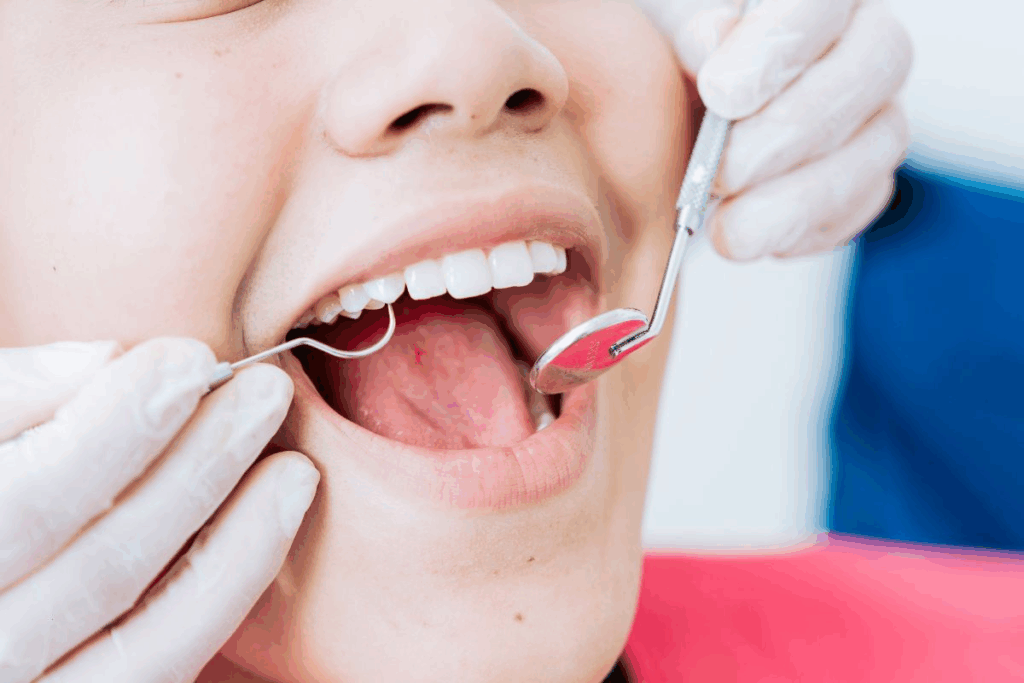
Mouth sores are common in many autoimmune diseases. They can make life hard for patients. These sores hurt, making simple tasks like eating and talking tough.
Recurrent aphthous stomatitis, or mouth sores that keep coming back, hits up to 25% of people. It’s not just common; it also really affects people’s lives.
Recurrent Aphthous Stomatitis Affecting 25% of Population
Recurrent aphthous stomatitis is linked to autoimmune diseases. It’s found in up to 25% of people in some groups. This shows how widespread it is.
Demographic Group | Prevalence of Recurrent Aphthous Stomatitis |
General Population | Up to 25% |
Autoimmune Disease Patients | Higher than general population |
Specific Autoimmune Conditions (e.g., Behcet’s Disease) | Significantly higher |
Differences in Occurrence Rates Across Demographics
Mouth sores in autoimmune diseases don’t affect everyone the same. Age, gender, and genes play a big role. This means some groups might get them more often or worse.
Behcet’s disease, for example, causes mouth sores and more. Its rate varies by population. Knowing this helps doctors treat it better.
Impact on Quality of Life and Daily Functioning
Mouth sores from autoimmune diseases really hurt a person’s life and daily tasks. They make eating, talking, and even swallowing hard.
Also, these sores can show there’s a bigger problem inside. This means patients need care that looks at the whole picture, not just the sores.
Healthcare providers can do better by understanding mouth sores in autoimmune diseases. This way, they can help patients live better lives.
Mouth Ulcers as Early Warning Signs of Systemic Disease
Research shows that mouth ulcers might warn us of autoimmune diseases early. This makes it key to notice and act on oral health problems fast.
Research Showing Increased Autoimmune Risk Following Oral Ulcers
Studies link mouth ulcers to a higher risk of autoimmune diseases. Those who often get mouth ulcers are more likely to get diseases like Behcet’s. There’s growing evidence that oral ulcers are linked to systemic autoimmune disorders.
Statistical Evidence: 1,433 Stomatitis Patients vs. 1,168 Controls
A study compared 1,433 stomatitis patients to 1,168 controls. It found a big increase in autoimmune disease risk in those with mouth ulcers. Oral ulcers might signal early autoimmune processes. This is a big deal for catching diseases early.
The Importance of Oral Examination in Early Detection
Checking the mouth is key to spotting autoimmune diseases early. By finding mouth ulcers and their link to systemic conditions, doctors can start treatments early. We suggest that anyone with frequent mouth ulcers get a full check-up for autoimmune diseases.
In short, mouth ulcers are not just a small issue. They might point to a bigger problem. By linking oral health to autoimmune disease, we can catch and treat diseases sooner.
The Immune System’s Role in Oral Health
Oral health is closely tied to the immune system. Autoimmune diseases can harm the mouth’s soft tissues. We’ll look at how these diseases affect oral health.
Autoimmunity and Soft Tissues of the Mouth
Autoimmune disorders make the immune system attack the body’s own tissues. This can damage the mouth’s soft tissues. Symptoms include mouth ulcers, pain, and discomfort.
Conditions like Sjögren’s disease can cause dry mouth. This is due to the immune system not working right.
Inflammatory Processes in Oral Mucosa
The oral mucosa often sees inflammation from autoimmune attacks. This can cause chronic inflammation and tissue damage. It leads to oral lesions.
Understanding these inflammatory processes is key. It helps manage symptoms in autoimmune diseases.
The Oral Microbiome and Immune Dysregulation
The oral microbiome is vital for oral health. Its imbalance can cause symptoms like mouth ulcers. This imbalance can also worsen autoimmune conditions.
Research links oral health to systemic diseases, including autoimmune disorders. For example, some autoimmune diseases increase the risk of oral ulcers.
Autoimmune Disease | Oral Manifestation | Prevalence |
Sjögren’s Disease | Dry Mouth, Oral Ulcers | High |
Lupus | Oral Ulcers, Mucosal Lesions | Moderate |
Crohn’s Disease | Oral Ulcers, Cobblestoning | Moderate |
It’s important to understand the link between the immune system and oral health. This helps diagnose and manage autoimmune diseases with oral symptoms. Healthcare providers can then offer better care to patients.
Types and Characteristics of Autoimmune Oral Lesions
It’s important to know about autoimmune oral lesions for the right treatment. Diseases like lupus and Crohn’s can make mouth ulcers more common. These ulcers can hurt a lot and might show a bigger health problem.
Distinguishing Autoimmune Ulcers from Common Canker Sores
Autoimmune ulcers are different from regular canker sores. They are often bigger and last longer, and they come back a lot. For example, Behcet’s disease causes specific ulcers in the mouth and genitals. It’s key to know the difference to diagnose correctly.
These ulcers can also mean other health issues like skin problems and stomach troubles. This shows why a full check-up of the mouth is important.
Patterns, Distribution, and Healing Time
The way autoimmune oral lesions show up can vary a lot. For instance, in Behcet’s disease, mouth ulcers often go with genital ulcers and follow a certain pattern. Knowing these patterns helps doctors figure out the disease.
How long it takes for these ulcers to heal is also important. They might take longer than usual canker sores to heal. They might need special treatments to help manage symptoms and avoid more problems.
Warning Signs That Mouth Sores May Indicate Systemic Disease
Some mouth sores can mean a bigger health issue. For example, if ulcers keep coming back or are very bad, or if they come with other symptoms like joint pain or stomach problems. If ulcers don’t get better with usual treatments, it could be a sign of an autoimmune disease. We need to watch for these signs to catch and treat the disease early.
In short, autoimmune oral lesions are not just a mouth problem. They can show us about a bigger health issue. By knowing about their types, how they show up, and their link to diseases, we can help patients better.
Behcet’s Disease: The Highest Risk Association
Behcet’s disease is known for its strong link to various symptoms, like mouth sores and joint pain. It’s a rare autoimmune disorder that affects many parts of the body. This includes the mouth, genitals, skin, and eyes, causing inflammation.
Understanding the Hazard Ratio of 31.16
The hazard ratio of 31.16 shows a big risk of severe symptoms with Behcet’s disease. This number highlights the need for early diagnosis and treatment. We’ll look into how this ratio is calculated and its impact on patients.
Characteristic Oral and Genital Ulcerations
Oral and genital ulcers are key signs of Behcet’s disease. These can be painful and keep coming back, affecting daily life. We’ll talk about what these ulcers look like and how they differ from other mouth lesions.
Skin Manifestations and Systemic Involvement
Behcet’s disease also causes skin issues, like acne-like spots and erythema nodosum. It can affect other areas too, like the eyes and blood vessels. Knowing about these effects is key to managing the disease well.
Diagnostic Criteria and Treatment Approaches
Diagnosing Behcet’s disease involves checking for certain signs and symptoms. This includes looking at oral and genital ulcers, skin issues, and other body symptoms. Treatment plans vary based on how severe the disease is. This can range from creams for ulcers to stronger medicines for serious cases. We’ll cover the current ways to diagnose and treat the disease.
Lupus and Crohn’s Disease: Oral Manifestations
Lupus and Crohn’s disease can cause mouth problems that affect patients’ lives. These conditions lead to symptoms like mouth ulcers and more serious lesions.
Lupus-Specific Mouth Lesions and Their Presentation
Lupus can cause ulcers, erosions, and discoid lesions in the mouth. These can be painful and bleed easily. They often appear on the inside of the cheeks, palate, or tongue.
Accurate diagnosis is key to tell lupus mouth lesions apart from others.
Patients with lupus may have headache and mouth ulcers at the same time. This can be very hard to deal with. Oral lesions can also show how active the disease is, making it important to manage it well.
Crohn’s Disease and Orofacial Granulomatosis
Crohn’s disease can also show up in the mouth. It can cause swelling of the lips, cheeks, or face, and mouth ulcers or tags. Orofacial granulomatosis (OFG) is a sign of Crohn’s disease in the mouth, even without stomach problems.
The mouth symptoms of Crohn’s disease can make eating and speaking painful. Early treatment is key to managing these symptoms well.
Distinguishing Features and Diagnostic Challenges
Telling lupus and Crohn’s disease apart by mouth symptoms alone is hard. But, lupus usually causes more widespread mouth lesions, while Crohn’s disease is linked to localized lesions and swelling.
To accurately diagnose and manage these conditions, a detailed approach is needed. This includes clinical exams, lab tests, and sometimes biopsies. Tired and mouth ulcers are common in these diseases, showing the need for a complete treatment plan.
In summary, lupus and Crohn’s disease can lead to serious mouth problems. Understanding the differences between these conditions helps healthcare providers give better care to patients.
Joint Pain Patterns Across Autoimmune Conditions
Understanding joint pain patterns is key to diagnosing and managing autoimmune conditions. These diseases can cause various symptoms, including joint pain in different body parts.
Temporomandibular Joint Dysfunction in Autoimmunity
The temporomandibular joint (TMJ) often gets affected in autoimmune diseases. This leads to jaw pain and dysfunction. It can make eating, speaking, and breathing hard in severe cases. TMJ dysfunction is common in rheumatoid arthritis and lupus.
Polyarticular vs. Oligoarticular Involvement
Autoimmune joint pain can affect many or a few joints. Rheumatoid arthritis usually affects many joints. On the other hand, Behcet’s disease can have a more varied pattern. Knowing which joints are affected helps in diagnosis and treatment.
Inflammatory vs. Mechanical Joint Pain
Distinguishing between inflammatory and mechanical joint pain is important. Inflammatory pain, seen in rheumatoid arthritis, comes with swelling and warmth. Mechanical pain, from wear and tear, doesn’t have these signs.
The Connection Between Oral Symptoms and Joint Inflammation
Oral symptoms like mouth ulcers are linked to joint inflammation in autoimmune diseases. Lupus and Crohn’s disease often show both. Mouth ulcers can signal joint pain, showing a body-wide inflammatory process.
Patients with autoimmune diseases face a complex mix of oral symptoms and joint pain. Treating these symptoms needs a full approach that looks at both oral and body-wide signs of the disease.
Understanding Autoimmune Fatigue Mechanisms
It’s key to understand how autoimmune fatigue works to manage it well. This fatigue is common in people with autoimmune diseases. For example, Sjögren’s disease can cause tiredness, dry eyes, and dry mouth.
Inflammatory Cytokines and Energy Production
Inflammatory cytokines are important in autoimmune fatigue. They can mess with how cells make energy, making people feel very tired. Studies show these cytokines can harm the mitochondria, where cells make energy, lowering energy levels.
Cytokine Effects on Energy Production:
Cytokine | Effect on Energy Production |
TNF-alpha | Decreases mitochondrial function |
IL-1 beta | Reduces ATP production |
IL-6 | Affects energy metabolism |
Distinguishing Autoimmune Fatigue from Other Causes
It’s important to tell autoimmune fatigue apart from other tiredness causes. Autoimmune fatigue is very persistent and severe, affecting daily life and quality of life.
Key differences between autoimmune fatigue and other types of fatigue include:
- Persistence despite rest
- Impact on daily activities
- Association with other autoimmune symptoms
The Vicious Cycle of Pain, Poor Sleep, and Exhaustion
Autoimmune fatigue is part of a cycle of pain, poor sleep, and exhaustion. Chronic pain can make sleep bad, which makes fatigue worse. Breaking this cycle is key to managing fatigue.
By tackling the root causes of autoimmune fatigue, like inflammatory cytokines and the pain-sleep-exhaustion cycle, doctors can create better treatment plans. This helps improve patients’ lives.
Gastrointestinal Complications and Their Connection to Oral Symptoms
In autoimmune diseases, oral symptoms often link to gut problems. This is seen in Crohn’s disease, where both mouth and gut symptoms show up. We’ll look into how gut issues affect our mouth.
The Gut-Mouth Axis in Autoimmune Pathology
The gut-mouth axis is a network between our gut and mouth. In autoimmune diseases, this network can get messed up. This messes with both our gut and mouth health.
Key factors in this disruption include:
- Changes in the gut microbiome composition
- Increased permeability of the gut barrier
- Systemic inflammation affecting both the gut and oral cavity
Abdominal Pain, Diarrhea, and Malabsorption
Gastrointestinal problems like pain, diarrhea, and malabsorption are common in autoimmune diseases. These issues can really hurt a person’s quality of life and how well they absorb nutrients. For example, in Crohn’s disease, the constant inflammation can make it hard to absorb important nutrients, which can hurt our mouth.
The interplay between gastrointestinal symptoms and oral health is complex:
- Malabsorption can lead to deficiencies that affect oral mucosa
- Chronic diarrhea can cause dehydration, potentially impacting oral health
- Abdominal pain can be associated with systemic inflammation that affects the oral cavity
Nutritional Deficiencies Contributing to Oral Lesions
Nutritional problems from gut malabsorption can make oral lesions worse. Lack of vitamins and minerals like B12, iron, and folate can cause mouth sores and ulcers.
Ensuring adequate nutrition is key for managing oral symptoms:
- Dietary adjustments to manage malabsorption
- Supplementation to address specific deficiencies
- Monitoring oral health in the context of nutritional status
Understanding the link between gut and mouth symptoms helps doctors create better treatment plans for autoimmune disease patients.
Comprehensive Diagnostic Approaches for Symptom Clusters
Diagnosing autoimmune diseases is complex. It involves clinical evaluation, lab tests, and imaging studies. Getting it right is key for effective treatment.
The Multidisciplinary Team
A team of experts is needed to diagnose symptom clusters. This team includes rheumatologists, dentists, and gastroenterologists. They work together to get the right diagnosis.
Why is teamwork important? Here’s why:
- Rheumatologists focus on diseases affecting joints and other areas.
- Dentists look for signs of autoimmune diseases in the mouth, like ulcers.
- Gastroenterologists know about gut symptoms and complications from autoimmune diseases.
Laboratory Markers and Autoantibody Panels
Lab tests are key in diagnosing autoimmune diseases. They include:
- Autoantibody panels to find specific antibodies linked to different conditions.
- Inflammatory markers like CRP and ESR to check disease activity.
- Complete blood counts (CBC) to check blood health and find abnormalities.
Autoimmune diseases often show a range of autoantibodies. Here’s a table showing some common ones:
Autoantibody | Associated Condition |
ANA (Antinuclear Antibody) | Systemic Lupus Erythematosus (SLE) |
RF (Rheumatoid Factor) | Rheumatoid Arthritis (RA) |
Anti-CCP (Anti-Cyclic Citrullinated Peptide) | Rheumatoid Arthritis (RA) |
Imaging Studies and Specialized Testing
Imaging and specialized tests help in diagnosis. They include:
- X-rays and ultrasound to see joint damage and inflammation.
- Endoscopy to check gut symptoms.
- Special tests like salivary gland biopsy to diagnose certain conditions.
For example, X-rays can show joint damage in RA. Endoscopy can spot gut issues in Crohn’s disease.
Ruling Out Non-Autoimmune Causes
It’s important to rule out other causes of symptoms. This means:
- Looking at medical histories for triggers or factors.
- Doing differential diagnoses to tell autoimmune from non-autoimmune conditions.
- Using lab tests and imaging to support or refute diagnoses.
By using detailed diagnostic methods, doctors can accurately diagnose and manage autoimmune diseases. This improves patient outcomes and quality of life.
Managing the Triad: Treatment Strategies and Self-Care
Managing mouth sores, joint pain, and fatigue in autoimmune diseases needs a full treatment plan. This plan includes medical help and self-care. Every patient is different, so what works for one might not work for another.
Medical Interventions for Oral Lesions
For mouth sores, medical treatments can help a lot. Topical corticosteroids and anti-inflammatory agents are often used. They help reduce pain and speed up healing. Sometimes, systemic medications are needed for severe cases.
“Topical corticosteroids have changed the game for many with autoimmune mouth sores,” says Medical Expert. “They reduce inflammation and help heal, improving life quality a lot.”
Anti-Inflammatory Approaches for Joint Pain
Joint pain from autoimmune diseases can be very hard. Anti-inflammatory methods like NSAIDs and biologic agents can help. Physical therapy and gentle exercise also keep joints moving well.
- NSAIDs: Good for pain and inflammation
- Biologic agents: Target inflammation molecules
- Physical therapy: Keeps joints mobile and strong
Energy Conservation and Fatigue Management
Fatigue is common in autoimmune diseases. Managing it needs a few steps. Pacing activities and taking breaks can help. Cognitive behavioral therapy and stress management also help with emotional and mental fatigue.
Dietary Modifications and Nutritional Support
Changing your diet is key in managing symptoms. Eating fruits, vegetables, and whole grains can lower inflammation. Supplements like omega-3 fatty acids and vitamin D can also help.
Managing the triad requires a detailed treatment plan. This plan includes medical help, self-care, and lifestyle changes. With these steps, patients can manage their symptoms and live better.
Conclusion: Navigating Life with Autoimmune Symptoms
Living with autoimmune diseases like Behcet’s and Sjögren’s requires a detailed plan. We’ve looked at how symptoms like mouth sores, joint pain, and fatigue affect life. These symptoms can really change how we live.
It’s key to understand how these symptoms are connected. This knowledge helps in finding the right treatments. Early signs and symptoms are important to catch and treat quickly.
Managing autoimmune symptoms needs a mix of medical care, lifestyle changes, and self-care. A team of doctors, including rheumatologists and dentists, is essential. They work together to give the best care.
Helping patients understand and manage their conditions is our goal. We want to improve their quality of life. With the right care and support, managing symptoms is possible. We’re dedicated to providing top-notch healthcare and support.
FAQ
What is the connection between mouth sores, joint pain, and fatigue in autoimmune diseases?
Autoimmune diseases like Behcet’s disease can cause mouth sores, joint pain, and fatigue. This happens because the immune system attacks the body’s tissues.
Can mouth ulcers be an early warning sign of systemic autoimmune disease?
Yes, mouth ulcers can signal systemic autoimmune disease early. This makes oral exams key for early detection.
How does autoimmunity affect the soft tissues of the mouth?
Autoimmunity can cause inflammation in the oral mucosa. This affects the mouth’s soft tissues, leading to mouth sores and other lesions.
What are the characteristic oral and genital ulcerations associated with Behcet’s disease?
Behcet’s disease is marked by oral and genital ulcers. It also involves skin and systemic issues, needing a detailed approach for diagnosis and treatment.
How can autoimmune fatigue be managed?
Managing autoimmune fatigue involves conserving energy and using anti-inflammatory methods. Dietary changes and addressing underlying causes, like inflammatory cytokines and poor sleep, are also important.
What is the connection between gastrointestinal complications and oral symptoms in autoimmune diseases?
The gut-mouth axis is vital in autoimmune diseases. Gastrointestinal issues can lead to oral symptoms, such as mouth sores and lesions.
How are symptom clusters diagnosed in autoimmune diseases?
Diagnosing symptom clusters in autoimmune diseases requires a detailed approach. This includes lab tests, autoantibody panels, imaging, and specialized tests.
What treatment strategies are available for managing the triad of symptoms in autoimmune diseases?
To manage symptoms like mouth sores, joint pain, and fatigue, treatments include medical interventions and anti-inflammatory methods. Energy conservation and dietary changes are also helpful.
Can mouth sores be a symptom of other autoimmune conditions, such as lupus or Crohn’s disease?
Yes, mouth sores can indicate other autoimmune conditions like lupus and Crohn’s disease. Each condition needs its own diagnostic and treatment plan.
How can patients with autoimmune diseases manage their symptoms and improve their quality of life?
Patients can manage symptoms and enhance their quality of life by working with a team of healthcare professionals. Adopting self-care and making lifestyle changes are also key.
Are there any nutritional deficiencies that can contribute to oral lesions in autoimmune diseases?
Yes, nutritional deficiencies can cause oral lesions in autoimmune diseases. This highlights the need for dietary adjustments and nutritional support to manage symptoms.
Can mouth ulcers and diarrhea be related in autoimmune diseases?
Yes, mouth ulcers and diarrhea can be linked in autoimmune diseases, like Behcet’s disease. Gastrointestinal issues can contribute to oral symptoms.
How does the oral microbiome play a role in autoimmune diseases?
The oral microbiome is essential for oral health. Its imbalance can lead to symptoms like mouth sores and lesions in autoimmune diseases.
What is the significance of understanding the connections between mouth sores, joint pain, and fatigue in autoimmune diseases?
Recognizing the links between these symptoms is critical for diagnosing and treating autoimmune diseases. It helps healthcare professionals provide better care for patients.
References
National Health Service (NHS). Mouth Sores, Joint Pain, and Fatigue: Autoimmune Disease Indicators. Retrieved from https://www.nhs.uk/conditions/behcets-disease/symptoms/