
Autologous blood transfusions are seen as a safer option compared to donor blood. The market for autologous transfusions has seen a big increase. It reached US$149.8 billion in 2024.
At Liv Hospital, we understand the value of autologous transfusions in lowering the risk of complications. Even though they have lower infection risks, problems can happen. This shows the need for careful protocols and top-notch healthcare.
We are committed to helping international patients who need advanced medical care. This includes autologous transfusion procedures.
Key Takeaways
- Autologous transfusions reduce the risk of transfusion-related complications.
- The global autologous transfusion market is growing rapidly.
- Liv Hospital is committed to delivering world-class healthcare.
- Autologous transfusions have lower infection risks compared to donor blood.
- Vigilant protocols are necessary to minimize risks associated with autologous transfusions.
The Science Behind Autologous Blood Transfusions
Autologous transfusion is simple: it’s about using a patient’s own blood. This reduces risks seen in blood from others. It’s great for surgeries where a lot of blood is lost.
Definition and Medical Principles
Autologous blood transfusion means giving a patient their own blood back. This blood was saved before or during surgery. It’s safe because it’s the patient’s own.
The autologous definition covers collecting, storing, and giving back the blood. This makes sure it’s safe and works well for the patient.
Historical Development of the Procedure
The idea of blood transfusion autologous started long ago. The first tries were in the early 1900s. Now, thanks to new tech and knowledge, it’s safer and more effective.
Today, it’s a key way to lower risks of blood transfusions. It’s very helpful for those with rare blood types or certain health issues.
Types of Autologous Blood Collection Methods
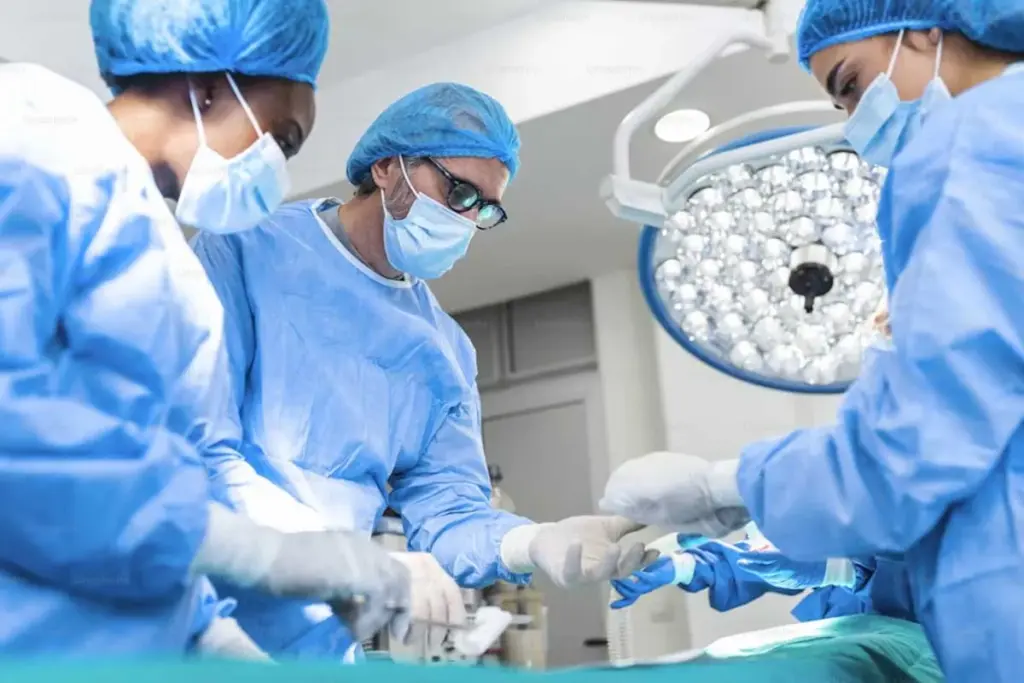
At Liv Hospital, we use different methods to collect blood for autologous transfusion. This depends on the type of surgery. Our goal is to use less allogeneic blood and lower the risk of complications.
Preoperative Donation
Preoperative autologous donation (PAD) collects a patient’s blood before surgery. It’s used for transfusion during or after the operation. But, PAD has become less common due to better surgical techniques and patient blood management.
In Canada, PAD use has dropped a lot because of these improvements.
Intraoperative Blood Salvage
Intraoperative blood salvage (IBS) collects and reinfuses blood lost during surgery. It’s great for surgeries with a lot of blood loss. IBS reduces the need for allogeneic blood transfusions and lowers transfusion risks.
Postoperative Blood Recovery
Postoperative blood recovery collects blood from surgical drains and reinfuses it. It’s used with other methods to recover more lost blood. These techniques help lower risks from allogeneic blood transfusions.
Medical experts say, “The use of autologous blood transfusion techniques can significantly enhance patient safety by reducing exposure to allogeneic blood.” We keep using these methods to improve patient care.
The Global Autologous Transfusion Market in 2024
The autologous transfusion market has grown a lot, with big numbers expected to keep going up. Healthcare providers want to cut down risks from blood from others. So, they’re looking more at autologous transfusions.
Market Value and Growth Trends
The global autologous transfusion market reached US$149.8 billion in 2024. This shows a big jump in its use. More healthcare places are choosing this safer way to give blood.
Factors Driving Market Expansion
New medical tech and knowing the dangers of blood from others are pushing the market up. Even in places like Canada, the risk of getting sick from donated blood is very low. This makes autologous blood transfusion more popular.
As patient safety becomes a top priority, the autologous transfusion market is set to grow even more.
Common Clinical Applications for Autologous Blood

Autologous blood transfusion is key in many surgeries. It helps patients recover faster from complex operations. At Liv Hospital, we follow a strict plan for using autologous blood in different medical situations.
Elective Surgical Procedures
Autologous blood is often used in planned surgeries. Patients donate their blood before the operation. This is great for those with rare blood types or who have developed antibodies against blood groups.
Orthopedic Surgeries
In surgeries like hip replacements or spinal fusions, autologous blood transfusion is very helpful. It cuts down the need for blood from others. This lowers the risk of bad reactions and speeds up recovery.
Cardiovascular Operations
In heart surgeries, autologous blood transfusion is also very important. It helps reduce blood loss and keeps patients safer. Using the patient’s own blood lowers the chance of bad reactions and improves results.
Emergency Applications
In emergencies, autologous blood transfusion can save lives. For example, in severe injuries, it helps recover lost blood. This reduces the need for blood from others.
|
Clinical Application |
Benefits |
|---|---|
|
Orthopedic Surgeries |
Reduced need for allogenic blood transfusions, faster recovery |
|
Cardiovascular Operations |
Minimized risk of adverse reactions, improved patient safety |
|
Emergency Situations |
Lifesaving, reduced need for allogenic transfusions |
Comparing Autologous vs. Allogeneic Transfusions
Autologous and allogeneic transfusions are two different ways to give blood. Each has its own good points and downsides. At Liv Hospital, we think about these differences when we decide on treatment.
Risk Profile Differences
Autologous transfusions use a patient’s own blood, which is safer than allogeneic transfusions. Allogeneic transfusions use blood from another person. The chance of getting an infection from allogeneic blood is very low but not zero. On the other hand, autologous transfusions don’t carry these risks.
|
Risk Factor |
Autologous Transfusion |
Allogeneic Transfusion |
|---|---|---|
|
Transfusion-transmitted infection |
Minimal to none |
Very low |
|
Alloimmunization |
None |
Possible |
Cost-Benefit Analysis
Looking at the cost of autologous versus allogeneic transfusions, there are many things to consider. Autologous transfusions might cost more because of the planning and storing of the patient’s blood. But they can lead to fewer complications and quicker recovery. Allogeneic transfusions are often cheaper but can cause more problems, leading to extra costs.
We carefully look at these points to choose the best transfusion method for each patient. We balance the good and bad of both autologous and allogeneic transfusions.
Storage-Related Complications of Autologous Transfusions
Storing autologous blood is key, but it can cause big problems if not done right. At Liv Hospital, we focus on top-notch blood storage to avoid these issues.
Bacterial Contamination Risks
Bacteria can get into autologous blood if it’s not stored safely. This can cause serious infections. We follow strict rules to keep the blood clean, using sterile tools and checking storage often.
Hemolysis and Blood Component Degradation
Bad storage can break down red blood cells and damage blood parts. This makes transfusions less effective and can cause bad reactions. Our storage tech keeps blood safe, reducing these risks.
Temperature Control Failures
Keeping blood at the right temperature is vital. If it’s not, bacteria can grow and blood parts can break down. We use high-tech systems to keep blood at the perfect temperature.
|
Storage Complication |
Risk |
Prevention Measure |
|---|---|---|
|
Bacterial Contamination |
Severe infections |
Sterile storage conditions, regular monitoring |
|
Hemolysis and Component Degradation |
Reduced transfusion effectiveness, adverse reactions |
Advanced storage technology, optimal storage conditions |
|
Temperature Control Failures |
Bacterial growth, component degradation |
Sophisticated temperature monitoring systems |
Non-Infectious Risks in Autologous Transfusions
Non-infectious risks are a big deal when it comes to autologous blood transfusions. These transfusions cut down the chance of immune reactions and diseases. But, they’re not completely risk-free.
Febrile Non-Hemolytic Reactions
Febrile non-hemolytic reactions (FNHRs) are common side effects, happening in 1-2% of cases. They cause a rise in body temperature, sometimes with chills or rigors. FNHRs happen because of cytokines from white blood cells during storage.
We do several things to lower the chance of FNHRs. For example, we use filters to remove white blood cells.
Biochemical and Metabolic Complications
Biochemical and metabolic issues can also pop up. These include citrate toxicity, which can lead to low calcium levels, and high potassium levels from stored red cells. It’s key to watch electrolyte levels and the patient’s health closely.
At Liv Hospital, we follow strict rules for storing and handling autologous blood. This helps reduce these problems.
|
Complication |
Cause |
Prevention/ Management |
|---|---|---|
|
Febrile Non-Hemolytic Reactions |
Cytokine release from white blood cells |
Leukoreduction filters |
|
Citrate Toxicity |
Citrate anticoagulant |
Monitoring of calcium levels |
|
Hyperkalemia |
Potassium release from stored red cells |
Monitoring of potassium levels |
By tackling these non-infectious risks, we can make autologous blood transfusions safer and more effective.
Human Error and System Failures
Human mistakes and system failures are big risks in autologous transfusion. Even with strict rules, bad events can happen. This worries doctors a lot.
Clerical Errors and Misidentification
Mistakes in paperwork and wrong patient ID are big problems. Simple errors can cause big issues. We stress the need for careful checks to avoid these problems.
The 2025 UK Transfusion Error Report
A UK report from 2025 shows transfusion mistakes caused over 70% of incidents in 2024. The 2025 UK Transfusion Error Report points to human mistakes and system flaws. It shows we need better safety steps.
Process Breakdown Analysis
Looking into how things go wrong is key. It helps us find weak spots in autologous transfusion. By spotting where errors happen, we can fix them. We check every step, from donation to use, to cut down risks.
Patient-Specific Risk Factors
It’s key to know the risks for each patient before doing autologous blood transfusions. At Liv Hospital, we do detailed checks before surgery. This helps us spot risks and plan care just for that person.
Pre-existing Medical Conditions
Medical issues before surgery can change how safe and effective autologous transfusions are. Things like heart problems and blood disorders need special attention.
Cardiovascular Disorders
People with heart issues face more risks with autologous transfusions. “Managing heart conditions carefully is vital to avoid bad outcomes,” says recent advice. We keep a close eye on these patients during the transfusion.
Hematologic Conditions
Blood disorders can make autologous transfusions tricky. We check these conditions closely. This helps us adjust the transfusion plan for each patient.
Insufficient Preoperative Hemoglobin Levels
Low hemoglobin levels before surgery are a big risk. We do detailed checks to find and fix any hemoglobin issues. This makes sure patients are ready for the procedure.
By tackling these specific risks, we make autologous blood transfusions safer and more effective for everyone.
Modern Risk Mitigation Strategies
We use the latest risk reduction methods to make autologous blood transfusions safer and more effective. At Liv Hospital, we always look for new ways to improve care for our patients.
Technological Advances in Blood Storage
New tech in blood storage has made autologous transfusions safer. These advancements include better temperature control and new storage materials. They keep the blood in top condition.
Protocol Improvements
We keep updating our protocols to follow the latest autologous donation and transfusion best practices. These updates help lower risks and ensure our patients get the best care.
Staff Training Initiatives
It’s key to keep our healthcare team trained on autologous transfusions. We invest in training to make sure they know the latest techniques and guidelines.
By using new tech, improving protocols, and training our staff, we make autologous transfusions safer. This means a better experience for our patients.
Liv Hospital’s Standards for Autologous Transfusions
Liv Hospital puts patient safety first. We have strict rules for autologous blood transfusion. This helps avoid risks like bad reactions and infections from blood transfusions.
Quality Control Measures
We have top-notch quality control for autologous blood donation and transfusion. Our team follows strict rules for collecting, storing, and giving blood. Every step is watched and recorded closely.
- Rigorous donor screening and selection criteria
- Advanced blood storage facilities with precise temperature control
- Regular training for staff on the latest autologous transfusion techniques
International Best Practice Implementation
Liv Hospital follows global best practices in autologous transfusion. We keep up with new research and guidelines. This ensures our methods meet international standards.
Our mix of strict quality control and global best practices means top care for our patients in autologous transfusions.
Conclusion
Autologous blood transfusions are a safe and effective option in some medical cases. They offer a better choice than allogeneic transfusions. This is because they use the patient’s own blood, reducing risks.
At Liv Hospital, we keep up with the latest in autologous transfusions. We adjust our methods to give our patients the best care. As more doctors look for safer blood options, autologous blood use is likely to grow.
We’re dedicated to top-notch healthcare for all patients, including those from abroad. Our autologous transfusion standards are high. We follow international best practices to ensure quality care for everyone.
FAQ
What is autologous blood transfusion?
Autologous blood transfusion is a medical process. It involves a patient getting their own blood back. This blood is collected and stored before or during surgery. It helps reduce the need for blood from others.
What are the benefits of autologous blood transfusions?
Autologous blood transfusions have many benefits. They lower the risk of bad reactions to blood, infections, and immune problems. They also help save blood for others.
What are the different methods of autologous blood collection?
There are several ways to collect autologous blood. These include donating blood before surgery, collecting it during surgery, and getting it back after surgery. Each method has its own advantages and risks.
How is autologous blood stored and handled?
Autologous blood is stored carefully. It follows strict rules to avoid problems. These include keeping it clean, preventing blood breakdown, and controlling its temperature.
What are the risks associated with autologous transfusions?
Autologous transfusions can have risks. These include reactions, metabolic issues, and errors. It’s important to handle them carefully.
How are patient-specific risk factors assessed for autologous transfusions?
Doctors check each patient’s risks before autologous transfusions. They look at medical conditions and blood levels. This helps make the transfusions safer.
What modern risk mitigation strategies are used for autologous transfusions?
New ways are being used to make autologous transfusions safer. These include better blood storage, improved protocols, and training for staff. This ensures they are safe and effective.
What is the difference between autologous and allogeneic transfusions?
Autologous transfusions use a patient’s own blood. Allogeneic transfusions use blood from another person. They have different risks and benefits.
What are the clinical applications of autologous blood?
Autologous blood is used in many medical situations. This includes surgeries, emergencies, orthopedic operations, and heart surgeries.
How does Liv Hospital ensure the quality of autologous transfusions?
Liv Hospital follows strict quality rules. They use international best practices. This ensures autologous transfusions are safe and effective, showing their commitment to top healthcare.
References
- JAMA Network Open: https://jamanetwork.com/journals/jamanetworkopen/fullarticle/2832906
- AABB: https://www.aabb.org/news-resources/news/article/2025/07/23/shot-report–transfusion-related-mortality-in-the-uk-increased-in-2024
- DataM Intelligence:
- Turn on screen reader support
- Show side panel
- https://www.datamintelligence.com/research-report/stored-autologous-blood-transfusion-market
- PMC: https://www.ncbi.nlm.nih.gov/pmc/articles/PMC9261800/
- PubMed: https://pubmed.ncbi.nlm.nih.gov/40685161/