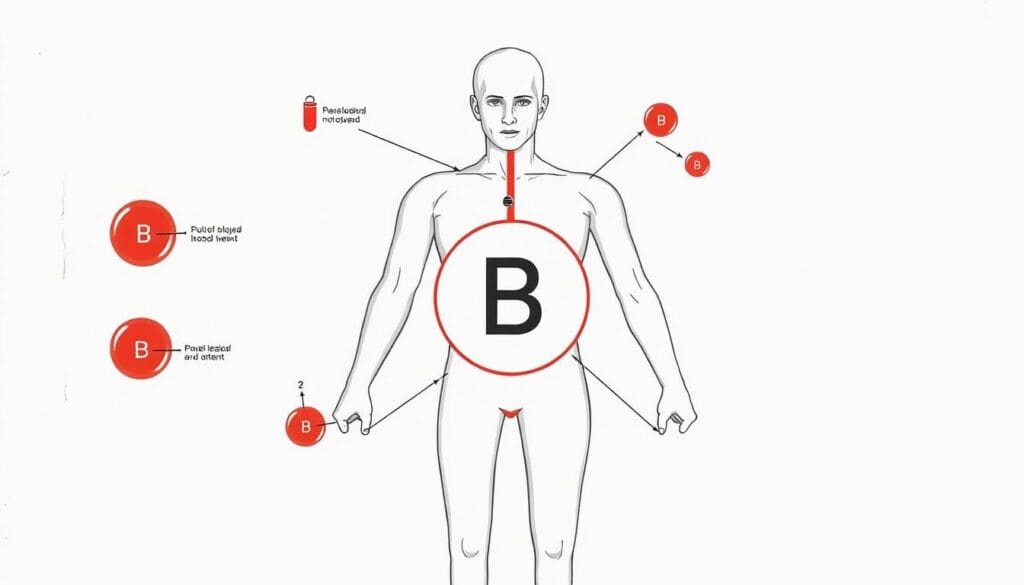
Knowing about the B positive blood type is key for medical care, like in blood transfusions. This blood group is not very common, found in about 8.5% of people in the US, says the Stanford School of Medicine Blood Center.
People with B-positive blood have special antigens on their red blood cells. This makes it very important to match blood types during transfusions to avoid bad reactions.
Liv Hospital stresses the need for B+ donations. They can save the lives of patients who need them. Because B-positive blood can only match with a few other groups, it’s very important to have enough.
Key Takeaways
- B-positive blood type is relatively rare, occurring in about 8.5% of the US population.
- It is vital to match blood types during transfusions to prevent adverse reactions.
- B+ blood donations are essential for patients needing transfusions.
- The compatibility of B-positive blood with other groups is limited.
- Liv Hospital is dedicated to providing top care for patients needing B+ blood transfusions.
What Is a B Positive Blood Group?
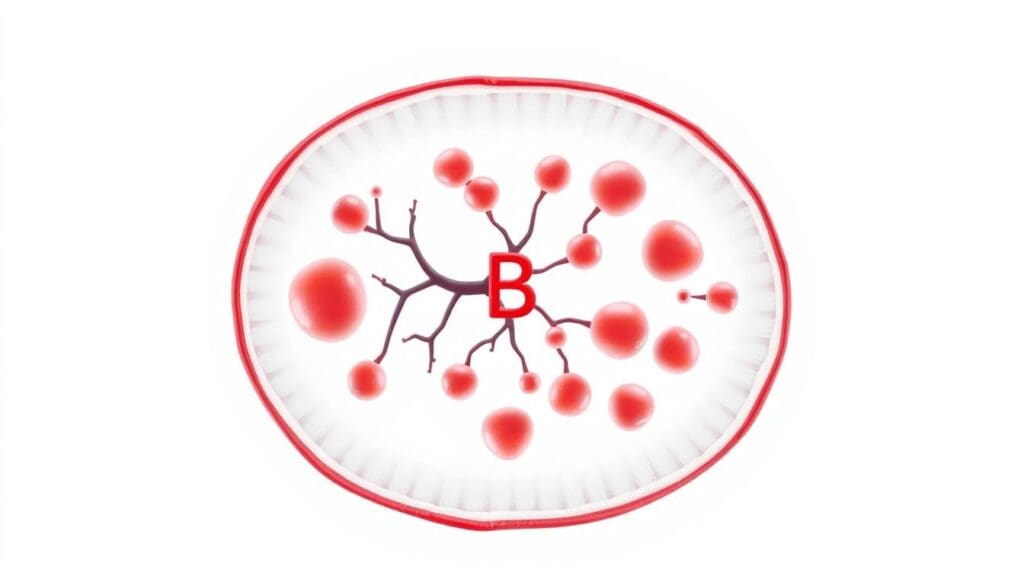
B positive blood group has specific antigens on red blood cells. It’s key in transfusion medicine. The B-positive blood type falls under the ABO blood group system. This system sorts blood based on certain antigens on red blood cells.
The Science Behind Blood Group B Rhesus Positive
The B-positive blood group has the B antigen and the RhD antigen. This makes it Rhesus positive. This mix is important for matching blood for transfusions.
The Rh factor is another important antigen. It decides if blood is Rh positive or Rh negative. For B-positive blood, the RhD antigen makes it Rh-positive.
Antigens and Antibodies in B+ Blood
People with B-positive blood have antibodies against the A antigen. This means mixing B-positive blood with A antigen blood can cause problems.
- The B antigen is present on the surface of red blood cells.
- The immune system produces anti-A antibodies.
- The RhD antigen is present, making the blood Rh positive.
Knowing about the antigens and antibodies in B-positive blood is vital. It helps ensure safe blood transfusions. It also helps manage pregnancies where Rh incompatibility is a concern.
The B Positive Blood Type Explained

To understand B-positive blood type, we need to understand the ABO blood group system and the Rh factor. This blood type is identified by the B antigen on red blood cells and the presence of the Rh factor.
Understanding the ABO Blood Group System
The ABO blood group system divides blood into four types: A, B, AB, and O. It’s based on specific antigens on red blood cells. For B-positive blood, the cells have B antigens.
Our immune system makes antibodies against blood types we don’t have. So, someone with B-positive blood will have antibodies against A antigens.
| ABO Blood Type | Antigens Present | Antibodies Produced |
| A | A | Anti-B |
| B | B | Anti-A |
| AB | A and B | None |
| O | None | Anti-A and Anti-B |
The Role of the Rh Factor in B+ Blood
The Rh factor is key in blood type classification. It determines whether blood is Rh-positive or Rh-negative. B positive blood has the RhD antigen, making it Rh positive.
The ABO blood group system and the Rh factor give us a full picture of blood type. B-positive blood has B antigens and is Rh-positive. Knowing this is vital for blood transfusions and organ donations.
Is B+ A Rare Blood Group?
B-positive blood type is considered relatively rare. But what does this mean in terms of actual numbers? To understand its rarity, we need to examine its prevalence across different populations.
Statistical Prevalence in the United States
According to the Stanford School of Medicine Blood Center, B+ blood is found in around 8.5% of the population in the United States. This makes it the third most common blood type, following O positive and A positive. The relatively moderate frequency of the B+ blood type means it’s not considered extremely rare but is less common than some other blood types.
How B Positive Compares to Other Blood Types
Comparing B positive to other blood types, it’s less common than O+ and A+ but more common than AB+ and many of the Rh-negative blood types. For instance, AB negative is found in only about 1% of the population. This comparison helps in understanding the relative rarity of the B+ blood type. While it’s not as rare as some blood types, its moderate prevalence means that medical facilities usually have a steady supply, but it’s always in need of donations.
In summary, B+ blood type, while not extremely common, is also not among the rarest blood types. Its prevalence is significant enough to be considered relatively available for medical needs.
B Positive Blood Type Compatibility Chart
Knowing who can get B-positive blood is key to safe blood transfusions. B-positive blood works well with certain blood types because of its B antigen and Rh factor.
Who Can Receive B Pos Blood?
People with B-positive blood can give to those with B+ and AB+ types. This is because B+ blood has the B antigen. It matches with AB+ blood, which has both A and B antigens.
Who Can Donate to B+ Recipients?
B+ people can get blood from B+, B-, O+, and O- donors. The Rh factor in B+ blood means they can also get blood from Rh-positive and negative donors. But only if the blood type is B or O.
A compatibility chart shows this clearly:
| Blood Type | Can Receive From | Can Donate To |
| B+ | B+, B-, O+, O- | B+, AB+ |
In short, knowing about B-positive blood type compatibility is vital for safe blood transfusions. By understanding who can donate to and receive from B+ individuals, doctors can make better choices.
Ethnic Distribution of B+ Blood Type
The prevalence of B-positive blood type varies widely around the world. Some ethnic groups have higher proportions of people with this blood type.
Higher Prevalence in Asian Populations
Research shows that the BB-positive blood type is common in people of Asian descent. In some Asian countries, up to 30% of the population has this blood type.
B+ Distribution Among Different Ethnic Groups
Genetics plays a big role in where B-positive blood type is found. Here’s a table comparing its distribution in different ethnic groups:
| Ethnic Group | Prevalence of B Positive Blood Type |
| Asian | 25-35% |
| Caucasian | 8-12% |
| African American | 15-20% |
Knowing where B-positive blood type is common helps with blood transfusions and healthcare planning.
Medical Importance of Blood Group B Rh Positive
The role of B-positive blood in medicine is huge, mainly for those with long-term blood issues. It’s key in transfusion medicine, helping patients with certain blood disorders.
B-positive blood is essential for people with sickle cell disease. This disease makes hemoglobin not work correctly. Patients need regular blood transfusions, and B-positive blood is especially helpful.
Treatment of Sickle Cell Disease
Patients with sickle cell disease respond well to B-positive blood transfusions. This blood type is compatible with some patients, making it a key part of their treatment.
Role in Managing Thalassemia
People with thalassemia also need blood transfusions often. B-positive blood is vital for them, providing the blood components they need to stay healthy.
In short, B-positive blood is vital for treating sickle cell disease and thalassemia. Its compatibility and availability make it a big help in transfusion medicine.
Genetic Inheritance of B Positive Blood Type
B-positive blood type is determined by specific genes that code for the B and RhD antigens on red blood cells. The genetics of blood type inheritance involves many genes. These genes are mainly in the ABO blood group system and the Rh blood type system.
How Blood Types Are Passed Down
The ABO blood group system is controlled by a single gene with three alleles: A, B, and O. The B allele is for the B antigen. A person with B-positive blood type gets a B allele from one parent and either B or O from the other. This results in a genotype of BB or BO.
Another gene determines the Rh blood type system. The presence of the RhD antigen (Rh positive) is dominant over its absence (Rh negative).
| Parent 1 Blood Type | Parent 2 Blood Type | Possible Genotypes of Offspring |
| B or BO | B or BO | BB, BO, OO |
| B or BO | O | BO, OO |
| B or BB | B or BB | BB, BO |
Predicting Your Child’s Blood Type
Predicting a child’s blood type involves understanding the parents’ genotypes. By analyzing the possible genotypes and phenotypes of the offspring, one can determine the likelihood of a child having B B-positive blood type.
If both parents have B-positive blood type, there’s a high chance their child will too. This depends on the parents’ genotypes. Using the table above, one can predict the possible blood types of the offspring based on the parents’ blood types.
B Positive Blood Type and Pregnancy Considerations
Pregnant women with B-positive blood type need to know about Rh incompatibility risks. Rh incompatibility happens when an Rh-negative mom has an Rh-positive baby. This can cause problems. But, having B B-positive blood type itself is usually not a worry. The Rh factor is the primary concern.
Risks Associated with Rh Incompatibility
Rh incompatibility can cause hemolytic disease of the newborn (HDN). This is when the mother’s immune system attacks the baby’s Rh-positive blood cells. This can break down the baby’s red blood cells.
The risks of Rh incompatibility include:
- The mom’s immune system is making Rh antibodies
- Possible hemolytic disease of the newborn (HDN)
- Need for close monitoring and possible interventions during pregnancy
Management Protocols for B+ Mothers
To handle Rh incompatibility, pregnant women with Rh-negative blood get Rh immunoglobulin. This prevents the mother’s immune system from producing Rh antibodies. For B-positive blood type moms, the focus is on monitoring for any signs of Rh incompatibility.
Important management steps are:
- Regular blood tests for Rh antibodies
- Watching the baby for HDN signs
- Getting ready for possible interventions, like blood transfusions for the baby
Knowing these things and working with healthcare providers can help ensure a healthy pregnancy for B-positive blood type moms.
Health Associations of B Pos Blood Type
Research into B-positive blood type has found interesting links to health conditions. The scientific world is studying these connections closely. Knowing about B+ blood health can help those with this type.
Potential Disease Correlations
Studies suggest B B-positive blood type individuals might face different disease risks. For example, there’s a possible link to heart disease. Also, B+ blood might play a role in blood-clotting disorders.
Scientific Research on B+ Health Patterns
Scientists are working hard to understand the health patterns associated with positive blood types. They use big data and long-term studies to learn more. This research helps spot health risks and create prevention plans for B+ blood types.
The Donation Process for B Positive Blood Type
Donating B-positive blood is easy and helps many people. It’s used for surgeries, cancer treatments, and blood disorders. Your donation can save lives.
How to Donate Blood as a B+ Individual
To donate B-positive blood, start by finding a blood donation center or a blood drive. First, you’ll register and give some basic info. Then, a medical check ensures you can donate.
The actual donation takes 10-15 minutes. You’ll give about one pint of blood. After, you’ll get refreshments to help you feel better.
Rest for a bit before getting back to your day. The whole process, from start to finish, takes about an hour.
The Impact of Your Donation
Your B-positive blood donation can greatly help others. It’s used in surgeries and for treating diseases like cancer. The Wikipedia page on blood donation highlights its importance.
| Blood Type | Can Donate To | Can Receive From |
| B+ | B+, AB+ | B+, B-, O+, O- |
Donating B-positive blood is a simple way to save lives. Knowing how it helps, B+ individuals can feel motivated to donate.
Is B Positive a Good Blood Type?
B positive (B+) blood type is a common and medically important blood group. Whether it’s “good” depends on context—but in practice, B+ is valuable because it helps support blood supply needs and offers clear transfusion options in routine care and emergencies.
People with B+ blood can donate red blood cells to B+ and AB+ recipients. That makes B+ donors especially useful for hospitals, where matching compatible blood quickly can be lifesaving.
Advantages of Having Blood Group B Positive (B+)
B+ comes with a few practical advantages related to transfusions and donation.
Compatible donation options
If you have B+ blood, you can donate red blood cells to:
- B+
- AB+
Because AB+ is the universal recipient for red blood cells (in terms of ABO/Rh compatibility), B+ donations can be critical for patients with AB+ who need matched units quickly.
Helpful in urgent situations
In emergency settings, speed matters. Knowing your blood type—and having a steady donor pool—helps healthcare teams deliver safe transfusions faster and reduces delays in treatment.
Possible (but not definitive) health associations
Some research has explored links between ABO blood groups and certain health risks. However, these associations are population-level trends and don’t determine an individual’s health outcomes. Lifestyle, medical history, and preventive care matter far more than blood type alone.
Limitations and Key Considerations for B+ Individuals
B+ also has clear compatibility limits, mainly on the receiving side.
What blood types can B+ receive?
For red blood cell transfusions, B+ individuals can typically receive from:
- B+
- B−
- O+
- O−
This is a useful range, but it’s not as broad as AB+ recipients, for example. In real life, hospitals still try to give type-specific blood whenever possible.
Why Rh factor still matters ?
Because B+ is Rh positive, B+ blood is generally not given to Rh-negative patients. Rh compatibility is especially important in transfusion planning and pregnancy care.
Conclusion: Living with a B Positive Blood Type
Knowing about the B-positive blood type is key to staying healthy. People with B+ blood can take steps to keep themselves well. They can also help others by donating blood.
Managing B B-positive blood type means understanding its compatibility and rarity. B+ blood is common but has special donation and reception rules. Knowing these helps people make better health choices.
In summary, having blood type B-positive comes with its own set of traits and duties. Being informed helps individuals live healthier lives. They also play a significant role in the medical field by donating blood and improving others’ lives.
FAQ
What is B B-positive blood type?
B positive blood type has the B antigen on red blood cells and the RhD antigen. This makes it Rh positive.
Is B positive a rare blood group?
B positive is not rare, but its commonness varies by population. It’s common in some Asian groups.
Who can receive B-positive blood?
B-positive or AB-positive blood types can get B-positive blood. This is because B-positive blood matches both B and AB types. It also fits with Rh-positive individuals.
Who can donate to B-positive recipients?
B-positive or O-positive blood donors can give to B-positive recipients. O positive is a universal donor for Rh positives. B positive can be donated directly to B positives.
How is B-positive blood type inherited?
B positive comes from parents through the ABO system and the Rh factor. The B antigen and the Rh positive factor are both dominant.
What are the risks associated with Rh incompatibility during pregnancy for B-positive mothers?
Rh incompatibility is a risk for Rh-negative mothers with Rh-positive fetuses. But B-positive mothers are already Rh positive, so they’re not at risk. The real concern is for Rh-negative mothers.
Can a B B-positive blood type affect health or disease susceptibility?
Some studies link B-positive blood to health issues. But more research is needed to confirm these findings.
How can I donate B-positive blood?
To donate B-positive blood, contact local centers or the American Red Cross. They’ll check your health and travel history before donation.
What are the advantages of having B B-positive blood type?
B positive blood type allows for flexible transfusions from B positive or O positive donors. It can also be donated to B-positive or AB-positive recipients.
Are there any limitations or considerations for individuals with B B-positive blood type?
B-positive individuals should know their blood type and Rh factor for safe transfusions. They should also be aware of possible health links, though more research is needed.
Can B-positive receive O-negative blood?
Yes. O-negative red blood cells are considered the safest option in emergencies because they don’t carry A, B, or RhD antigens, so they can be given to B-positive recipients when type-specific blood isn’t available.
What blood types can B-positive donate to?
B-positive can donate red blood cells to B-positive and AB-positive recipients. Because it’s Rh positive, it’s generally not given to Rh-negative patients unless there’s an urgent, medically justified reason.